
Set-in sleeve
Measure sweatshirt sleeve length from the shoulder seam to the finished cuff edge.
Stock Match starts at 10 pieces with an existing sweatshirt pattern, fabric and construction. Made to Order starts at 50 pieces for projects that require new body measurements, shoulder position, sleeve construction, French terry or fleece, rib dimensions, wash or artwork placement.
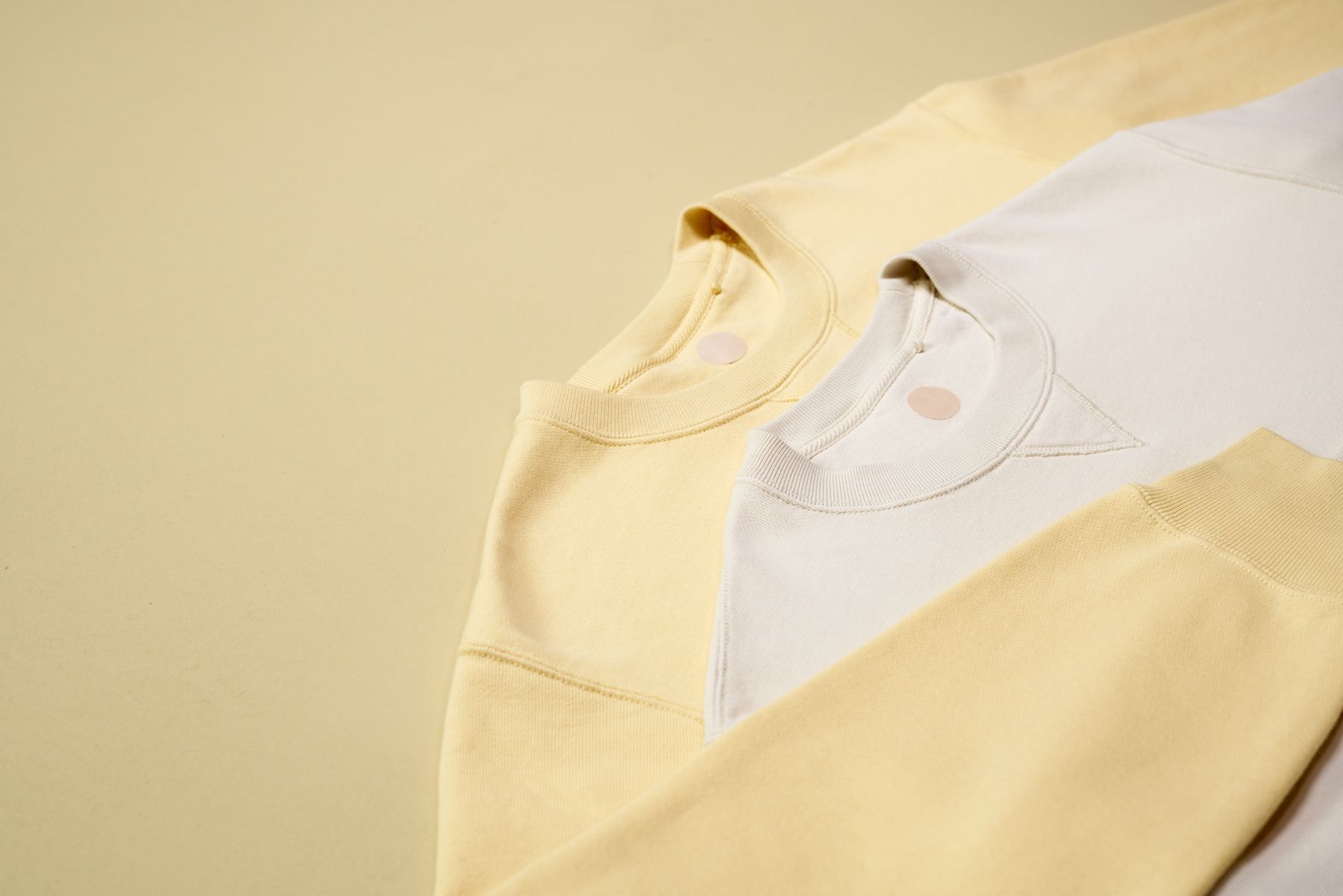
French terry keeps knitted loops visible on the sweatshirt reverse. Brushed fleece raises the reverse-side fibers into a pile. At the same GSM, these two constructions produce different inner surfaces and different loft.
GSM records fabric mass per square meter. Record reverse-side construction, stretch, stiffness and surface finish as separate sweatshirt fabric specifications.
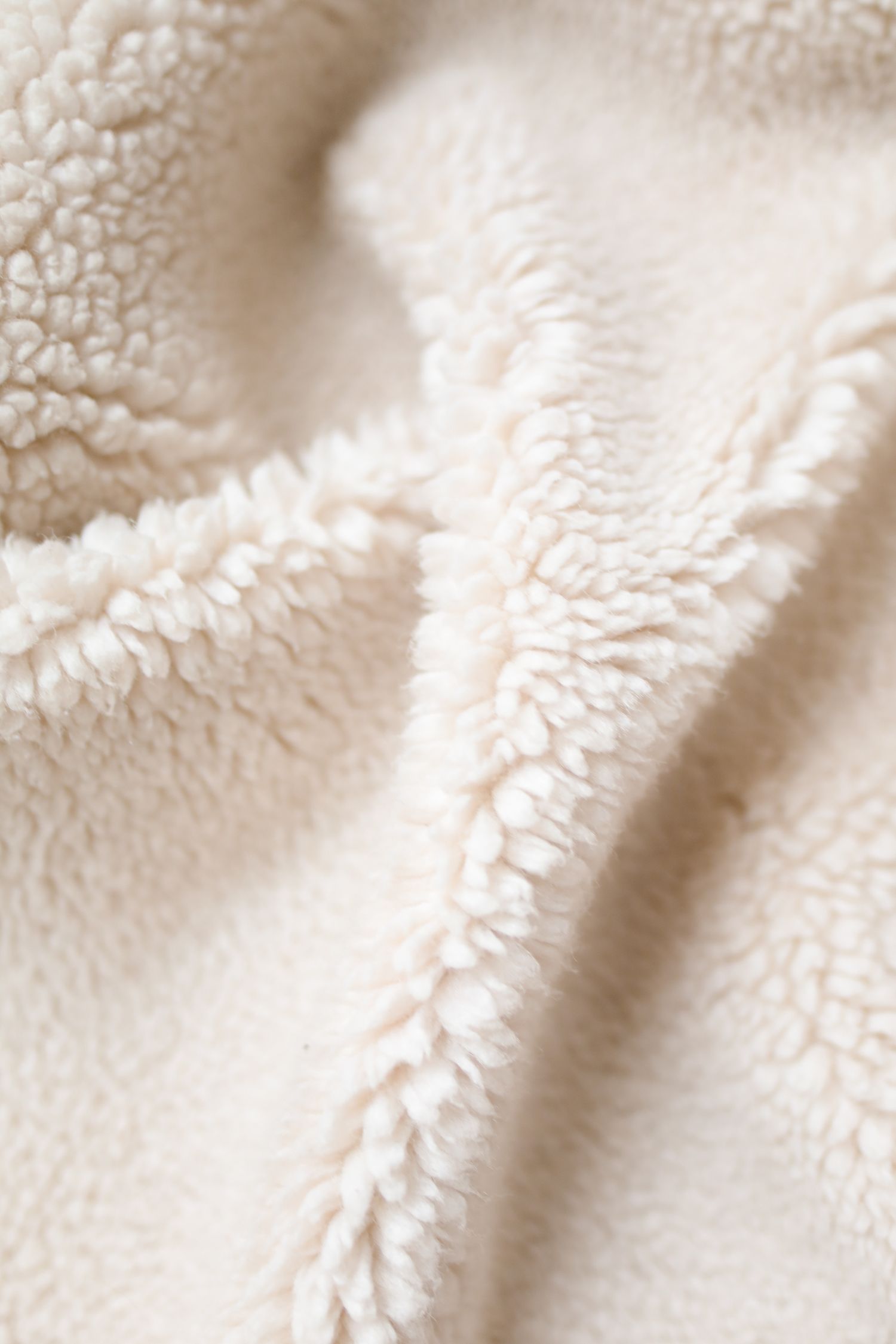
French terry leaves the reverse-side loops intact. Changing the sweatshirt to brushed fleece replaces that looped surface with a raised pile.
Brushing raises fibers above the reverse-side knit and adds loft. Sample the brushed production fabric to establish the finished sweatshirt thickness and hand feel.
A firmer knit holds the sweatshirt front, back and dropped shoulder farther away from the body. A softer knit folds more at the shoulder and side seam under the same pattern dimensions.
A change in fiber composition requires a new sweatshirt shrinkage test on the production fabric.
Record numerical GSM together with fiber composition, knit construction and reverse-side finish.
Record loop-back, unbrushed or brushed as its own sweatshirt fabric specification.
A bulk fabric change after fitting or wash testing requires new fit, drape and shrinkage checks with the replacement fabric.
Measure sweatshirt sleeve length from the shoulder seam to the finished cuff edge.

Shoulder width and sleeve length jointly set the cuff position. Moving the shoulder seam farther down the arm increases neck-to-cuff reach when sleeve length stays fixed.
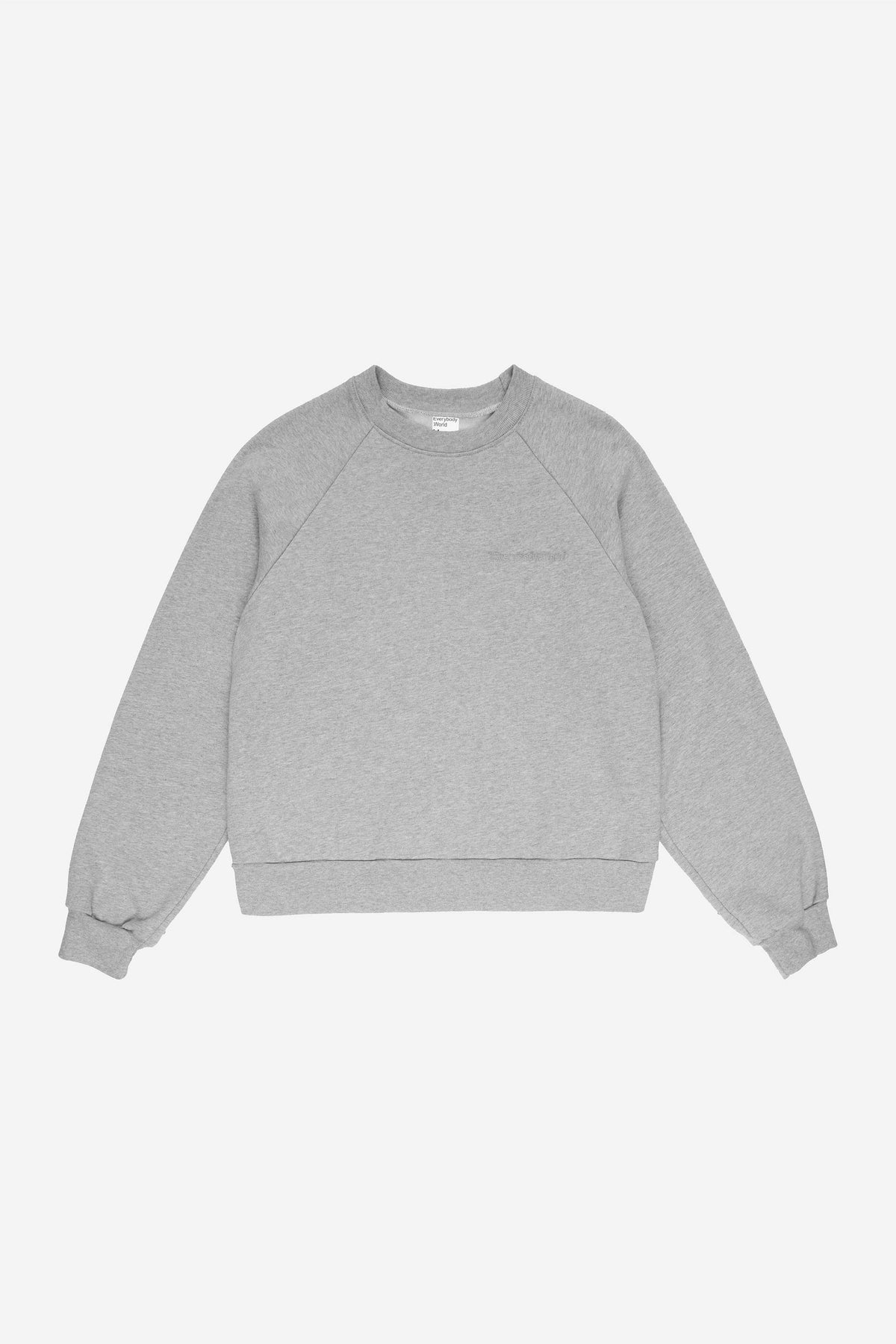
Measure raglan sweatshirt sleeve length from a stated neck or center-back-neck reference point to the finished cuff edge.
Sweatshirt rib is cut shorter than its attachment opening and stretched during sewing. Neck-rib length sets neckline tension. Cuff-rib length sets the relaxed wrist opening. Waistband-rib length sets the amount of gathering at the sweatshirt hem.
Body neckline cut size and neck-rib cut length are separate pattern dimensions. Changing only the rib length changes rib tension. The body neckline cut size stays fixed.

A 40 cm neck rib sewn to a 50 cm sweatshirt neckline gives an 80% rib ratio.
Test the production ratio with the production rib. Knit construction changes stretch and recovery, so the working ratio belongs to the actual rib article used for bulk.
Low rib tension produces a loose sweatshirt neckline or a wavy finished rib edge.
High rib tension pulls the sweatshirt neckline inward and can pucker the body fabric around the attachment seam.
A short waistband compresses the wider sweatshirt hem into a smaller opening and will increase gathering above the waistband.
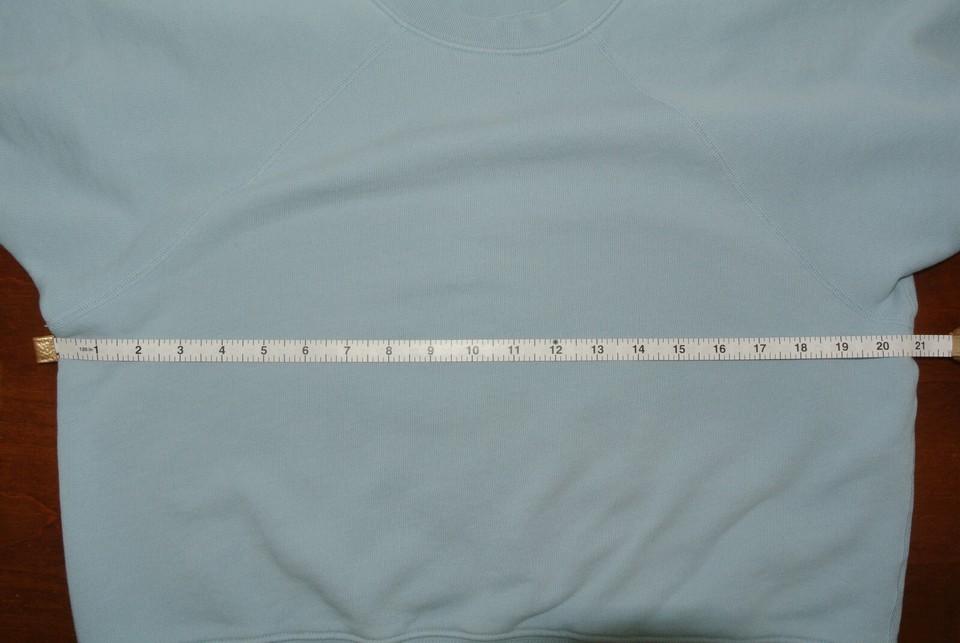
A sweatshirt measuring 70 cm in body length before washing and 68 cm after washing has lost 2 cm. The calculated length shrinkage is approximately 2.86%.
Record sweatshirt chest width, body length, sleeve length, cuff opening and waistband opening before the production wash.
Run the wash or finishing process specified for the bulk sweatshirt.
Measure the same sweatshirt points again. Calculate length shrinkage and width shrinkage separately.
For garment-washed or garment-dyed sweatshirts, evaluate production shade after the finishing operation that produces the final color.
Use the finished sweatshirt sample as the comparison stage for finished bulk dimensions.
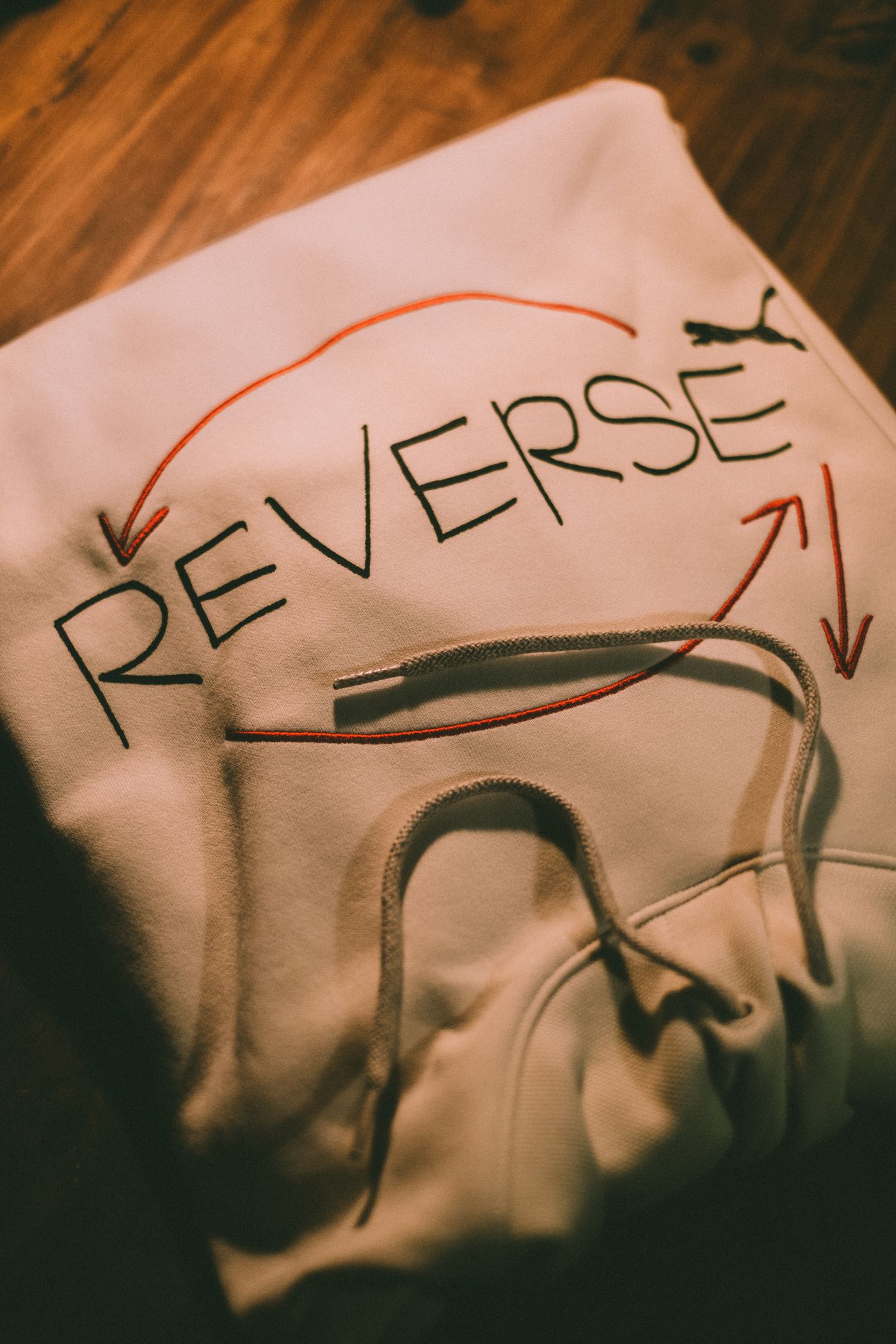
A large solid print deposits ink or transfer material across a larger area of French terry or fleece and increases local stiffness. Sample the artwork at its production width and height.
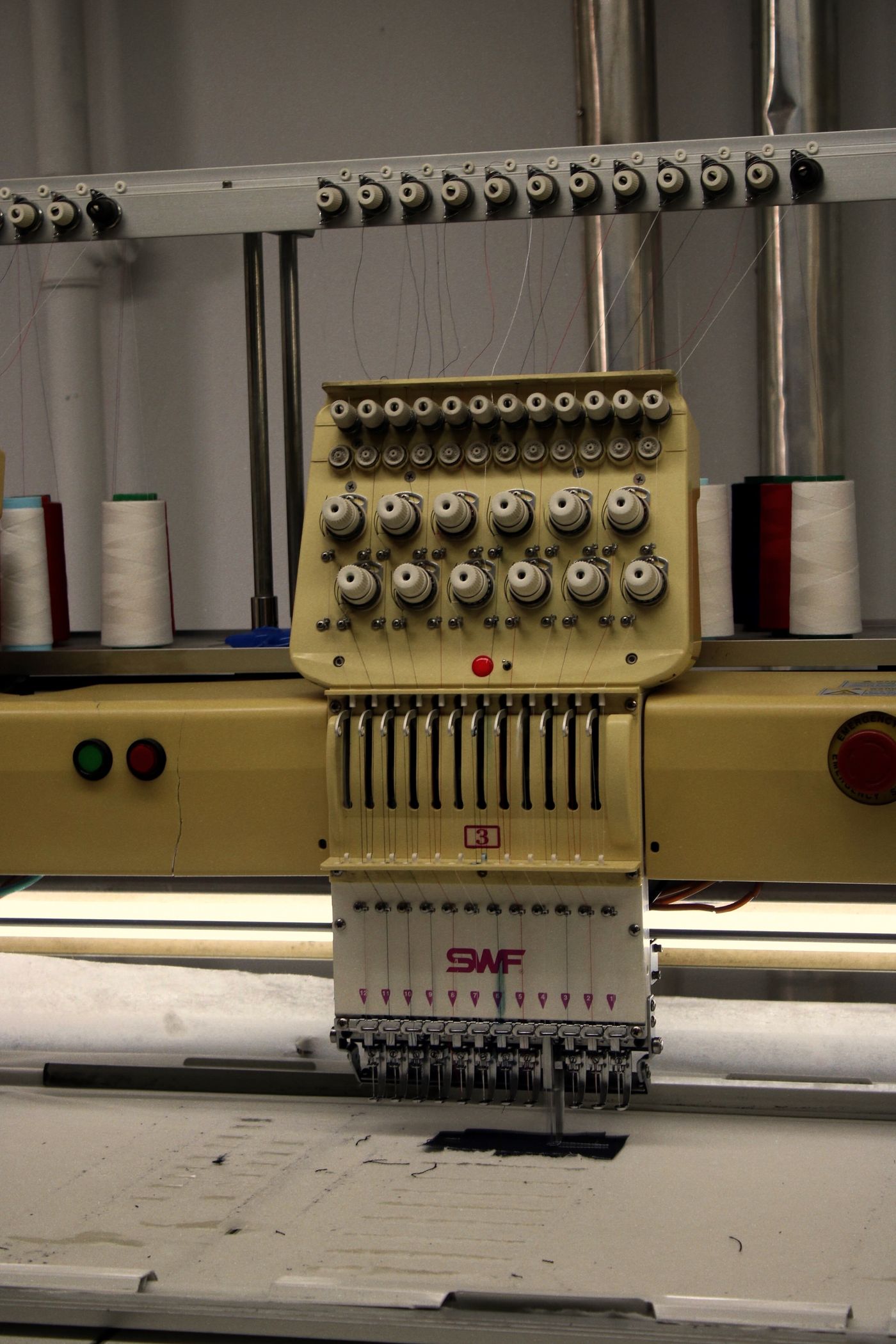
Dense embroidery reduces stretch inside the stitched sweatshirt area. Stabilizing material supports the French terry or fleece during stitching and limits distortion around the embroidered shape.
Record artwork width, height, horizontal distance from center front and vertical distance from the sweatshirt neckline or high shoulder point.
Record artwork width, height and vertical distance from the sweatshirt center-back neck seam.
Record sleeve-decoration position from the sweatshirt shoulder seam or finished cuff edge.
For sweatshirts decorated before garment washing, remeasure artwork position and inspect surrounding fabric distortion after the wash.
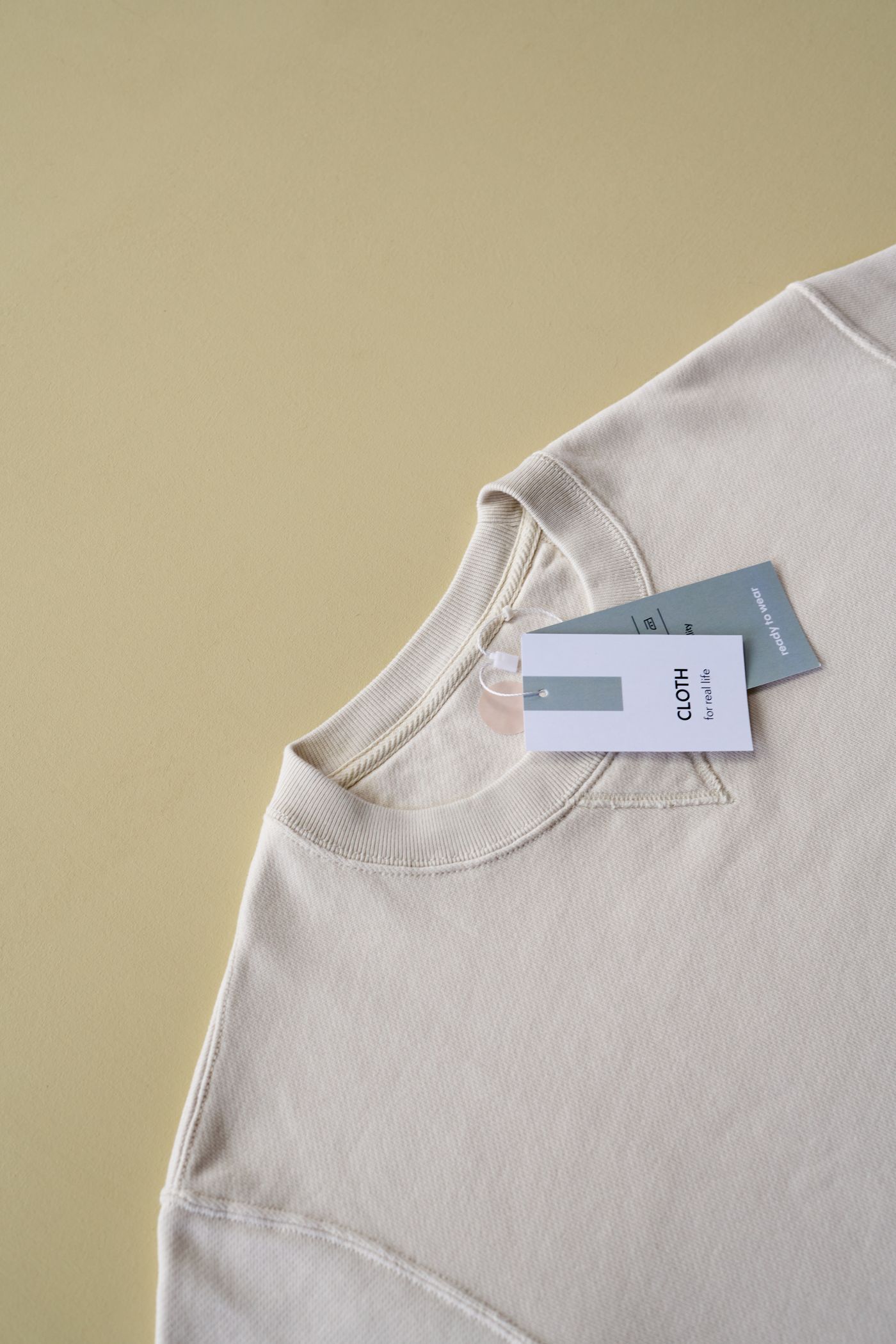
Measure the finished sweatshirt neck opening. Check rib waviness, attachment puckering and recovery after stretching.
Measure sweatshirt shoulder width and record the set-in, drop-shoulder or raglan construction used by the sample.
Measure both sweatshirt sleeves to the finished cuff edge and compare left and right cuff position on the laid-flat garment.
Measure both relaxed cuff openings. Stretch each cuff and record whether the rib returns to its original relaxed opening.
Measure the relaxed lower rib opening and check the sweatshirt waistband for twisting and uneven gathering.
Remeasure chest width, body length, sleeve length, cuff openings and waistband opening after the specified sweatshirt finish.
Measure the actual print or embroidery width, height and distances from the specified sweatshirt reference points.
Set independent grade increments for sweatshirt chest width and body length. The size chart controls each point separately.
Check shoulder width together with sleeve length in every size because both measurements contribute to sweatshirt neck-to-cuff reach.
Grade the finished sweatshirt neck opening from dedicated neck-opening target dimensions for each size.
Grade relaxed cuff and waistband openings from their own finished target measurements for each size.
100% final inspection.
Sample-pull inspection as standard; full inspection is available.
Check finished neck opening, rib waviness, attachment puckering and left-right neckline symmetry.
Compare left and right relaxed cuff openings and check both sweatshirt cuffs for equal attachment and recovery.
Measure the relaxed waistband opening and check the lower sweatshirt rib for twisting and uneven gathering.
Compare left and right sweatshirt sleeve length and cuff position on the same garment.
For washed sweatshirts, measure chest width, body length, sleeve length, cuff openings and waistband opening after finishing.
Measure sweatshirt print or embroidery dimensions and placement from the same reference points used on the sample.
Set label width and sewing position inside the sweatshirt neckline. The label position must leave the neck-rib shape and stretch unchanged.
Use the fiber composition and care instructions for the French terry, fleece and rib used in the production sweatshirt.
Attach the hangtag at the specified sweatshirt seam or label point. Keep the finished neck rib free of hangtag punctures.

Pack the sweatshirt after finishing and final measurement. The packed unit carries the inspected dimensions and final shade.
Stock Match uses the existing sweatshirt pattern, body fabric and construction.
Current stock determines the sweatshirt colors and size range available for the order.
New body measurements, new French terry or fleece, a new color, changed rib construction or a changed sweatshirt wash move the project to a Made to Order quote.
Made to Order develops the sweatshirt pattern around the required chest, body length, shoulder, sleeve, neckline, cuff and waistband measurements.
The production specification fixes the French terry or fleece, rib construction, wash and artwork placement before bulk cutting.
Send the sweatshirt reference and quantity. The first quote can start from a photo, video, sketch or tech pack. For Made to Order, include target sweatshirt measurements, French terry or fleece requirements, rib construction, wash and artwork files when those specifications are available.