Activewear Manufacturing
Activewear production starts with the confirmed pattern, bulk fabric, elastic, trims, finished measurements, sewing construction and size range. Leggings, sports bras, bike shorts, running shorts and training tops move into bulk cutting after the production sample, fabric and construction details are confirmed.
FashionMe’s Stock Match starts at 10 pieces with a published lead time of 7–10 days. Made to Order starts at 50 pieces with a published production lead time of 15–20 days. Made to Order sampling is currently listed at 7–12 days.
Production File
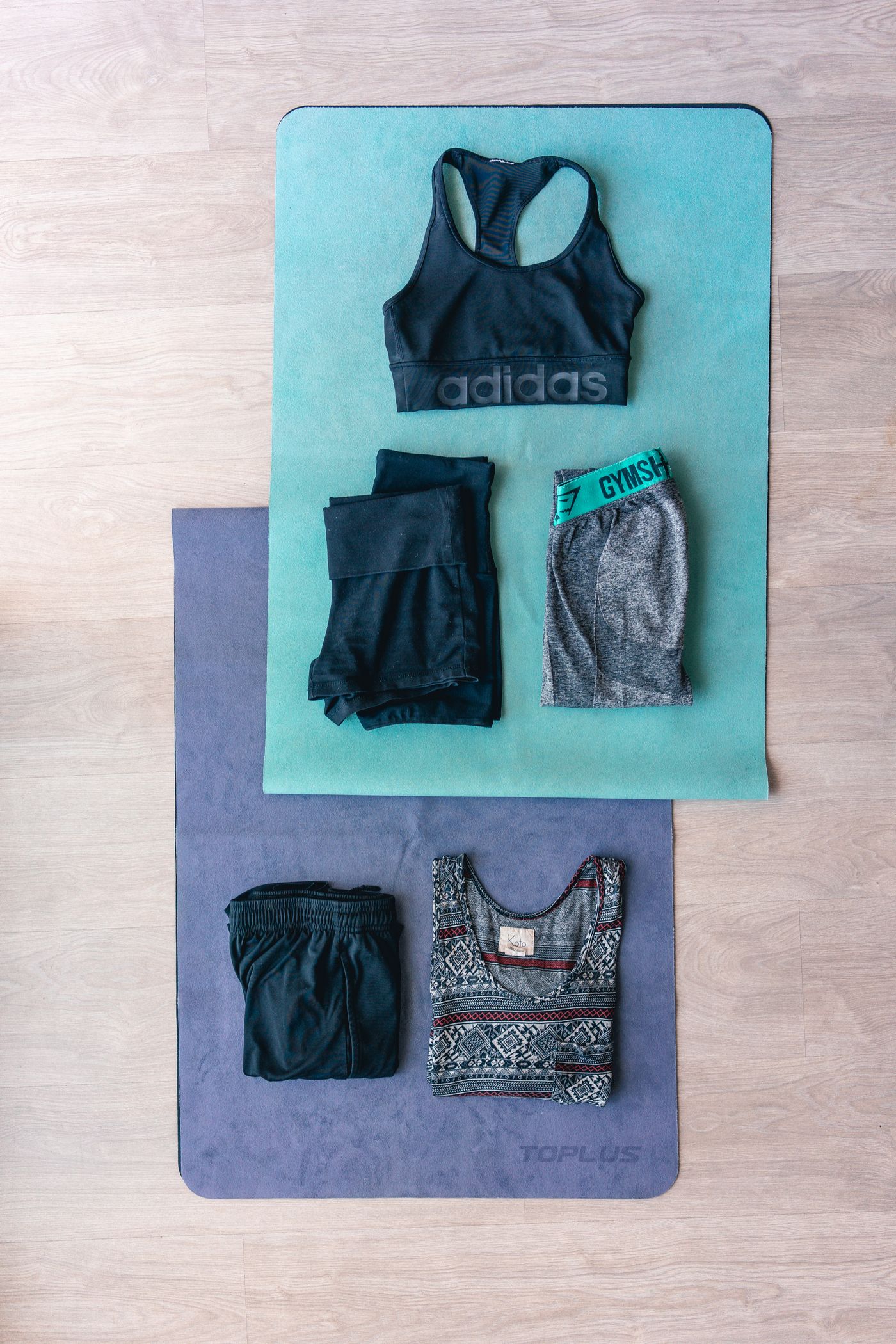
The production file includes the current pattern for every ordered size.
For leggings, the pattern set includes front and back leg panels, gusset, waistband, side panels and pockets where used.
For sports bras, it includes front, back, lining, underband, straps and cup-pocket pieces. Removable cups are listed separately in the BOM.
Two-layer running shorts use separate shell and liner pattern sets.
The BOM identifies the main fabric, lining or mesh, elastic, drawcord, zipper, cups, labels and decoration used on the style.
Finished measurements and their tolerances are recorded with the same pattern version.
Bulk Fabric

Bulk fabric is identified by article, composition, GSM, knit construction, color and stretch direction.
FashionMe currently lists 4-way stretch nylon/spandex, typically 73/27 to 80/20, and moisture-wicking polyester blends among its activewear fabric options.
Production rolls are grouped by fabric lot and shade. Matching tops and bottoms use the assigned lot through cutting and sewing.
Fabric Relaxation and Cutting
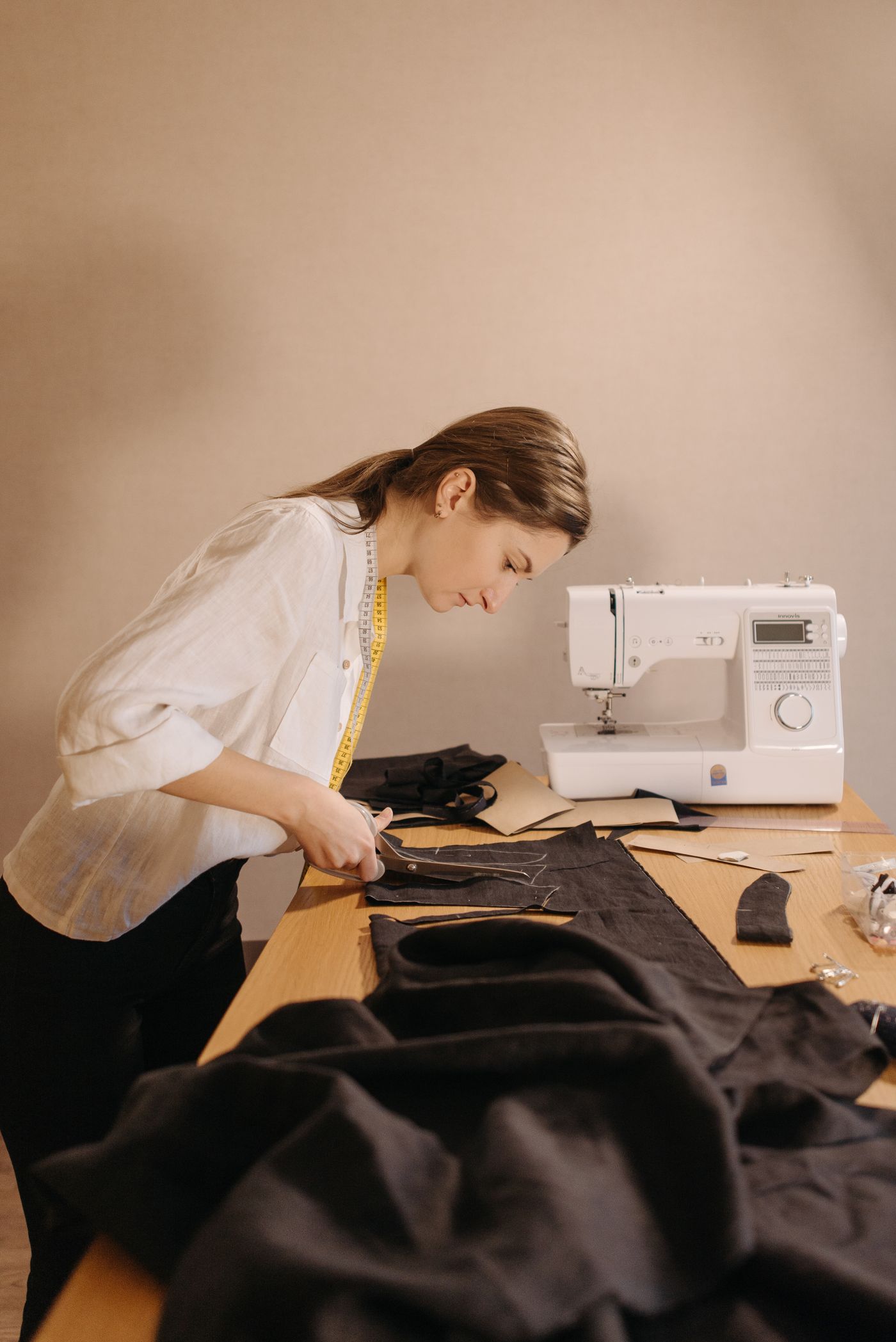
Stretch fabric rests before cutting for the period specified by the production fabric procedure.
During spreading, the fabric lies flat in its relaxed state. The operator keeps the layers free from lengthwise or crosswise stretching.
The marker uses the confirmed size breakdown and current pattern.
Left and right legs, outer and lining pieces, straps, waistbands, shell and liner pieces, pockets and gussets remain separated by size after cutting.
Engineered prints and panel-specific artwork follow the placement marks built into their pattern pieces.
Leggings Production
The legging measurement chart includes waist, hip, front rise, back rise, thigh, inseam, leg opening and finished length.
The gusset is cut as a separate pattern piece when the style uses one.
No-front-seam leggings use a front panel developed without a center-front crotch seam.
Side-pocket leggings include the pocket opening, pocket depth and side-panel construction in the pattern.
Front rise and back rise are measured separately on the finished garment. Inseam and leg-opening measurements are also checked by size.
Gusset Assembly
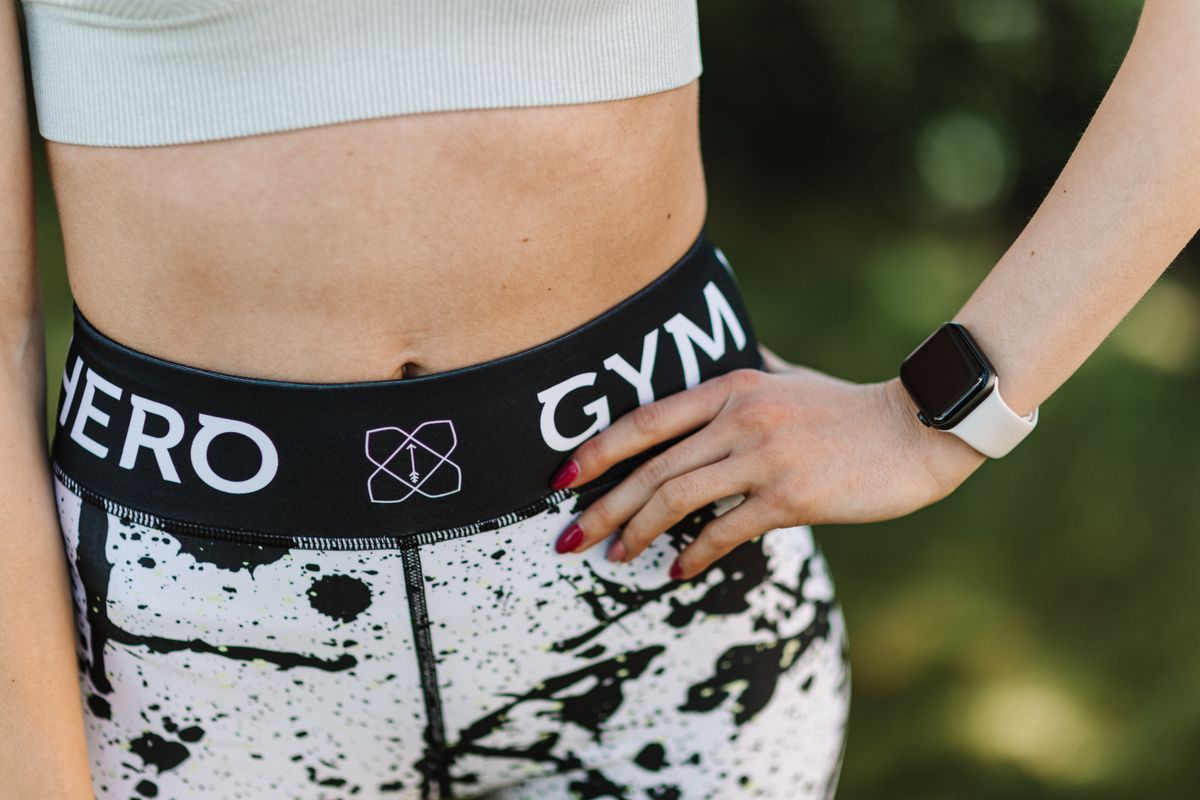
Gusset points are marked on the cut components and matched to the corresponding front, back and inseam positions during sewing.
At the finished crotch, the gusset sits flat and centered.
Both inseams meet the gusset at their specified points, and the stitch line stays continuous through the junction.
The sewing check covers stitch formation, seam flatness, gusset position and the alignment of the left and right inseams.
Waistband Production
The waistband has its own pattern and finished measurements.
A folded-fabric waistband includes enough fabric depth for both finished layers.
For an elasticated waistband, the BOM records elastic article, width and cut length. The sewing specification also records the garment opening the elastic is applied to, so the elastic length and waistband circumference remain paired by size.
Sports Bra Production
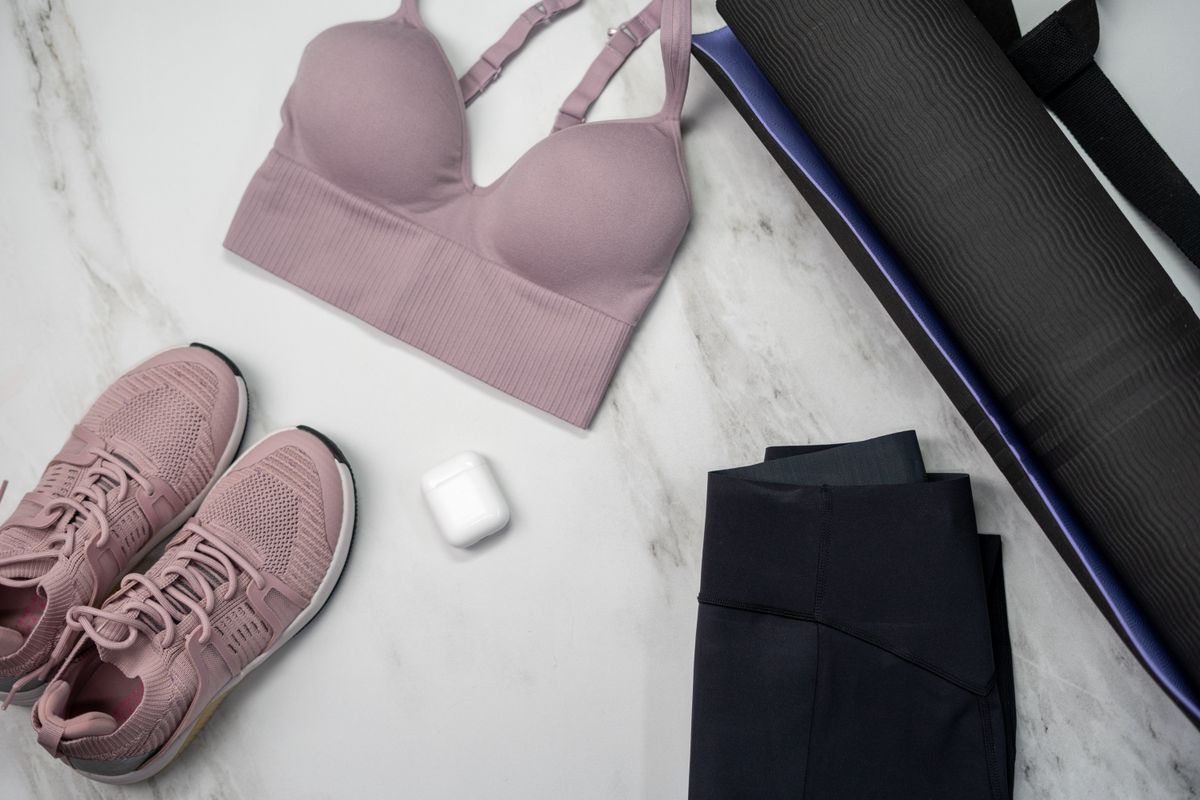
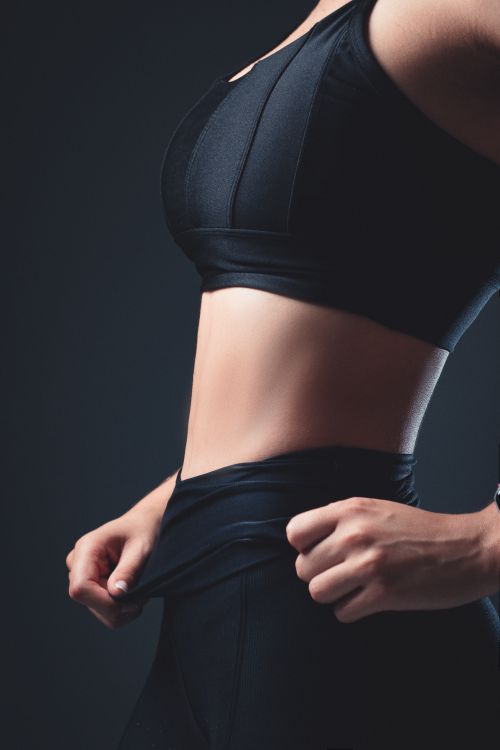
The sports-bra measurement chart covers underband, body width, neckline, armhole and strap length.
Racerback, cross-back and straight-strap styles use their own back and strap patterns.
Lined bras use separate outer and lining pieces. Removable-cup styles include cup pockets, insertion openings and cups.
Elastic width and cut length are specified separately for the underband, neckline and armhole when elastic is used in those areas.
Cross-back straps are attached at the pattern marks for each size.
Adjustable straps add rings, sliders and the required strap lengths to the trim specification.
Running Shorts
Two-layer running shorts use separate shell and liner components.
The shell pattern fixes the outseam, inseam, leg opening and side-split shape.
The liner pattern fixes its own rise, inseam, leg opening and crotch shape.
Waistband construction, elastic, drawcord channel, drawcord openings and cord length are recorded in the sewing and trim specifications.
Shell and liner are assembled separately, then joined at the waistband.
Rear zip pockets are completed with the specified zipper opening and pocket bag before the surrounding panel assembly is finished.
Bike Shorts
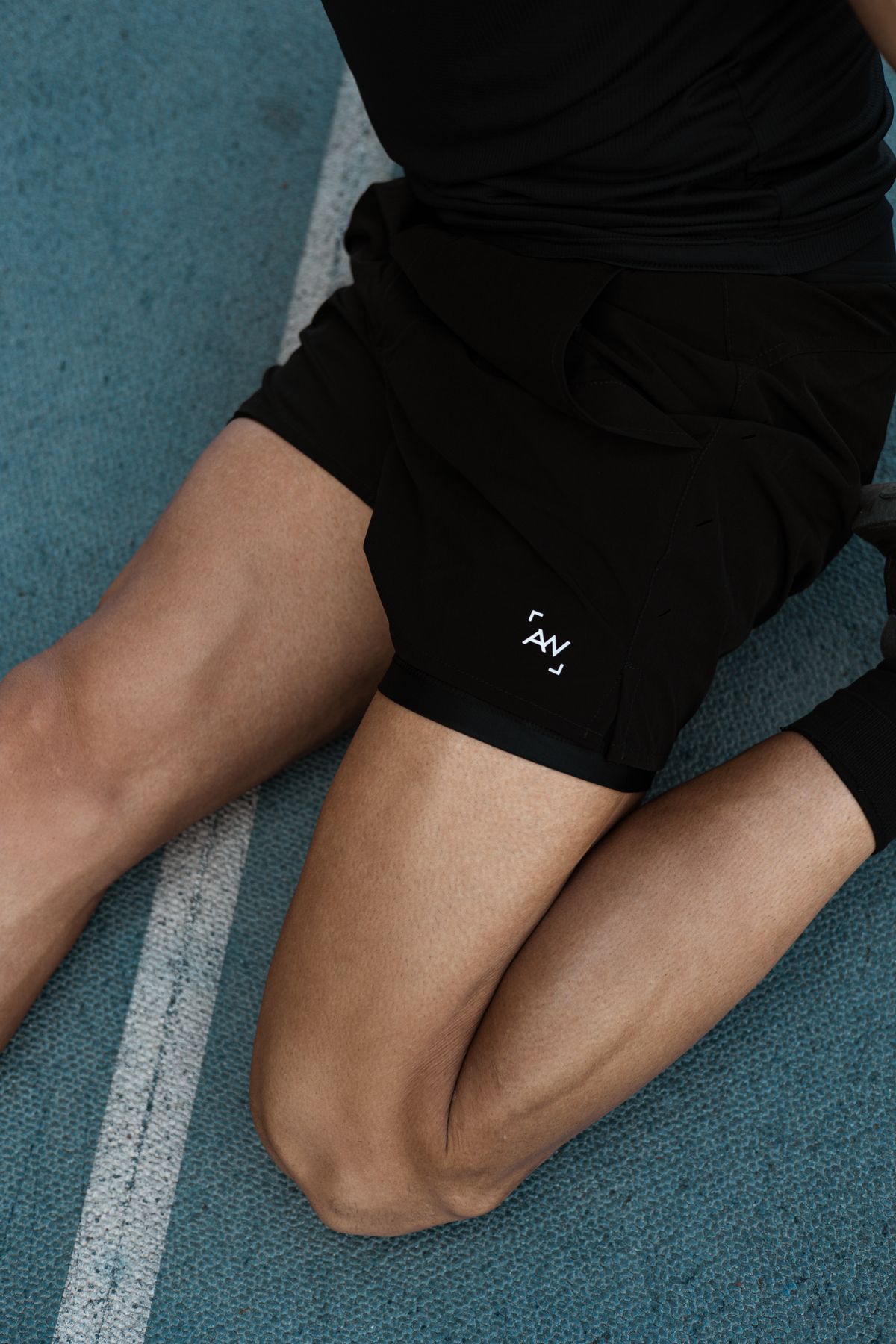
Bike shorts use their own waist, hip, front rise, back rise, thigh, inseam and leg-opening measurements.
Side-pocket versions include the pocket panel in the cut set.
Gussets stay grouped with the correct garment size.
Elastic or gripper used at the leg opening is recorded by article, width, cut length and attachment position.
Left and right leg openings are measured after hemming.
Activewear Seams
The sewing specification assigns a stitch construction to each seam location.
FashionMe currently includes seam recovery in its activewear QC checks.
Elastic Application
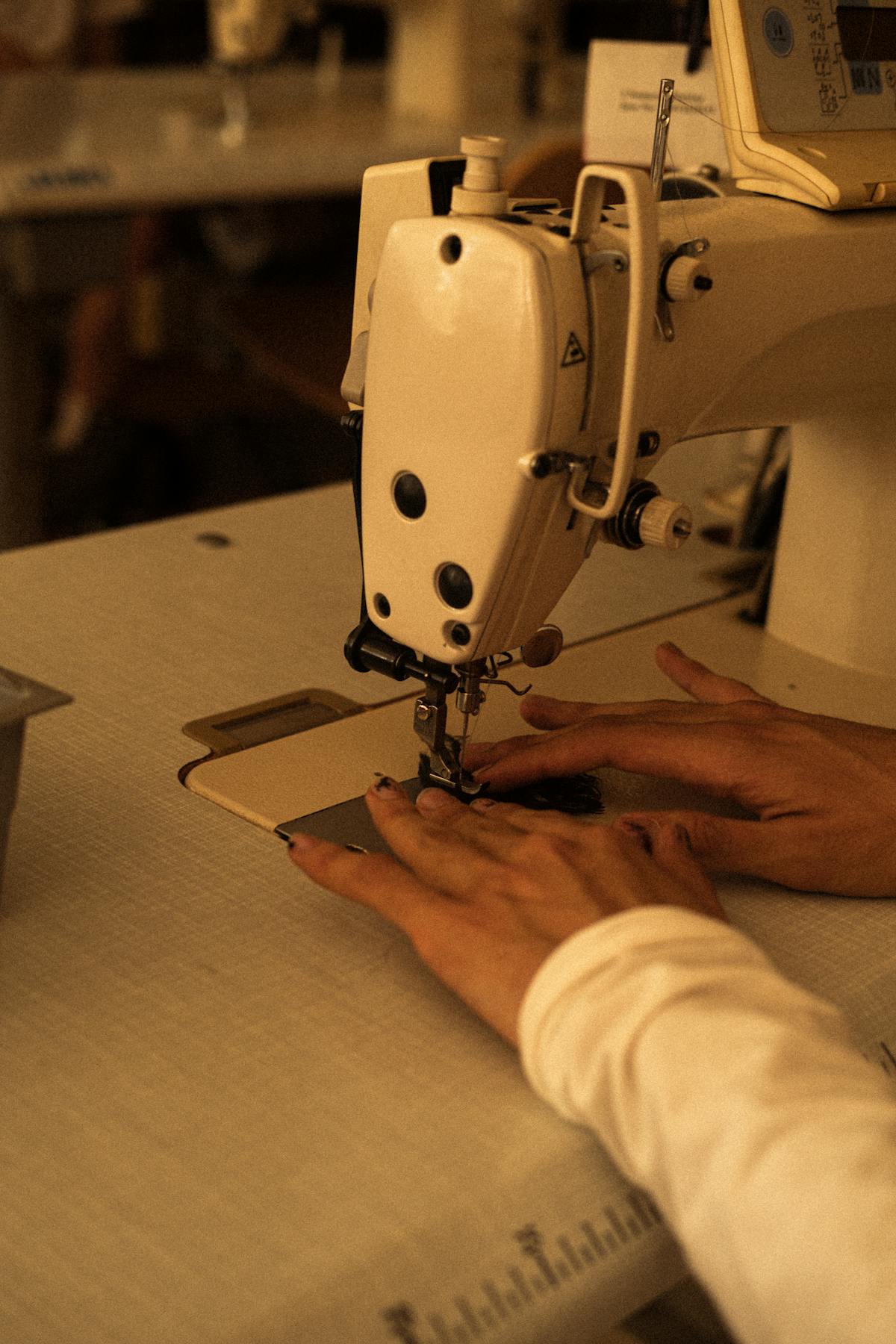
Elastic is issued by article, width and cut length for each size.
Sports-bra underbands, waistbands, selected straps and elasticated leg openings use the elastic specified for their own opening.
The production sheet pairs each elastic cut length with the corresponding garment opening measurement.
After sewing and relaxation, the waistband or underband is checked for finished circumference, even elastic distribution and recovery.
Pockets
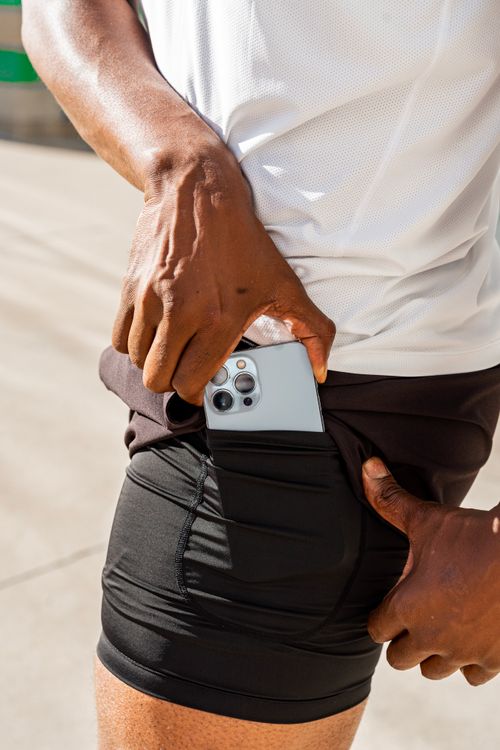
Legging and bike-short phone pockets are cut with their assigned side-panel construction.
The pattern fixes the pocket opening, finished depth and position.
Rear zip pockets on running shorts include zipper length, opening position and pocket-bag dimensions.
Internal key pockets use a fixed attachment point inside the waistband or liner.
Pocket depth and opening are checked before the surrounding garment construction closes access to the pocket bag.
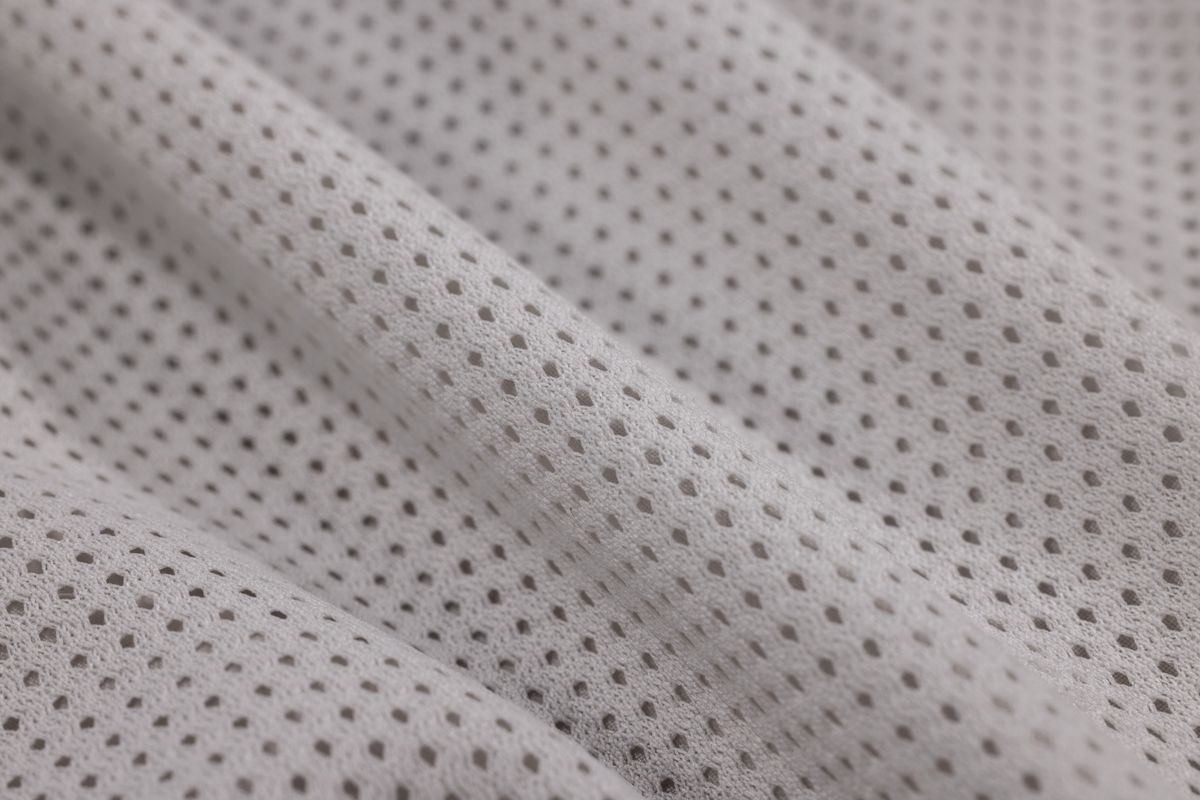
Mesh and Ventilation Panels
Mesh used in sports bras or training tops has its own fabric reference in the BOM.
Each mesh section has a separate pattern piece with a fixed seam line.
During sewing, the mesh edge and main-fabric edge are matched at their pattern marks.
The finished join lies flat and the panel dimensions remain at the measurements established by the production sample.
Printing and Embroidery
Artwork files record finished dimensions, colors and placement measurements.
Legging artwork is positioned from fixed references such as the waistband seam, side seam or leg opening.
Sports-bra artwork is positioned from center front, neckline, underband or side seam.
Artwork crossing two panels has placement references on both pattern pieces.
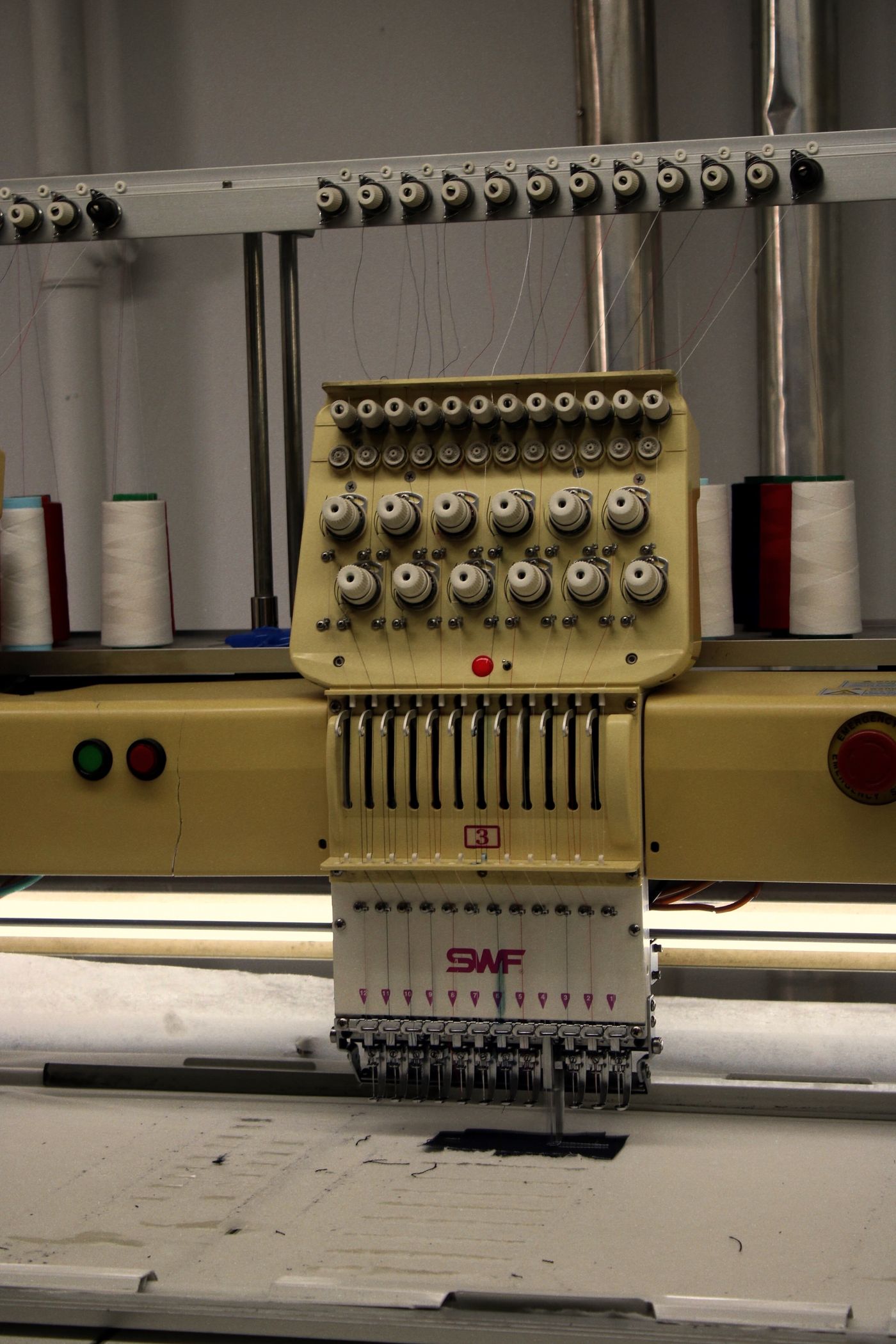
FashionMe currently offers screen printing, DTF, flat embroidery and 3D puff embroidery.
Embroidery on stretch fabric is sampled at the final artwork size on the production fabric. The finished embroidered area is checked again after the fabric is extended and released.
Opacity Under Stretch
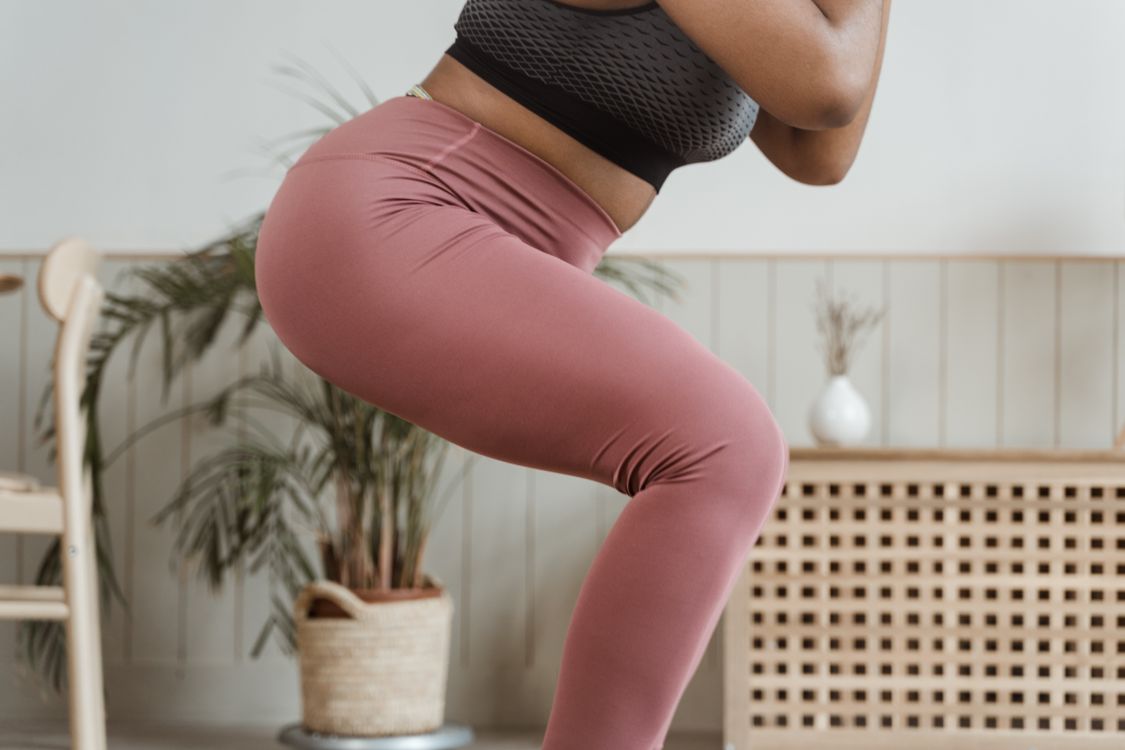
Leggings are checked for opacity on the finished garment at the seat and upper thigh.
The test uses the production fabric and production color at the measurements confirmed for the style.
FashionMe currently lists opacity under stretch as an activewear QC checkpoint and photographs this check during QC.
The checked garment keeps the same fabric article, color and finished measurements used for production.
Matching Activewear Sets
Matching tops and bottoms are assigned to the same production fabric lot where the order uses one common fabric.
Color is compared after both pieces have completed their production finishing.
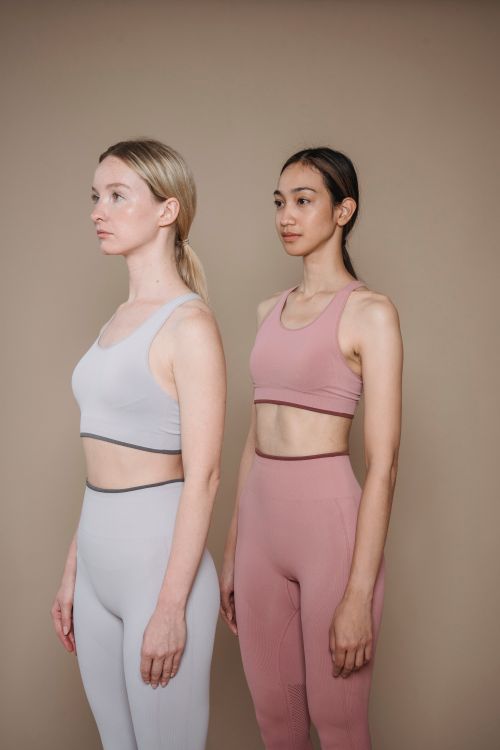
FashionMe currently specifies same-lot matching for Stock Match activewear sets where matching stock is available.
The final packing list keeps the confirmed top, bottom, color and size combination together.
Sweat Colorfastness
FashionMe currently includes colorfastness to sweat among its activewear QC checkpoints.
The production fabric and color are tested to the method and acceptance level written into the individual order specification.
The test record stays with the fabric and color used for that production batch.
Size Grading
Legging grading covers waist, hip, front rise, back rise, thigh, inseam, leg opening and waistband measurements.
Sports-bra grading covers underband, body, neckline, armhole and straps.
Running shorts and bike shorts use their own waist, hip, rise, inseam and leg-opening measurements.
Gussets, pockets, elastic lengths and artwork positions receive the size changes assigned to those components.
Sample Changes Before Bulk Cutting
Changes confirmed on the production sample are entered into the pattern, measurement chart, BOM and sewing specification that they affect.
A waistband-height change updates the waistband pattern and finished measurement.
A pocket-position change updates the corresponding panel pattern.
An elastic change updates its BOM reference and cut length.
A seam-construction change updates the sewing specification before the bulk pieces reach that operation.
Final Activewear Inspection
Finished garments are checked against the confirmed measurement chart and tolerances.
The inspection covers seam condition, elastic recovery, opacity where specified, shade consistency, artwork placement, labels, size identification and packing assignment.
Leggings also receive checks at the waistband, crotch, gusset, inseams and leg openings.
Sports bras receive checks at the underband, straps, neckline, armholes, lining and cup construction.
Running shorts receive checks at the shell-to-liner join, waistband, drawcord, pockets and leg openings.
Zippers, removable cups and other functional components are operated or positioned during inspection.
FashionMe’s Made to Order uses 100% final inspection. Stock Match uses sample-pull inspection as standard, with full inspection available as an additional service.