Low MOQ Clothing Manufacturer
Fashionme uses two production routes for small apparel orders. Stock Match starts at 10 units when a suitable garment already exists. Made to Order starts at 50 units when the product needs its own fit, fabric, color or construction.
- Stock Match MOQ 10
- Made to Order MOQ 50
- 24h quote turnaround
- 120+ audited factories
How Fashionme gets the starting MOQ down to 10 units
Fashionme reaches its lowest starting quantity through Stock Match. The garment body already exists in current production or wholesale stock. The sourcing team looks for a style close to your reference, checks what sizes and colors are available, and quotes the quantity that can actually be secured.
A ten-unit order does not require a new graded pattern, a new fabric lot or a fresh sewing-line setup. That is why the order can stay small.

The available stock sets the first order’s colors and size range.
If the matched style is available in black and navy, those are the colors available through Stock Match. The same applies to the size range. A new Pantone color, altered body length or different pocket construction requires a custom-production quote.
Labels, hang tags and branded packaging can still be added before shipment.
The quote reflects stock that is available when the sourcing check is made. A later reorder depends on whether the same style, color and size range are still available.
Stock Match and Made to Order are quoted differently
When both routes are practical for the garment you send, the quote can show them side by side. Stock Match uses an existing garment. Made to Order develops the product around your own specification.
| Item | Stock Match | Made to Order |
|---|---|---|
| Starting MOQ | 10 units | 50 units |
| Garment body | Existing style from current production or wholesale stock | Pattern and construction developed for the project |
| Fit | Existing production fit | Measurements and grading developed to the approved specification |
| Fabric and color | Limited to available stock | Sourced for the custom program |
| Branding | Labels, hang tags and packaging can be added | Branding can be built into the production specification |
| Current lead time | 7–10 days | 15–20 days for production, with sampling handled separately |
| Standard QC | Sample-pull inspection | 100% final inspection |
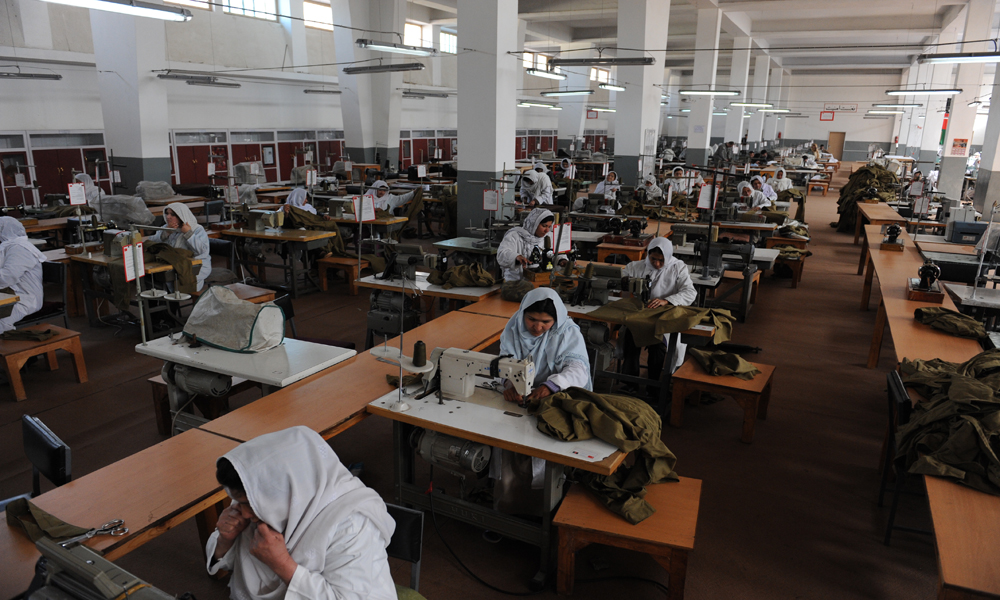
Made to Order begins after the product specification is agreed.
Pattern, measurements, fabric, trims and construction are fixed during development before the bulk run is released. Sampling gives the project a physical reference for fit and construction.
Additional minimums on a custom order
If the fabric needs a new dye lot, the mill minimum applies.
Stock fabric avoids a new dye lot when the required color and quantity are available.
If a custom zipper, button or hardware supplier has a minimum, that minimum applies to the order.
Any excess trim quantity and setup charge should appear in the quote.
If printing, embroidery or washing has a process minimum, that minimum applies separately from sewing.
Artwork, placement and finish determine the setup and process quote.
If MOQ is set per color, each color must meet it.
A 50-piece MOQ per color means 250 pieces across five colors.
Branding can be added to a small Stock Match order

Fashionme offers woven labels, printed labels, hang tags, poly bags, branded boxes and sticker seals. These can be added to a Stock Match garment before shipment.
The matched garment keeps its existing fit and construction. Branding and packaging are quoted as finishing services.
- Woven or printed labels
- Hang tags
- Poly bags and branded boxes
- Sticker seals
Low-MOQ orders can cover more than one apparel category
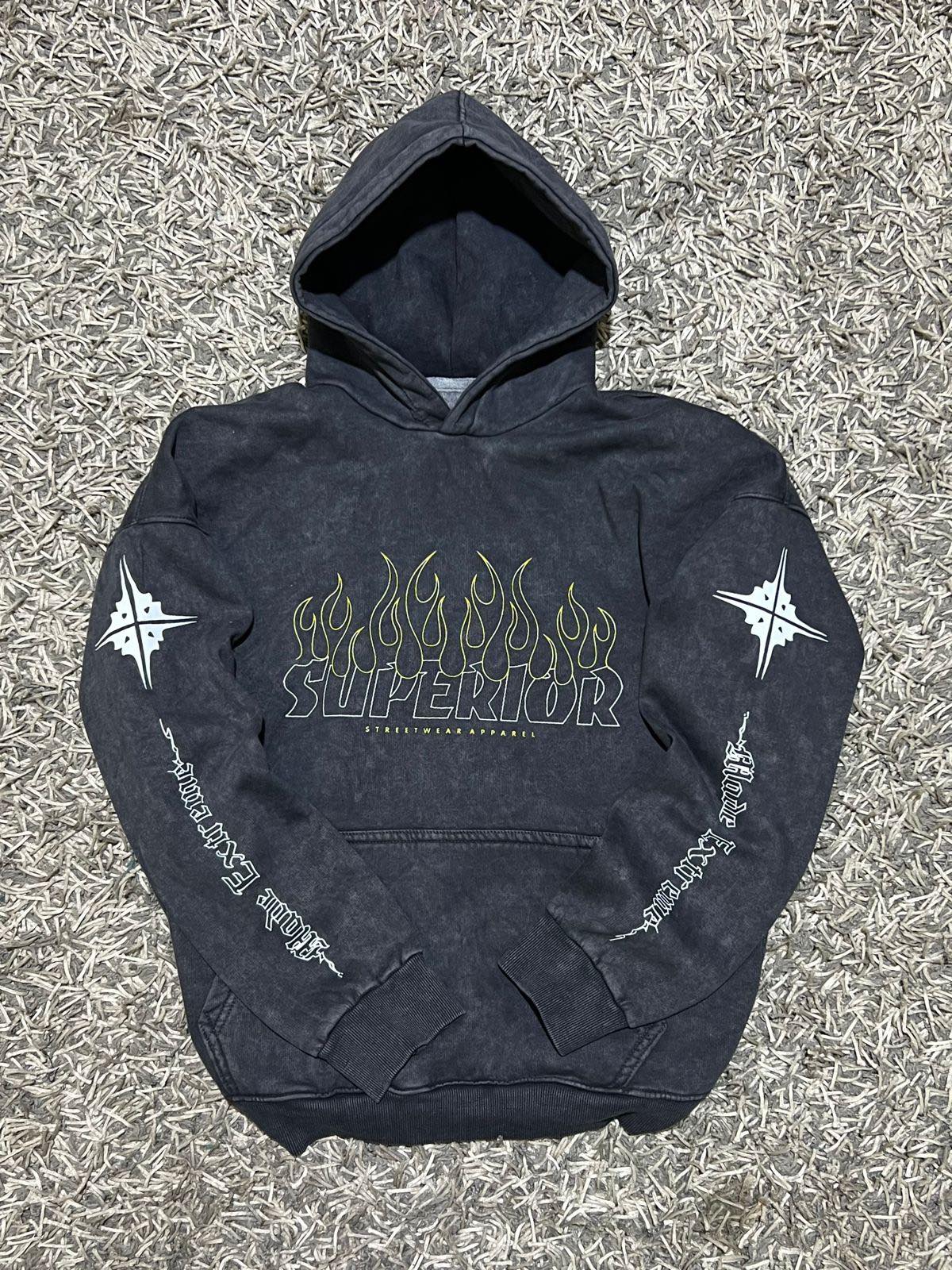
The workable quantity still depends on the exact fabric, construction and finishing used for the product. A simple stock hoodie and a lined custom jacket can sit at very different minimums even when both are sold as low-MOQ programs.


Stock Match and Made to Order use different inspection scopes
Stock Match uses a sample-pull inspection as standard. Full inspection can be added when every unit needs to be checked. Made to Order includes 100% final inspection as standard.

QC photos come from the actual batch.
Made to Order units are checked against the approved project specification before shipment. Stock Match inspection checks the supplied goods against the confirmed order and requested finishing.
The inspection record and QC photos are available for review before shipment is released.
A 150-unit private-label swimwear order
Fashionme’s published swimwear case study records one first-time private-label project. The brand had been buying through a U.S. reseller. Fashionme connected the project with a vetted factory, added woven-label rebranding and branded packaging, and managed the first sample round remotely.
Numbers reported for that project
Private label swimwearThe 31% figure belongs to that specific order and should not be treated as a standard saving for every project.

You can start with a photo, video, sketch or tech pack
A finished tech pack is not required for the first quote. Fashionme checks the reference to see what can be sourced now and what would need to be developed.
If both routes are workable, the quote can show Stock Match and Made to Order side by side with the MOQ, unit price and lead time for each route.

Questions that can change a low-MOQ order
Can one low-MOQ order contain several different styles?
Each style can have its own minimum. Ordering several styles does not automatically let them share one MOQ. Send the full style list with the quote request so Fashionme can show the minimum for each style separately.
Can a 50-unit custom run be split across several colors?
A 50-unit garment order can still face a separate minimum for each fabric color. Stock fabric may allow a smaller color split, while a newly dyed color can carry its own mill or dye-house minimum. The quote should show the required quantity for each color as well as the total order quantity.
Do embroidery, printing, washing or custom hardware create their own minimums?
Yes. The sewing factory may accept the garment quantity while an embroidery shop, printer, wash house or hardware supplier has a different minimum or setup charge. These costs and minimums should be confirmed from the actual artwork, finish or component before bulk production starts.
What happens to fabric or trims left over after a small custom run?
The project record should show what was purchased, what the batch used and what remains. It should also state who owns any usable balance and what happens to it, such as holding it for a reorder, returning it where practical or keeping it as buyer-owned stock.
Who owns the custom pattern after development?
Write pattern ownership into the project terms before development starts. The same applies to graded pattern files, artwork, custom molds and other production assets. The MOQ does not decide who owns those files or whether they can be transferred.
What if a Stock Match style is gone when I come back for a reorder?
Stock availability can change between runs. If the same style is still available, the reorder can use the same source. If it is gone, Fashionme can look for the closest current match or quote a Made to Order version when you need to keep the same fit and construction.
Can I nominate my own fabric, zipper, label or packaging supplier?
Tell Fashionme about any required supplier before the quote is finalized. The production plan then has to include that supplier’s MOQ, delivery date, approval process and shipping destination. A late component can delay the garment order even when the sewing factory is ready.
What should stay fixed when I reorder the same custom style?
Use the last approved version as the reorder reference, including the pattern revision, measurements, fabric, color, trims, artwork, wash or finish and packaging. Record any change that affects fit, appearance or construction as a new revision before bulk production starts.
Send the product you want to source or make.
The quote shows the production route, MOQ, unit price and lead time before you place the order.
Get a Quote