Sportswear Manufacturing
Any sportswear style from leggings to training tops can be ordered in runs as small as 10 pieces if a factory already has it in production. On that route, called Stock Match, you’re billed the factory’s goods invoice and a sourcing service fee. Styles built to your own pattern start at 50 pieces on Made to Order. Pricing there comes in two parts: a pattern and sample development charge and a per-piece production price.
Fabric Specifications for Stretch Sportswear
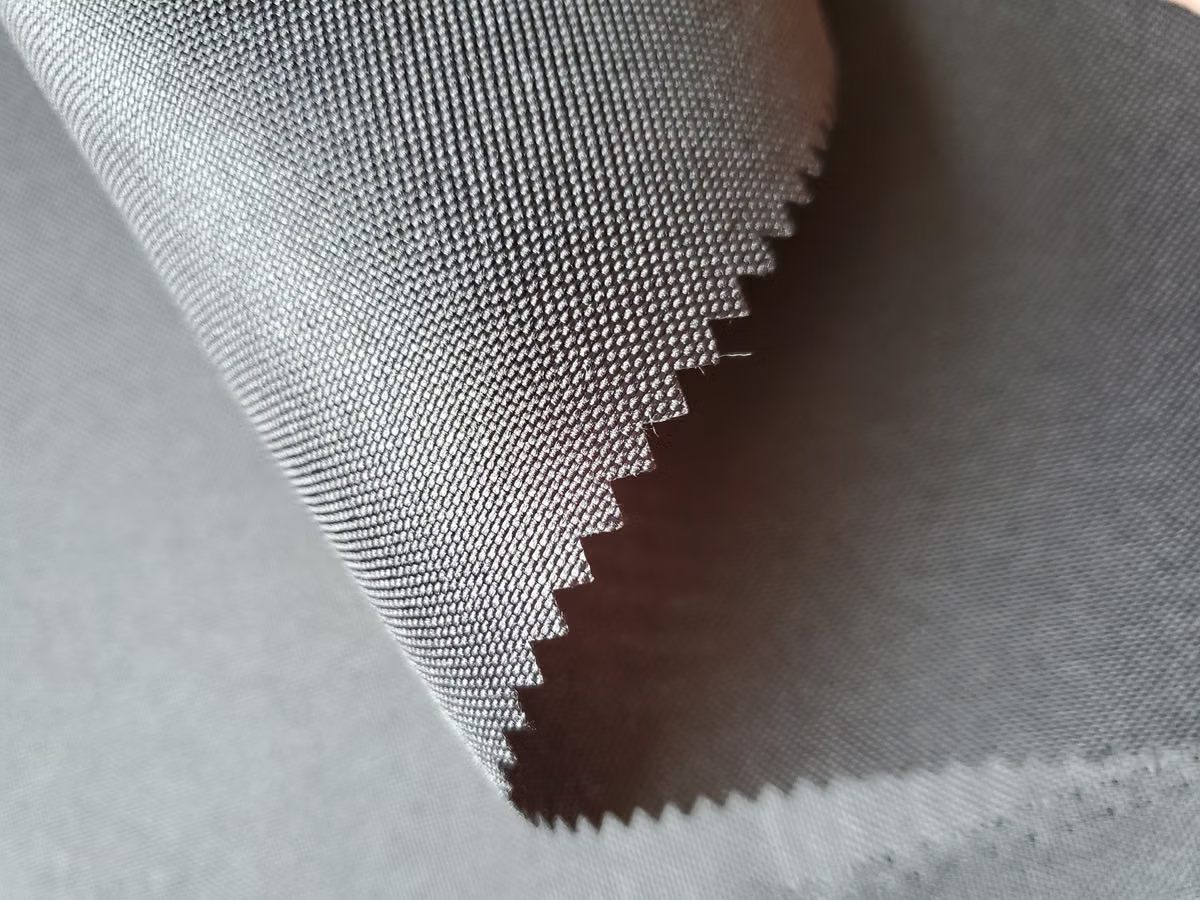
Send these details for every fabric a Made to Order style uses:
- Fiber blend
- Weight in grams per square meter (GSM)
- Knit type
- Stretch direction
- Color and finish
Leggings, bike shorts and fitted sports bras are sampled in the production fabric itself. Their patterns follow its stretch and recovery. A fit approved in a stand-in fabric can come out tighter or looser in bulk.
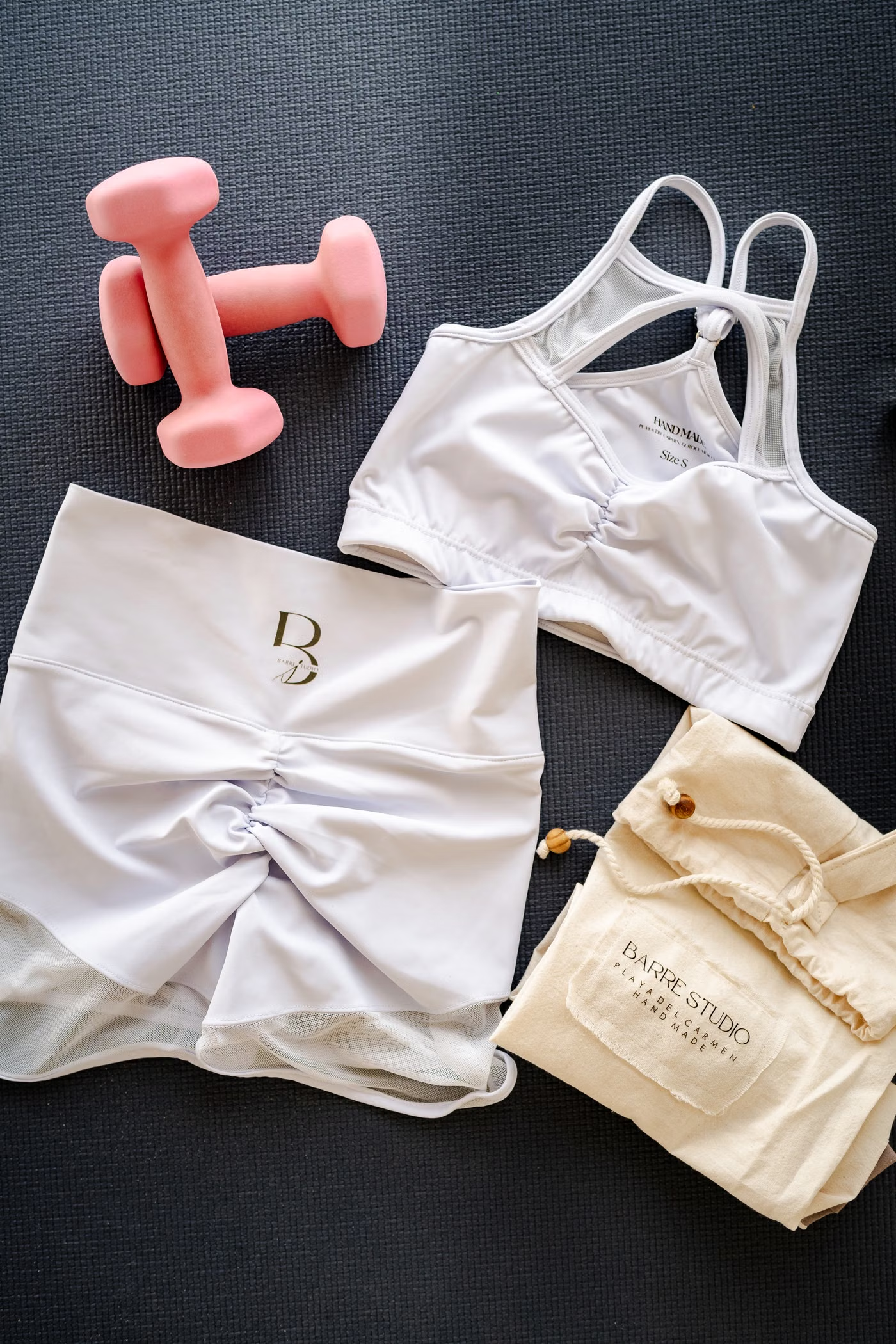
When the top and bottom of a set share one fabric, FashionMe assigns them to the same production fabric lot. Stock Match sets come from one lot only when matching stock is available.
| Promise | Test or check | Covered by |
|---|---|---|
| Color holds up to sweat | The method on your order, such as ISO 105-E04 (colorfastness to perspiration) | FashionMe’s activewear QC, to your pass grade |
| Leggings stay opaque when stretched | Opacity check under stretch at the seat and upper thigh of the finished garment | FashionMe’s activewear QC |
| Waistband keeps its stretch | Waistband elasticity check | FashionMe’s activewear QC |
| Seams spring back | Seam recovery check | FashionMe’s activewear QC |
| Moisture-wicking | AATCC TM195 (how a fabric takes in and spreads liquid moisture) | A lab test you ask for in your quote |
| Pilling resistance | ISO 12945-2 (a modified Martindale test for the small fuzz balls that form where thighs rub) | A lab test you ask for in your quote |
Write the pass grade you’ll accept next to any test method you put in the order.
Leggings: Pattern, Gusset and Side Pockets
- Center-front crotch seam or none: dropping it changes the front pattern piece
- Side pockets: drafted into the side-panel pattern
- Gusset, if you want one: a diamond or triangle of fabric at the crotch, cut as a separate piece
- Waist
- Hip
- Front rise
- Back rise
- Thigh
- Inseam
- Leg opening
- Waistband height
Give those eight measurements and their plus-or-minus tolerances for every size you plan to sell. Any side pocket’s opening width, depth and position go on the same chart.
Sports Bra Underbands, Straps and Cups
- Pattern
- Underband
- Neckline and armholes
- Front and back body
- Strap points
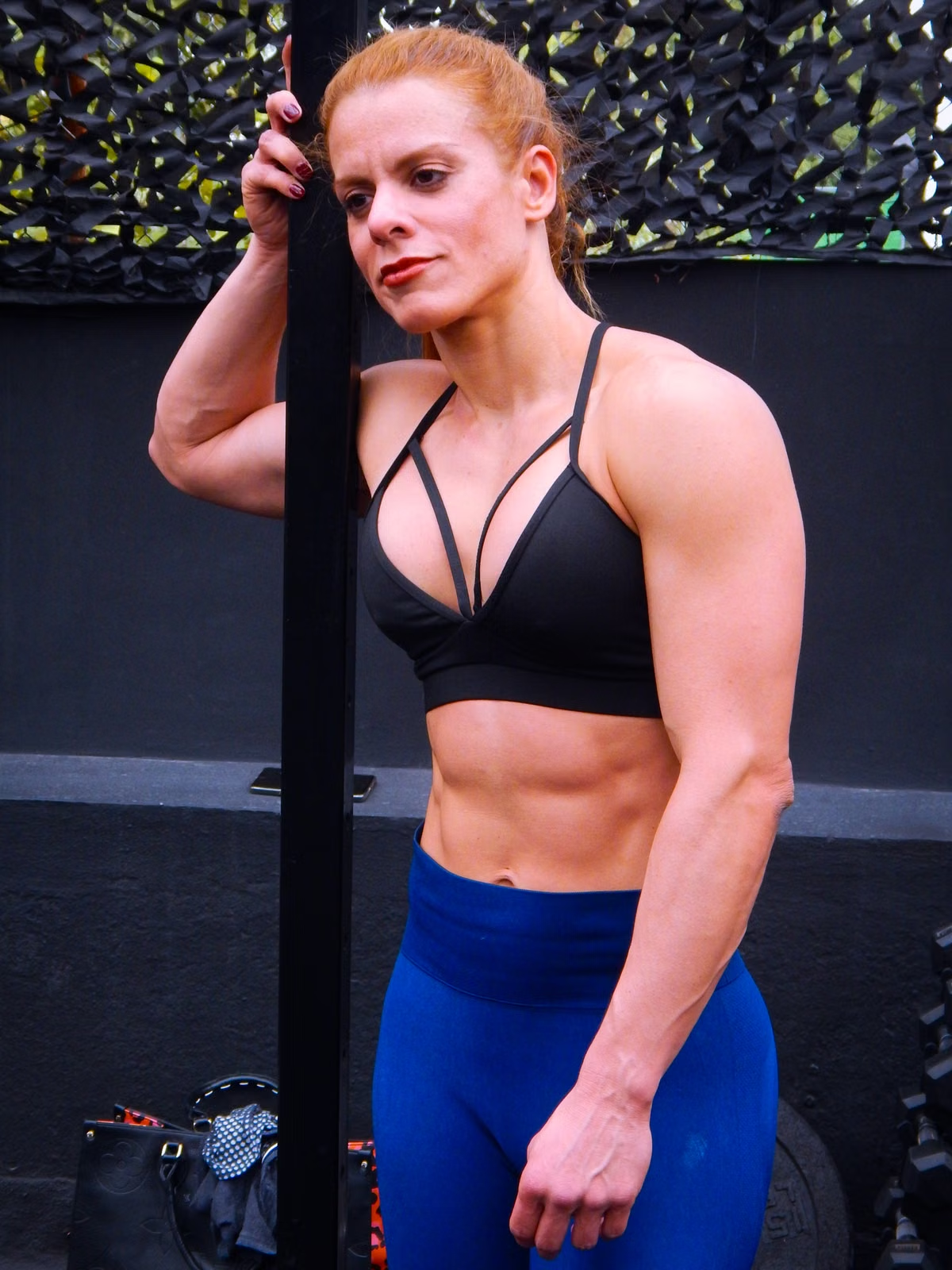
On a racerback or a cross-back, the back pattern and the strap points change. Give the finished length of cross-back straps and mark where they’re sewn down.
- Lining and cups
The pattern maker drafts a second set of pieces for the lining under a bra’s outer fabric. Removable cups slide into a pocket in the lining through an opening and are listed on the bill of materials (BOM) as a separate component.
- Elastic
Spec underband and strap elastic by width and cut length. If the band rides up when the wearer raises their arms, write that in your sample comments for the factory to correct in the next round.
Two-Layer Running Shorts: Shell and Liner
Measure the shell and the liner of a two-layer running short as two garments. They’re sewn separately and joined only at the waistband seam.
- Shell outseam
- Shell inseam
- Shell leg opening
- Side-split height
- Waistband seam
- Liner inseam
- Liner leg opening
- Liner crotch shape
- Waistband height
- Where the cord exits
- Cord length
- How the cord ends are finished
Bike Short Leg Openings and Gussets
Your bike short’s size chart uses the same points as your legging chart, from the waist down to the leg opening. The difference is a much shorter inseam and a leg opening measured where the short ends.
- Side pocket: a separate pocket panel, or part of the side panel
- Gusset: optional, one more cut piece in the pattern set
- Leg opening: gripper tape or elastic, a trim line on the BOM
Training Tops: Sleeves, Armholes and Mesh Panels
With a raglan sleeve, the pattern maker redrafts the front, back and sleeve to meet along a diagonal seam from the underarm to the neckline. The body pattern then has no shaped armhole for a set-in sleeve. A sleeveless top’s armhole finish has to be in your spec before bulk sewing starts.
Mesh side panels on a jersey training top are drafted as separate pattern pieces with set dimensions and seam positions. List the mesh as a second fabric on the BOM and in your tech pack.
Overlock, Coverstitch and Flatlock Seams
Pick one of these three stitch types for every seam in your sewing spec:
- Overlock: joins stretch-knit panels and finishes the raw edges in one pass
- Coverstitch: finishes hems and some stretch openings
- Flatlock: makes a low-profile seam across panel edges
Needle loops on the underside of coverstitch and flatlock seams raise the chance of a seam feeling harsh against skin. Four-needle flatlocks leave four of them. These seams can stay rough to the touch even when the looper thread is the softest available.
Adjusting the tension until the needle thread beds into the fabric smooths the underside. Have the seam’s stretch checked afterward. Test a sample seam yourself by running a fingernail along it: a seam whose needle thread has bedded in makes no sound.
Your sample is sewn in the thread from your spec. Before bulk sewing starts, the stretch seams on that sample have to pass a check for skipped stitches, broken thread and seam separation.
Waistband Construction for Leggings and Shorts
Add the waistband’s finished circumference to your legging size chart. Folded waistbands are cut as one deep pattern piece that forms the outer and inner faces.
Waistband elastic goes on the BOM by width and cut length. An enclosed drawcord on running shorts passes through a channel in the waistband and comes out at openings cut into it.
Show any hidden key pocket on the sketch for your first sample. Its opening and small pocket bag become part of the waistband pattern.
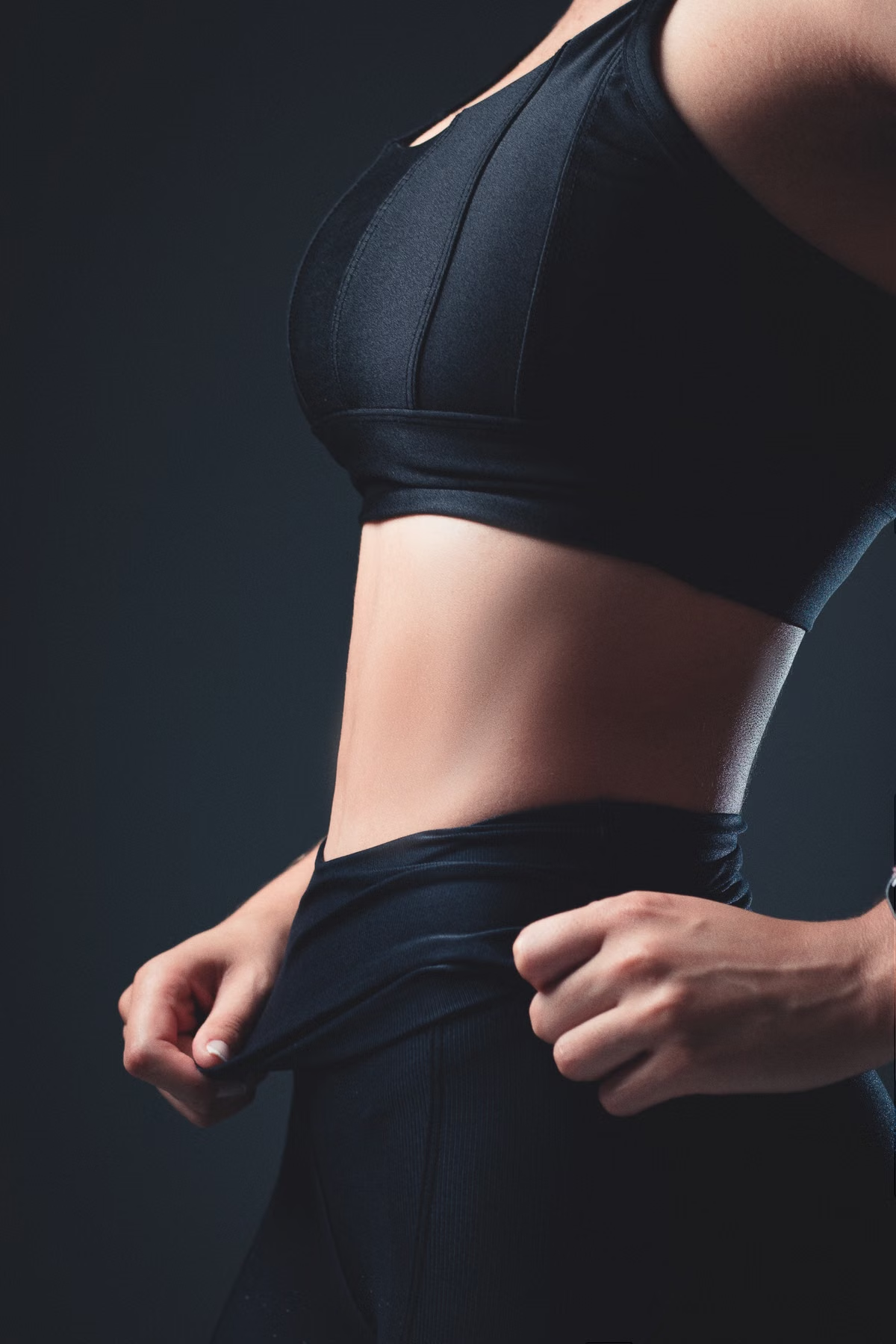
Pockets for Leggings and Running Shorts
The factory tries a phone in the pocket of your legging or shorts sample before bulk cutting. The opening or the pocket is resized if the phone slides around or drags the panel out of shape.
For a rear zip pocket on running shorts, give three numbers in your spec: the zipper opening, the zipper length and the pocket bag size. The shorts’ key pocket can sit inside the liner or in the waistband.
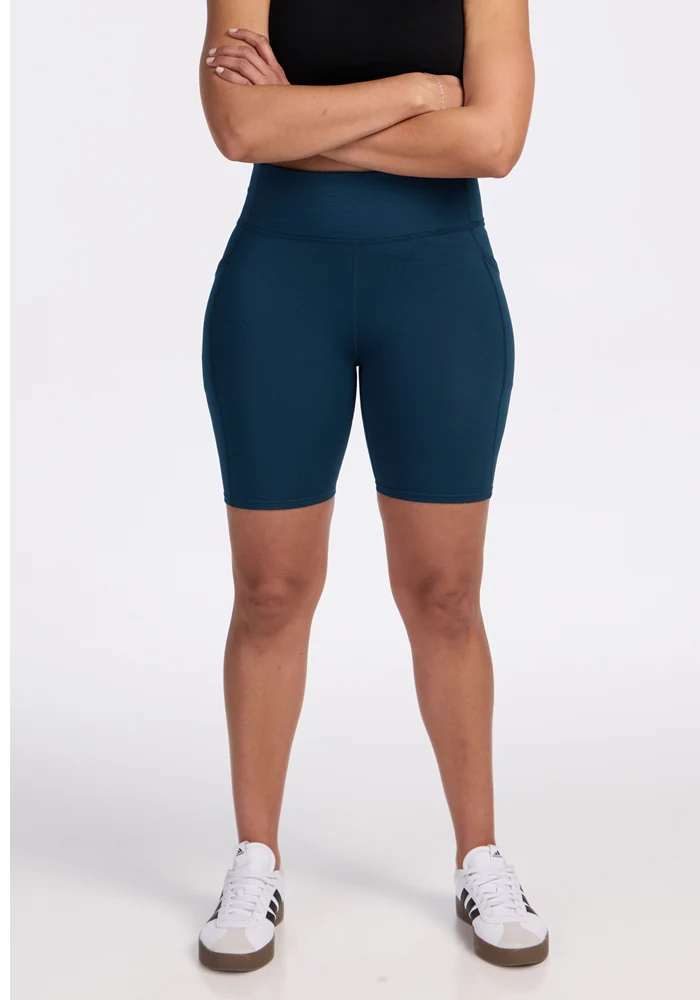
Print Artwork and Logo Placement
FashionMe decorates sportswear with screen or direct-to-film (DTF) printing and flat or 3D puff embroidery. Print and embroidery processes can have minimums that apply apart from the garment’s minimum order quantity (MOQ). Get those confirmed from your actual artwork. For a run like 50 leggings with a hip logo, send the logo file with your quote request.
Size the artwork as it will print and give its position as a distance from a fixed point on the garment, such as a legging’s waistband seam, side seam or leg opening.
- Logo next to a pocket: placed once the pocket seam is fixed
- Artwork across two panels: measured on the two pattern pieces it crosses
- Matching activewear set: separate placement specs for the top and the bottom
Embroidery on Stretch Fabric
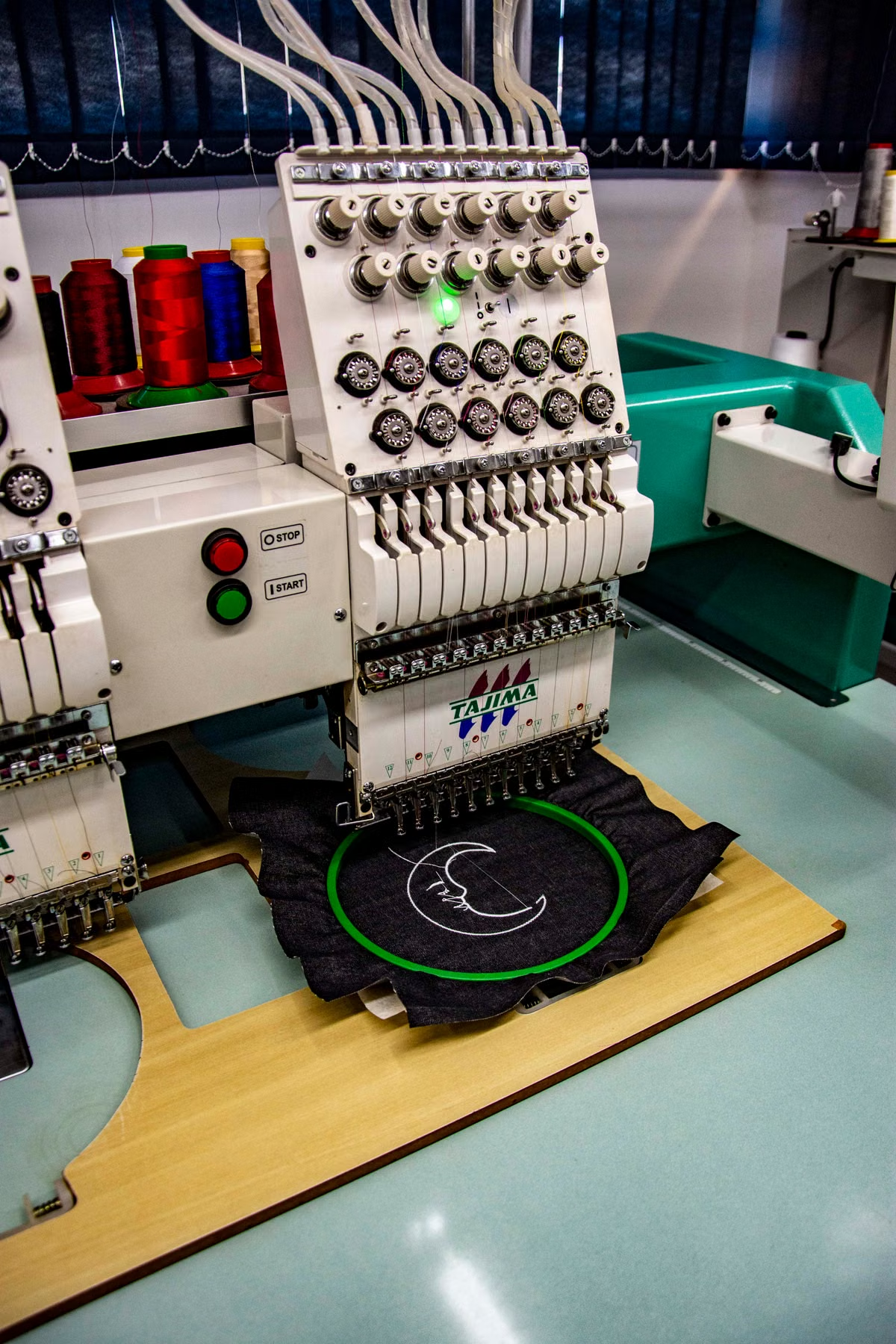
The embroidery sample is made at full artwork size on the production fabric. Judge from that sample how much the dense stitching takes the stretch out of the fabric under it.
- Finished size
- Thread colors
- Position on the garment
- Flat or 3D puff (puff needs artwork prepared for the raised stitch)
Size Grading by Garment Type
Made to Order includes pattern development and size grading of your production pattern into every size you order. These points on your confirmed chart step up or down between sizes:
- Leggings
Waist, hip, rise, thigh and inseam
- Sports bras
Underband, body, neckline, armholes and straps
- Training tops and jackets
The points on the garment measurement chart for that style
Once the grading is done, you can ask for a size set: three samples per size, made in the bulk fabric and finishes, for you to approve before production starts.
Checking the Sample Before Bulk
| Check | What to look for |
|---|---|
| Leggings | |
| Fit | The eight measurements on your size chart |
| Opacity | Seat and upper thigh in a deep squat |
| Crotch | The gusset, or the crotch seam if there isn’t one |
| Where it sits on the leg | |
| Seams | No popped or skipped stitches when pulled |
| Sports bras | |
| Fit | Underband at full stretch, measured against your chart |
| Neckline and armholes | How they sit once the bra is on |
| Straps | Where they attach and how they sit |
| Lining and cups | The cup pocket and its opening |
| Elastic | Placement in the underband and straps |
| Two-layer running shorts | |
| Fit | Shell and liner, measured separately |
| Side split | Height against the shell pattern |
| Waistband | The drawcord and the pockets |
| Training tops | |
| Fit | Chest and body length |
| Shoulder | The shoulder seam or raglan line |
| Openings | Sleeve or armhole, then the hem |
Ask FashionMe to put the time and cost of an extra sampling round in your quote and to say whether a size set is included. Brands sample a style 5–7 times on average before the bulk run.
Count on 22–32 factory days for a Made to Order style approved on its first sample. That’s 7–12 days of sampling, then 15–20 of production. Further rounds, time in transit and the days you take to review the sample add to that total.
Stock Match or Made to Order
| Stock Match | Made to Order | |
|---|---|---|
| Starting quantity | 10 pieces | 50 pieces |
| Lead time | 7–10 days | 15–20 days after sample approval |
| Pattern | The factory’s existing pattern | Your pattern |
| Fabric and color | The factory’s existing fabric and colors | Specified for your order |
| Size range | Available stock sizes | Your confirmed size chart |
| Build | Same as the factory’s version | To your spec |
- A new legging pattern or sports bra construction
- An added liner or gusset
- A different waistband or panel layout
- A performance fabric you specify
Five legging styles at 10 pieces apiece don’t make a 50-piece Made to Order run unless FashionMe agrees to let them share one minimum order quantity. One legging in five colors comes to 250 pieces when the minimum is 50 per color.
Relabeling and branded packaging are part of Made to Order and priced per unit on Stock Match. The Stock Match sourcing service fee is a percentage of the factory’s goods invoice.
| Goods invoice | Fee |
|---|---|
| Under $5,000 | 12% |
| $5,000–$20,000 | 9% |
| $20,000–$50,000 | 7% |
| $50,000+ | 5%, custom quote |
| Add-on | Per unit |
|---|---|
| Label re-branding, woven or printed (MOQ 50 units per style) | $0.35 |
| Custom hang tags | $0.25 |
| Branded polybags, mailers or boxes | $0.45 |
| 100% full inspection | $0.18 |
The 12% fee on a $3,000 goods invoice is $360. Label re-branding has a 50-unit minimum per style. Thirty pairs of one legging style fall 20 short of it.
Freight and duties on Stock Match are charged separately at cost. Ask FashionMe whether your Made to Order quote includes them.
Under the FTC’s textile rules for US labels (16 CFR Part 303), a fiber under 5% of the weight is normally listed as “other fiber.” It can still go by its generic name if it has a definite function at that amount. Spandex added for stretch qualifies: “96% Acetate 4% Spandex” is a valid fiber line.
The three required disclosures can share one label or sit on separate ones:
- Generic fiber names with their percentage by weight, largest first
- Country of origin, on the label’s front
- Your company name or your RN (Registered Identification Number), on the front, or on the back of a label attached at one end only
The company name can be a brand name only when that is the full name your company does business under. Whoever substitutes a label must keep records of the removed label’s information and of the company it got the goods from. That duty lasts three years. When FashionMe relabels Stock Match goods for you, settle whose name or RN appears on them and who holds the records.
Under the FTC’s Care Labeling Rule (16 CFR Part 423), a garment sold in the US needs a permanently attached care label that stays readable for its useful life and gives:
- A washing instruction (by hand or machine) or a dry-cleaning one
- A water temperature if regular hot-water washing would harm it
- A drying method (machine or other) and a temperature if regular high heat in a dryer would harm it
- “Only non-chlorine bleach, when needed” if regular chlorine bleaching would harm it but non-chlorine bleach wouldn’t
- “No bleach” or “Do not bleach” if all commercially available bleaches would harm it with regular use
- Ironing directions if it needs regular ironing
The care instructions and warnings on the label have to be backed by reliable evidence.
Final Inspection for Sportswear
During Made to Order’s 100% final inspection, inspectors measure the finished garments against the size chart you signed off on and the plus-or-minus tolerances recorded with it.
- Leggings: waistband, gusset, panels and pockets
- Sports bras: strap placement, lining and cups
- Two-layer running shorts: shell-to-liner join, waistband and pockets
Inspectors then test any zippers and compare print and embroidery placement with your spec.
Without the full-inspection add-on, a Stock Match order passes or fails on a sample pulled under ISO 2859-1 at General Inspection Level II. The acceptance quality limit (AQL) for major defects is 2.5. Minor defects are held to a looser 4.0.
| Order quantity | AQL 2.5 for major defects | AQL 4.0 for minor defects | ||
|---|---|---|---|---|
| Pieces pulled | Defects allowed | Pieces pulled | Defects allowed | |
| 10–25 | 5 | 0 | 3 | 0 |
| 26–50 | 5 | 0 | 13 | 1 |
| 51–90 | 20 | 1 | 13 | 1 |
| 91–150 | 20 | 1 | 20 | 2 |
| 151–280 | 32 | 2 | 32 | 3 |
| 281–500 | 50 | 3 | 50 | 5 |
| 501–1,200 | 80 | 5 | 80 | 7 |
| 1,201–3,200 | 125 | 7 | 125 | 10 |
| 3,201–10,000 | 200 | 10 | 200 | 14 |
The inspector pulls 50 pairs from an order of 300 leggings. The lot passes as long as those 50 hold no more than 3 major and 5 minor defects.
Before you order, settle with FashionMe what happens to a Stock Match lot that fails its pull and who pays for any re-inspection after rework. A third-party inspector you book yourself can check the goods at the factory for a fee you cover.
Send the sportswear style you want to source or develop.
Quotes for Stock Match and Made to Order arrive within 24 hours of your request. You can start from a photo, sketch or tech pack of the style, or from the measurements of a garment you already have. Add quantities by style and color and say which of these are already decided:
- Fabric and pattern
- Waistband and pockets
- Print or embroidery