Existing style
Stock Match
MOQ 10
7–10 days
7–10 days
Used when an existing T-shirt style is suitable for the required product.
Private Label T-Shirts →T-Shirt Manufacturing
FashionMe supports T-shirt production for clothing brands using existing styles or made-to-order specifications.
Projects can include fit development, fabric selection, collar construction, printing, garment finishing and preparation for bulk production.
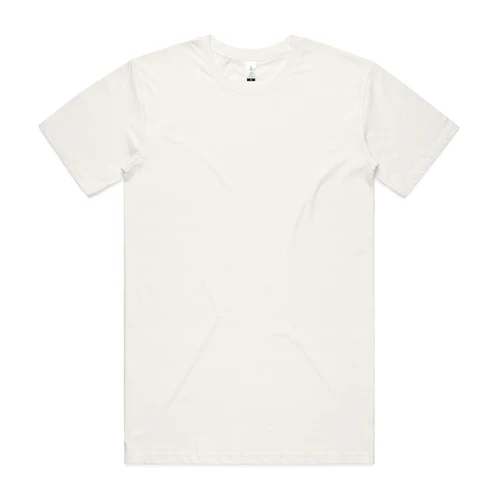
01 Base Garment
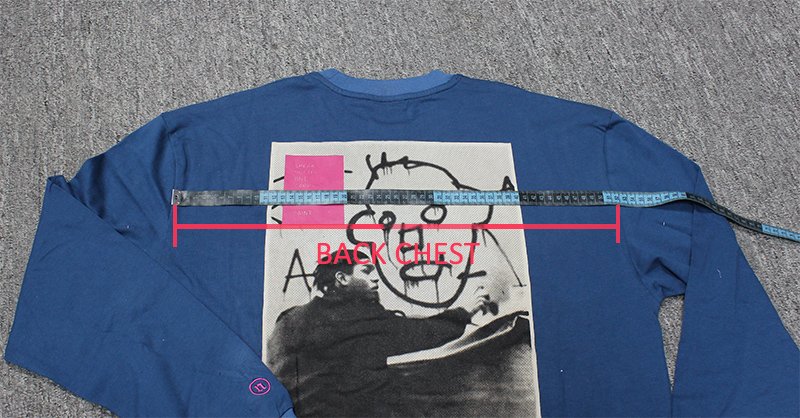
The first step in a made-to-order T-shirt is to confirm the basic garment measurements. These normally include chest width, shoulder width, body length and sleeve dimensions.
These measurements can be taken from an existing sample or developed from a measurement chart. If a reference photograph is being used, the proportions still need to be converted into measurements before sampling.
Artwork placement can then be checked against the actual size and shape of the shirt.

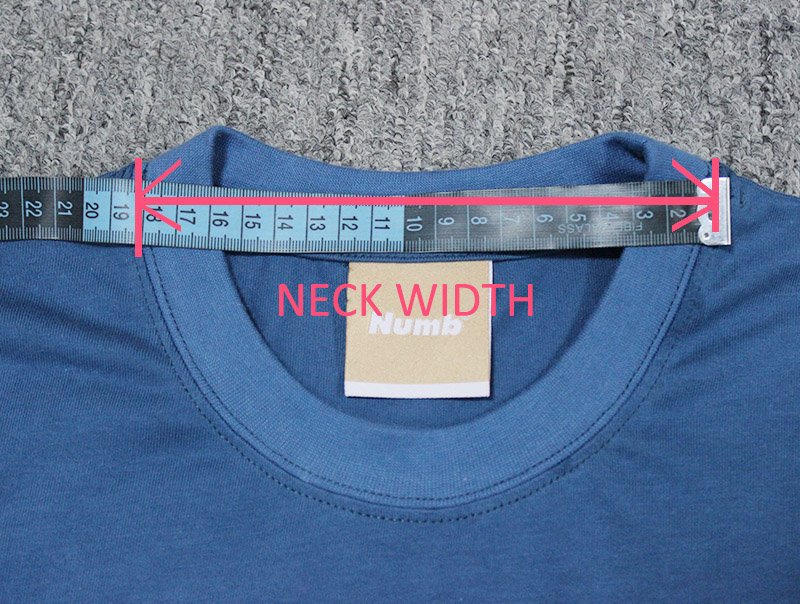
02 Neck Construction
The collar can be specified separately from the main body fabric. The specification may include rib type, finished collar height and neck opening.
Collar construction can vary according to the fabric weight and the required appearance of the T-shirt. A heavier jersey may use a firmer rib, while other styles may use a softer or narrower collar.
These details can be reviewed on the sample and adjusted before the production version is confirmed.
Neck measurements and rib specifications can be included in the same production file as the main garment measurements.
03 Fit Review
The sample can be checked on-body to review shoulder position, chest width, sleeve length and overall body length.
A flat measurement check can be used at the same time to compare the sample with the measurement chart. Side seams and hem level can also be checked before another sample is requested.
Any approved changes are then added to the next sample or final production specification.
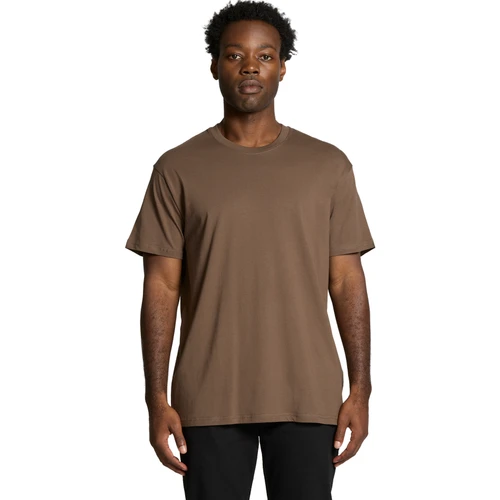
04 Fabric & Proportion
Fabric weight affects the drape and structure of the finished T-shirt. Lighter jersey generally has more movement, while heavier jersey can give the garment a firmer shape.
Fabric choice is particularly relevant for oversized and boxy styles because the material affects how the shoulder, sleeve and body width sit when worn.
FashionMe's current custom T-shirt range covers approximately 160–280gsm, depending on the fabric and construction.

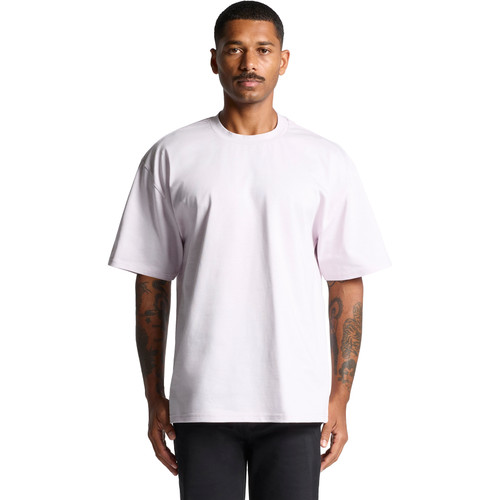
Oversized bodies can be developed by adjusting shoulder, chest, sleeve and length measurements rather than increasing every measurement by the same amount.
05 Artwork
Print files can include the finished artwork dimensions and the required position on the garment.
Placement measurements can be taken from the neckline, center front, side seam or sleeve seam depending on the location of the design. The sample can then be used to check how the print sits on the finished T-shirt.

06 Garment Wash
Garment washing can be used when the required T-shirt includes a faded, vintage or softened finish.
The wash process can affect color, fabric surface and garment dimensions. For this reason, the sample can be checked after the selected finishing process has been completed.
If the T-shirt also includes printed artwork, the finished garment can be reviewed with both the wash and print in place.
07 Sample Review
When more than one sample is produced, the versions can be compared against the measurement chart and the requested revisions.
This can include changes to length, shoulder width, sleeve dimensions, neckline or overall fit.

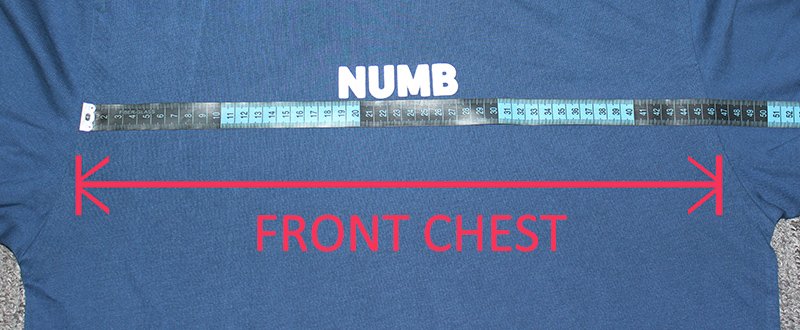
Check body length and shoulder measurements.
Compare sleeve length and sleeve opening.
Check side seams, hem level and general symmetry.
Review the revised fit on-body where required.
08 Bulk Production
After the final sample is approved, the confirmed measurements and construction details can be used for the bulk order.
The production specification can include the pattern, fabric reference, collar details, color, artwork measurements and any finishing requirements.
Production inspection can then use the approved specification and sample as references.
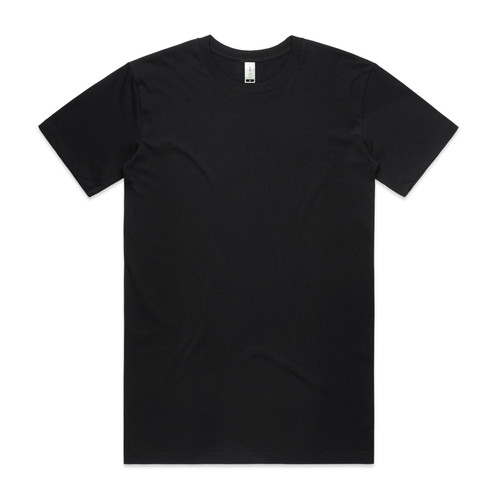
The approved sample and confirmed garment details are used as references for the bulk order.
09 Production Route
FashionMe uses two main production routes for T-shirt projects. The appropriate route depends on whether the order can use an existing garment or needs a new specification.
Used when an existing T-shirt style is suitable for the required product.
Private Label T-Shirts →Used when the T-shirt requires its own pattern, measurements, fabric specification or construction.
Custom T-Shirt Manufacturing →10 Repeat Orders
An approved T-shirt body can be used again for later orders where the same fit, fabric and construction are required.
New colors or graphics can then be added while keeping the underlying garment specification consistent.
Start T-Shirt Project
Send the product reference and required quantity. Measurements, fabric information and artwork files can also be included if they are already available.