Types of Sportswear: 22 Styles, Fits, Fabrics, and Uses
Sportswear covers clothing for exercise and sport, including training tops, sports bras, shorts, leggings, team uniforms and swimwear. Outdoor sports add garments such as windbreakers, rain shells and insulated snow jackets.
1. Performance T-Shirts
Polyester jersey gives many performance T-shirts their light, flexible body. The burgundy Capilene Cool Daily shirt pictured uses 100% polyester with a wicking finish. Stretch in a knitted fabric also comes from the movement of its yarn loops. Elastane blends add further elasticity to close-fitting training tops.
The shoulder seam helps identify the cut. A set-in sleeve joins around the armhole; raglan construction carries the sleeve up to the neckline. On a running T-shirt, mesh panels at the back or underarms introduce openings through the knit. Side splits give the hem extra clearance around the hips during a stride.
Some training tops have bonded hems with a flat folded edge. Coverstitched hems carry parallel rows of stitches across the outside.

2. Tanks and Running Singlets
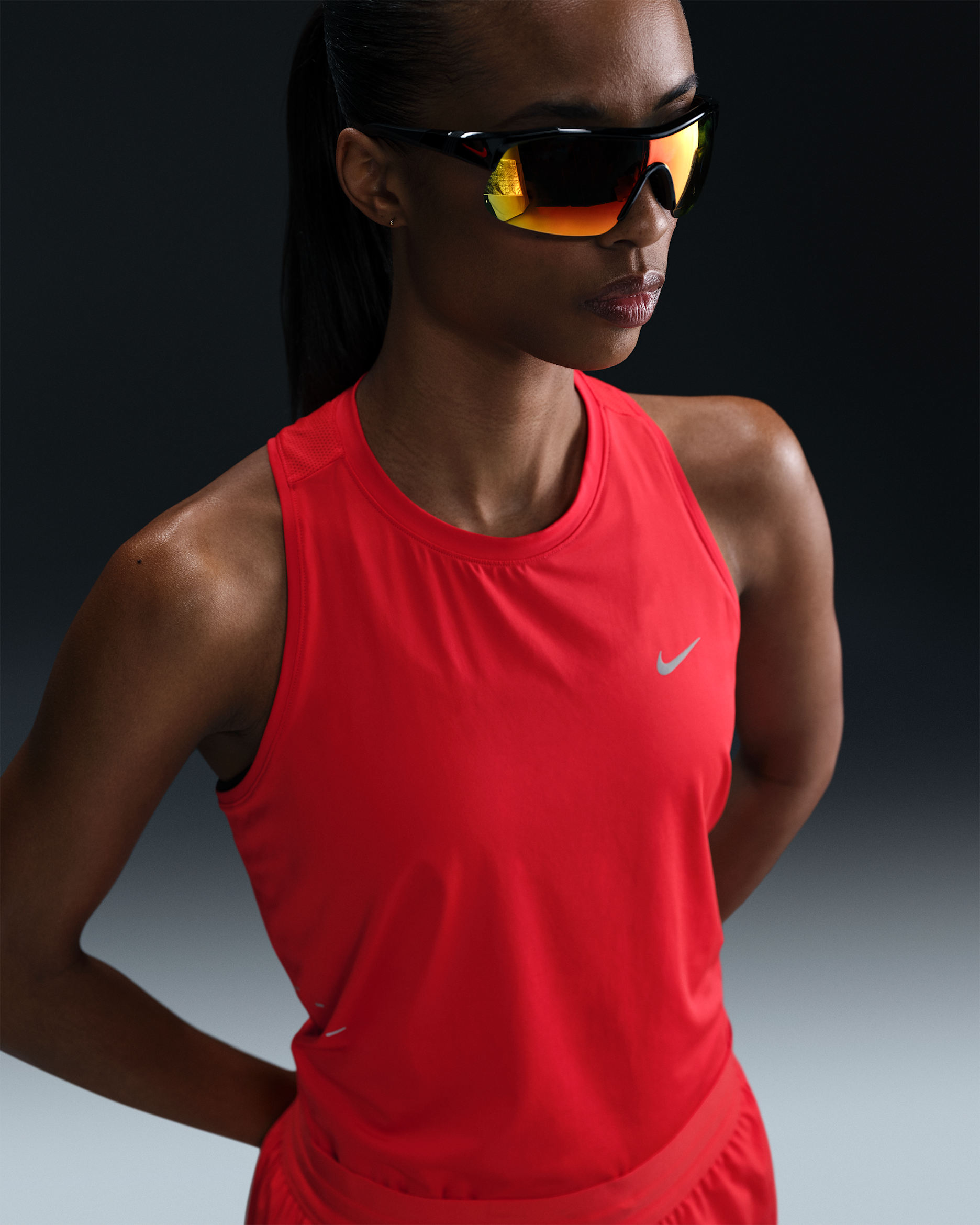
The back of a running singlet often narrows between the shoulder blades, leaving more of the shoulder area exposed. A loose body hangs below those openings. Fitted training tanks follow the ribs and waist more closely, with wider shoulder panels or separate straps. Deep armholes expose more of the sports bra or skin at the side.
Inside a shelf-bra tank, an elastic underbust band supports a second layer of fabric across the bust. Cup pockets, when included, sit within that lining.
3. Sports Bras
A sports bra for running controls repeated breast movement as each foot lands. Its underband, front panels and straps work together to hold the breasts through that motion.
| Support | Typical activities |
|---|---|
| Light | Gentle yoga, stretching and low-impact movement |
| Medium | Cycling, many gym sessions and moderate movement |
| High | Running, jumping and vigorous court activity |
Breast size and fit affect the support required for each activity. Nike’s fitting guidance includes band and cup fit in that choice. The underband should stay level as the arms rise, and the cups should contain the breast tissue comfortably.
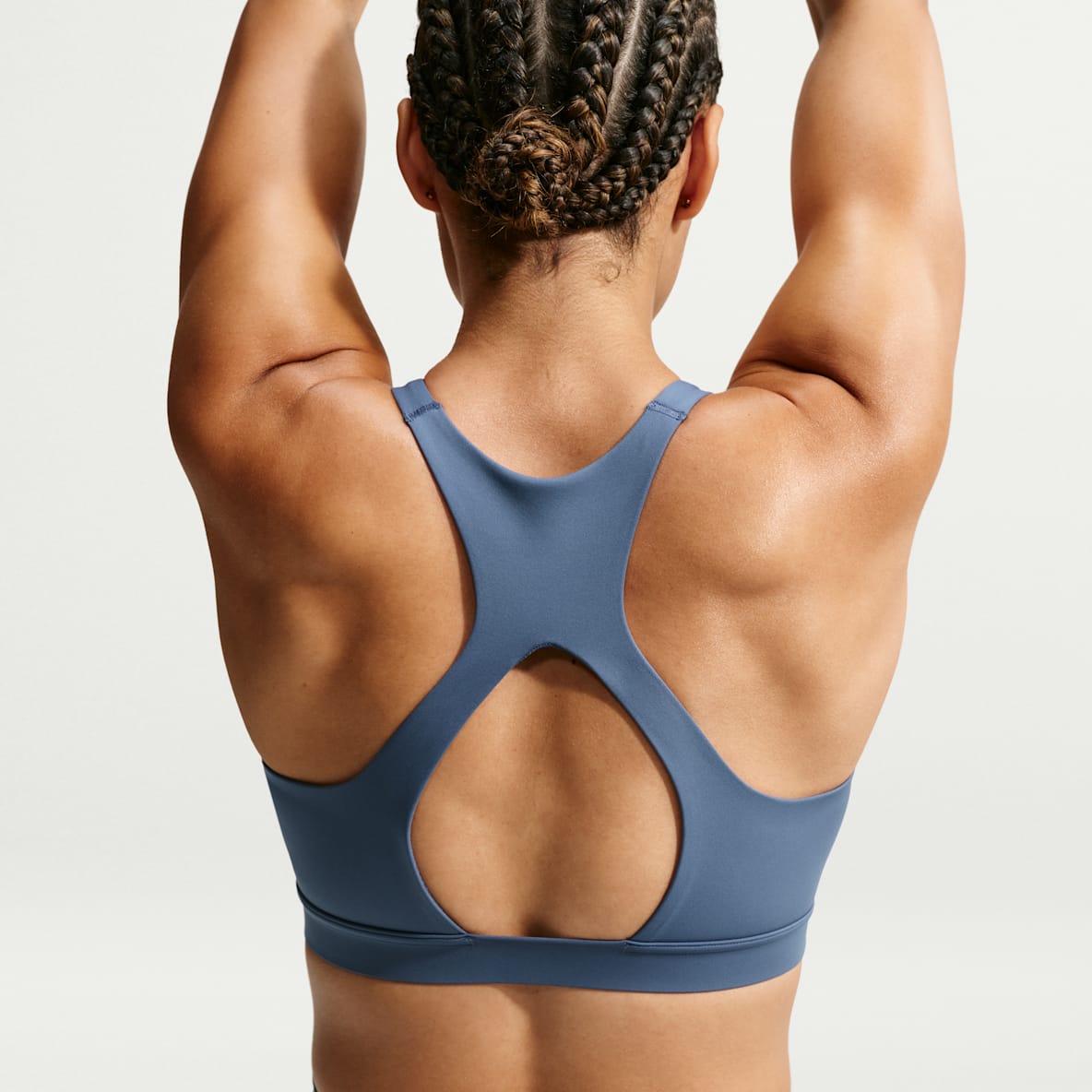
A compressive front panel holds the breasts close to the chest. Combination designs include individual shaped cups for encapsulation, supporting each breast within its own cup. An adjustable back fastening changes the band circumference. Strap adjusters change the shoulder length. Removable foam pads sit inside cup pockets and provide shaping and coverage.
4. Base Layers
A base-layer top sits directly against the skin beneath the rest of a cold-weather outfit. Its sleeves pass inside the fleece or jacket sleeves, and a longer body tucks into the waistband. Matching bottoms extend that first layer down the legs. Polyester and merino wool are common materials. Lightweight versions provide a thin layer for active use; thicker fabrics add warmth. The merino crew pictured uses a 250 g/m² fabric, which Smartwool labels midweight. A close fit keeps the cloth in contact with the skin. A zip neck opens at the upper chest for ventilation, and thumb loops hold the sleeve ends in position as another garment is pulled over them.

5. Compression Clothing
Compression is a fit description applied to tops, shorts, tights and individual limb sleeves. A full-length top covers the torso and arms; a calf sleeve concentrates the garment around the lower leg.

Pressure comes from fitting a smaller relaxed garment around a larger body area. The stretched knit pulls toward its original dimensions. How firmly it holds depends on the amount of stretch, the fabric’s resistance and the shape beneath it. A compression top worn beneath a jersey also fills the base-layer position in that outfit.
6. Running and Training Shorts
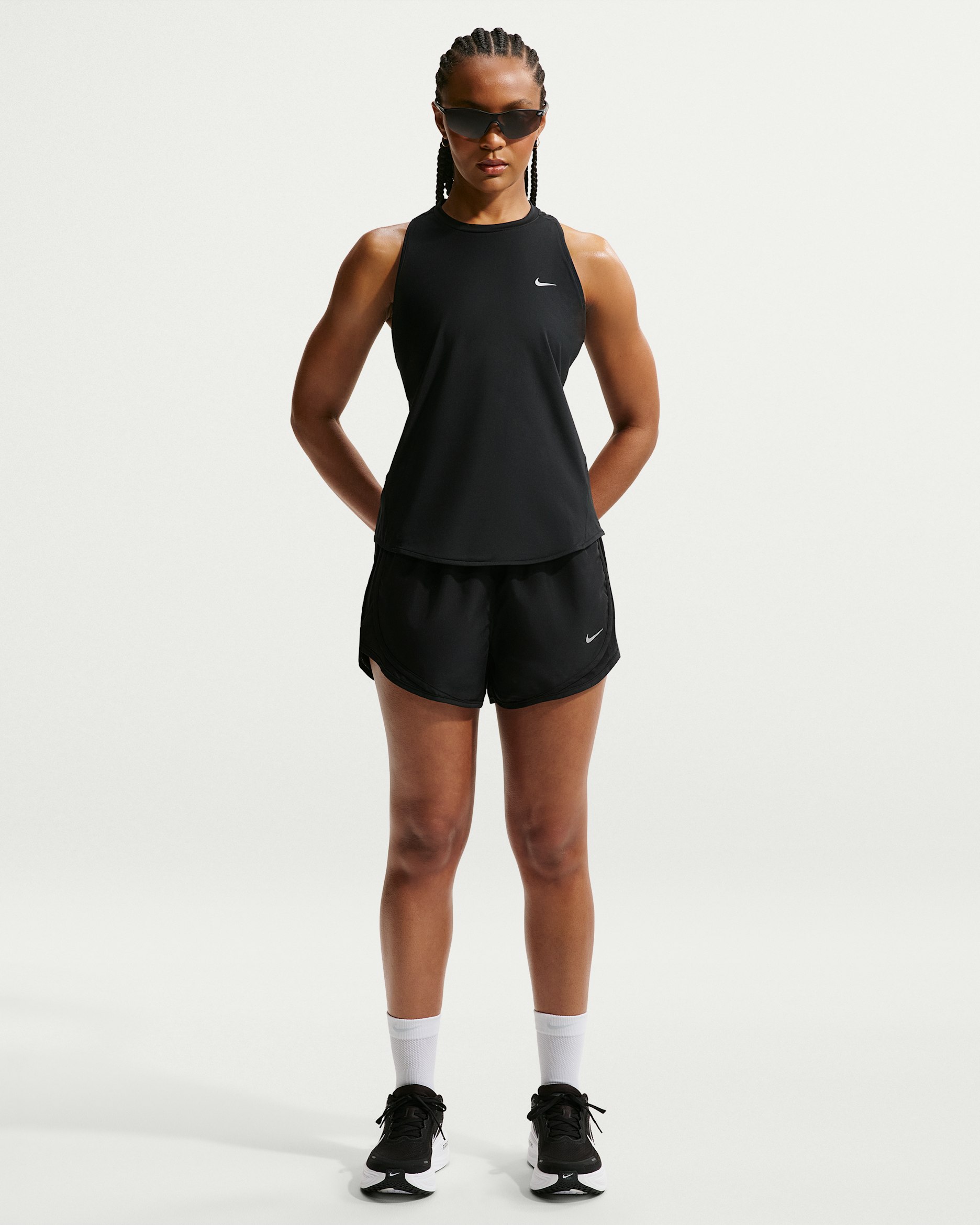
A two-layer running short has a loose outer shell over a close-fitting liner. The shell opens around the thigh as the leg moves forward. A side split or curved hem adds clearance at the outer leg. The liner may be a brief or a longer inner short, and it joins the garment at the waist. Its lower edge can extend beyond the shell. Each layer has an inseam, measured from the crotch join to the lower edge along the inside of the leg.
| Type | Cut and fabric |
|---|---|
| Running | Light woven shell, open or split side hem, often with an inner brief or fitted short |
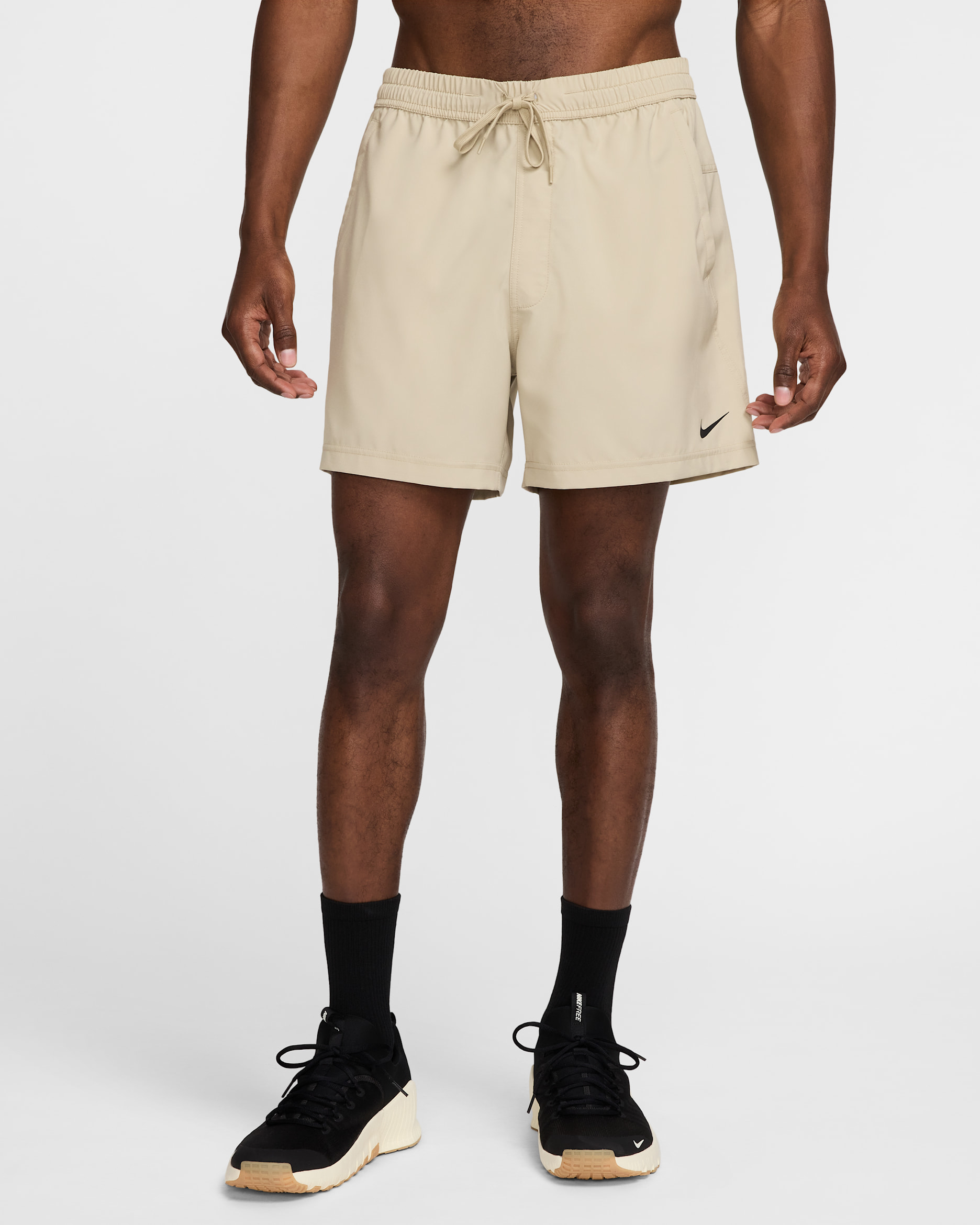
| Gym training | Room through the seat and thigh for squats and lunges; stretch woven or knitted fabric |
| Basketball | A loose leg and drawcord waist, commonly in polyester jersey or mesh |
| Fitted training | Stretch knit close to the thigh, with a broad waistband and a short leg |
7. Leggings and Running Tights
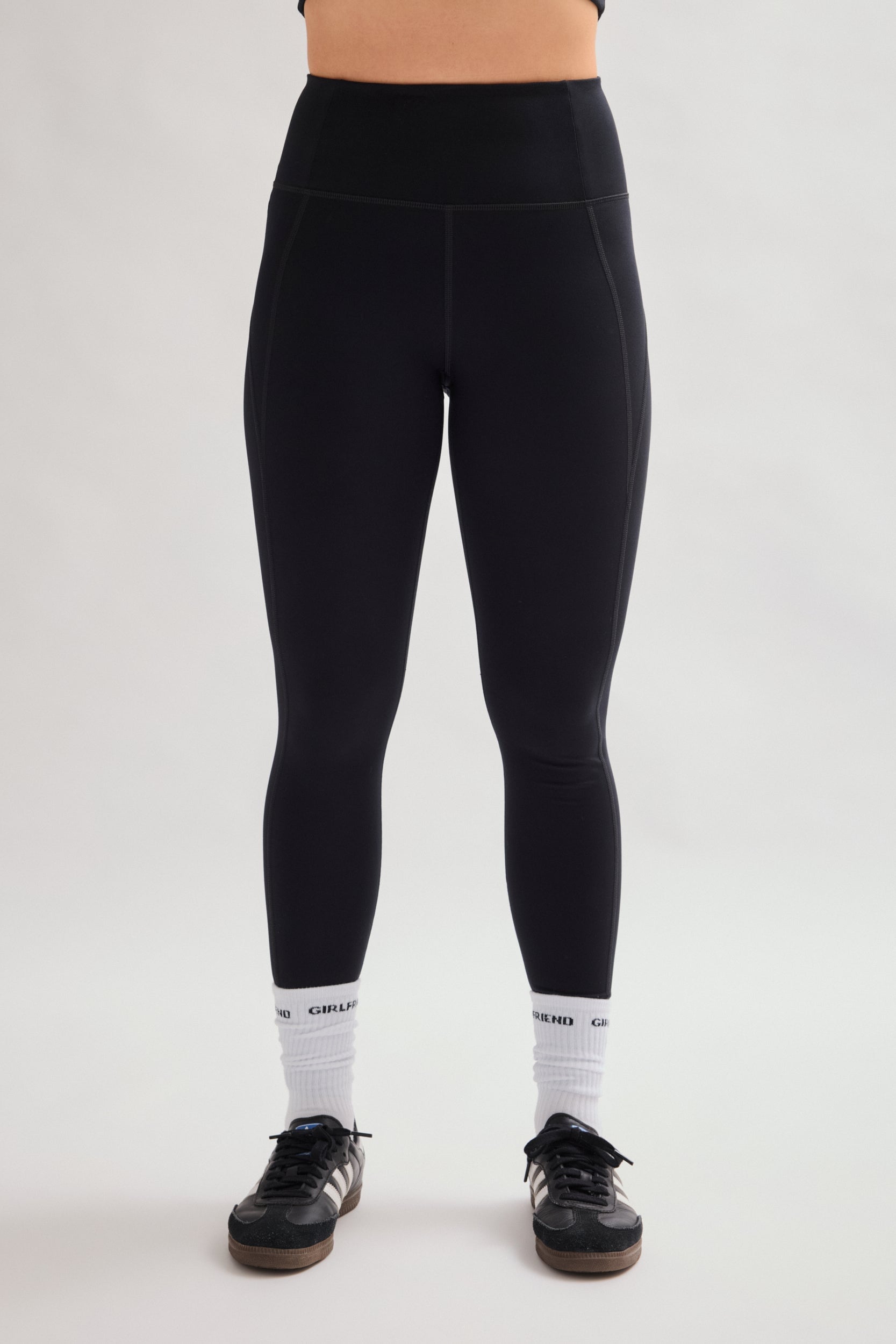
Full-length, cropped and 7/8 leggings describe intended hem positions. The inseam supplies an actual length. Girlfriend Collective’s Compressive High-Rise Legging is offered in three inseams:
| Version | Inside-leg length |
|---|---|
| 7/8 | 23.75 inches |
| Full length | 28 inches |
| Tall | 31 inches |
Running tights often carry storage close to the body. A thigh pocket holds a phone against the leg; a zipped back pocket secures small items near the waist. A waist drawcord tightens the upper edge, and reflective details appear around the lower leg or pockets.
The rise runs from the crotch toward the waistband and determines how high the garment reaches on the torso. A gusset adds a panel between the legs, spreading the seam joins around the crotch area. Opacity is assessed across the stretched seat and upper thigh, where the knit opens most during bending.

8. Yoga Pants
Flared yoga pants stay close through the seat and thigh, then widen from the knee toward the floor. That flare comes from the changing width of the leg panels. The regular Groove Nulu pant has a 32.5-inch inseam, with a body fabric of 81% nylon and 19% Lycra elastane. Yoga ranges also include straight-leg trousers, loose pants and fitted leggings. Stretch through the hips and inner thighs accommodates wide stances, and the front rise needs enough length for seated and folded positions.
A broad, smooth waistband spreads contact across the abdomen. A folded waistband adds fabric layers at the waist; an enclosed elastic band concentrates its hold within the depth of that band.
9. Joggers and Sweatpants
A fleece jogger combines sweatshirt fabric with a tapered leg and a gathered ankle. The cuff brings the fabric toward the ankle, leaving the footwear exposed. A straight-leg sweatpant continues toward the shoe with an open hem.
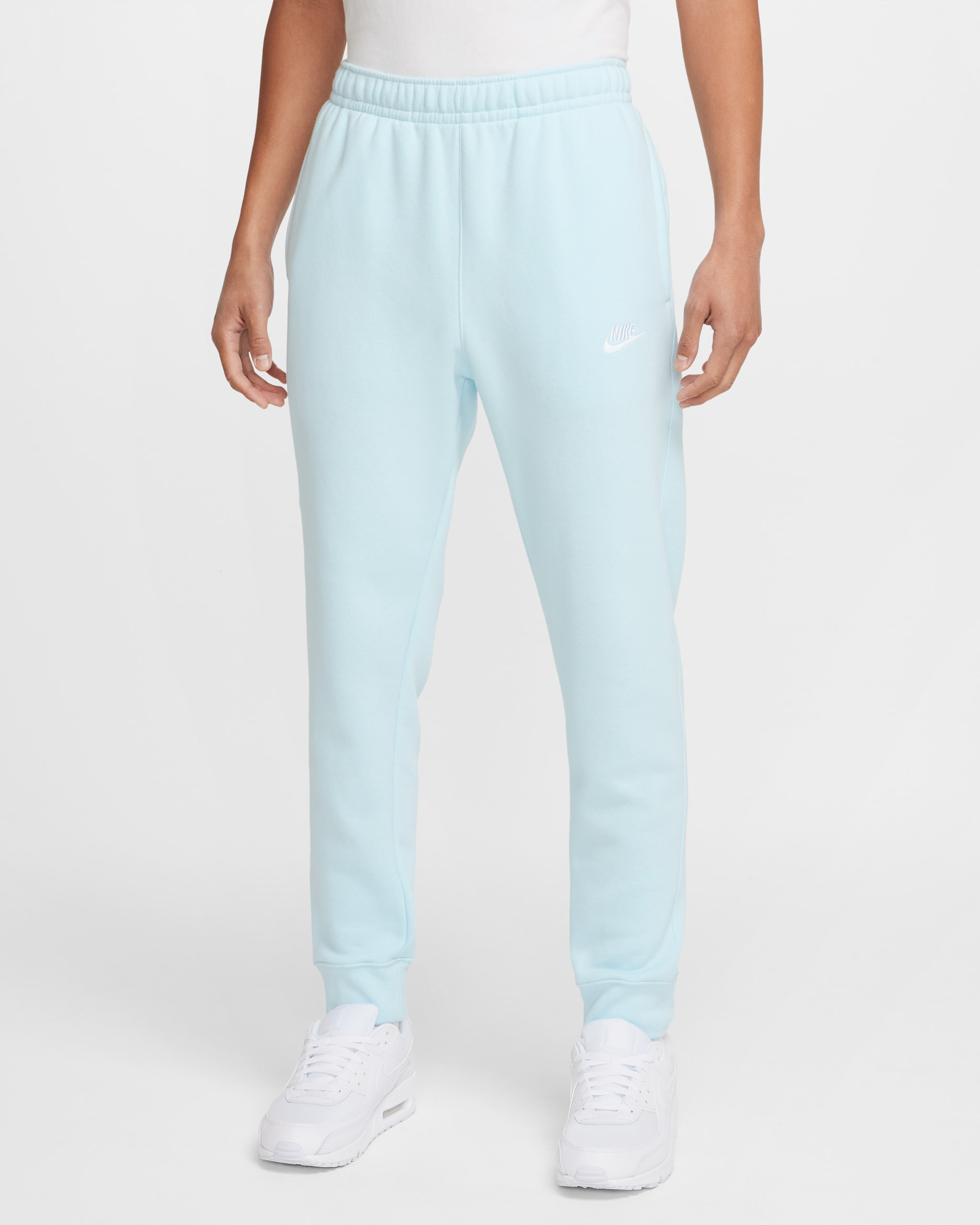
The inside of the cloth identifies two familiar sweatshirt fabrics. French terry has small yarn loops on its reverse face. Brushing lifts fibers from sweatshirt fleece to form a fuzzy inner surface with added loft. Both fabrics appear in relaxed warm-up pants, including wide-leg and cropped versions.
10. Track Pants
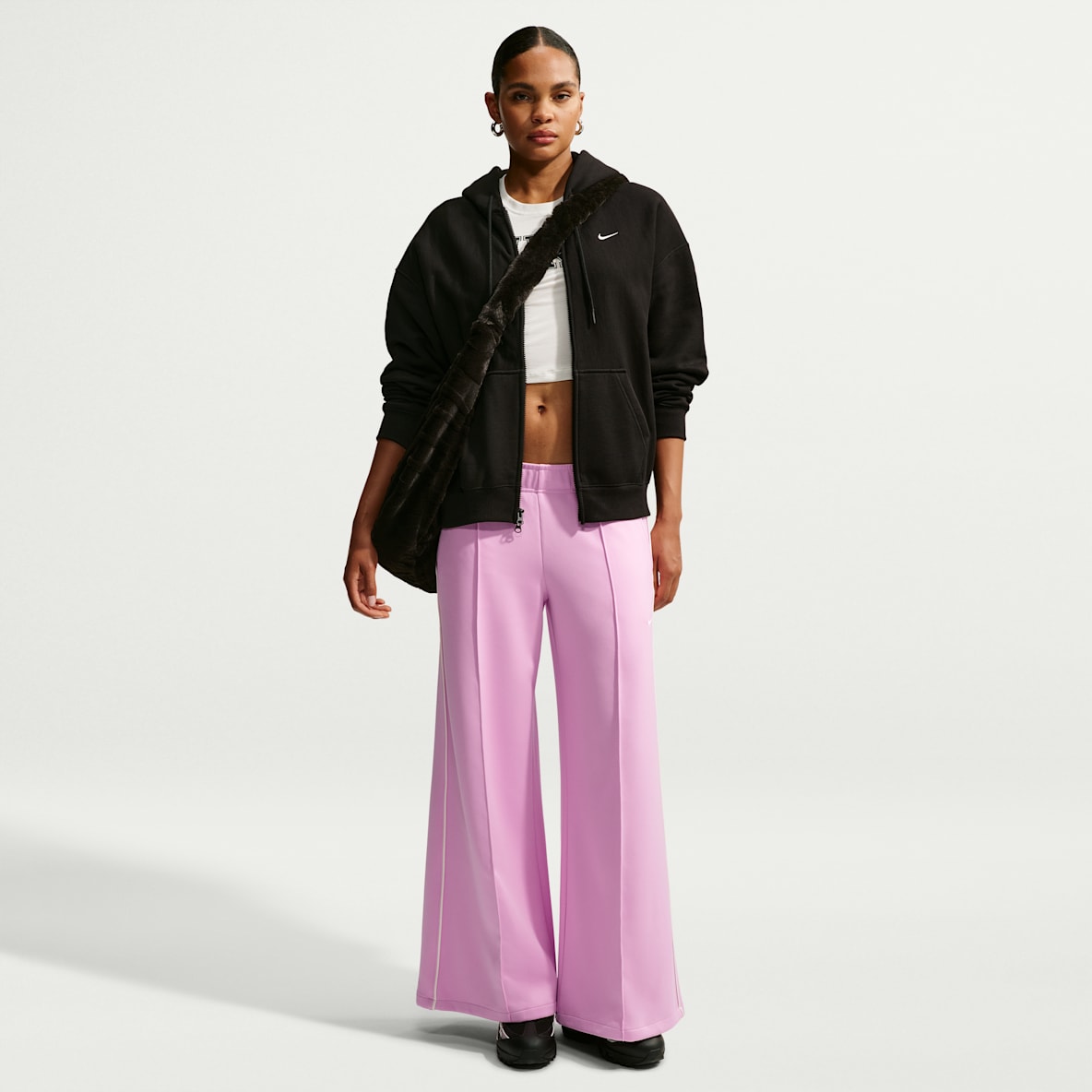
Side stripes follow the outside leg of many track pants, often continuing a design used on the matching jacket. Stripes may be sewn-on tape or contrasting fabric panels. Piping places a narrow raised line along a seam. Tricot knit and lightweight woven shells are common fabrics for these warm-up trousers. Wide-leg versions, such as the pink pair shown, let the hem hang open over the shoe.
- An ankle zipper releases a short opening in the lower leg for extra clearance around footwear.
- Tearaway pants use a row of side fastenings, usually press studs, to open a longer section of the outer leg.
11. Sweatshirts and Hoodies
Fabric weight is measured in grams per square meter, or GSM. FashionMe lists 350–500 GSM fleece for its hoodie offering. This is a fabric-weight range; the weight of a finished hoodie also includes its size, lining, rib and trims.
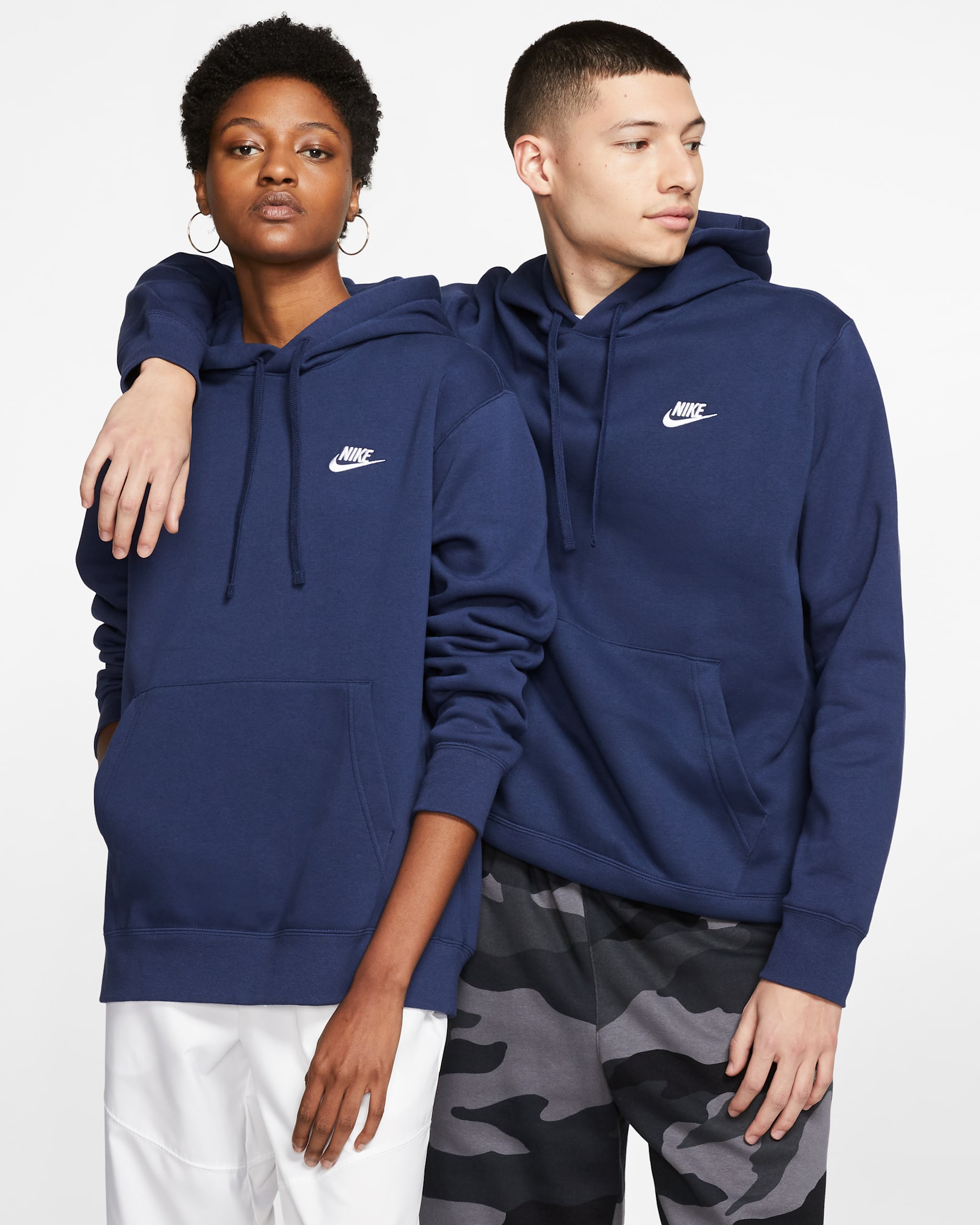
Brushed fleece adds a soft inner surface to a warm-up layer. French terry keeps visible loops on the reverse. Ribbed cuffs gather the sleeves at the wrists, and a lined hood adds a second layer around the head.
- Crewneck
- A closed front with a round ribbed neckline.
- Quarter-zip
- A short chest opening, commonly meeting a stand collar.
- Pullover hoodie
- A hood attached around the neckline, often with a kangaroo pocket on the front.
- Full-zip hoodie
- A zipper extending from the hem to the neck. On styles with a kangaroo pocket, the zip separates it into two front pockets.

12. Tracksuits
The black tracksuit pictured pairs a stand-collar zip jacket with matching trousers. White stripes repeat down the sleeves and outer legs. The jacket opens through the full front, and the trouser waist closes with an elastic band. A tracksuit combines these two garments in a coordinated fabric and color scheme.
Fabric changes the character of the whole set. Tricot produces a smooth knitted surface. Woven tracksuits have a shell construction, sometimes with mesh lining and elastic cuffs. A sweatsuit brings a sweatshirt or hoodie together with sweatpants in fleece or French terry. Matching shade is checked across the jacket, trousers and trims under the same lighting; the full outfit places those materials side by side.
13. Sports Jerseys
| Sport | Garment shape |
|---|---|
| Soccer | A short- or long-sleeve knitted top, with team graphics on the chest and a player name or number commonly on the back |
| Basketball | A sleeveless body with finished neck and arm openings |
| American football | An upper body cut to accommodate shoulder pads |
| Ice hockey | A roomy torso and broad sleeves accommodating protective equipment |
| Baseball | A front opening, commonly buttoned, dividing the chest into two panels |
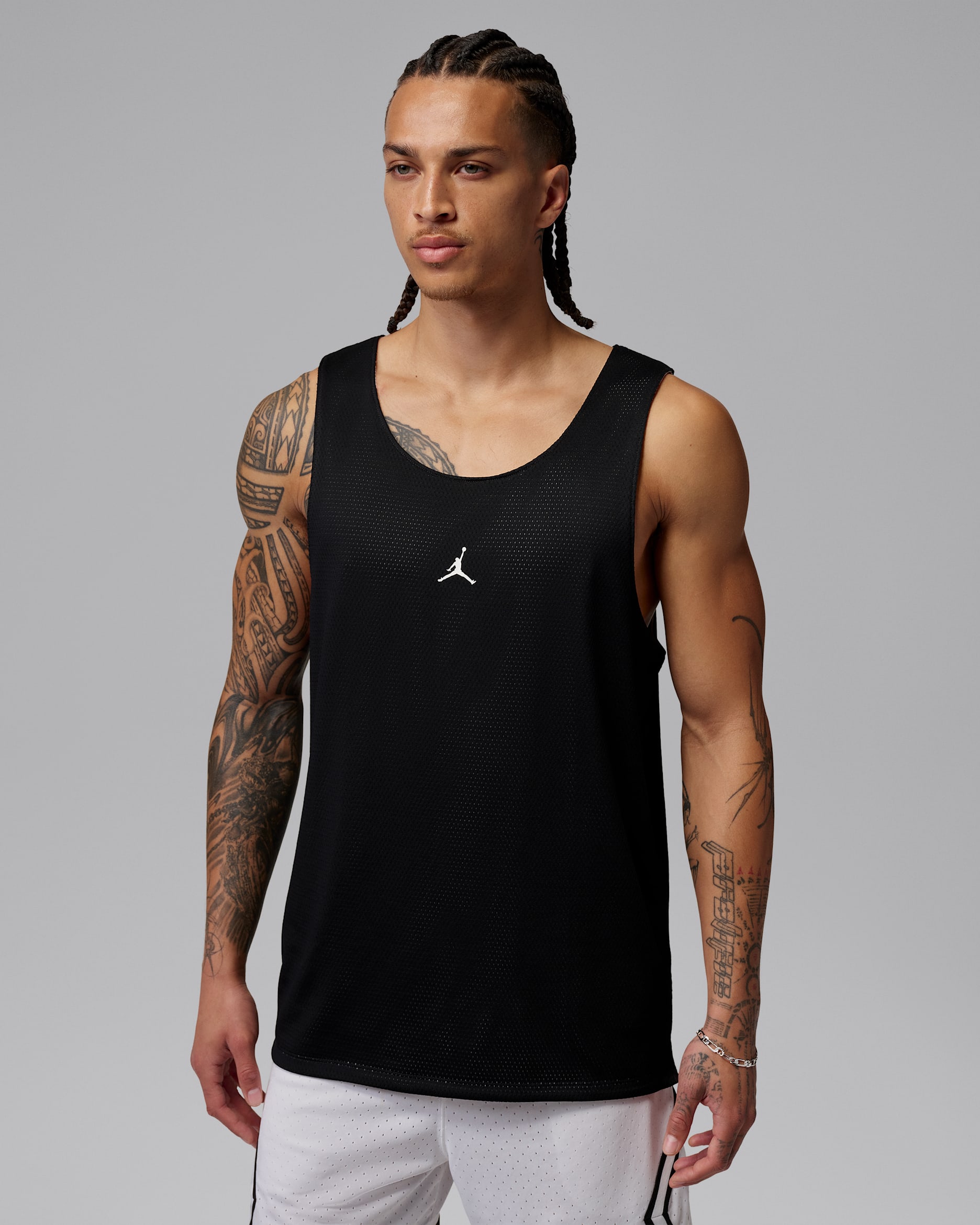
Mesh gives a jersey visible openings through the knit. Solid panels provide continuous areas for names, numbers and team marks. On a button-front baseball shirt, chest lettering often spans the opening, so its placement follows both front panels. A basketball jersey carries its graphics between the armholes.
A reversible practice jersey has two wearable faces. The example pictured uses polyester for both bodies, with the neck and arm openings shared by the two layers.
14. Performance Polo Shirts
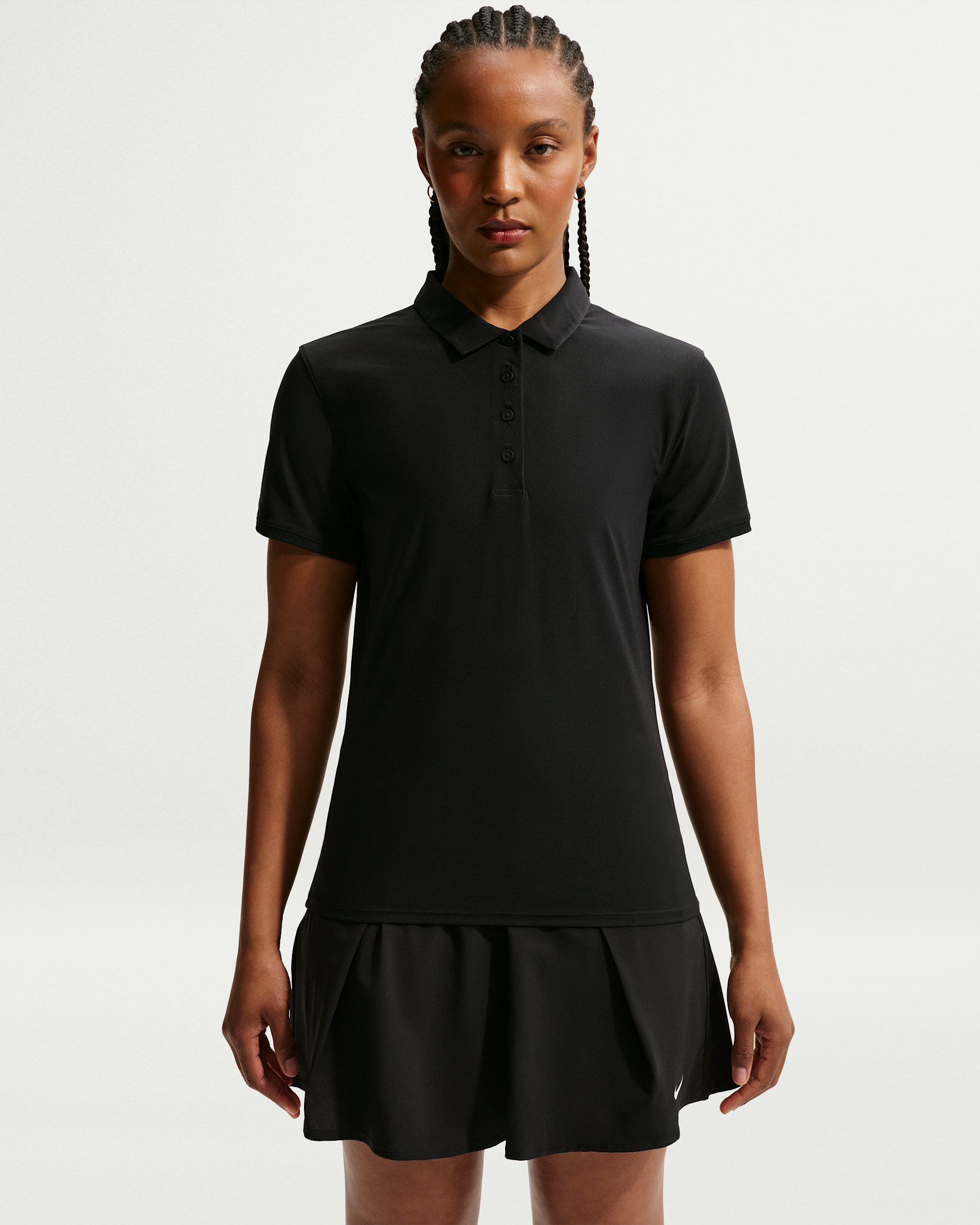
On a polo, the folded collar meets a short opening at the chest. Buttons fasten an overlapping placket; a zip-neck version carries zipper tape through that opening. Golf and tennis polos use this collared shape in smooth jersey and textured piqué, whose surface has a small repeating raised pattern. The Victory golf polo has four buttons and stretch rib inserts at the hem. Side vents on other polo designs let the front and back hems move apart at the hips, and a longer back hem adds coverage when the wearer bends forward.
15. Tennis Skirts and Skorts
Ball pockets sit on the inner shorts of many tennis skorts. The fitted layer holds the ball close to the thigh and provides coverage as the outer skirt lifts during a stride. NikeCourt’s Slam skirt includes these inner ball shorts.
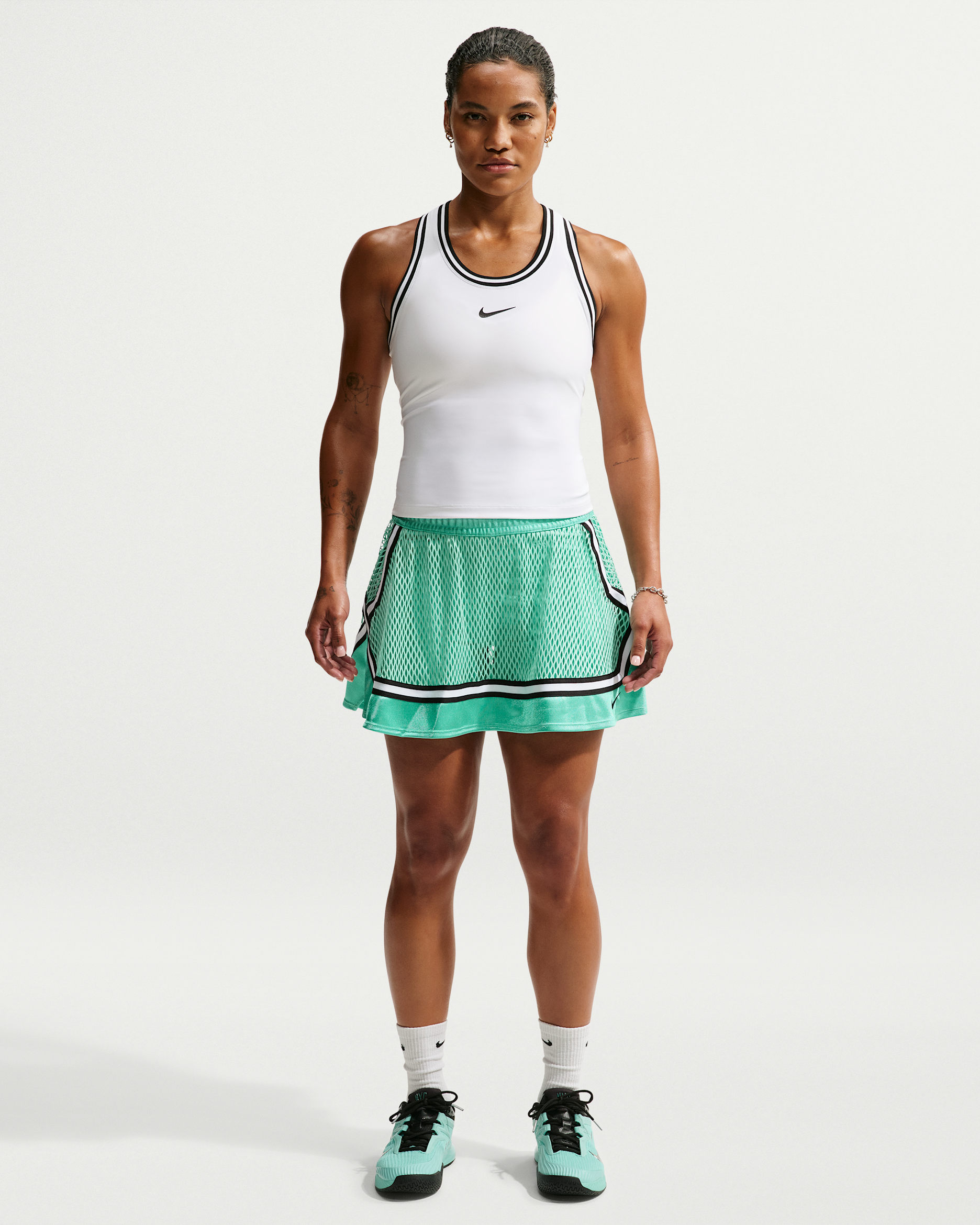
The inner short makes the garment a skort, including products sold under a “tennis skirt” name. The skirt above it supplies a second layer that moves around the legs.
- Pleated skirts carry folds that open as the legs move.
- A-line skirts gain width toward the hem through the cut of the panels.
- Wrap fronts place one panel over another across the upper leg.
16. Athletic Dresses
A fitted bodice and a flared skirt give a tennis dress room around the upper legs. Stretch panels beneath the arms, as on the white Victory dress pictured, add give at the sides of the upper body.
| Construction | What is included |
|---|---|
| Dress with attached shorts | An inner short joined to the dress, sometimes as part of a full bodysuit lining |
| Dress with separate shorts | A separate lower garment with its own waistband and rise |
| Dress with built-in bust support | An underbust band and lining, with cup pockets or fixed cups on some styles |
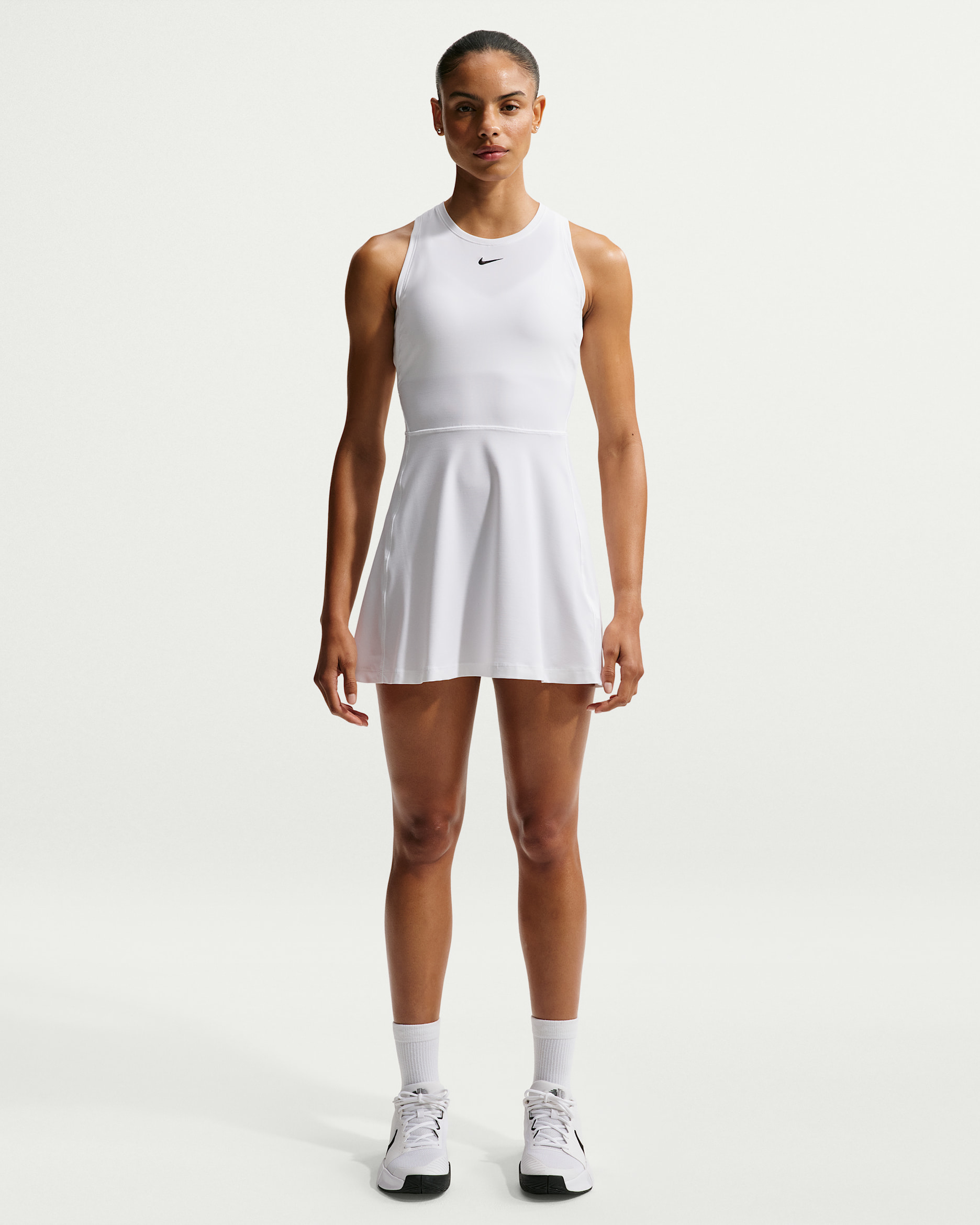
A single dress may combine attached shorts and bust support. With a full bodysuit lining, torso length runs through one connected piece from shoulder to crotch. The stretch and opening at the neckline, back or zip determine how the wearer enters the garment.
17. Cycling Jerseys and Padded Shorts
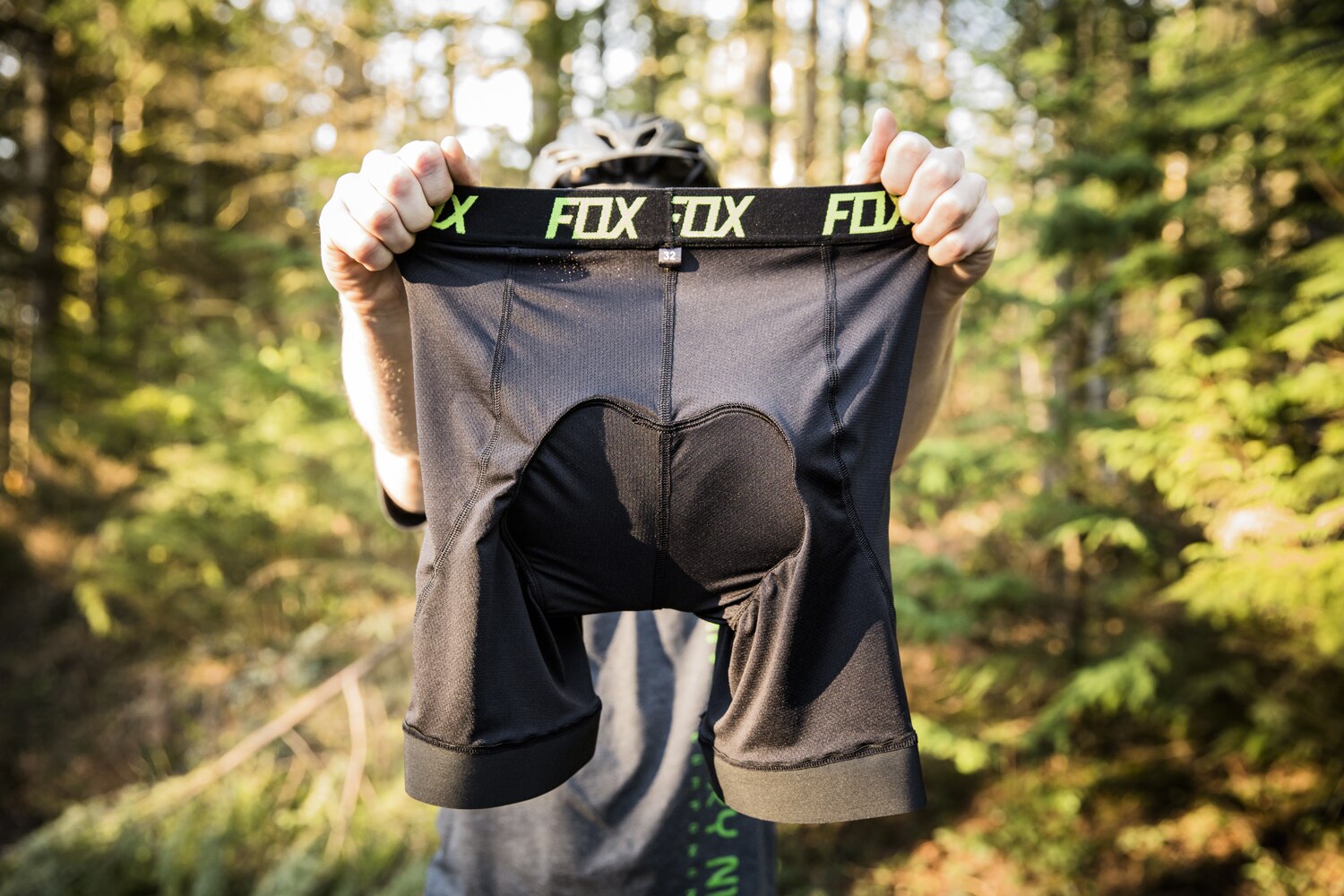
The shaped pad inside cycling shorts is the chamois. It sits between the rider and the saddle, with padding distributed across the seated contact area. The name “bike shorts” also appears on unpadded fitted shorts sold for studio and casual wear.
Bib shorts extend into shoulder straps that hold the lower garment up. Waist shorts use an elastic band. Mountain-bike clothing often combines a fitted padded liner with a loose outer short, adding room for movement and more coverage around the thigh.
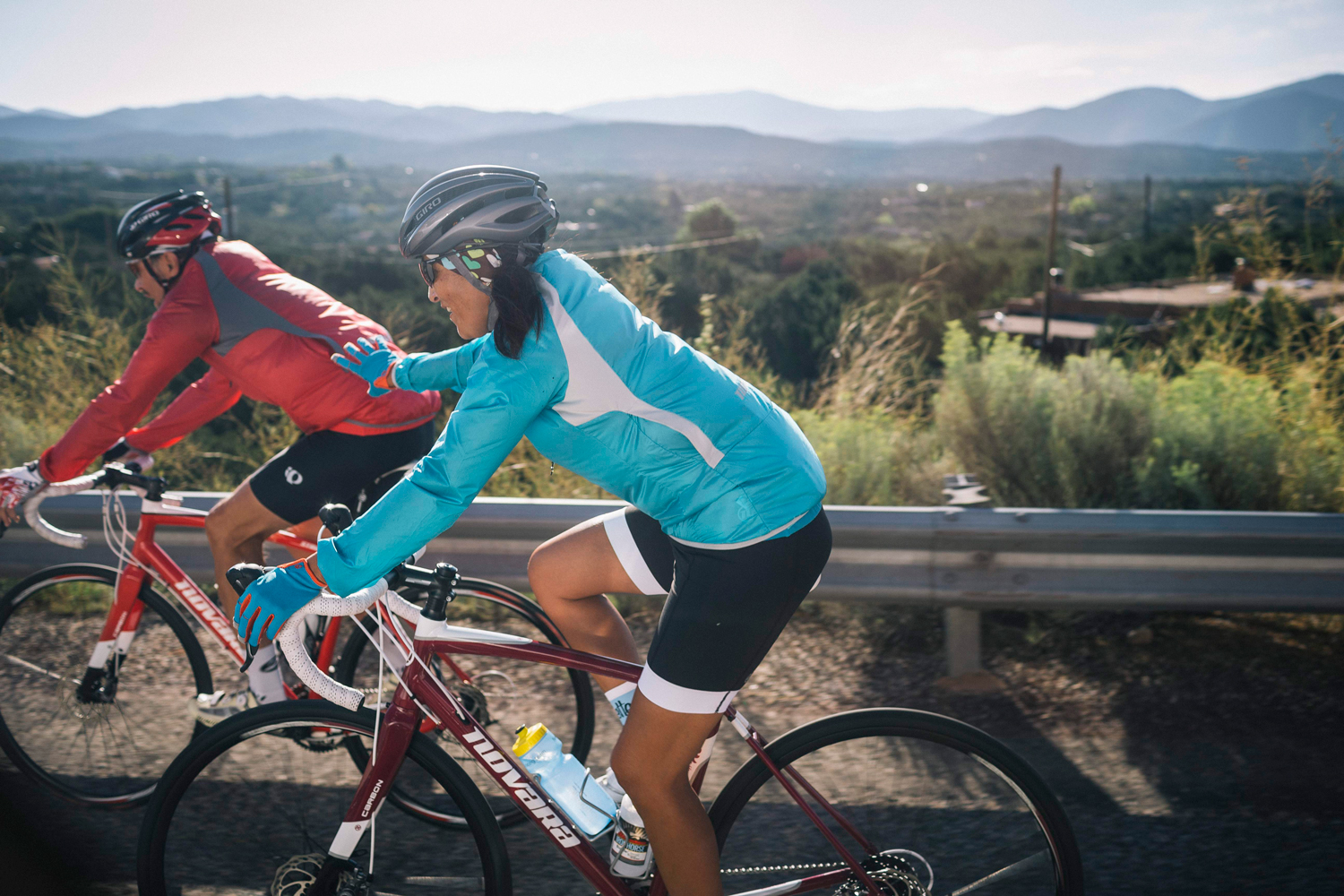
On the bicycle, the torso leans forward and the arms reach toward the handlebars. A road cycling jersey follows that position with a longer back hem and sleeves shaped for the reach. Rear pockets place small items over the lower back. A front zipper provides ventilation through the chest.
18. Swimwear and Rash Guards
Pool-training swimsuits use fitted bodies, secure straps and elasticated edges that hold close during strokes and turns. A one-piece connects the shoulder and crotch positions through a continuous body. Two-piece training suits divide the top and bottom at the waist. Jammers extend a fitted swim short down the thigh.
For repeated pool use, chlorine resistance is a material specification. Lining coverage and the stretch of the sewn edges also affect the finished suit. FashionMe includes these checks in its swimwear inspection scope.


Board shorts use a loose woven shell and a secured waistband for surfing and beach activity. A rash guard adds a stretch top over the upper body. Sleeve length and neckline establish the covered area; a stated UPF rating refers to the fabric’s tested ultraviolet protection.
Wetsuits use foamed rubber for insulation in water. Thickness is stated in millimeters, with some suits using thicker material through the torso and thinner panels at the limbs.
19. Windbreakers and Rain Shells

Inside a waterproof rain shell, a coating or membrane forms the water barrier, and seam sealing covers the stitched joins. A three-layer shell bonds the face fabric, membrane and inner protective textile together. Two-layer construction uses a separate hanging lining to protect the bonded face fabric and membrane. On the outside, a water-repellent finish encourages droplets to bead on the fabric’s surface.
A lightweight windbreaker has a thin woven shell with a compact folded volume. The Houdini jacket packs into its chest pocket. Reinforcement threads form a grid through its nylon ripstop, and its water-repellent finish is specified for light moisture.
20. Hiking Pants
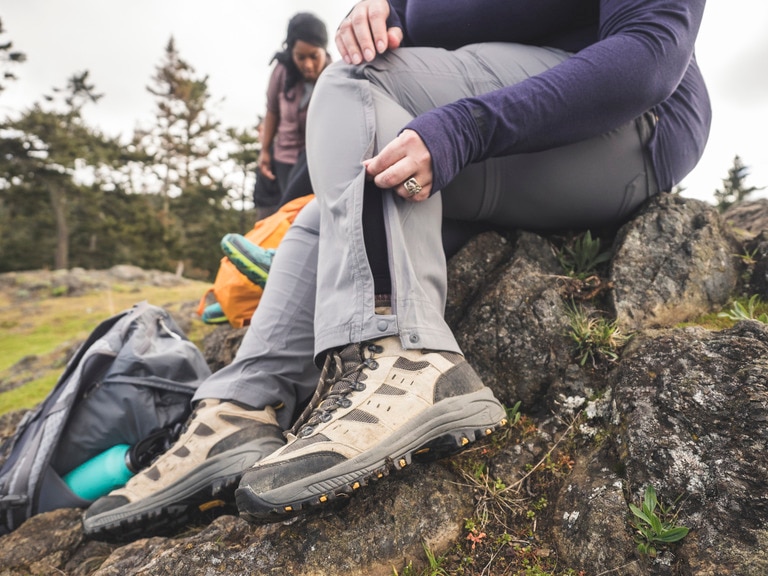
High steps bend the knee and spread the legs. Hiking trousers accommodate that movement with stretch woven fabric, shaped knees and a crotch gusset. A flat waistband sits beneath the backpack hipbelt, and thigh pockets move storage farther down the leg, where the belt leaves the opening accessible.
- Convertible pants have a zipper around each thigh. The lower legs detach to leave shorts.
- Roll-up styles secure the raised fabric with tabs or fasteners.
- Ankle zippers open the lower hem over a hiking boot.
21. Ski and Snowboard Clothing
Base layers sit against the skin, an insulating middle layer traps air, and the outer jacket and trousers provide weather protection. The outer garments also have to close around equipment.
- Jacket to trousers: an internal powder skirt fastens around the waist to close the gap.
- Trousers to boots: an elastic inner gaiter grips the upper boot beneath the outer hem.
- Sleeves to gloves: adjustable cuffs close around the glove arrangement.
- Hood to helmet: extra hood volume accommodates the helmet, with adjustment around the face.
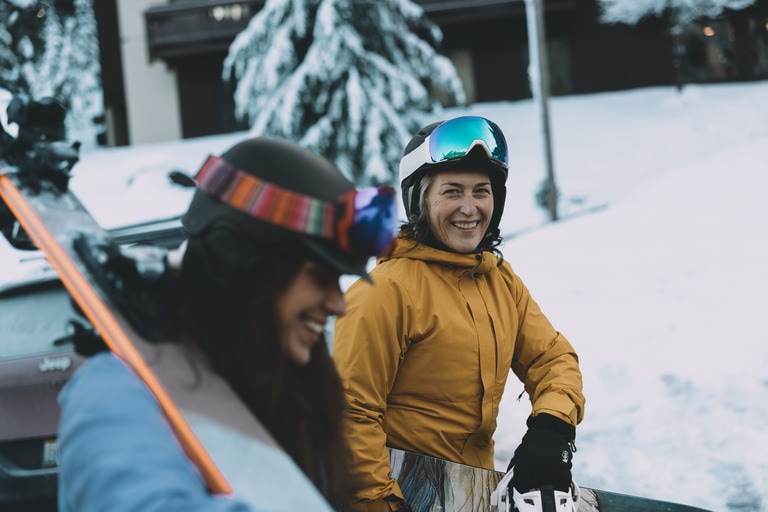
Snow bibs extend the trousers up the torso and hold them with shoulder straps. Zipped vents at the thighs or underarms release warm air during exertion. Insulated outerwear contains fill inside the shell, adding a warming layer within the garment itself.
22. Leotards and Unitards
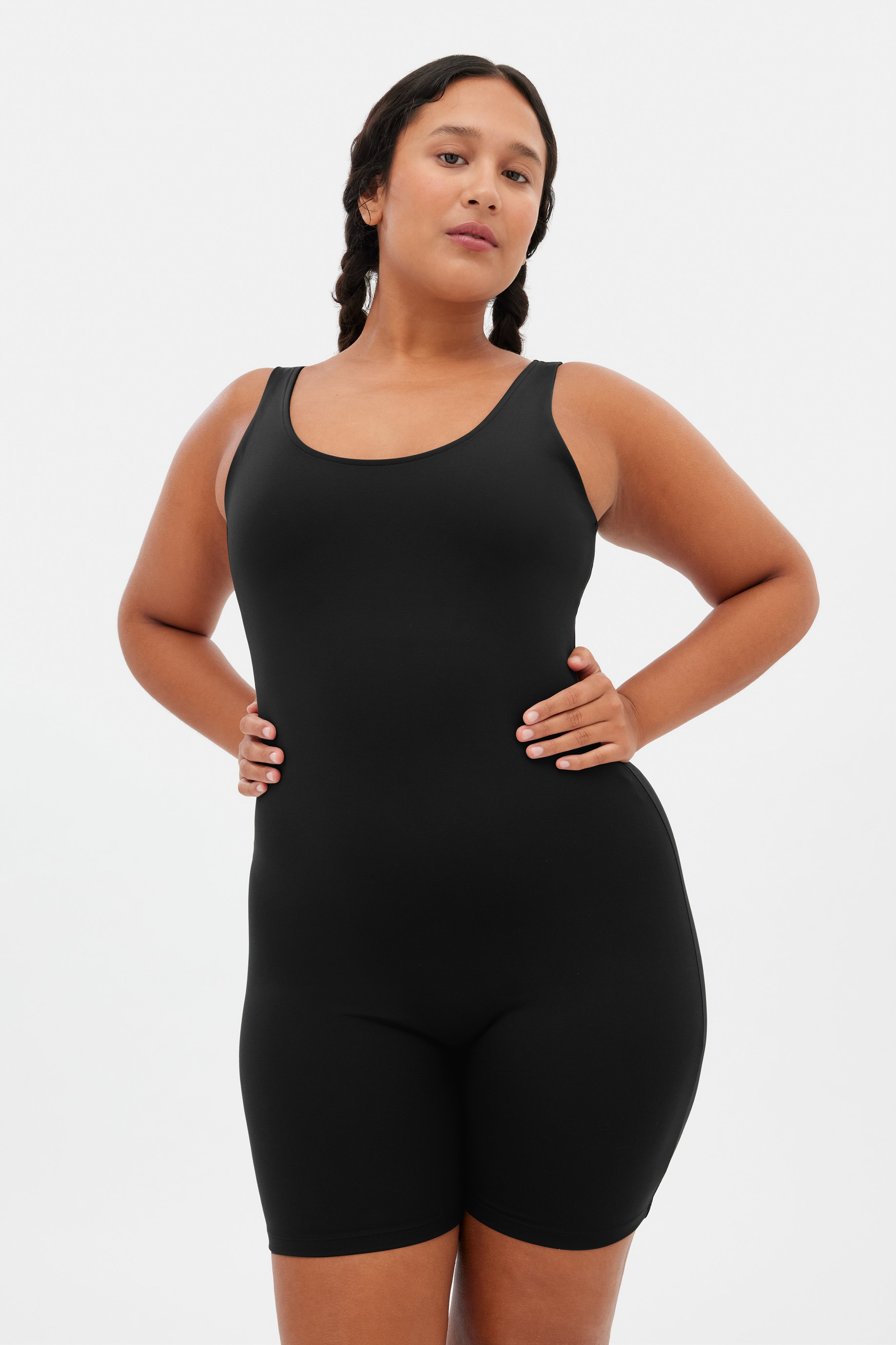
In dancewear sizing, girth is measured from the shoulder, down through the crotch and back to the same shoulder. The tape follows the length a one-piece garment must cover around the torso. Shoulder-to-crotch length affects how a leotard sits across the chest and hips as the wearer raises the arms or bends.
Leotards finish at the upper leg. Unitards continue down to the thigh, calf or ankle; the Bike Unitard pictured has a 6-inch inseam. Its 79% recycled polyester and 21% spandex body includes a built-in bra and a low back.