What Is French Terry Fabric?
Many sweatshirts, hoodies and joggers are knitted from French terry. It has a smooth jersey face and rows of small yarn loops on the back. Mills sell the open-loop version as loopback. They list sweatshirt fleece as a separate fabric, but it is French terry whose loops have been brushed into a soft pile. Bath-towel terry cloth is woven and has loops on the front and back.
The difference between a cheap French terry hoodie and a good one lies in details you can write into the order: the yarn, the blend, the weight and whether the fabric has been preshrunk.
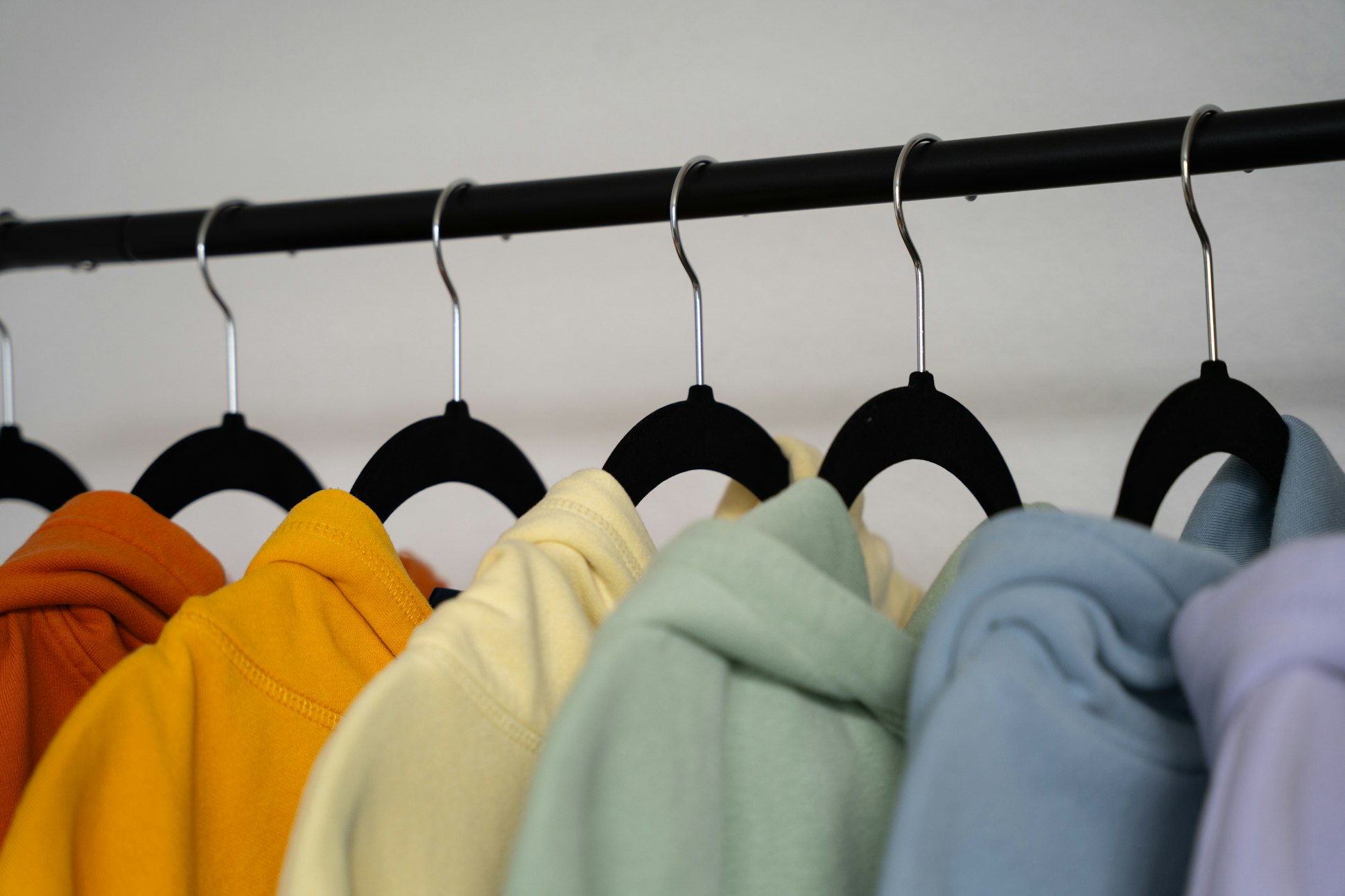
Knit construction
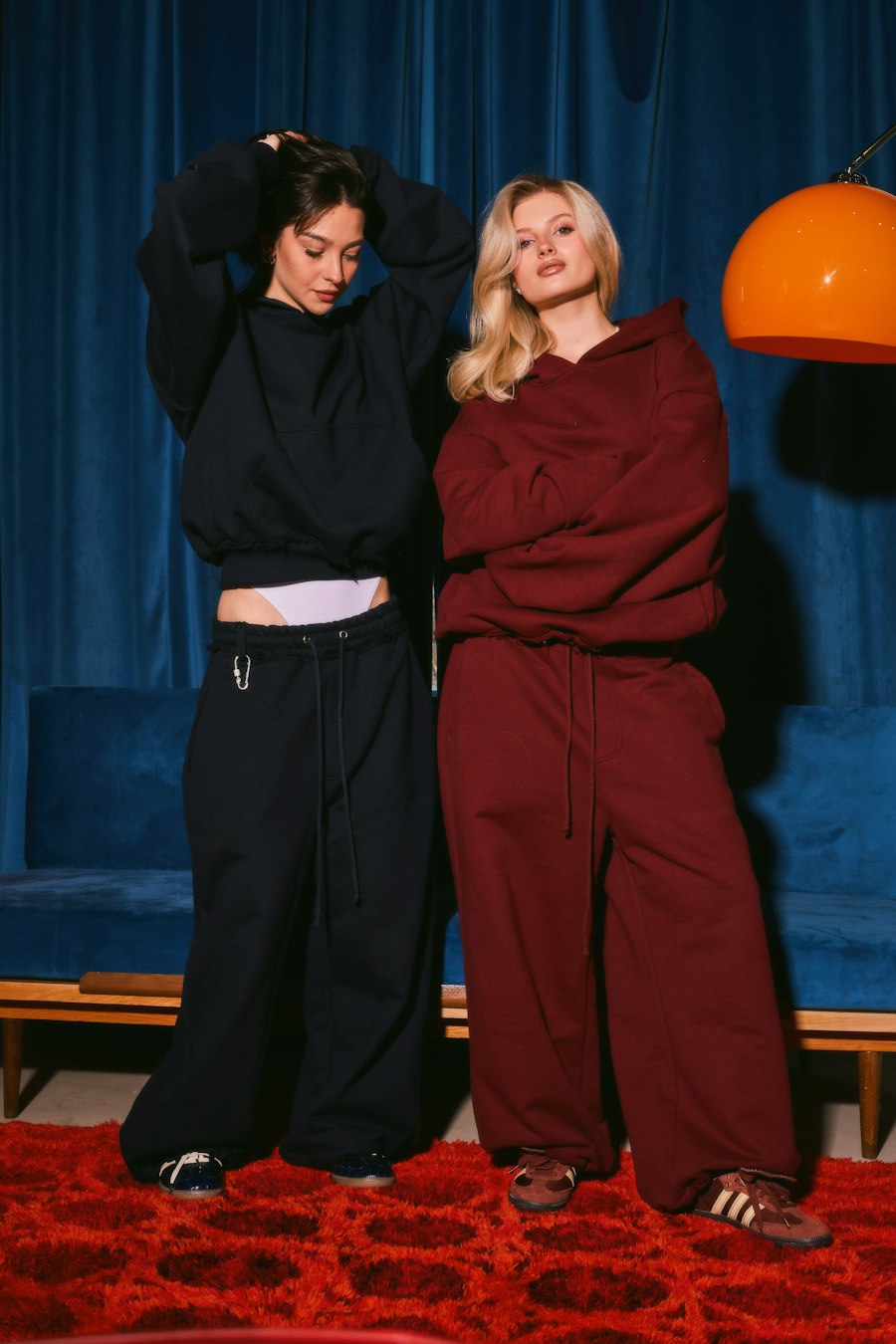
Suppliers name the two builds of French terry by the number of yarns in the knit: two-thread and three-thread, or 2-end and 3-end on some spec sheets. Two-thread fabric has its loop yarn caught into the back of the face yarn at intervals of a few stitches. Most lightweight French terry is built this way. Mills knit three-thread fabric for the thick loop yarn of a heavy, boxy hoodie and tie that yarn to the face with a third, thin binding yarn that is usually polyester. Its higher price comes from the heavy loop yarn and the third yarn feed. Heavyweights are three-thread with few exceptions. Midweight fabric comes in either build.
French terry is thicker than T-shirt jersey and hangs in a firmer, cleaner line. It stretches mostly across the width. Cotton French terry recovers slowly. Cuffs, hem bands and waistbands are cut from stretchier rib knit that grips the wrist and waist.
You see the knitting better on the back of a sample than on the face. Loops on a well-made fabric sit close together there at one even height.
Brushed French terry

Fleece is usually brushed from three-thread fabric on a machine that pulls fibers out of the loops with rollers covered in fine wire and raises them into a pile. Brushed fabric costs you more for that extra step.
Loopback, cooler than fleece and more breathable through its open loops, is the fabric for spring and fall styles, lounge sets and athleisure worn to and from the gym. Most winter hoodies are fleece. Cotton in either form stays wet and heavy for a long time after a hard workout, and pieces your customers will train in are better made in all-polyester French terry.
Loopback is the safer order for a style that must look new after dozens of washes. Fleece sheds loose fibers onto other clothes in its first few washes. Raised fiber ends tangle into pills as the garment is worn.
Yarn specs
Softness and price rise together across the three common cotton yarns in French terry, from open-end through ring-spun to combed ring-spun. Open-end yarn is spun at high speed on rotors and feels the roughest. Combed yarn has had its short fibers removed before spinning. Many mills keep the price down with a combed ring-spun face over open-end loops. Ring-spun loops feel softer against the skin. Open-end yarn throughout is fine for giveaway hoodies.
English cotton count (Ne) rises as yarn gets thinner, and Ne 32 weighs half as much per meter as Ne 16. A /1 after the count marks a single strand. Polyester binding yarn is a thin filament measured in denier (D) and costs little next to the cotton. Midweight three-thread fabric is often specified with Ne 32/1 combed cotton on the face, a 75D polyester binding yarn and Ne 16/1 open-end cotton in the loops. Loop yarn on a heavyweight spec goes as coarse as Ne 10/1. Ne 64/2 is two strands of Ne 64 plied together and weighs as much per meter as the single-strand Ne 32/1. A face yarn written as Ne 32/2 by mistake weighs twice as much. You hold the bulk fabric to the approved spec once the three yarns are written on the purchase order exactly as quoted.
Skew shows up after washing as side seams that swing toward the front or the back of the garment. Two things cause it: twist in the yarn and the slant built into the rows of stitches when a circular machine knits from many yarn feeds at once. Which way the seams swing depends on the direction of twist in the yarn. Ring-spun faces skew more than open-end ones, and two-ply yarn of either kind usually skews very little but costs more per kilo. If you choose a single ring-spun face for its softness, you need a skew limit in the order. Buyers commonly set it at 5% for knit tops and measure it after washing under AATCC 179 or ISO 16322-3.
Weight classes
Mills state the weight of French terry in grams per square meter and abbreviate the unit as g/m² or GSM. The g/m² that matches a US blank you already sell is its weight in ounces per square yard (oz/yd²) times 33.9. Your 10 oz/yd² hoodie works out to 339 g/m² and falls in the heavyweight class. Some mills quote the greige weight of the undyed knit straight off the machine. Finished weight after dyeing is the figure to compare across suppliers.
| Weight class | g/m² | oz/yd² | Typical garments |
|---|---|---|---|
| Lightweight | 180 to 239 | 5.3 to 7.0 | Shorts, dresses, cardigans, kids' wear, layering pieces |
| Midweight | 240 to 319 | 7.1 to 9.4 | Most crewnecks and hoodies |
| Heavyweight | 320 and up, some past 400 | Over 9.4, some past 11.8 | Heavy hoodies, sweatpants, boxy streetwear cuts |
Anything from 285 to 315 g/m² (8.4 to 9.3 oz/yd²) is acceptable on a 300 g/m² order under the common ±5% tolerance on finished weight. Weigh a swatch cut from unwashed fabric. Washed swatches read heavier once the knit draws together and can make light fabric look as if it passes.
Wash shrinkage
Cotton French terry usually comes back from the dye house longer and narrower than it was knitted and shrinks back in the first washes when the stitches relax toward their original shape. Fabric pulled out in finishing to hit a target width or weight shrinks more. If the mill knits tighter, the garment keeps its length better in the wash but narrows more across the chest.
Five percent in length and width is a common shrinkage limit for cotton knits. That works out to 3.5 cm (1.4 in) off a 70 cm (27.6 in) body length. Put the test method and the number of wash-and-tumble-dry cycles next to that limit in the order. AATCC 135 is the home-laundering test for US orders (ISO 5077 in Europe). Much of the shrinkage shows up after the first wash and tumble dry, yet the recommended minimum before you treat a result as final is five cycles. Bulk fabric is dyed and finished in a different batch from your sample and may shrink more than the sample did, and you get the figure that counts from a shrinkage test on the bulk before cutting.
Garments often shrink more than the fabric did in testing once it has been spread in layers for cutting and handled panel by panel in sewing. Some panels of a garment that mixes knits, like a French terry body with rib cuffs, may draw in during cutting and sewing and others may stretch. The size chart you publish should come from a sample garment that has been washed and tumble dried.

Preshrunk French terry has been through a compactor that pushes the knit together lengthwise to cut length shrinkage. A compacted cotton single jersey tested by Cotton Incorporated shrank 4.5% in length and 6.0% in width after five washes and tumble dries, against 7.3% and 3.5% for an uncompacted control dried without tension. Read the width figure on a preshrunk fabric's test report as closely as the length. Cropped and fitted styles gain the most from preshrunk fabric. Lost length shows on them first. Your pattern maker adds the expected shrinkage to the pattern for fabric that is not preshrunk and for garments that will be dyed after sewing.
Dryer heat made no difference to total shrinkage when Cotton Incorporated tumble dried a cotton interlock knit at 38, 66 and 94°C (100, 150 and 200°F). Anyone who follows a "tumble dry" care label will see the full shrinkage left in the fabric. Garments washed inside out keep more of their print and pill less on the face.
Fiber blends
You pay less for French terry as the polyester share rises and get a slicker hand against the skin. If your hoodies sell on the softness of their cotton, you will want 80% cotton or more. Blends of 60/40 and 50/50 are fair game for basics that compete on price. CVC stands for chief value cotton and covers any blend with more cotton than polyester. Even a 52/48 fabric that feels close to 50/50 can be sold under that name. A cotton face over polyester loops looks like all-cotton from the outside. Close-fitting joggers in all-cotton French terry bag at the knees with wear. The usual fix is 3 to 5% spandex.
Strong polyester fibers in a blend anchor pills to the surface long after cotton pills would have washed away. They build up at the underarms and other spots that rub. An enzyme finish at the mill removes loose fiber ends from the cotton in the fabric and has no effect on the polyester.
Because polyester fibers do not swell in water the way cotton fibers do, cotton-polyester blends usually shrink less than all-cotton French terry and make a 5% shrinkage limit easier to meet on fitted and cropped styles.

Which print methods work depends on the fiber in the face of the fabric. Discharge ink removes the garment's dye where the design is printed and leaves a print that feels softer than ink laid on the surface. It works best on dark cotton garments and less well on blends and synthetic fibers. Direct-to-garment (DTG) printers spray a water-based ink that bonds best with cotton. Printers commonly use plastisol screen-print ink on 50/50 and CVC faces. Plastisol sits on top of the fibers and feels heavier than a discharge print.
Reactive dye bonds with cellulose fibers such as cotton, rayon and lyocell and gives pieces dyed after sewing a bright, even color. Polyester stays white. A polyester binding yarn shows through the dyed cotton as pale flecks, and polyester sewing thread ends up as contrast stitching. You need cellulose fiber down to the binding yarn and cotton-wrapped core-spun thread for a solid color.
You can label a garment "organic" under the Global Organic Textile Standard only when it has at least 95% certified organic fiber, or 70% for the wording "made with organic materials." Certification must cover the chain from the cotton gin to the factory that sews the garment. Fabric with recycled polyester needs at least 20% recycled content for Global Recycled Standard certification between businesses and 50% for the standard's label on a consumer product.
Rayon French terry
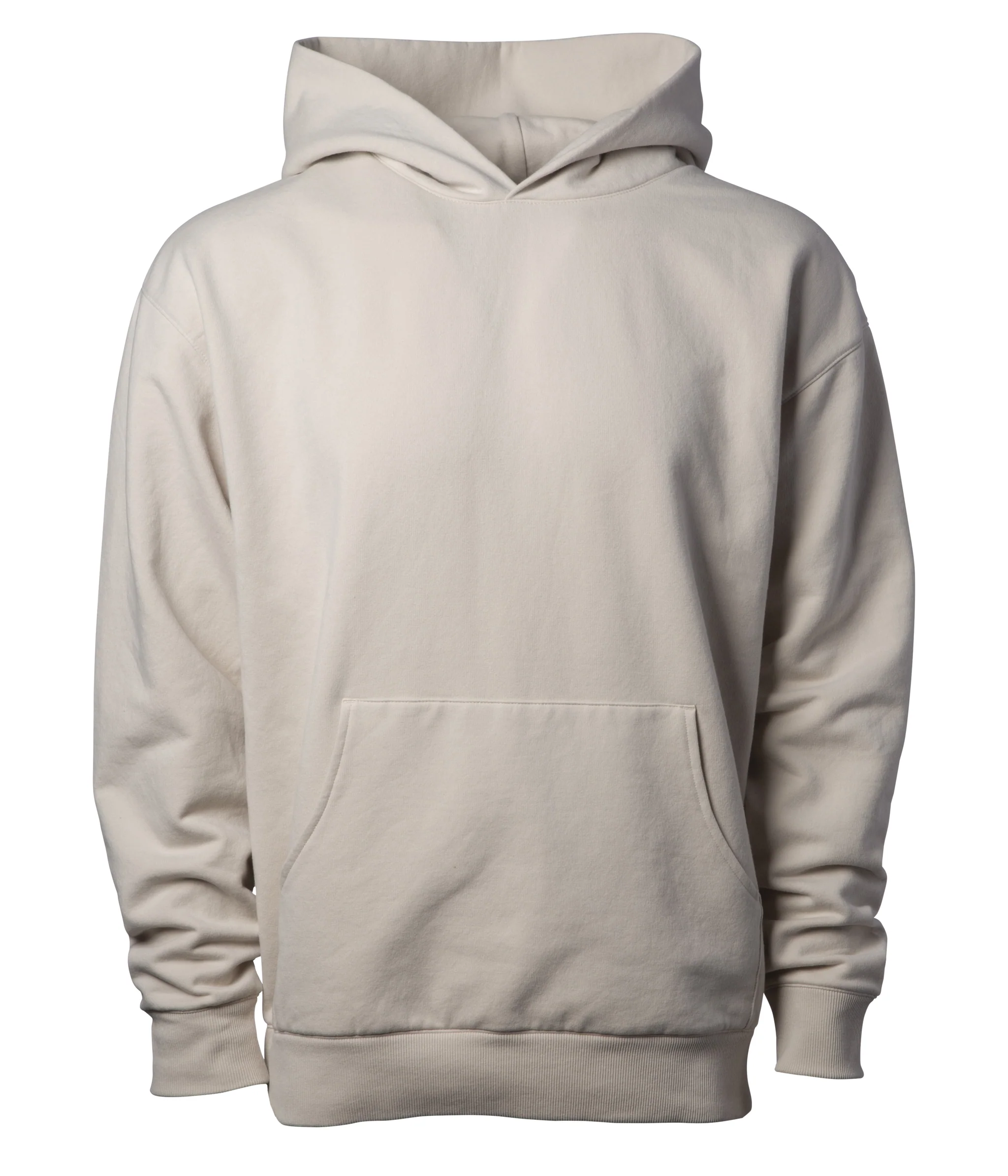
Rayon French terry in viscose, modal or bamboo-based versions is common in loungewear and kids' wear. It drapes more softly than cotton and feels cool against the skin. Rayon and the cotton-polyester-rayon tri-blends can shrink more than all-cotton French terry. The Federal Trade Commission says most "bamboo" textiles, if not all, are really rayon and should be labeled and advertised as rayon made from bamboo.
Decorated French terry
Small type and hairline detail print sharpest on a dense, tightly knitted face of combed ring-spun cotton. Silicone softener leaves a slick surface that prints and heat transfers do not grip well. Fabric for the styles you decorate should come without it. High pressure on a heat press crushes the loops behind a transfer. The crushed loops leave a shiny outline on dark French terry. Printers prevent it with lower pressure or a pad under the print area.

Dense embroidery and big appliqué patches pucker lightweight French terry unless the embroiderer backs the fabric with a cut-away stabilizer that stays on the inside.
Reverse French terry garments are sewn with the loops on the outside for a textured, towel-like look. A screen print laid over those loops cracks into a patchy image. Your logo goes on as embroidery, stitched through a water-soluble film that keeps the stitches from sinking into the loops and dissolves in the first wash, or as a print on a smooth panel such as the hood lining or a pocket. Hook-and-loop fasteners and rough bag straps snag the exposed loops.
Dyed French terry
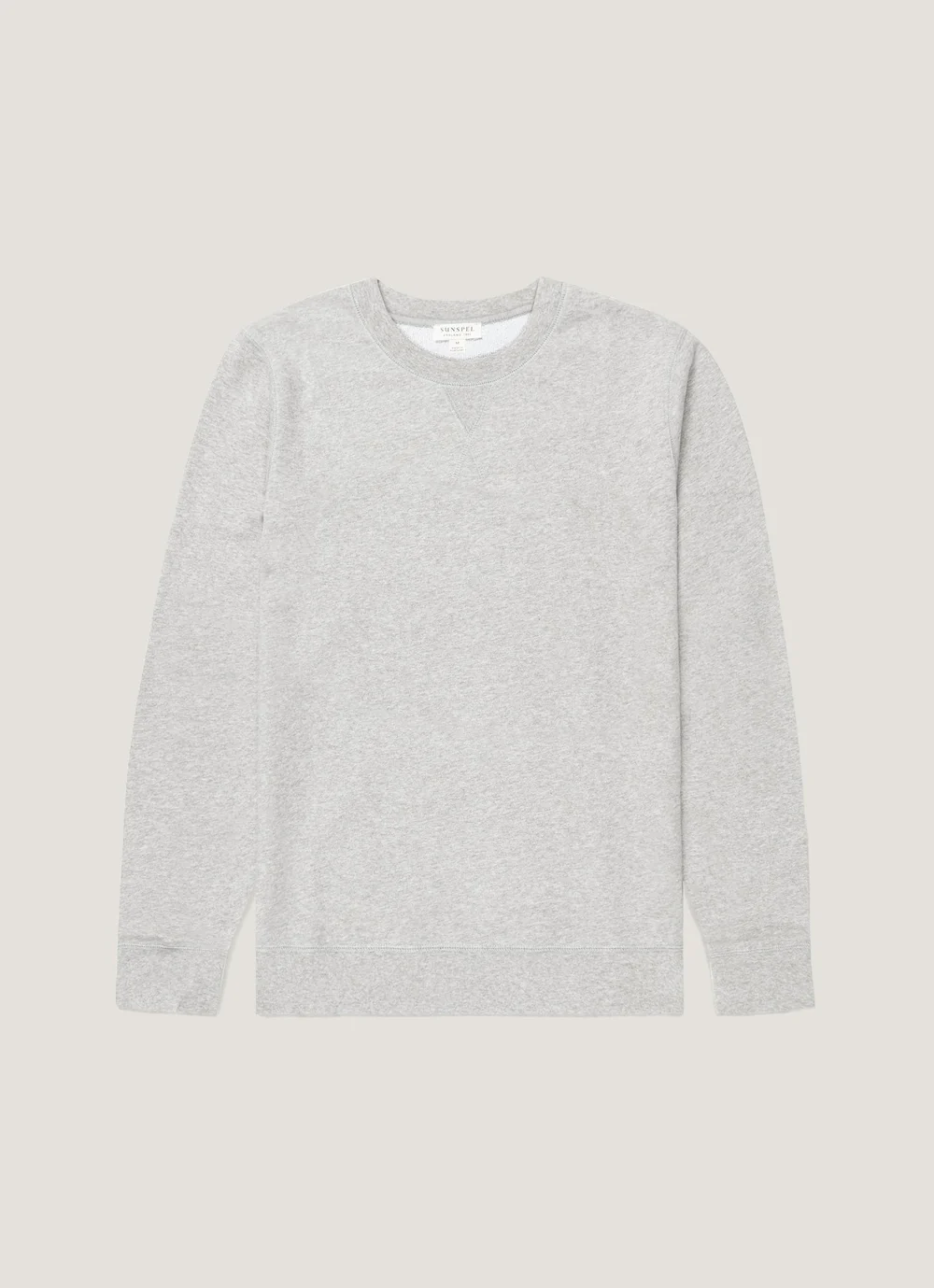
Sage joggers and a hoodie cut from two dye lots can look like two different greens once someone wears them together. Order the fabric for a matching set from one lot and have the pieces cut together. Mills usually want 300 to 500 kg (660 to 1,100 lb) of fabric before they dye a custom color. That quantity covers several hundred hoodies. Smaller orders go into the stock colors a mill keeps on hand. Heather gray is the classic stock color and is knitted from yarn spun from a mix of dyed and undyed fibers.
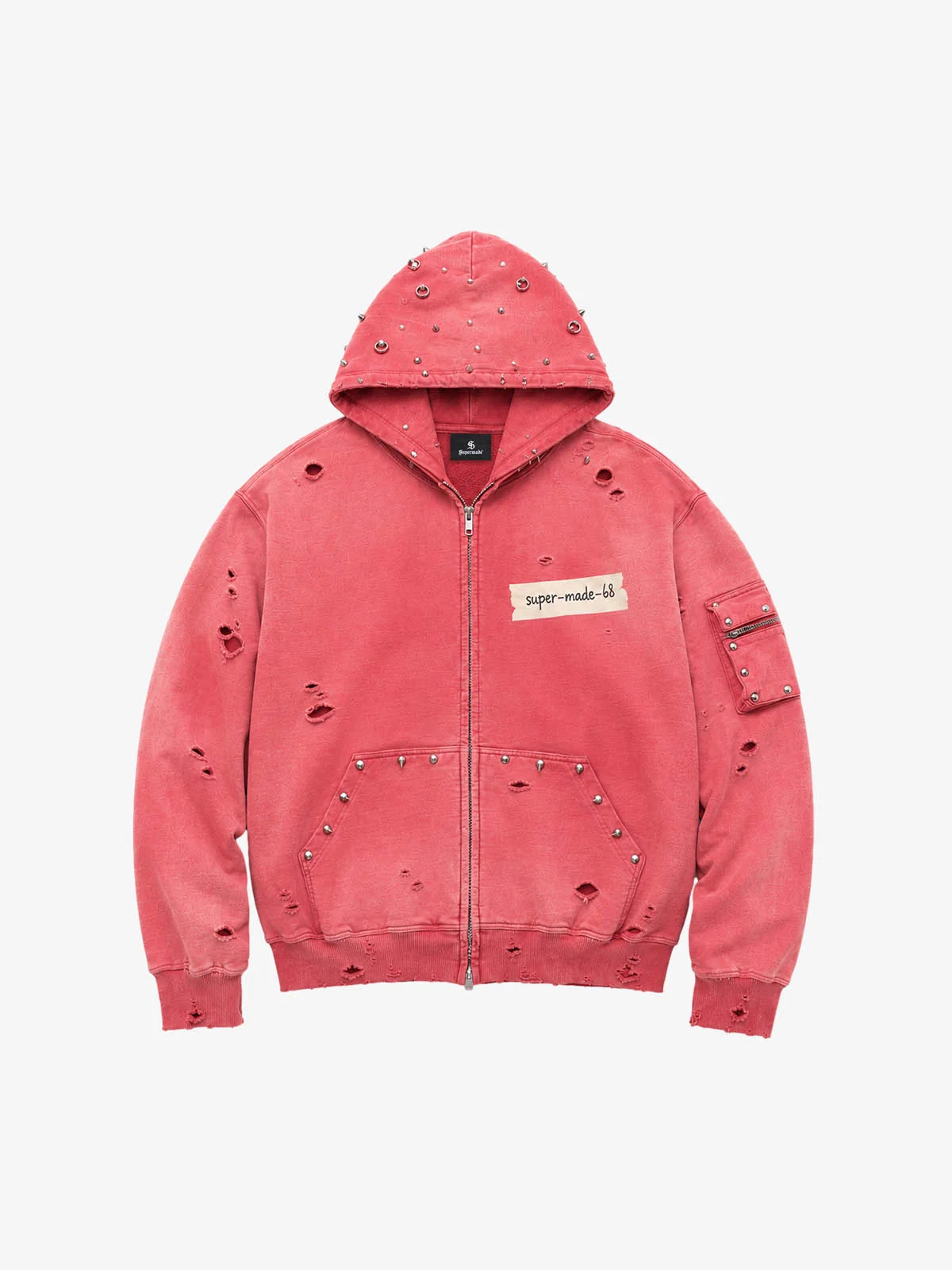
Garment-dyed styles are sewn from undyed French terry and dyed after sewing, color by color, in small batches. They cost more per piece. The extra cost is easiest to justify on small orders spread across many colors or on styles meant to look washed and broken in. Pigment dye is bonded to the fiber surface with a binder and fades to that washed, worn-in color within a few washes. The pieces have done most of their shrinking in the dye bath by the time they reach you.
Flammability rules
Before a hoodie goes on sale in the US, you need to know whether its fabric must pass the burn test in the federal flammability standard for clothing textiles (16 CFR 1610). Plain-surface fabric of 88 g/m² (2.6 oz/yd²) or more is exempt from testing whatever its fiber, and fabric made entirely of acrylic, modacrylic, nylon, olefin, polyester or wool, or of a mix of those fibers alone, is exempt at any weight. The exemptions cover testing only. You must list 16 CFR 1610 on the Children's Product Certificate for kids' sizes even when the fabric is exempt from testing.
The weight exemption does not apply to a fabric with an intentionally raised fiber or yarn surface such as a pile or nap. The US Consumer Product Safety Commission (CPSC) gives terry cloth and fleece as common examples of raised-surface fabric and says the classification depends on how the fabric is made. Fleece has its pile raised on purpose. Any cotton, rayon or spandex in it means a burn test. The brushed inside of an unlined fleece hood is tested as an exposed part of the garment. CPSC staff named certain polyester/cotton and all-cotton fleece, along with all-cotton terry cloth, in 2016 training slides as fabrics that commonly fail the standard.
Loopback has no brushed pile, yet the agency puts looped terry cloth on its list of raised-surface examples. Ask your testing lab to classify it before you rely on the weight exemption. If the lab classes the loops as a raised surface, loopback needs a burn test unless it is made entirely of exempt fibers. All-cotton loopback and polyester loopback with spandex would then need the test.
Sources
- Cotton Incorporated (funded by US upland cotton growers and importers), "A Guide to Improved Shrinkage Performance of Cotton Fabrics," Technical Bulletin ISP 1009, 2004
- Printwear & Promotion, "Discharging in Screen Printing," March 12, 2020
- Standard for the Flammability of Clothing Textiles, 16 CFR 1610.1 and 16 CFR 1610.2
- US Consumer Product Safety Commission, "Clothing," business FAQ, and "Overview of U.S. Requirements for Textiles/Apparel," training slides, September 2016
- Federal Trade Commission, "How to Avoid Bamboozling Your Customers," August 2009
- Global Organic Textile Standard, "All Processing Stages" and "Label Grades"
- Textile Exchange, "In the GRS it mentions that the minimum content percentage is 20% but in the Standards Claims Policy it says the minimum is 50%. What does this mean?" FAQ