What Is Tencel Fabric?
Tencel fabric is made with fibers sold under Lenzing’s TENCEL™ brand. Clothing labels most often refer to TENCEL™ Lyocell or TENCEL™ Modal, and either fiber may be used alone or blended with cotton, linen, elastane and other fibers.
Lyocell and modal belong to the regenerated cellulosic family. Their starting material is cellulose obtained from wood pulp, but the finished fabric is created much later, after the fiber has been spun into yarn and the yarn has been knitted or woven, dyed and finished. Those later decisions are the reason one Tencel fabric can be light and fluid while another is dense enough for trousers or denim.
A label that says Tencel therefore identifies an important part of the material, but it does not tell you the finished GSM, construction, usable width, stretch, shrinkage, air permeability, surface finish or sewing behavior.
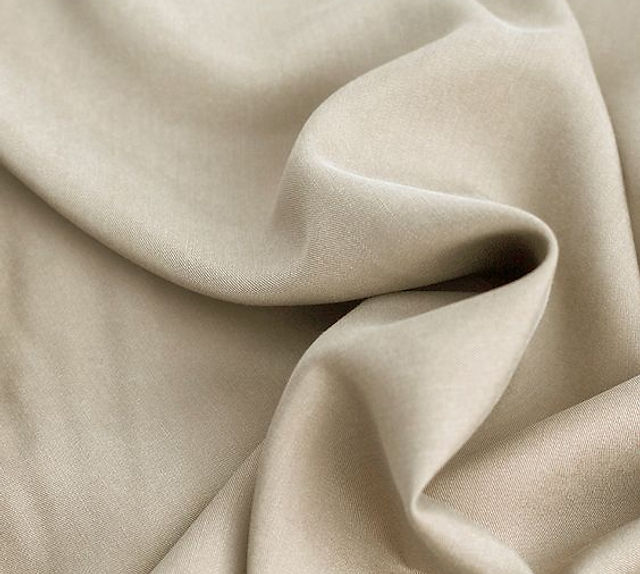
One Real Tencel Fabric Roll
Ecological Textiles currently lists a 100% Tencel plain weave at 140 GSM and 150 cm wide, with published dimensional change of approximately 2% along the warp and 1% across the weft.
These are finished-fabric numbers, which is exactly the level at which garment development becomes practical. A 150 cm usable width can be entered into marker planning, while the 140 GSM weight gives the team a clearer idea of how much body the fabric will carry in a shirt, dress or trouser shape. The directional shrinkage also gives the sample room a starting point for checking the pattern after the intended wash cycle.
If the bulk fabric arrives at a different width or settles to a different measurement after washing, consumption and fit can both move. That is why mills and factories normally work from the finished roll rather than treating the fiber name as a complete specification.
What TENCEL™ Means on a Label
Lyocell is the generic fiber name. TENCEL™ is Lenzing’s trademark, so a material described as TENCEL™ Lyocell identifies Lenzing as the branded fiber producer. Lyocell produced elsewhere remains lyocell under the generic name.
Lenzing also sells Modal within the TENCEL™ family. A request for “Tencel jersey” can therefore leave an important sourcing question open, because the supplier still needs to know whether the intended fiber is Lyocell, Modal or a blend.
100% TENCEL™ Lyocell
95% TENCEL™ Lyocell / 5% elastane
Fiber content belongs beside the rest of the fabric information: yarn count, knit or weave construction, finished GSM, usable width, dye method, surface finish and whatever performance requirements the garment actually needs.
Where the Cellulose Comes From
Tencel is sometimes described casually as eucalyptus fabric, although Lenzing’s wood sourcing includes several species. Its 2025 information lists beech, spruce, ash, birch and poplar in European supply, with pine, ash, aspen, maple, fir and hemlock appearing in North American sourcing. Eucalyptus is used in other regions, including parts of South America and South Africa.
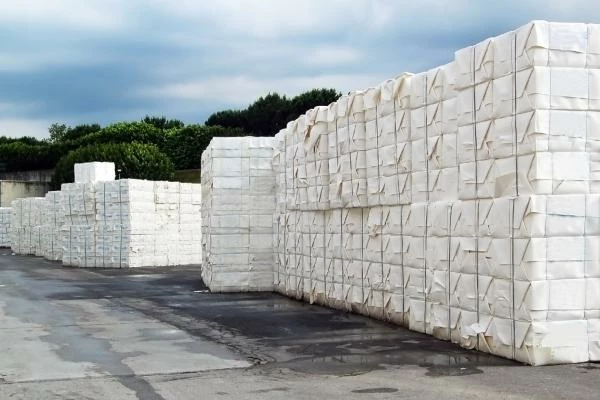
The textile process does not begin with raw wood entering a spinning machine. Wood has already been converted into dissolving-grade pulp, which Lenzing describes as containing more than 90% cellulose with impurities controlled closely enough for later dissolution and fiber formation.
Inside the TENCEL™ Lyocell Process
TENCEL™ Lyocell uses a solvent system based on N-methylmorpholine-N-oxide, normally shortened to NMMO. Cellulose pulp is brought together with NMMO and water under controlled conditions, then water is progressively removed until the cellulose has dissolved into a viscous spinning solution.
After filtration, this solution passes through spinneret openings and forms fine streams. They travel through an air gap before entering coagulation, where cellulose becomes solid filament again; washing then removes residual solvent from the newly formed fiber.
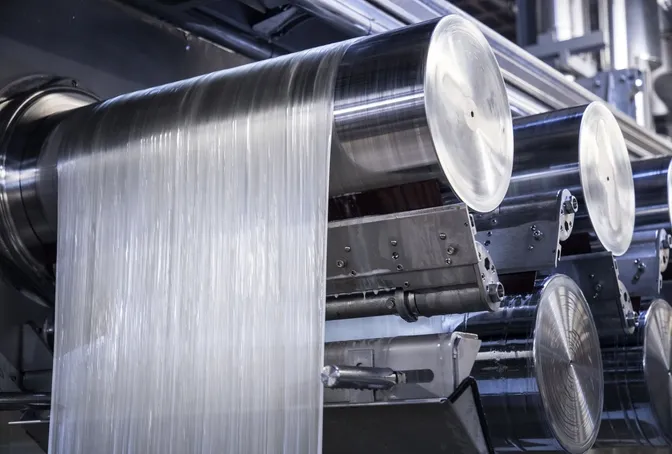
Finishing and drying follow, and staple grades are cut to lengths suitable for yarn spinning. Lenzing currently reports approximately 99.8% recovery and reuse of NMMO in its commercial closed-loop lyocell process. That figure belongs to Lenzing’s defined process and should not be treated as an automatic solvent-recovery value for every generic lyocell producer.
A 1.3 dtex Fiber in the Lab
A published Lenzing dataset tested a commercial 1.3 dtex Tencel fiber and recorded measurable changes after wetting.
| Property | Result |
|---|---|
| Conditioned tenacity | 40.2 cN/tex |
| Wet tenacity | 37.5 cN/tex |
| Conditioned elongation | 13.0% |
| Wet elongation | 18.4% |
The fiber retained much of its tensile strength in the wet state, while elongation increased. That matters during washing and wet finishing because the fiber is being swollen and moved mechanically at the same time.
Lenzing has also published data for a 1.3 dtex / 38 mm Lyocell LF grade with conditioned tenacity around 33 cN/tex, wet tenacity around 27 cN/tex, and moisture around 10.5%. The difference between published grades is enough to show why fiber data should stay attached to the exact grade being discussed instead of becoming a universal “Tencel strength” number.
Airflow Through Lyocell Knits
A recent study measured several lyocell knitted structures and found air-permeability results ranging from 67.8 to 471.3 cm³/cm²/s.
| Knitted structure | Air permeability |
|---|---|
| Mesh | 471.3 cm³/cm²/s |
| Single jersey | 217.7 cm³/cm²/s |
| Rib | 87.4 cm³/cm²/s |
| Terry | 67.8 cm³/cm²/s |
The fiber family remained the same, but stitch density, thickness and open area changed the path available for air. This is one reason moisture regain should not be used as a substitute for breathability data: a hygroscopic fiber may absorb moisture, while actual airflow through the garment still depends heavily on the fabric structure built around it.
A lightweight open knit can therefore feel very different in warm conditions from a dense terry made with the same fiber family.
A Commercial Tencel-Elastane Jersey
Manifutura currently lists a single jersey made from 95% Tencel and 5% elastane, with a finished weight of 180 GSM ±5% and a width of 165 cm ±5%.
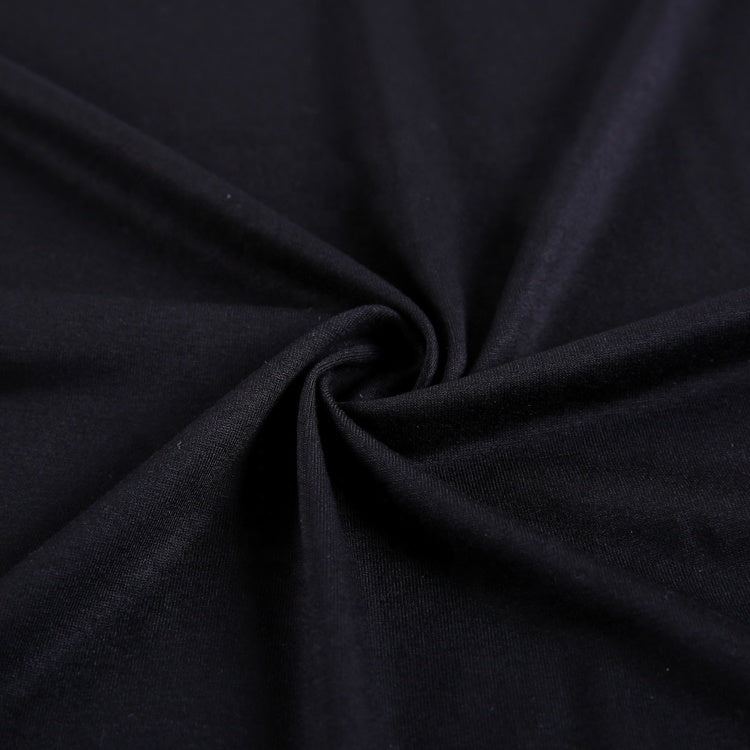
The same quality carries a dimensional-change tolerance of -5% to +5% and twisting of 5%. Those figures still do not tell a pattern maker how much negative ease to build into a fitted top, because the useful development numbers are the finished fabric’s extension under a defined load and the amount of growth that remains after the load is removed.
A 5% elastane content can produce very different stretch behavior depending on yarn construction, stitch density, finishing tension and heat setting. For fitted leggings, tops or underwear, the fabric used for fit approval needs to be the same finished quality that will go into bulk.
What Washing Did to a 110 GSM Interlock
Tintex reference 5764 is a 100% TENCEL™ Lyocell with Micro Technology interlock listed at 110 GSM ±5% and 1.55 m usable width ±5%.
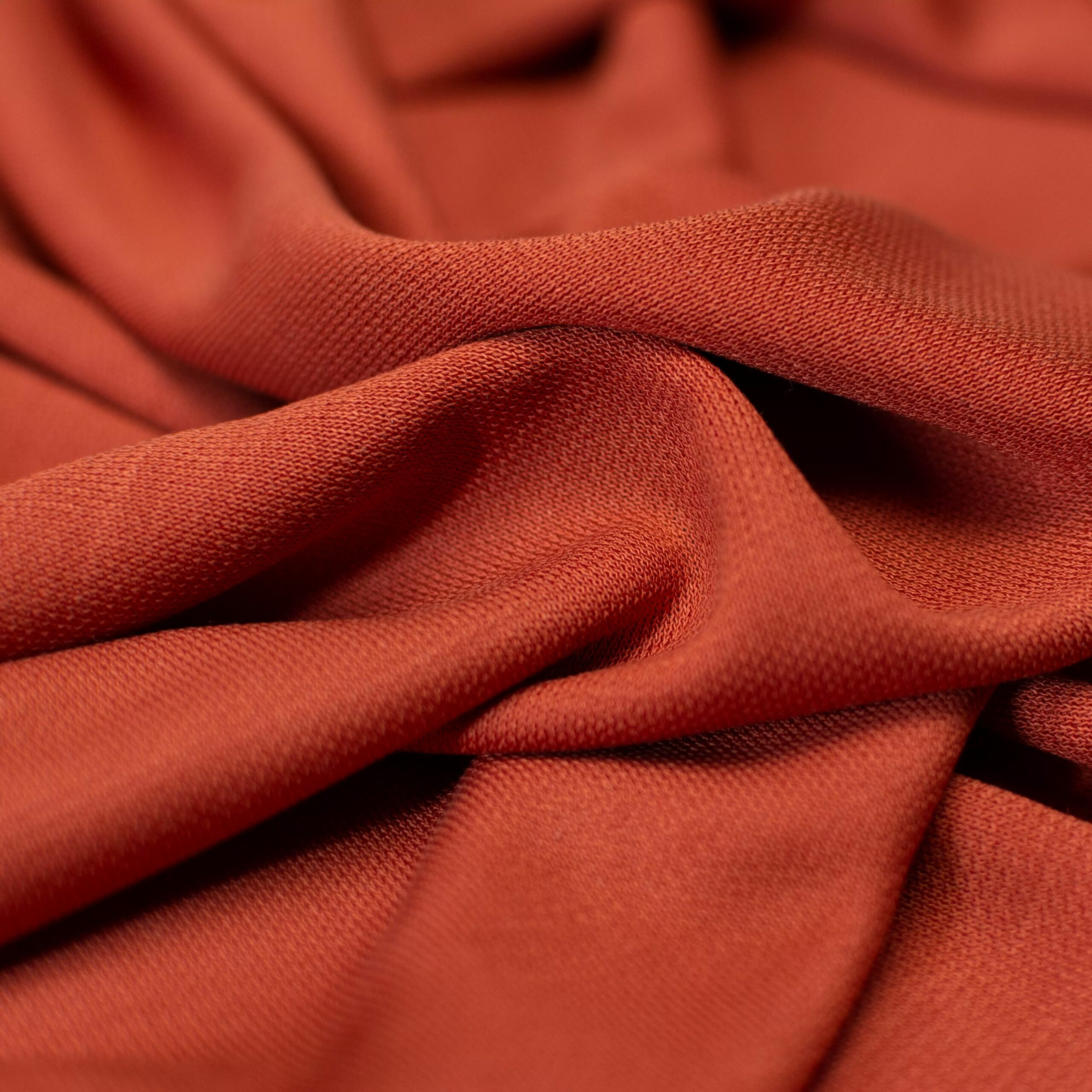
After the supplier’s specified ISO 6330 treatment at 30°C followed by line drying, dimensional change is listed at -6% in length and -6% in width.
If a 60 cm body length followed that full 6% change, the movement would amount to 3.6 cm. That is enough to change where a hem sits and can alter the fit of a close garment, so sample washing needs to happen before final pattern release when a fabric is allowed this much dimensional movement.
The fabric result is still not a finished-garment result. Seams can restrain some areas, rib trims may pull others, and an elastic waistband or binding may change how the garment settles after washing. The production sample is where those effects become visible together.
How Spirality Shows Up at the Side Seam
The same Tintex interlock carries a 3% maximum spirality requirement under its stated ISO 16322-2 procedure.
Spirality develops as yarn torque and knitted-loop geometry relax. On a T-shirt or knit dress, the first obvious sign may be a side seam that begins drifting toward the front or back after laundering, even when chest width or body length still looks reasonably close to the original measurement.
Factories therefore record rotation separately from ordinary length and width dimensional change. A style with a long straight side seam makes even modest twisting easier to see, while panel seams, curved shaping or short body lengths can change how obvious the movement looks on the finished garment.
What Fibrillation Looks Like
Wet mechanical processing can expose a characteristic lyocell surface behavior called fibrillation. Water swells the cellulose, and repeated friction may separate extremely fine fibrils lengthwise from the fiber surface.
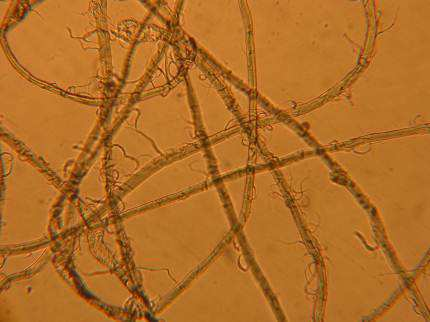
Once raised, these fibrils scatter light differently from the surrounding fabric surface. On navy, black and other deep shades, the affected area can look grey, frosted or hazy even though the visual problem is being created at the fiber surface.
One published cellulase experiment treated lyocell for 60 minutes at 50°C using a 20:1 liquor-to-fabric ratio and an acetate buffer at pH 4.8. Cellulase concentrations of 1.05%, 5.31% and 16.04% were tested, and steel balls were introduced during part of the work to increase mechanical action.
In bulk QC, the useful inspection is usually visual and comparative: check the sealed shade or fabric standard under consistent lighting, then inspect high-friction areas after the agreed wash process. Uneven frosting, streaks, pale fold marks and localized surface haze matter more than a generic statement that lyocell “can fibrillate.”
Building a Peach-Touch Surface
Fibrillation can also be used deliberately when the intended fabric needs a soft, slightly raised hand.
One documented lyocell route first developed primary fibrillation and later treated the fabric with 1% Genencor BP CC cellulase at 55°C for 45 minutes and pH 5.5. The bath was brought to 80°C for 10 minutes to deactivate the cellulase before subsequent dyeing, washing and tumbling.
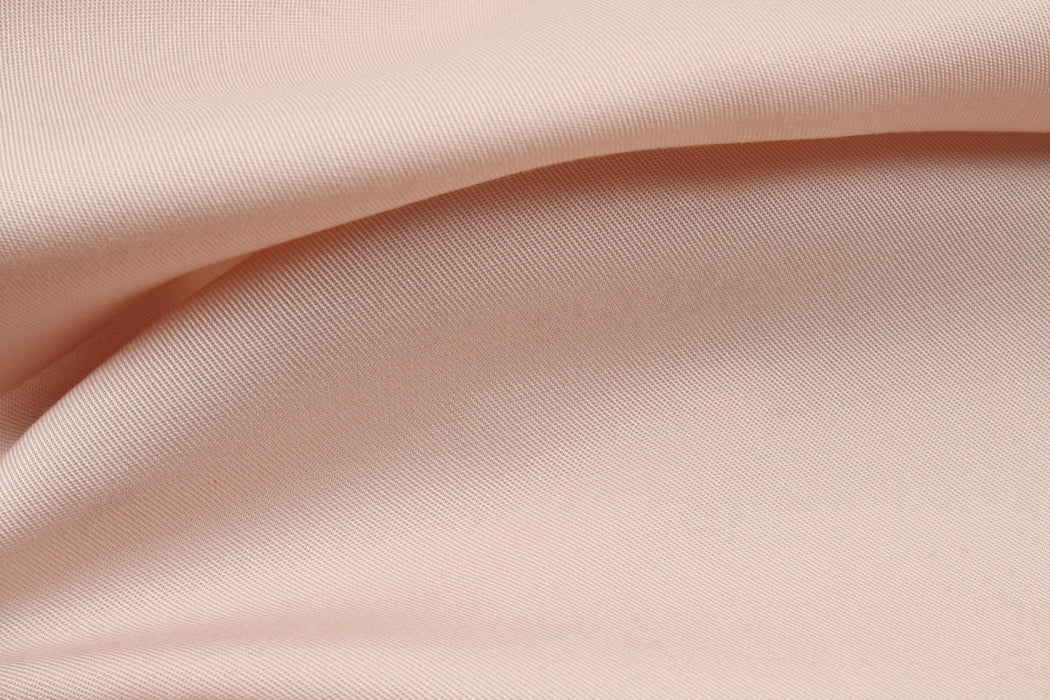
That type of finish depends on controlling how much surface fibrillation is created and how much loose material remains after enzyme treatment. If too much raised fiber is left on a deep shade, the surface can look dusty or prematurely worn; when the process is controlled for a peach effect, the same basic fiber behavior becomes part of the desired hand.
Reactive Dyeing on a Defined Lyocell Fabric
One peer-reviewed dyeing study used a 100% lyocell woven fabric made from Ne 60 yarns at 180 ends and 120 picks per inch.
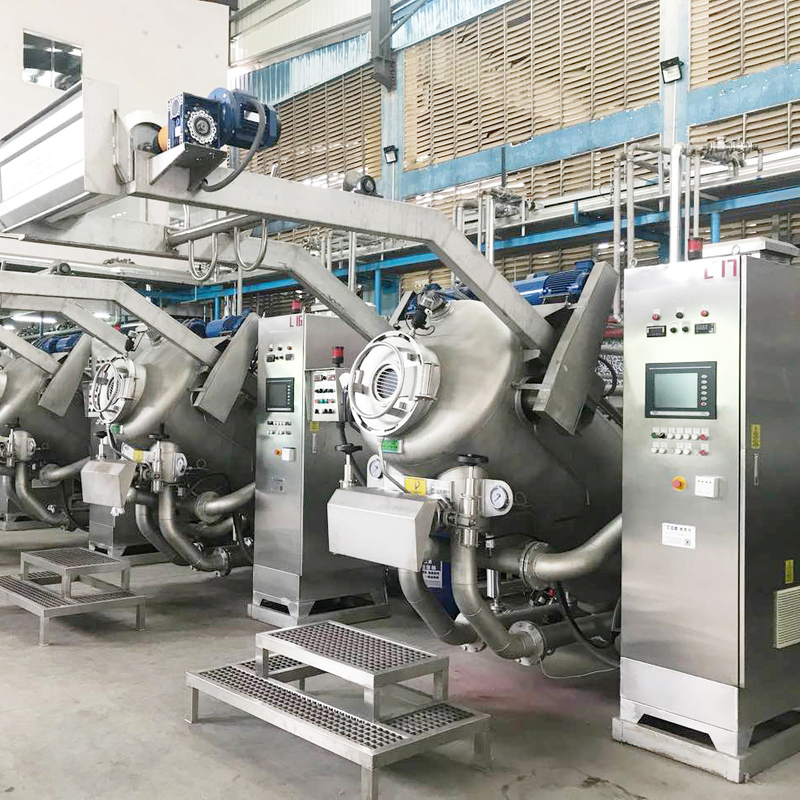
During conventional exhaust trials, color yield increased as temperature rose from 30°C to 60°C for the reactive dyes used in the study, then declined at the higher temperatures tested from 70°C upward.
The researchers also tested ultrasonic-assisted dyeing. Under their comparison conditions, color yield increased by more than 40% and fixation by more than 17%. The optimized route used 10°C less temperature, reduced NaCl by 20 g/L and sodium carbonate by 2 g/L, and recorded a 33% increase in production rate.
Color yield is only part of what a dark lyocell garment needs after dyeing. Surface appearance should still be checked after wet processing because fibrillation can change how a shade looks even when the dye chemistry itself has produced an acceptable color reading. Wet rubbing also deserves attention on saturated shades, especially where the garment will contact bags, seating or other clothing.
Wrinkle Recovery After Finishing
Lyocell crease behavior can be altered during finishing. In one study using 1,2,3,4-butanetetracarboxylic acid (BTCA), the highest reported wrinkle recovery angle reached 147°.
The stronger treatment conditions also affected mechanical performance, with breaking-strength retention reaching a minimum of 68% in the reported experiment.
A lightweight blouse fabric intended to drape softly can therefore require a different finishing balance from a more structured easy-care fabric. The garment team needs the actual treated cloth because wrinkle appearance, hand and retained strength are properties of the finished material rather than fixed characteristics of the word Tencel.
Pilling and Rubbing on a Finished Interlock
Tintex rates its 110 GSM TENCEL™ Lyocell Micro interlock at grade 3 after 11,000 rotations for pilling. Its rubbing-fastness figures also vary with shade depth.
| Condition | Rating |
|---|---|
| Light shades, dry rubbing | Grade 4–5 |
| Dark and black shades, dry rubbing | Grade 3–4 |
| Deep shades, wet rubbing | Grade 2–3 |
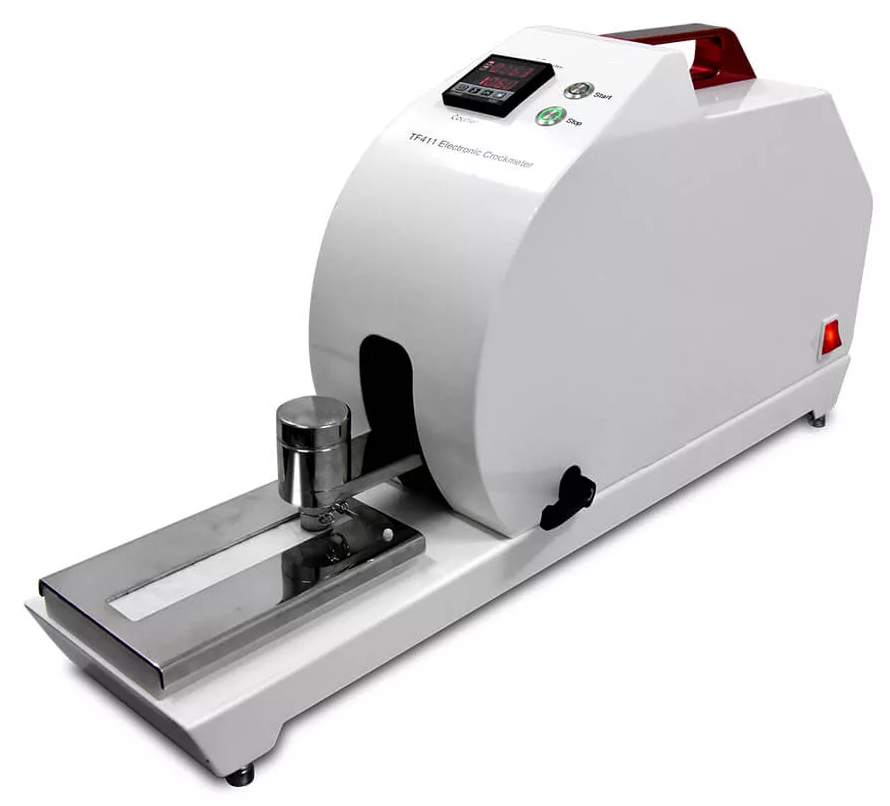
On a black top, repeated contact with a bag strap, seat belt or upholstered chair can make rubbing performance much more obvious than it is on a fresh swatch. For this reason, shade approval and physical colorfastness testing should stay separate; a fabric can match the target color under a light box and still transfer more color than the product specification allows.
What Happens at a Woven Seam
A 2025 woven-fabric study measured one lyocell sample at 178.91 N along the warp and 98.37 N across the weft for tensile strength. During seam testing, yarn displacement reached 3.91 mm in one direction and 5.03 mm in the other.
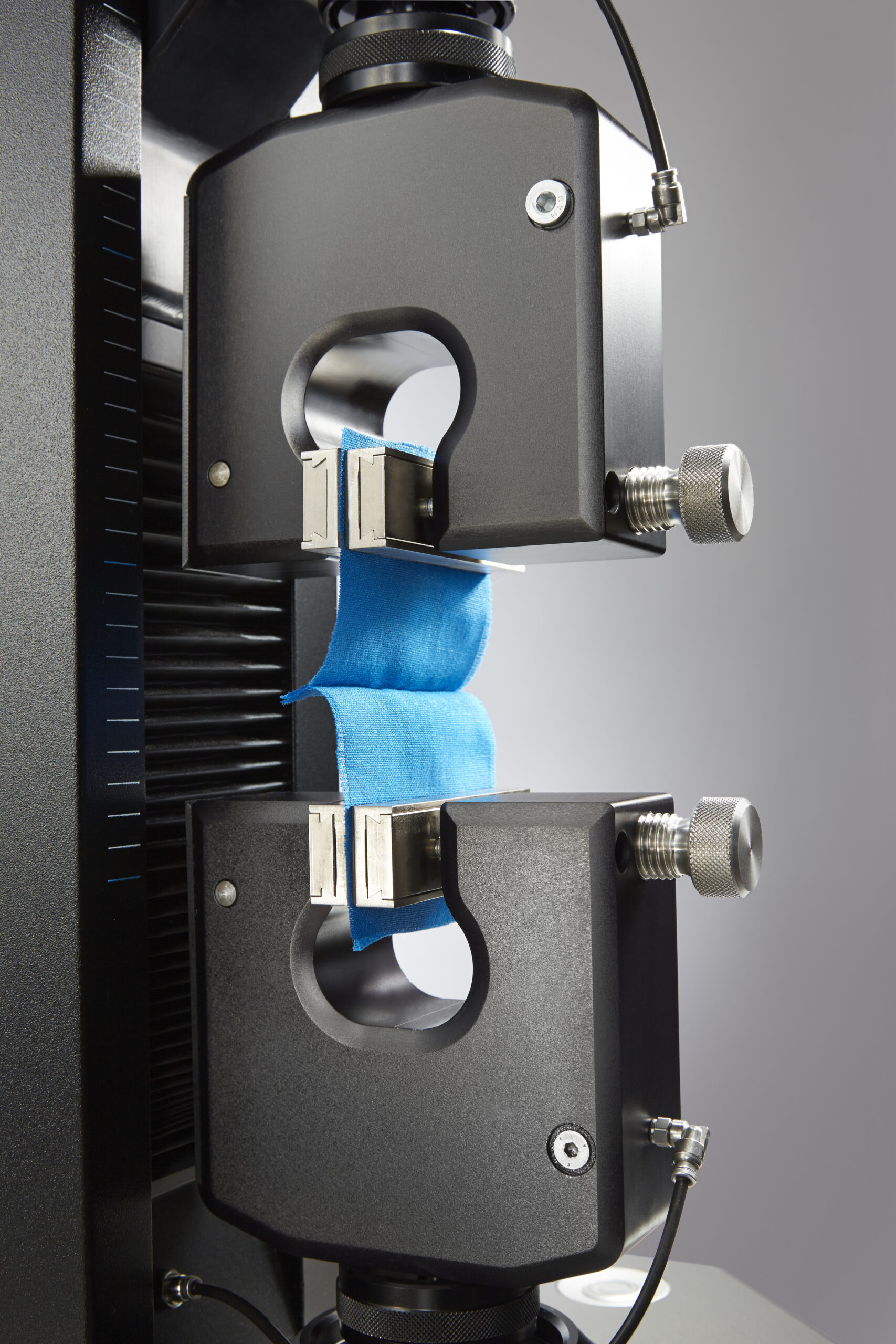
Seam slippage is the movement of yarns away from the stitch line, so visible opening can appear before the yarns themselves break. Loose woven blouse and dress fabrics deserve particular attention around armholes, side seams and fitted areas where the seam repeatedly carries load.
Stitch density alone does not solve this. Fabric density, yarn mobility, seam type, needle choice and feeding all affect what happens once the sewn construction is pulled. A production trial using the real finished fabric gives far more useful information than deciding from fiber tensile strength alone.
Tencel on the Cutting Table
Q Textile currently lists a 100% Tencel woven fabric around 140–150 GSM and 57–58 inches wide. A current TENCEL™ Lyocell twill from Nooteboom is listed at 185 GSM, roughly 147–152 cm wide, and supplied pre-washed.
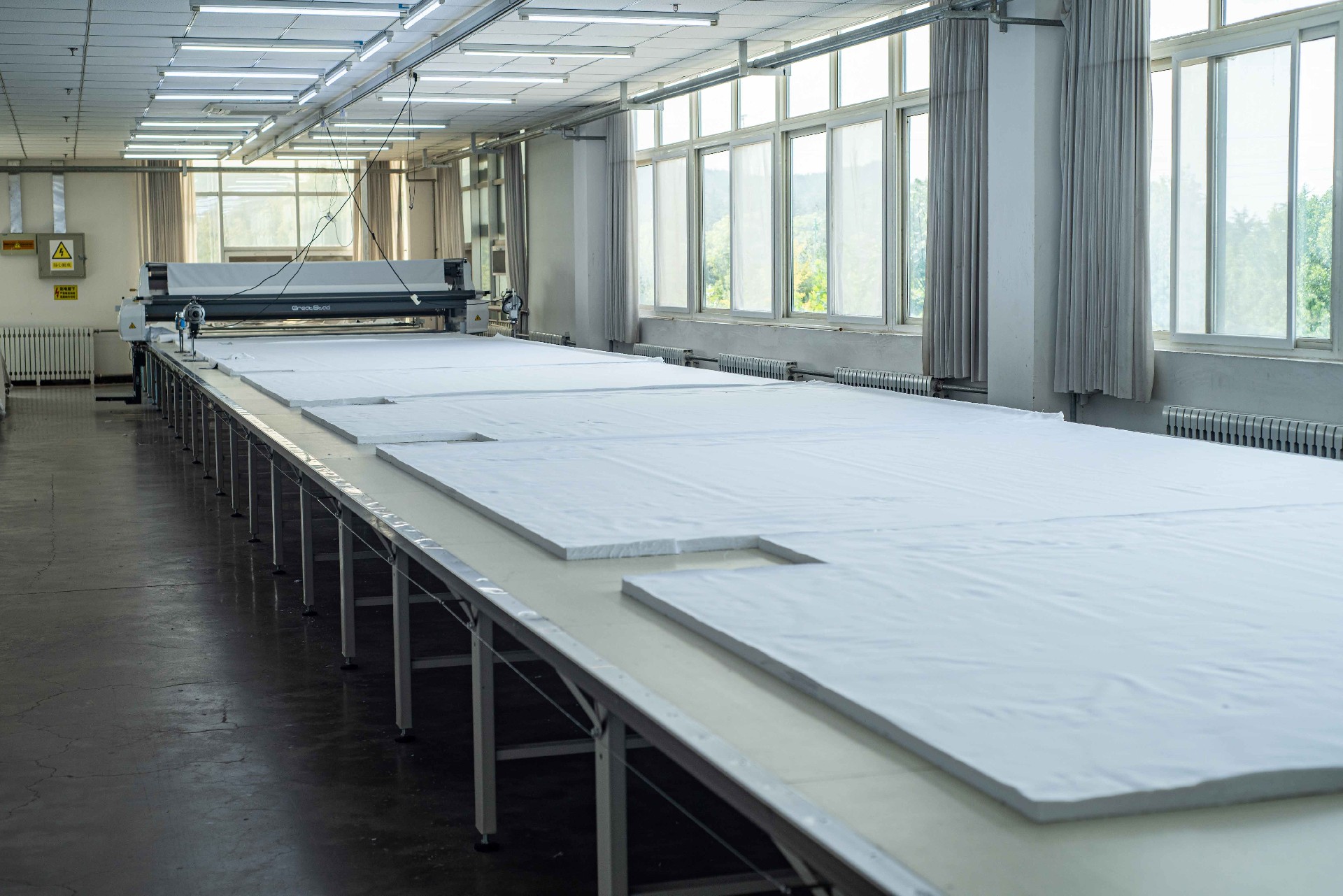
Fluidity becomes a physical handling problem once several plies are spread together. Long dress panels can shift across the lay, smooth surfaces may slide slightly against one another, and matched edges can move enough to create uneven sewing later if the spreading process does not control the cloth.
Fine woven qualities also need the needle and feeding setup checked on the real bulk fabric. An unsuitable needle can leave visible punctures, while excessive differential feeding or poorly balanced tension can create puckering along long seams.
Usable width matters here as well because even a small reduction from the expected finished width can change marker efficiency. When that loss is repeated across a large bulk order, fabric consumption moves with it.
TENCEL™ Modal
TENCEL™ Modal is another regenerated cellulosic fiber sold within Lenzing’s branded portfolio. Lenzing describes its production route as a modified viscose process, in which cellulose goes through chemical preparation before dissolution, filtration, spinning and regeneration.
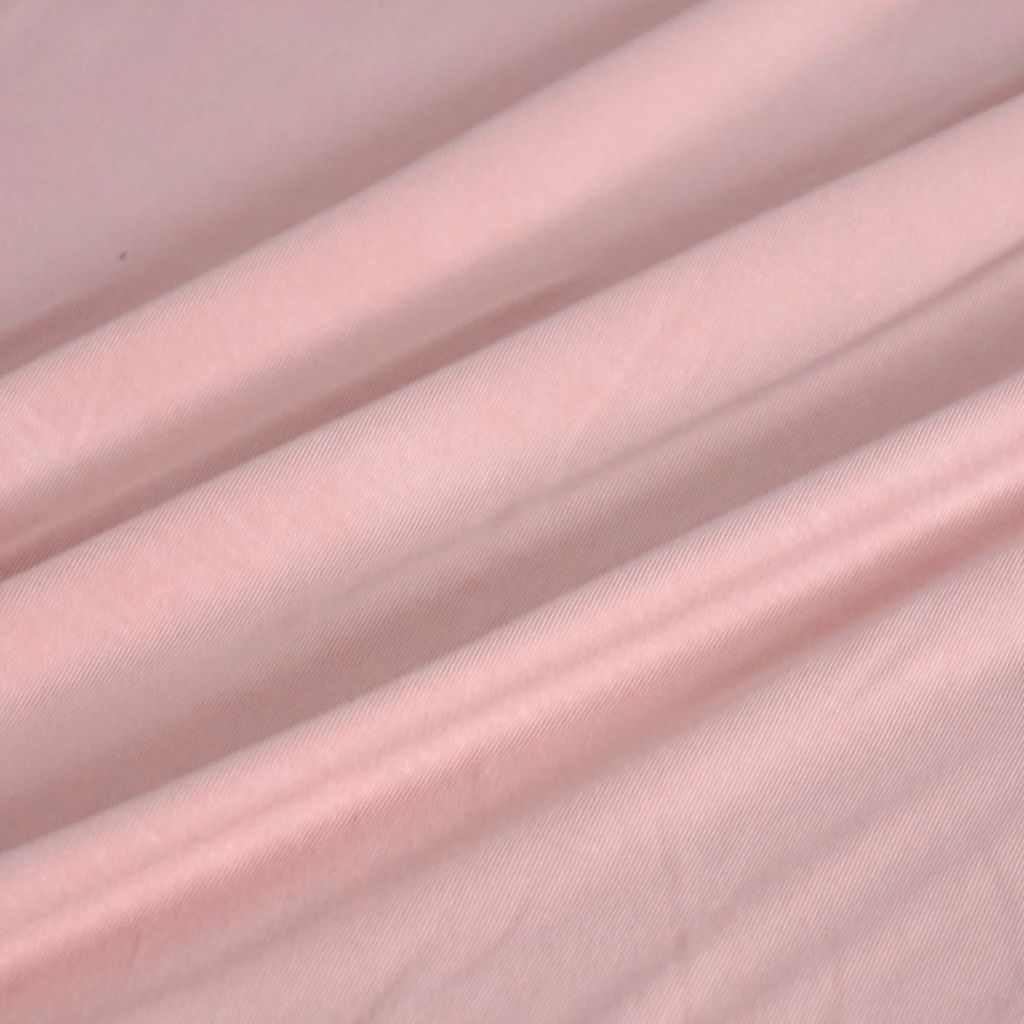
Modal appears frequently in underwear, loungewear and lightweight knitted garments where a soft next-to-skin hand is useful. Lenzing also offers finer TENCEL™ Modal Micro grades for lightweight yarns and fabrics.
For product development, Modal should be named directly when it is the intended fiber. A supplier substituting Lyocell simply because both sit under the TENCEL™ brand can change the yarn route, fabric hand and finishing behavior before the garment has even reached sampling.
Care Conditions for Finished Garments
The Tintex interlock discussed earlier was evaluated using 30°C washing followed by line drying. Q Textile gives a current woven Tencel quality a care instruction allowing machine or hand washing up to 40°C, followed by shade drying.
These examples show why a care label should come from the actual finished product. A garment may include elastane, sewing thread, interlining, prints, bindings, metal trims or a garment wash, and any of those elements can narrow the acceptable washing or drying conditions.
For a fitted knit, the post-wash check should include body length, width, spirality and stretch recovery. A fluid woven garment may need closer attention to seam movement, surface change and wrinkling. Deep shades deserve another look for rubbing and fibrillation after the same care cycle that will appear on the consumer label.
Lenzing’s Current Environmental Data
Lenzing currently reports approximately 99.8% NMMO recovery in its TENCEL™ Lyocell closed-loop manufacturing process. Its current TENCEL™ claims also state at least 50% lower carbon emissions and water consumption for its Lyocell and Modal fibers against the generic references used in the company’s lifecycle and Higg MSI comparisons.
The company’s 2025 sourcing disclosure places the relevant wood input under PEFC, FSC Mix or FSC Controlled Wood categories.
Those claims describe defined parts of Lenzing’s own sourcing and fiber-production system. They do not automatically describe the footprint of a finished dress, T-shirt or pair of trousers because textile manufacturing continues with yarn preparation, knitting or weaving, dyeing, finishing, printing, washing, sewing, trims, packaging and transport.
A sustainability claim on a finished garment therefore needs to keep the boundary clear enough that fiber-production data are not presented as though they covered every later stage of the product.
What Repeated Washing Reveals
Some Tencel problems are difficult to judge from a new roll. A dark lyocell surface can begin showing pale frosting after repeated wet abrasion, and a knit that was not fully relaxed before cutting may continue moving in length, width or side-seam position after laundering.
Fitted stretch garments can develop residual growth around elbows, knees or the waist when recovery is insufficient. Loose woven cloth may begin opening beside seams that repeatedly carry load, while a heavily finished surface can change its hand after several wash cycles.
Repeated laundering is also where earlier production decisions start to interact. Yarn torque may show up as spirality, dimensional instability can alter fit, fibrillation changes the surface of deep shades, and weak recovery becomes visible in areas that are stretched again and again during wear.
The useful comparison is the washed garment against its own sealed measurements, appearance standard and agreed care method, because those are the references used when the product moves from sample approval into bulk production.