What Is Oxford Fabric?
Oxford fabric is a woven textile name that first became established through shirting. Traditional Oxford cloth has a slightly raised, grainy surface created by grouped warp yarns crossing individual filling yarns. The basic structure is commonly described as an irregular 2 × 1 basket weave.
The name later moved into technical textiles. Bag, luggage, tent and cover suppliers now use Oxford fabric for many polyester and nylon woven materials, often identified by specifications such as 210D, 420D or 600D. PU and PVC coatings are also common in this market.
Industrial trade use has broadened the meaning considerably. A technical product can be sold as 600D Oxford, plain weave, PU coated, with the actual weave stated separately on the specification sheet.
That history explains why an Oxford shirt and an Oxford backpack fabric can have little in common beyond the name.
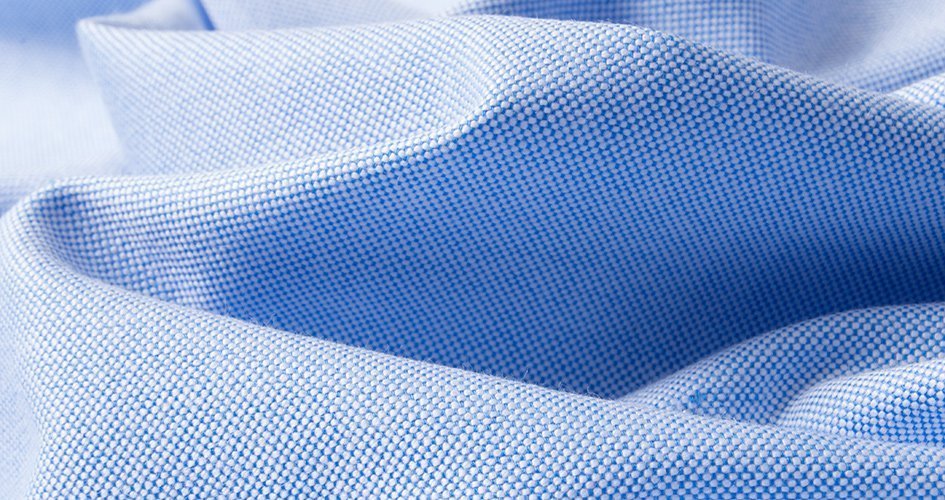
What Traditional Oxford Cloth Looks Like
A light-blue Oxford shirt gives a clear view of the original fabric.
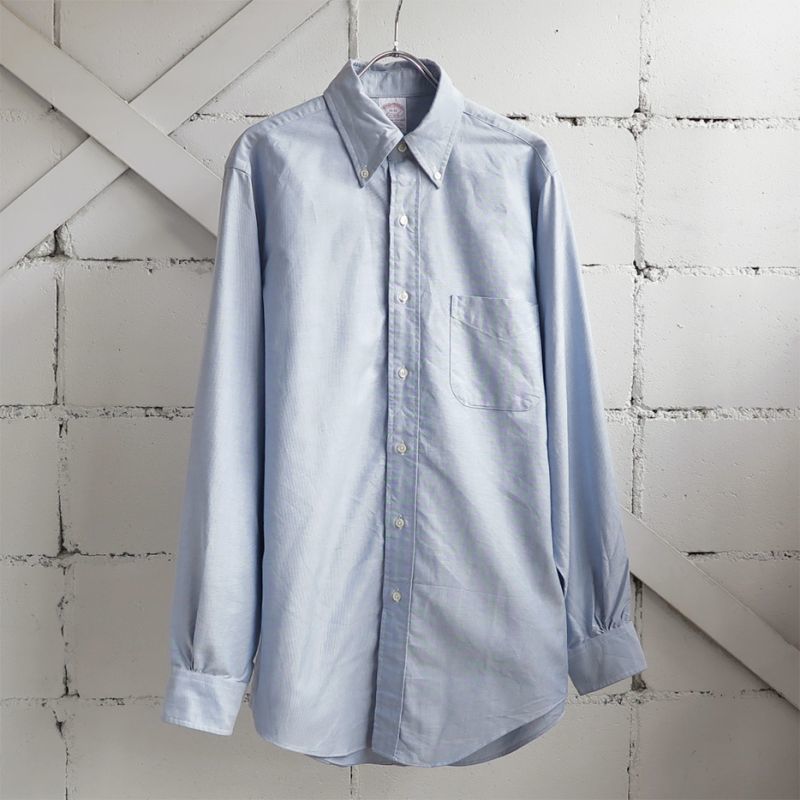
Bring the cloth close enough to see individual yarns and small textured areas appear across the surface. Neighboring warp yarns travel together through the weave, crossing individual filling yarns. These grouped interlacings create larger visible points than a fine one-over-one plain weave.
Traditional Oxford often uses a finer warp yarn together with a heavier filling yarn. Many constructions also place substantially more yarns in the warp direction than filling picks across the same distance.
Color makes this easy to see on classic blue shirting. Dyed warp yarns cross pale filling yarns, creating tiny changes in tone across the cloth. Viewed from farther away, the individual yarn colors blend into the softly mixed appearance associated with Oxford shirts.
The grain is already present when the fabric leaves the loom. Later washing softens the yarns and changes the hand without creating the original Oxford texture.
The Oxford Name Came From the Shirting Trade
Oxford cloth appears in textile history during the nineteenth century.
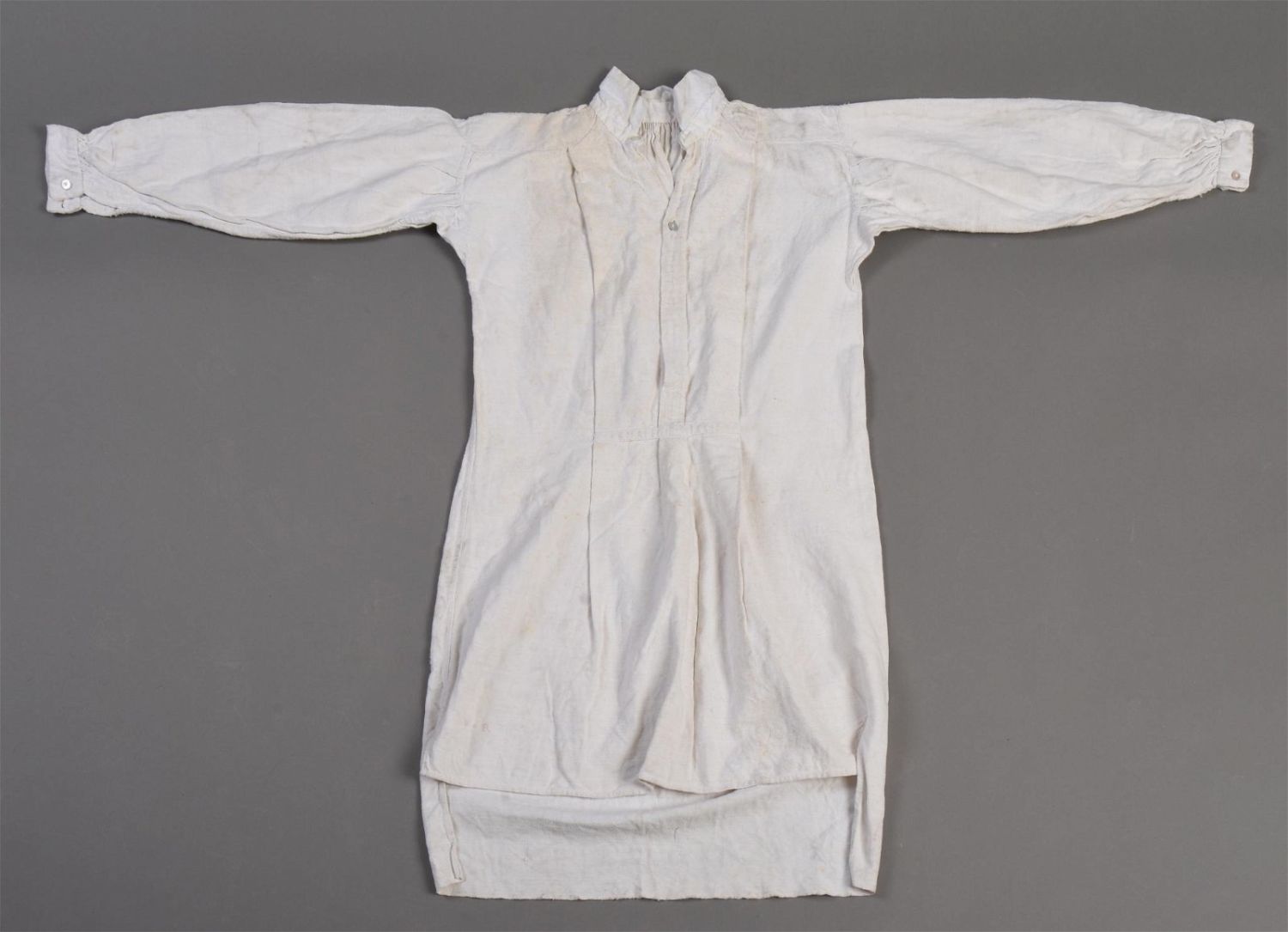
A frequently repeated account links its name to a Scottish mill that produced several fabrics named after universities, including Oxford, Cambridge, Yale and Harvard. Surviving public records do not provide a simple chain of evidence tying the invention of the cloth itself to Oxford University.
The useful historical point is that Oxford became an established commercial textile name.
Its later use in practical shirts gave that name much greater staying power. Oxford cloth eventually became closely associated with the Oxford cloth button-down, American sportswear and Ivy-style clothing.
The other university-related fabric names never reached the same level of everyday recognition.
Pinpoint Oxford Has a Finer Grain
Place a regular Oxford shirt beside a pinpoint Oxford shirt under the same light.

The regular cloth shows a larger, more obvious surface grain. Pinpoint uses finer yarns, making each woven point smaller and giving the face a cleaner appearance.
Its construction remains closely related to Oxford. The difference is easy to feel with two fabric swatches in hand because pinpoint usually presents a smoother, tighter surface.
This finer scale makes pinpoint useful for shirts that need some Oxford body with a more restrained texture around the collar, cuffs and front of the garment.
A mill can therefore change the visual character of Oxford substantially through yarn size and construction density without turning it into an unrelated fabric.
Royal Oxford Has Its Own Character
Royal Oxford is more visually elaborate.
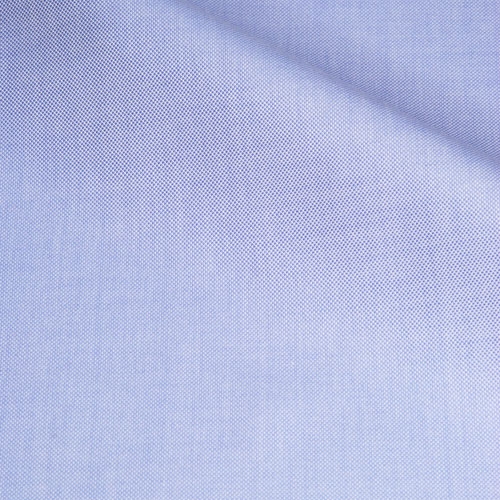
Light tends to catch the raised parts of its structure, giving the cloth a stronger three-dimensional effect. White Royal Oxford can show this especially clearly because the texture is created through the weave itself rather than through contrasting yarn colors.
The cloth is generally used for dressier shirts and often has more visible sheen than ordinary Oxford or pinpoint.
For fabric development, Royal Oxford should be named specifically when that surface is wanted. Ordering only “Oxford” leaves too much room for interpretation because regular Oxford, pinpoint and Royal Oxford do not produce the same shirt face.
Why Industrial Oxford Can Be Plain Weave
The technical-textile market developed its own use of the Oxford name.
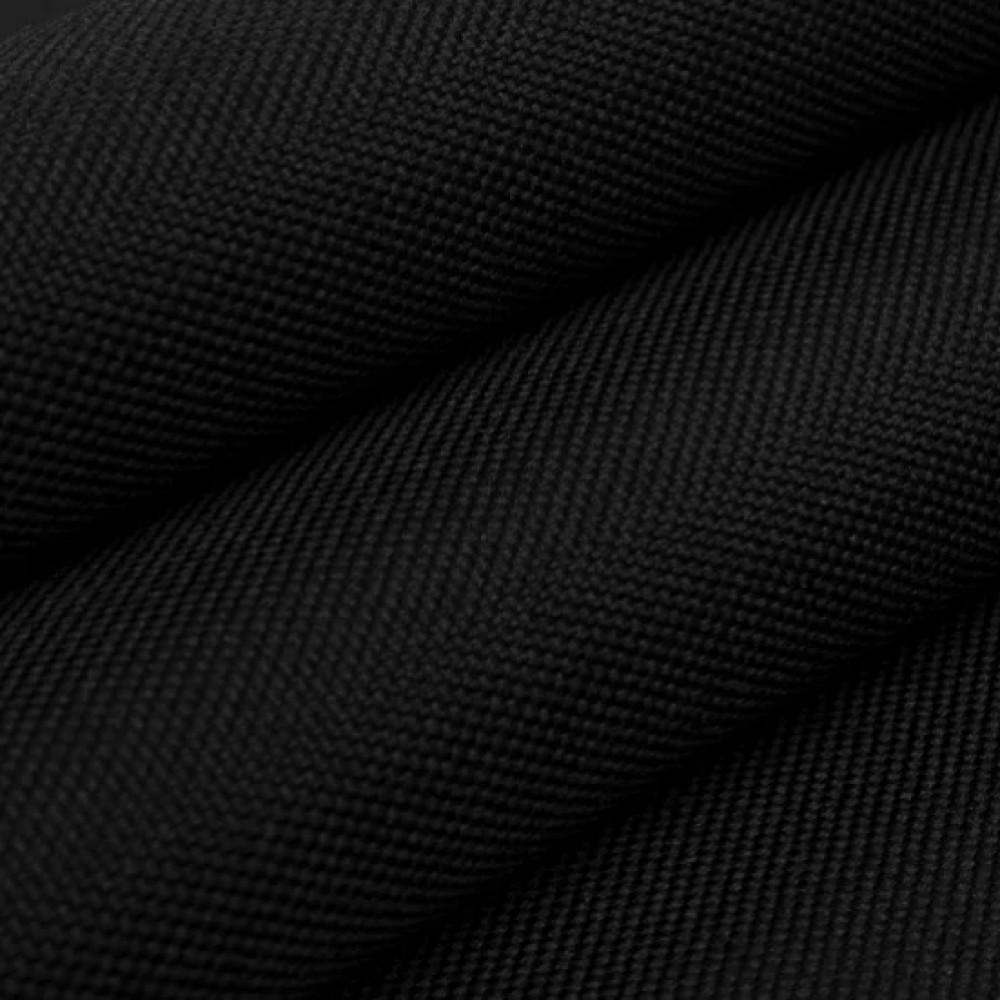
100% polyester
600D
Plain weave
200 GSM
150 cm
PU coated
Here, Oxford identifies the commercial fabric category. The weave field describes how the yarns are actually interlaced.
Technical suppliers also sell lattice and ripstop-style constructions under the Oxford name. This usage is especially common in fabrics intended for backpacks, luggage, tents, covers and outdoor equipment.
The fabric name alone carries less technical information in this market. Construction details come from the complete specification attached to the roll.
What 210D, 420D and 600D Actually Measure
The D stands for denier, a measurement of yarn linear density.
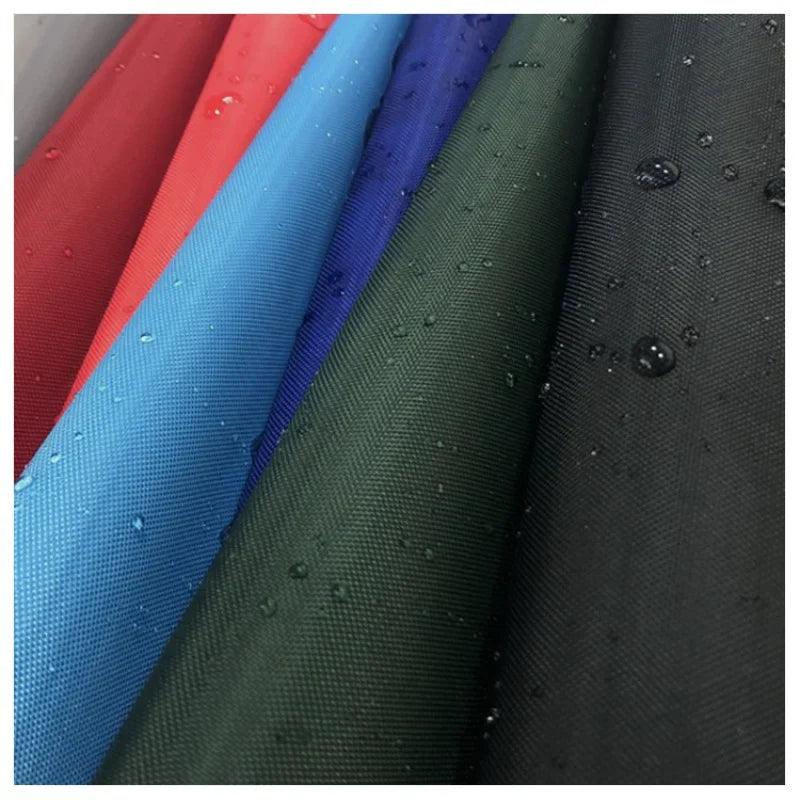
The reference length is 9,000 meters.
A 210D yarn has a nominal mass of 210 grams over that distance. For 600D yarn, the corresponding mass is 600 grams.
600 ÷ 210 = 2.86
Within a comparable fiber system, 600D yarn carries roughly 2.86 times the mass per unit length of 210D yarn.
Fabric weight enters after weaving and finishing.
Current commercial Oxford materials illustrate the difference. Lightweight 210D polyester Oxford can be around 100 GSM. Some PU-coated 420D materials are sold around 125 GSM. A 600D × 600D polyester Oxford may be 200 GSM, with other coated 600D constructions reaching roughly 235 GSM.
Denier belongs to the yarn. GSM records the mass contained in one square meter of finished fabric.
Reading a Real 210D Oxford Specification
100% polyester FDY
210D × 210D
72T
100 GSM
150 cm
PU coated
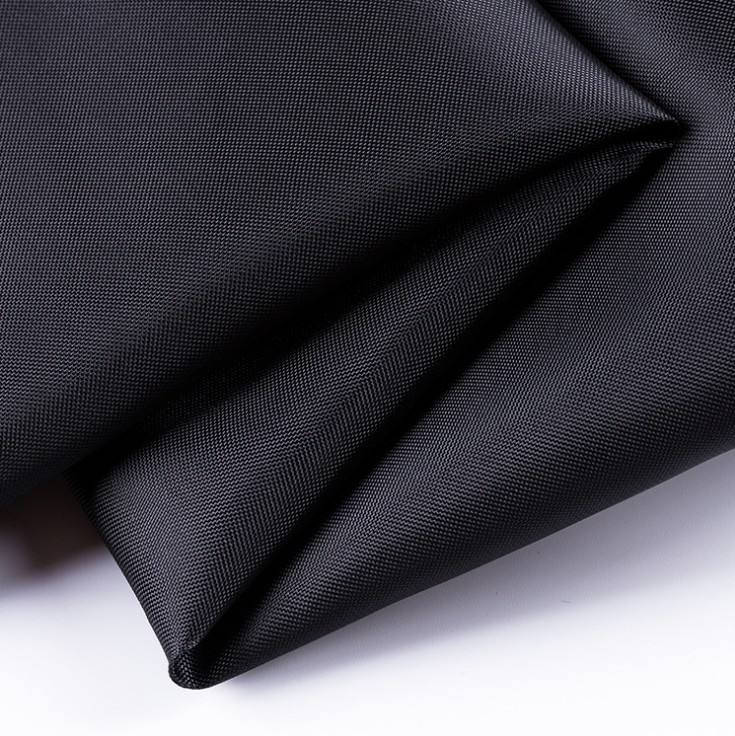
The fabric can be understood directly from those fields.
The yarn class is 210D in both directions. 72T is the density designation published for that construction. After weaving and finishing, one square meter weighs 100 grams. The roll is listed at 150 cm wide, and PU has been applied to the woven base.
Those numbers place the material in a relatively lightweight part of the technical Oxford market.
A 600D × 600D product listed at 200 GSM and 150 cm width arrives at the factory with a noticeably heavier build even though both rolls may simply be called Oxford in a supplier catalogue.
Coating Changes the Fabric After Weaving
Technical Oxford often goes through another major change after the base cloth has been woven.
PU or PVC can be applied to the reverse surface. Once the coating is dried or cured, the roll carries additional material and handles differently.
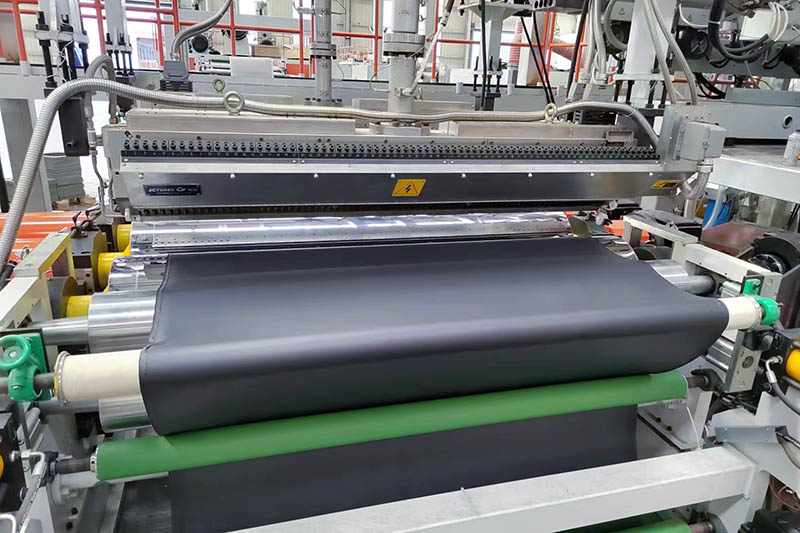
Commercial 420D products show how large this variation can become. A PU-coated 420D polyester Oxford may weigh around 125 GSM. Heavier 420D constructions with substantial PVC backing can reach several hundred grams per square meter.
Consider ten square meters of material.
At 125 GSM, that area contains:
1.25 kg of fabric
If a finished coated construction weighs 400 GSM, the same area contains:
4 kg
The extra mass becomes obvious on the production floor. Large panels feel heavier in the operator's hands, folded edges create thicker stacks, and reinforced corners become more difficult to feed cleanly through a sewing machine.
The coating type and finished GSM are therefore significant parts of the material specification.
Water Resistance Comes From the Finished Material
Technical Oxford used outdoors is often required to resist water penetration.
Hydrostatic-pressure testing measures this property by clamping a fabric specimen into a tester and applying increasing water pressure to one face.

ISO 811 is a widely used method for this type of textile testing.
The result is influenced by the completed fabric. Yarn spacing creates the base structure, and coating covers the pathways through that structure. Local defects or uneven coating can change how the specimen performs once pressure increases.
A technical development sheet can record the hydrostatic result beside the material construction.
Coated-fabric programs may also include tear, puncture, seam and coating-adhesion testing when those properties are relevant to the product being made.
A Backpack Places Load in Specific Areas
Fill a backpack and lift it by one shoulder strap.
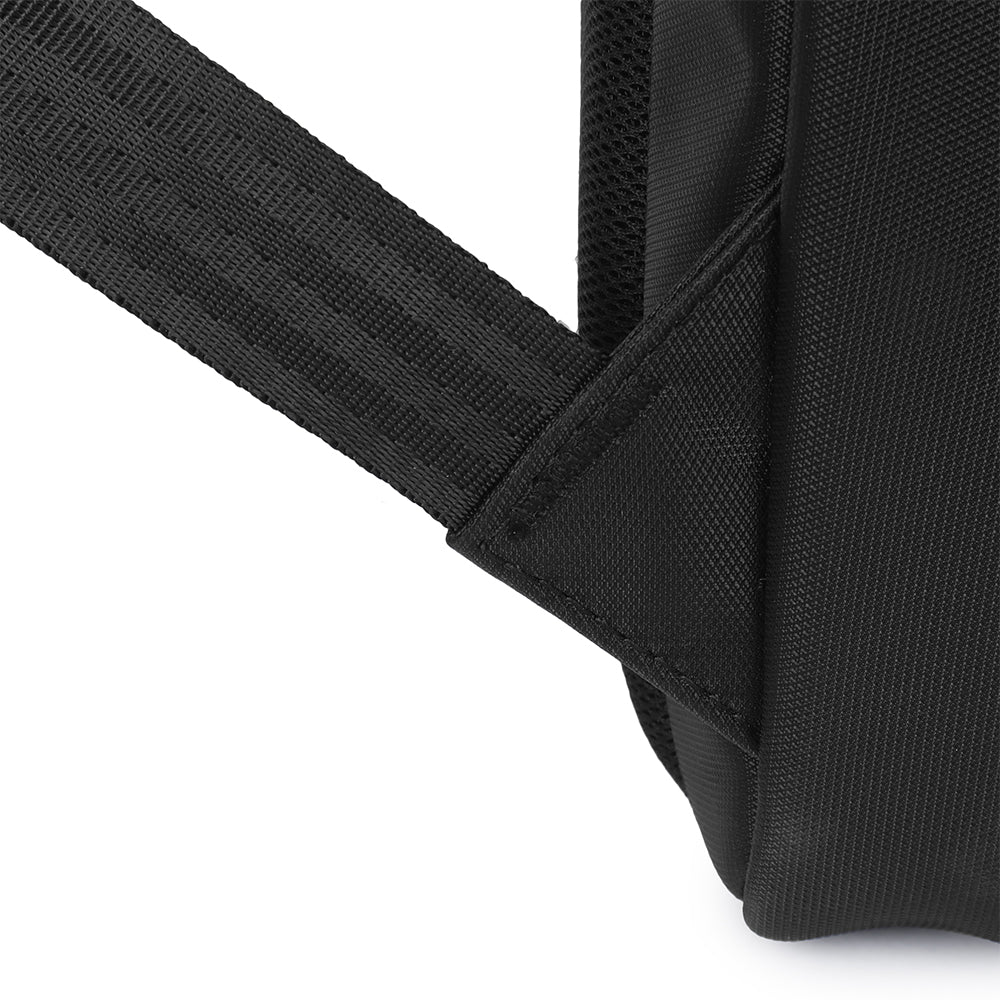
The attachment point takes a concentrated load through a relatively small section of fabric. Thread, reinforcement and the holes created by the sewing needle become part of the structure carrying that force.
During normal use, the lower part of the bag repeatedly contacts floors and other rough surfaces. A rigid object inside the compartment can also push outward through a small section of the shell.
Each location places a different demand on the Oxford.
Breaking-strength testing evaluates a broader tensile load. An existing cut or break can be studied through tear testing. Puncture testing focuses force into a small area. A shoulder-strap attachment is better represented by a test that includes the sewn construction.
ASTM D751 contains methods used for several of these coated-fabric properties.
Oxford Shirting Uses Apparel Specifications
A cotton Oxford shirt reaches a factory through measurements that make sense for apparel production.
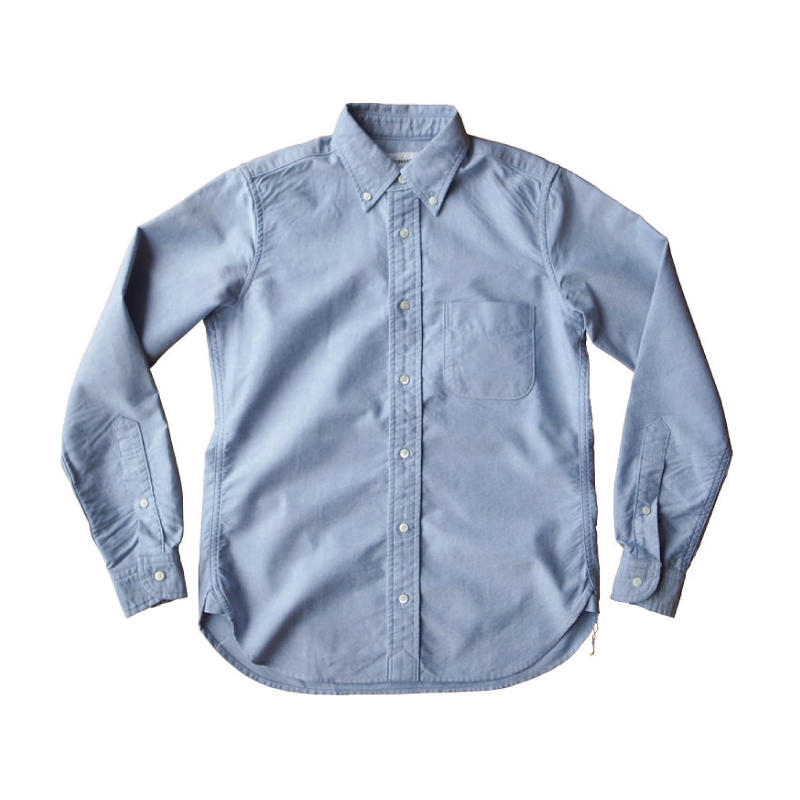
100% cotton
80s two-ply yarn
Oxford weave
180 GSM
The yarn specification helps describe the size and construction of the yarn used in the fabric. At 180 GSM, the cloth has enough mass to show the Oxford texture clearly and still sit within a normal shirting range.
Once cutting begins, other parts of the shirt affect the final result. Interlining changes the collar structure. The front placket brings additional fabric layers together. Buttonholes concentrate dense stitching into small areas.
A wash test gives the factory another view of the material by showing dimensional change, surface softening and the way completed seams settle after laundering.
Width Can Change Fabric Consumption
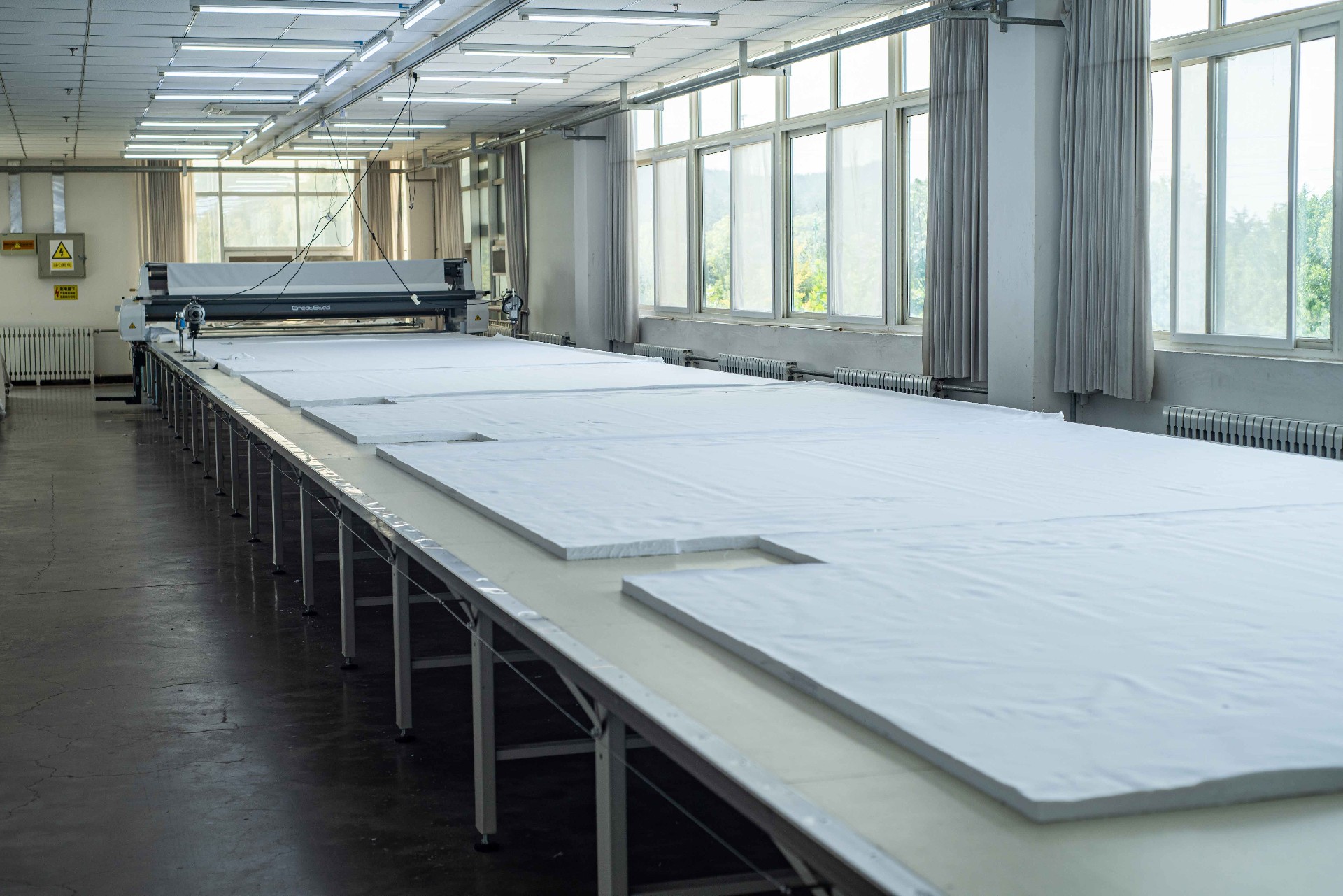
Technical Oxford is usually supplied by length, making roll width important at the cutting table.
200 GSM
150 cm width
One linear meter covers:
1.50 square meters
The nominal mass of that length is:
1.50 × 200 g = 300 g
A 50-meter roll therefore contains about:
15 kg of fabric
before packaging and ordinary production variation.
Now place a bag panel measuring 72 cm across the cutting marker.
Two pieces occupy 144 cm before spacing and cutting allowance are added. A roll with nearly all of its nominal 150 cm available may fit that arrangement. Several centimeters lost along coated edges can force the cutting room to build a new marker.
Across hundreds or thousands of pieces, that width difference changes the amount of fabric consumed.
Sewing Reveals the Build of Coated Oxford
A flat fabric card shows only one layer of Oxford.
A reinforced bag corner can place several layers in the same few centimeters. The shell folds into the seam, reinforcement may sit underneath, webbing can cross the area and binding can wrap around the raw edge.
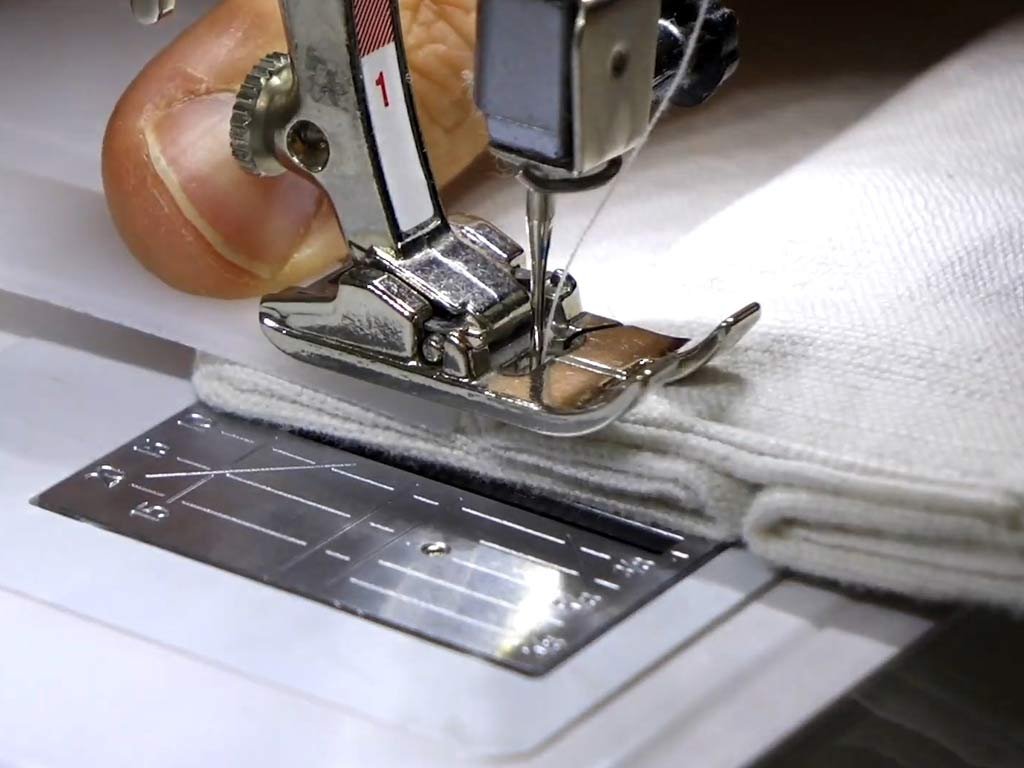
The sewing machine now has to move that full assembly.
The needle repeatedly penetrates the coating and woven base. As the presser foot reaches the folded section, the stack rises sharply. A stiff coating can add drag against the machine bed and make feeding less consistent.
Factories reproduce difficult junctions during sampling with the materials planned for bulk production. The Oxford is sewn together with the intended reinforcement, webbing, thread and stitch setting, allowing the actual seam package to be inspected before production.