What Is Interlock Fabric? Interlock Fabric Body and Stability
Interlock fabric is a double-knit fabric produced with two sets of needles. Both sides show a clean knitted surface, and the finished cloth commonly has more thickness and body than a basic single jersey made from a comparable yarn.
The term interlock refers to the knit construction. Cotton, polyester, viscose, modal and blended yarns can all be used. The finished result depends on fiber content, yarn size, machine gauge, stitch length, fabric density and finishing.
Interlock appears in T-shirts, polos, dresses, children's clothing, underwear, uniforms, base layers and sportswear.
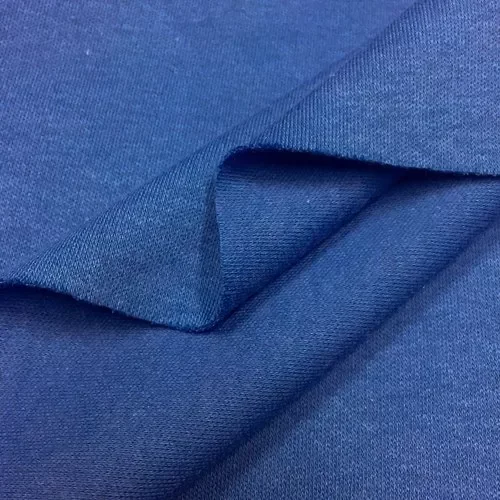
What Is Interlock Fabric?
Interlock belongs to the weft-knit family and is made on two needle beds. Circular knitting machines commonly use cylinder needles and dial needles for this construction.
The loops from both needle systems intermesh into a double-knit structure. Knit stitches appear on each surface.
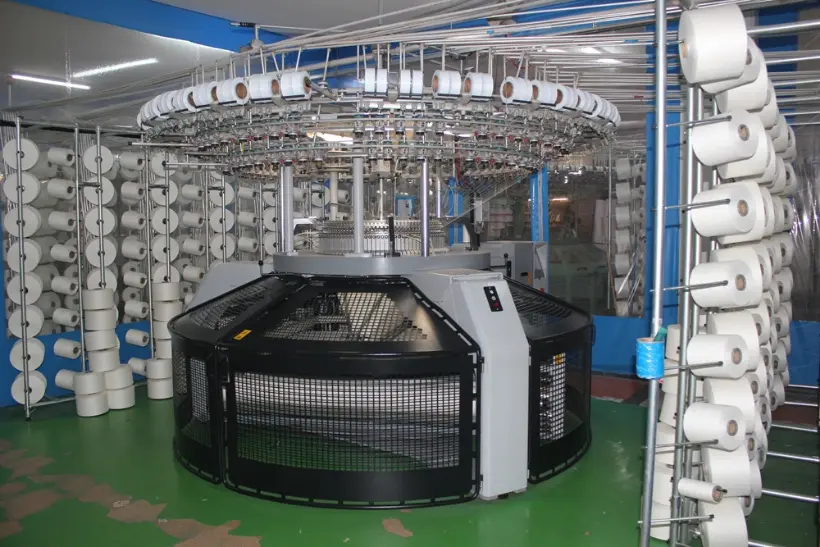
Single jersey is produced on one needle bed and has a clearly identifiable technical face and reverse. Interlock contains another knitted system through the fabric thickness, which adds yarn and changes the way the structure moves under tension.
The fabric still stretches through changes in loop geometry.
What Interlock Body Feels Like
Drape a lightweight jersey over the back of your hand and notice how closely it follows the gaps between the fingers.
Place a medium interlock over the same area. Broader folds usually form, and the cloth tends to bridge more of the small contours underneath.
That physical fullness is generally described as body.
Several construction choices contribute to it. A fine yarn on a dense gauge can produce a compact surface. Bulkier yarn creates more apparent thickness. Short stitch length packs the loops more closely. Compacting and softening alter the final hand after knitting.
A soft surface can still sit on a fabric with substantial body.
GSM Leaves Important Construction Details Unknown
A label reading 220 GSM cotton interlock gives only the finished mass per square metre.
The fabric could have been made from a fine yarn or a much bulkier one. The machine gauge may also differ. Stitch length can be tight or relatively open. Finished width and compacting level may vary from one mill to another.
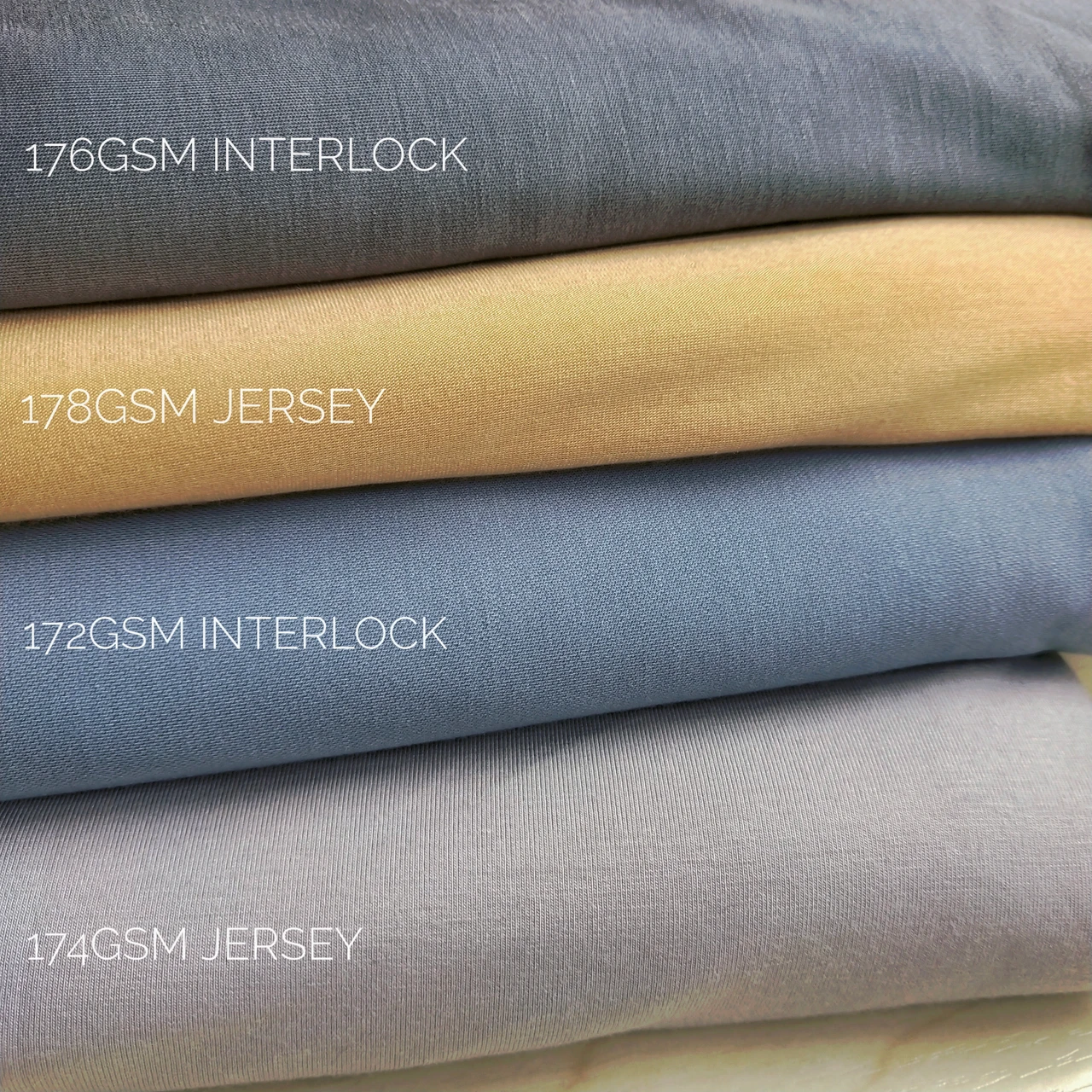
Those variables change the hand even when the scale reads the same value.
A compact fine-gauge interlock often feels denser. Another fabric at 220 GSM may feel thicker because the yarn is bulkier and the loops occupy more space through the fabric depth.
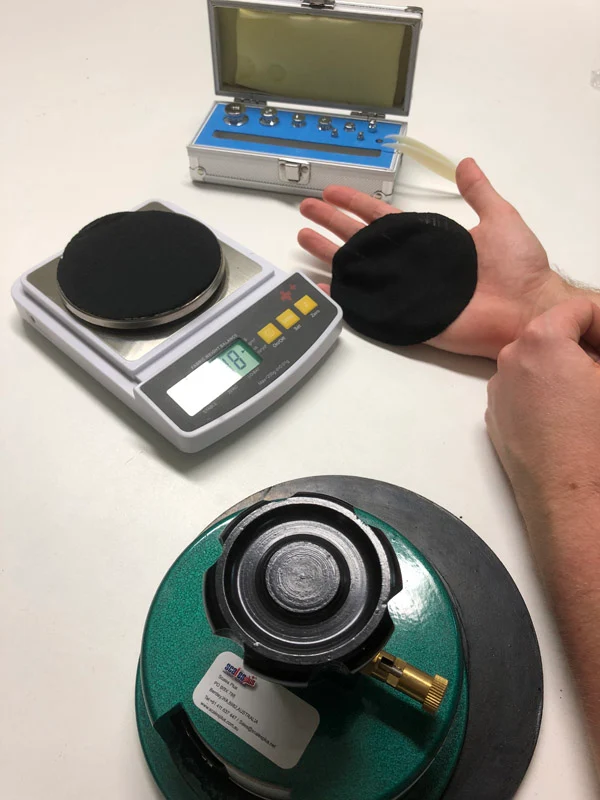
GSM belongs on the specification sheet alongside construction data.
Stability Starts With the Shape of the Loops
A knitted loop contains curved sections of yarn.
When force is applied, those curves begin to change shape. The loop head narrows, the side limbs straighten and adjacent loops shift within the structure.
Interlock has two knitted systems connected through the fabric, which limits part of this movement.
Stitch length affects the amount of room available inside the structure. Larger loops allow more geometric change. A tighter setting reduces that room.
The finished fabric is then altered further during wet processing, drying, compacting or heat setting.
Stretch, Growth and Recovery Need Separate Measurements
A sample starts with a marked length of 100 mm and reaches 120 mm during the stretch test.
That gives an extension of 20%.
After the load is removed, one fabric may settle at 101 mm. Another may settle at 106 mm after the same recovery period.
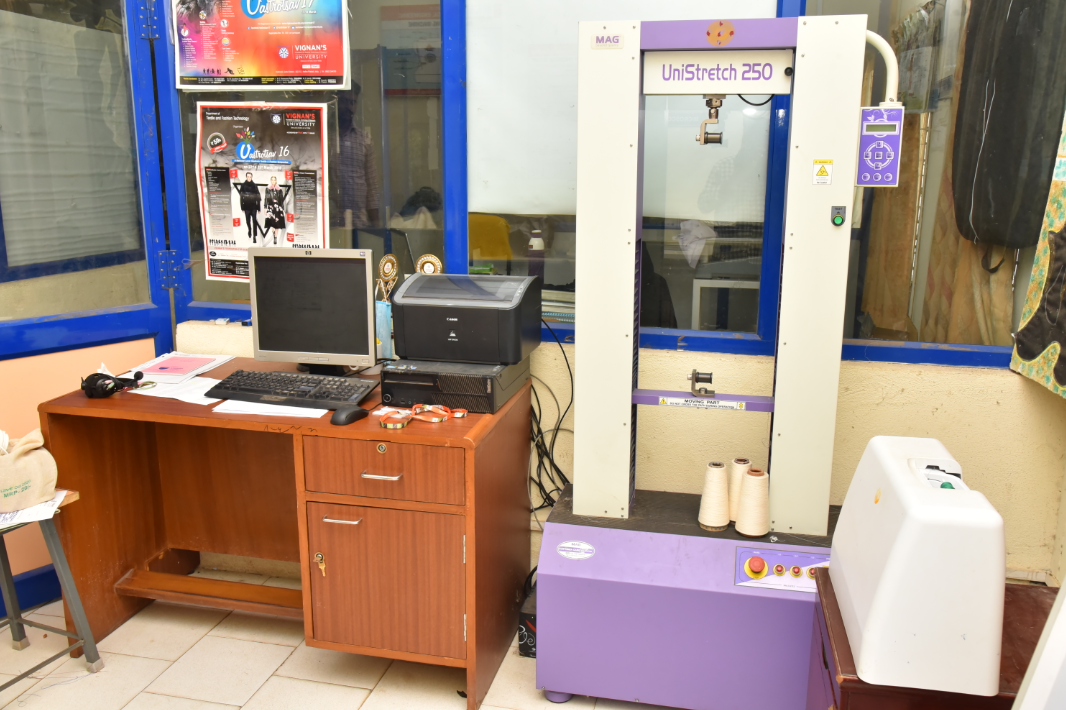
Those readings describe residual growth after extension.
A useful report records the test direction, original gauge length, maximum extension, applied load or test method, recovery period and final length.
Cotton interlock receives much of its extension from loop movement. Elastane changes the return behavior because the elastic yarn adds another source of recovery.
Reading a Shrinkage Result
A marked fabric sample measures:
| Direction | Before washing | After washing | Change |
|---|---|---|---|
| Length | 500 mm | 485 mm | -3% |
| Width | 500 mm | 490 mm | -2% |
These values need the wash conditions attached to them. Temperature, drying method, number of cycles and conditioning time all influence how the result should be interpreted.
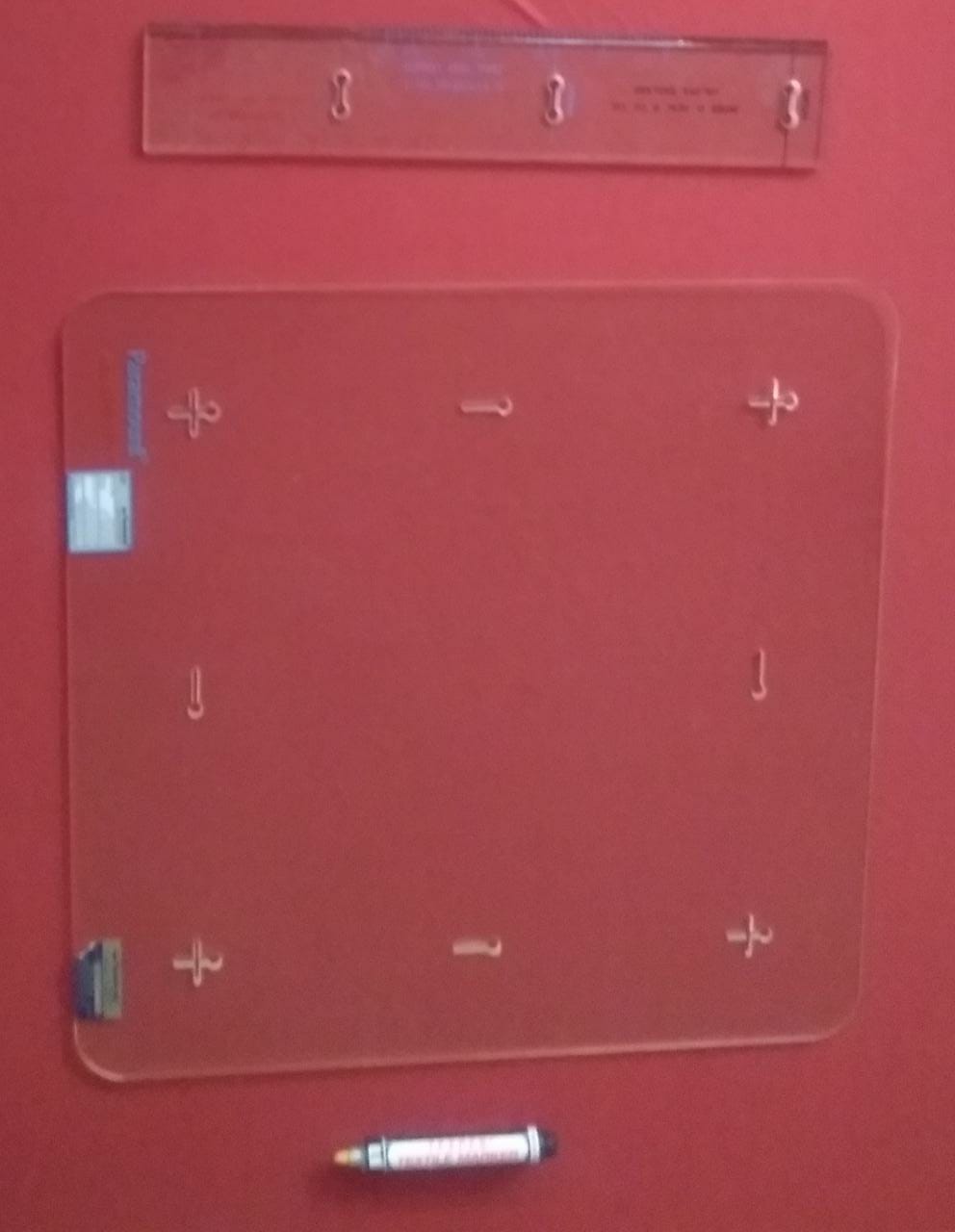
Dimensional change can come from tension introduced during knitting, dyeing, extraction, drying, compacting or rolling.
Testing length and width separately gives a clearer picture of how the interlock relaxes in laundering.
What Cutting Reveals About Interlock
A roll carries tension while it is wound and stored.
Once the fabric is opened, spread and relaxed, the usable width can move. The cutting room needs that relaxed measurement for marker planning.
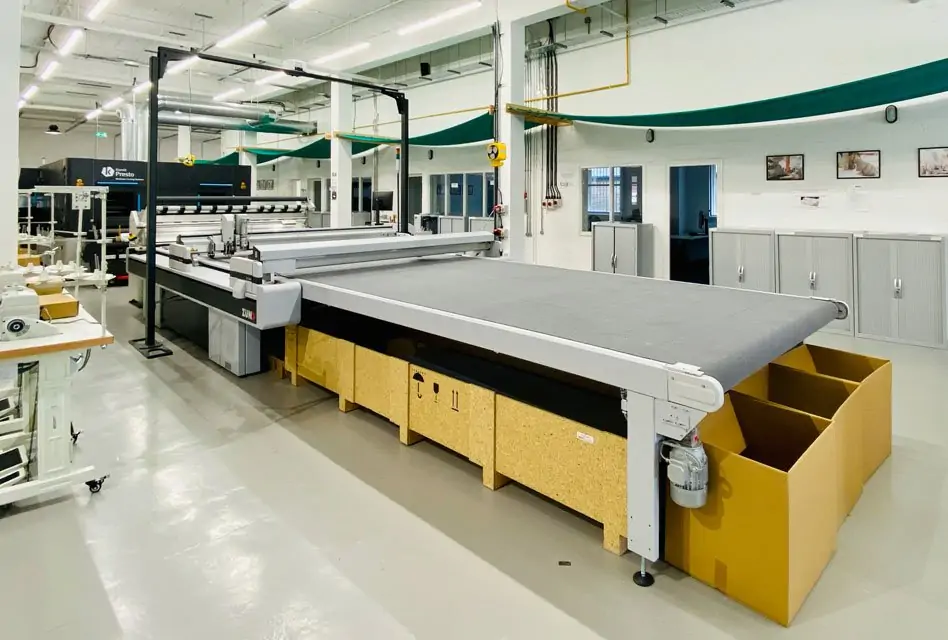
After cutting, interlock pieces usually remain relatively flat around the edges. Narrow neck components, bindings and smaller panels are easier to stack when edge curl is limited.
Dense interlock creates another practical issue through the depth of the lay. A thick stack increases compression on lower plies, and cutting accuracy can be affected by excessive lay height or poor blade condition.
Sewing Problems Can Be Traced From the Defect
| Production symptom | Areas to inspect |
|---|---|
| Wavy seam | Differential feed, handling tension, feed balance |
| Skipped stitches | Needle size, needle point, machine condition |
| Damaged loops | Needle wear and point selection |
| Tunneling at hem | Coverstitch tension |
| Stretched neckline | Binding ratio and feeding |
| Thick placket corner | Layer count and seam allowance |
| Puckering | Thread tension and fabric compression |
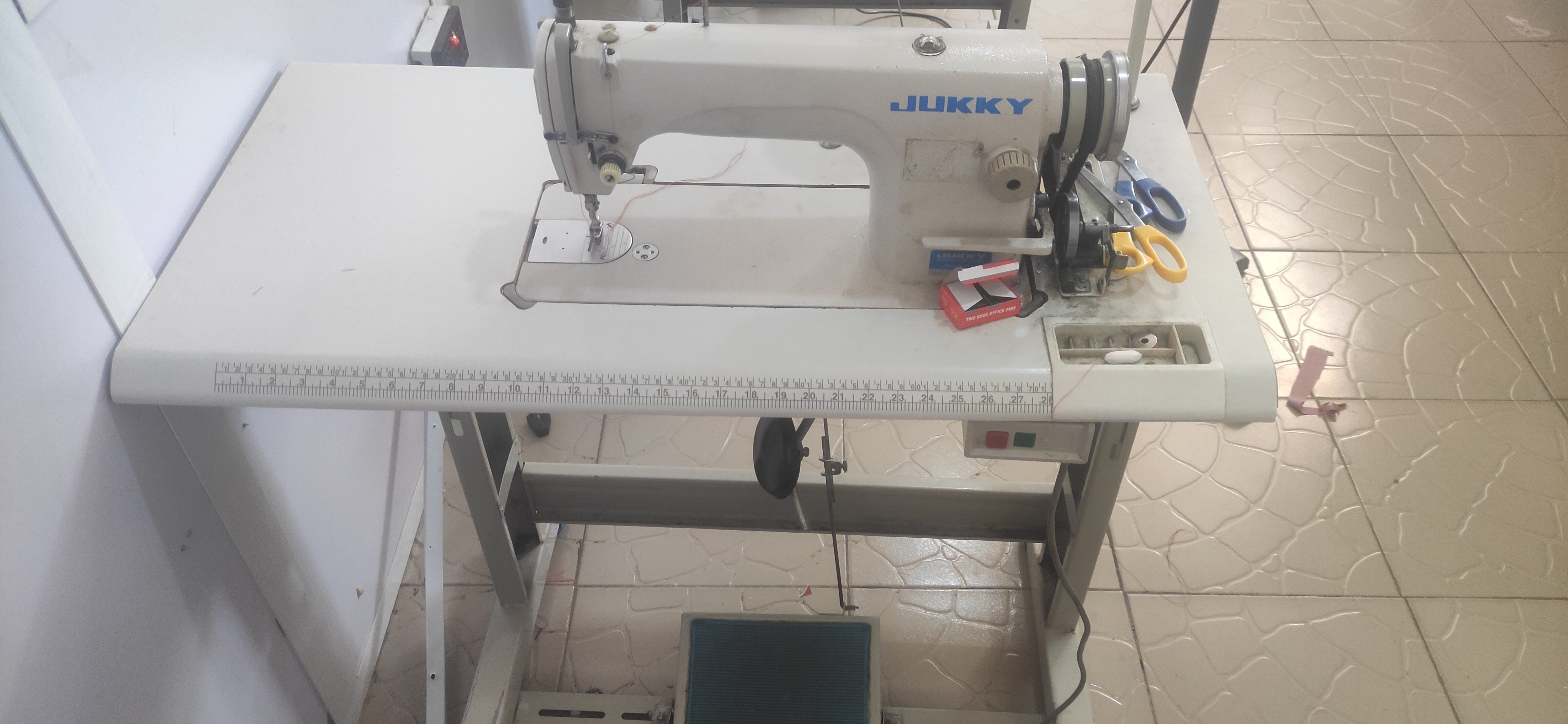
The number of fabric layers changes from one garment area to another.
A side seam may contain two layers. A polo placket can include folded shell fabric, reinforcement and crossing seam allowances.
Sewing trials need to reproduce the actual construction used in those areas.
Decoration Changes the Load on the Fabric
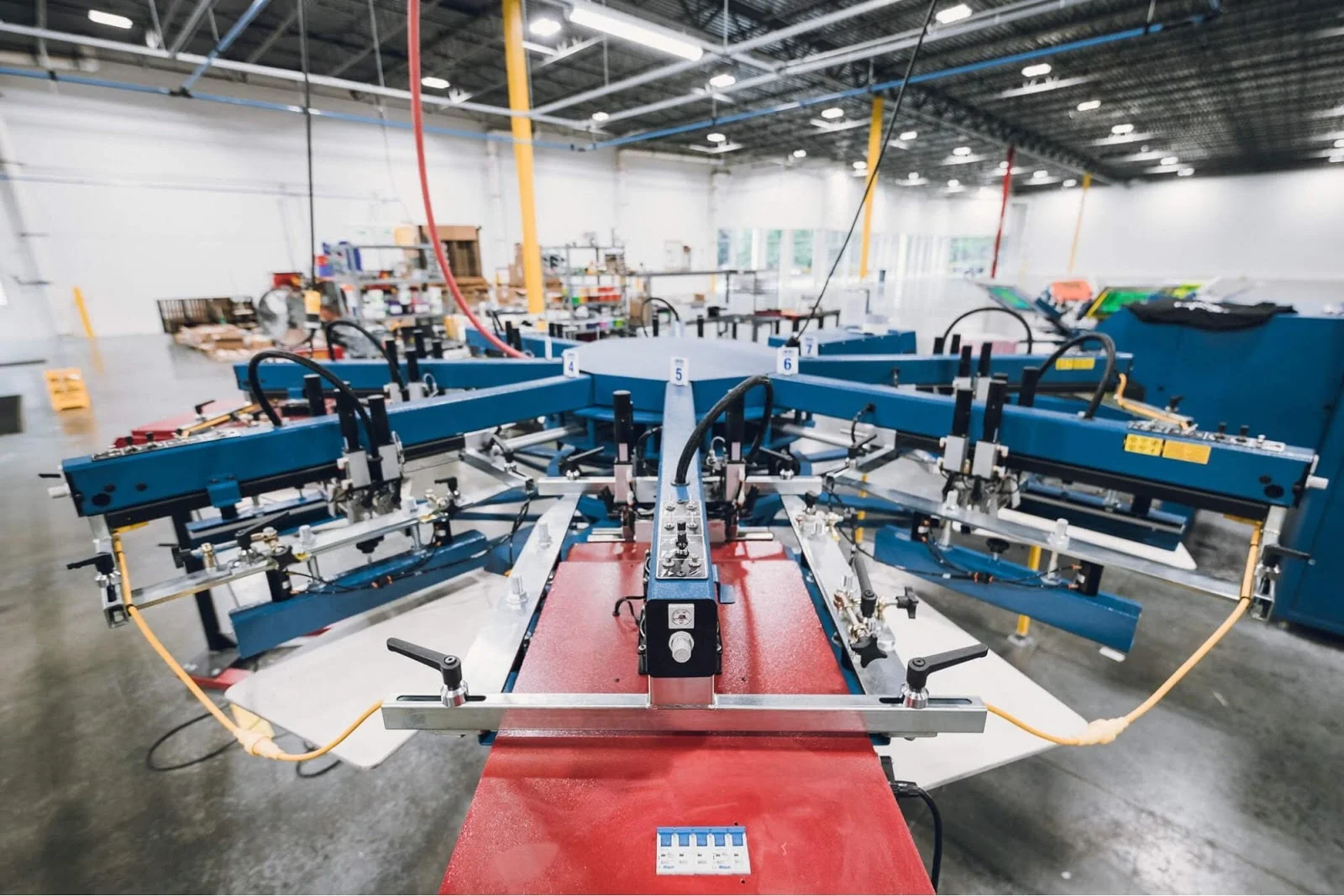
Screen printing adds material mainly to the surface. Surface smoothness, ink deposit and curing influence print definition and local stiffness.
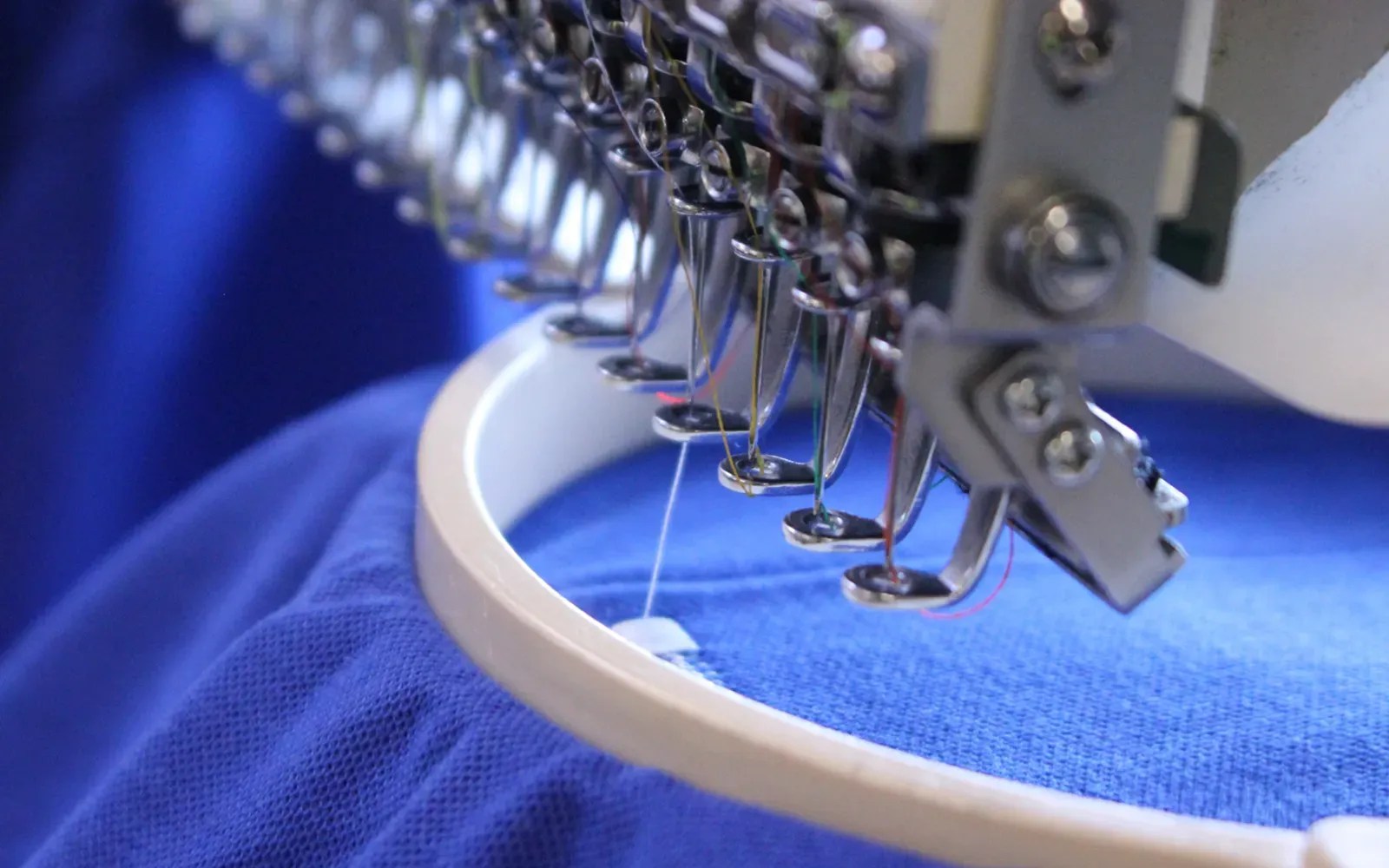
Embroidery works through the full fabric thickness. A dense filled design introduces many needle penetrations and a large amount of thread into one area. Backing, hoop tension and stitch density affect how flat the surrounding interlock remains.
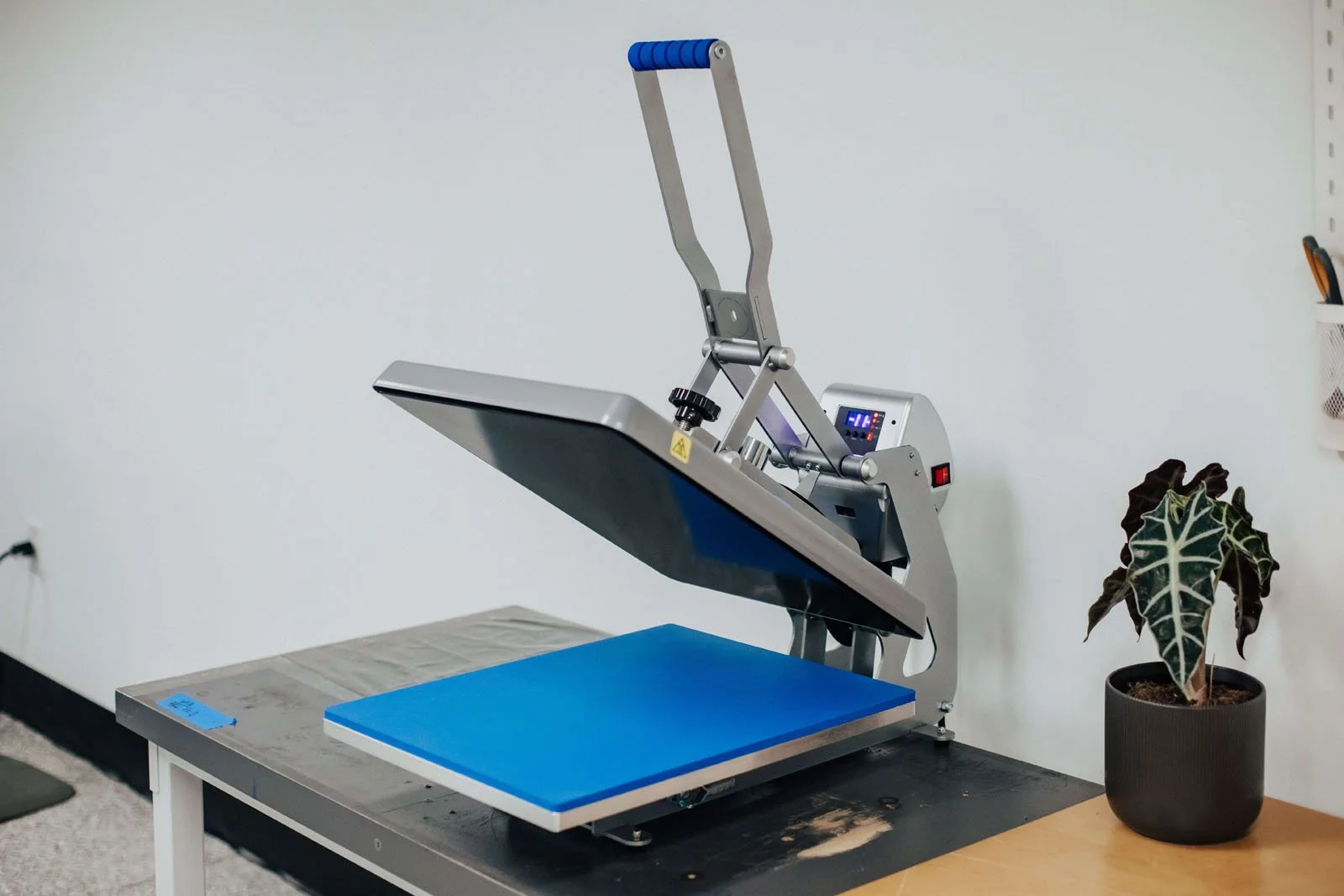
Heat transfer exposes the cloth to pressure and temperature. Polyester-rich and elastane-containing interlocks need testing at the production press settings because heat can affect surface appearance and dimensions.
Decoration samples should use the finished bulk fabric whenever possible.
Fiber Content Changes the Finished Interlock
Cotton interlock is common in T-shirts, children's clothing, underwear and sleepwear. It usually has an absorbent hand, and combed yarn can produce a cleaner surface with less visible hairiness.
Polyester interlock appears frequently in sportswear, teamwear and uniforms. Filament polyester can give a smoother surface and faster drying, and spun polyester produces a more textile-like hand.
Cotton-polyester blends shift according to the blend ratio. A cotton-rich construction keeps more of the cotton character, and increasing the polyester percentage changes drying behavior and dimensional response.
Elastane is added when stronger recovery is needed. Final performance still depends on yarn placement, stitch setting and finishing temperature.
Interlock, Single Jersey and Rib
| Feature | Single jersey | Interlock | 1×1 rib |
|---|---|---|---|
| Needle beds | One | Two | Two |
| Face and reverse | Different | Similar | Ribbed |
| Edge curl | Common | Low | Low |
| Relative thickness | Lower | Higher | Varies |
| Width stretch | Moderate | Construction-dependent | Usually high |
| Common use | Basic tees | Tees, polos, dresses | Cuffs, collars |
| Surface | Smooth face | Smooth on both sides | Visible vertical ribs |
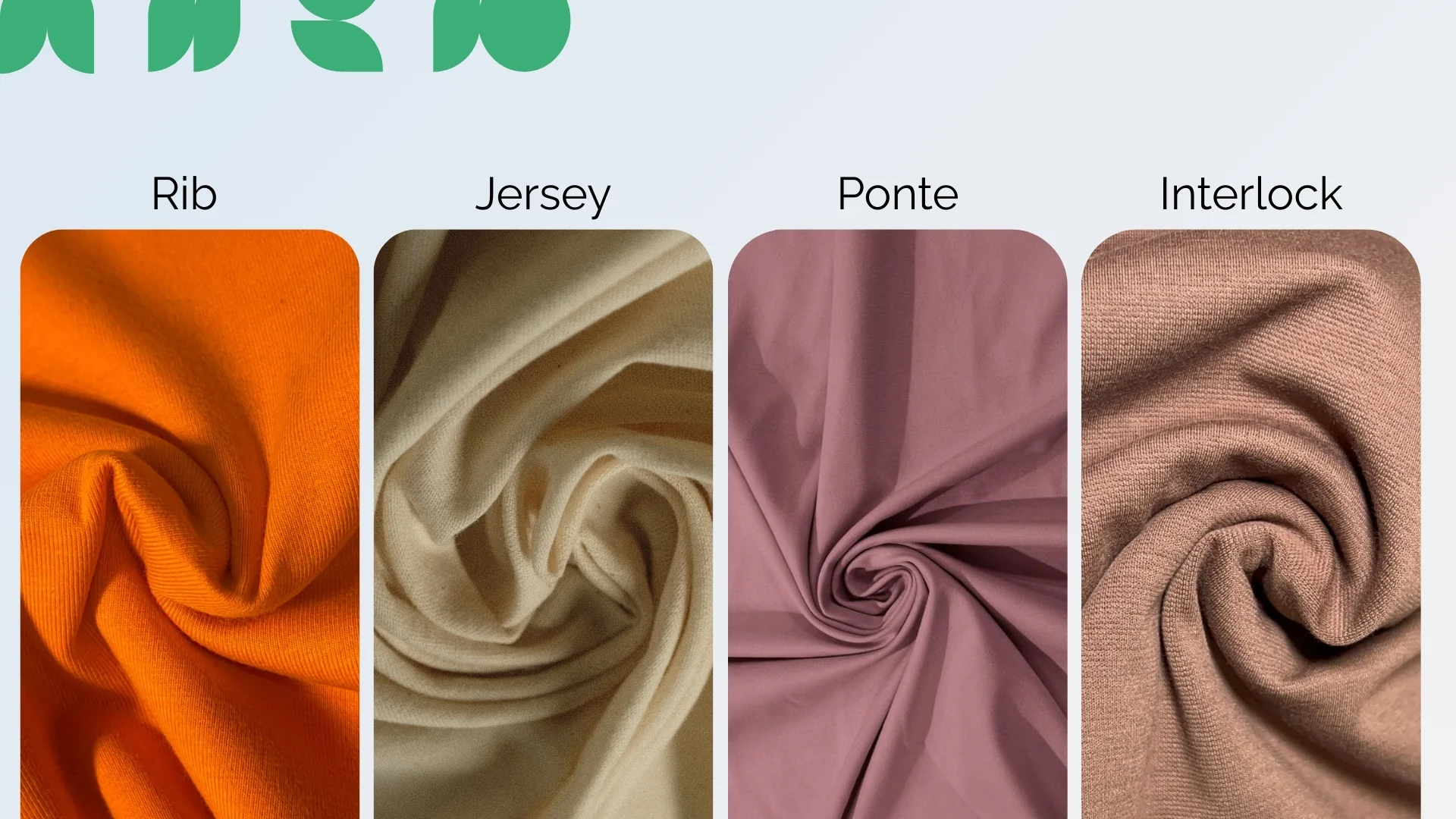
Rib opens strongly across the width because of its wale arrangement.
Single jersey is easy to identify from the different appearance of the two surfaces.
Interlock presents a smooth double-faced structure with relatively low edge curl.
Stitch Length Changes the Fabric in Several Places
Stitch length controls the amount of yarn used in the loop structure.
Increasing it creates larger loops and more space within the knit.
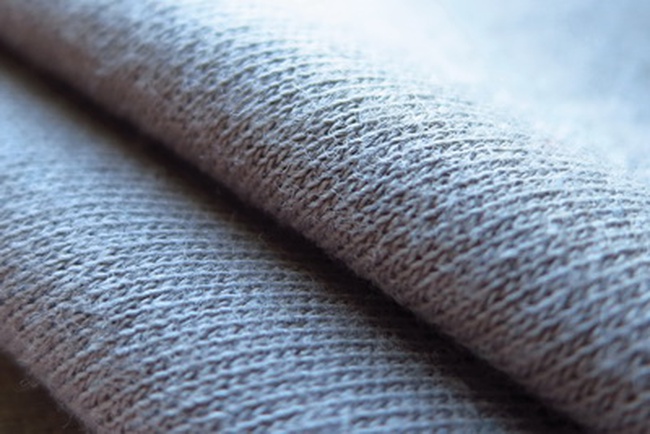
This can affect fabric density, relaxed width, stretch, drape, air permeability and wash behavior. The degree of change depends on the yarn, gauge and finishing process used with it.
Finishing can move the final GSM closer to a previous target even after the original knitting settings have changed.
For repeat production, keeping the approved stitch-length record helps the mill reproduce the original construction more closely.
Width Affects Fabric Consumption
Consider an approved interlock with a usable width of 180 cm.
The bulk fabric arrives at 172 cm.
A marker designed for 180 cm may no longer place the same garment panels in the original arrangement.
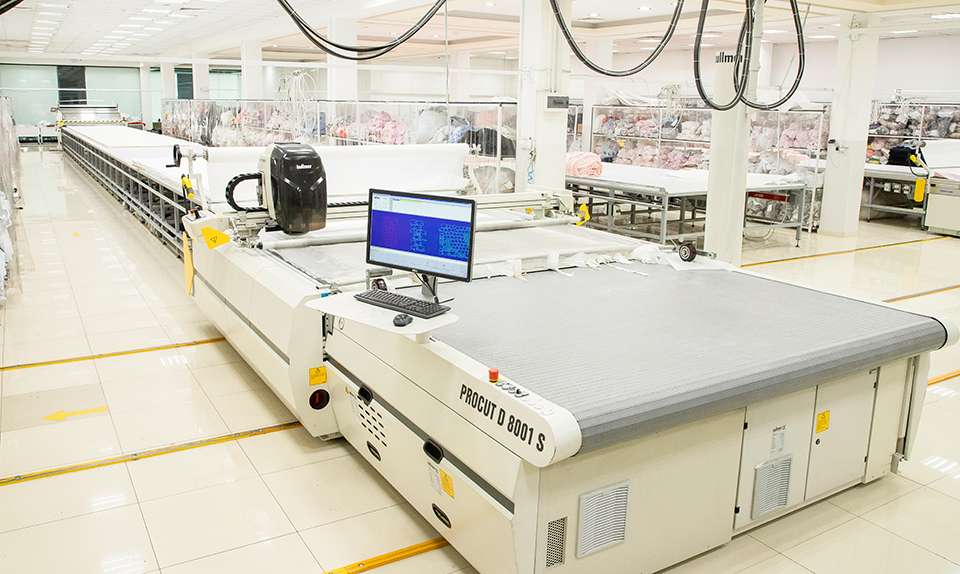
The revised layout can require more marker length, which increases fabric consumption per garment.
This change can occur with no movement in GSM or price per kilogram.
Usable width needs its own production tolerance.
What Belongs on an Interlock Specification
Structure: Interlock
Composition: 100% combed cotton
Finished GSM: 220 GSM ± agreed tolerance
Usable width: 175 cm ± agreed tolerance
Yarn count: __________
Yarn type: __________
Machine gauge: __________
Stitch length: __________
Finish: __________
Width stretch: __________
Length stretch: __________
Recovery: __________
Length shrinkage: __________
Width shrinkage: __________
Spirality / skew: __________
Pilling requirement: __________
Wash colorfastness: __________
Rubbing colorfastness: __________
Wash method: __________
Hand reference: sealed physical swatch
An approved unwashed swatch can be kept with the specification. A washed reference from the same development lot is also useful for repeat comparison.
How a Bulk Lot Can Drift From the Approved Fabric
Construction changes can appear in the yarn, machine gauge or stitch length.
Finished dimensions can move through GSM, width or shrinkage.
Hand feel can shift after changes in yarn bulk, softening, compacting or other finishing settings.
Sewing performance may reveal differences that are difficult to detect from a flat swatch. Necklines, hems, plackets and zipper areas place different loads on the fabric.
Print, embroidery and heat transfer can expose changes in local stability.
Measurements, retained swatches, sewn samples and decorated samples provide separate records for these checks.