Clothing Distributors vs Wholesale Clothing Manufacturers
Choosing a clothing distributor or wholesale clothing manufacturer affects the products a business can buy and the work involved in preparing them for sale. A purchasing budget may include finished garments, samples, branding and delivery. The proposed designs and size quantities help establish which services the supplier needs to provide before an order is placed.
The Supplier’s Role in the Order
A clothing distributor purchases finished garments for resale to business customers. Its catalogue may contain products from several brands. Wholesale Fashion Square sources clothing from Los Angeles manufacturers and retailers, bringing dresses, tops, denim and other garments into one wholesale assortment. Buyers order the specific styles and size packs listed in that catalogue.
Wholesale customers can also buy directly from the company producing the garments. Create Fashion Brand manufactures in Portugal and sells stocked blanks alongside its custom-production service. Original garments enter pattern development and fitting, and existing styles can receive printing, embroidery, labels and washing treatments.
Production may involve a network of factories. FashionMe assigns manufacturing according to the garment specification and available capacity, with buyers sourcing the required fabric and trims. Its Made to Order service starts at 50 pieces. Stock Match sources existing garments from 10 pieces, with relabeling, hang tags and branded packaging available.
Decoration can also be arranged through a distributor. A finished T-shirt receiving a chest print already has its fabric and body shape established. The order identifies that garment, the artwork and its application. SanMar supports decorated-apparel orders through a contract-decorator finder, shipping programs and a single-invoice service.
When the Garment Needs a New Pattern
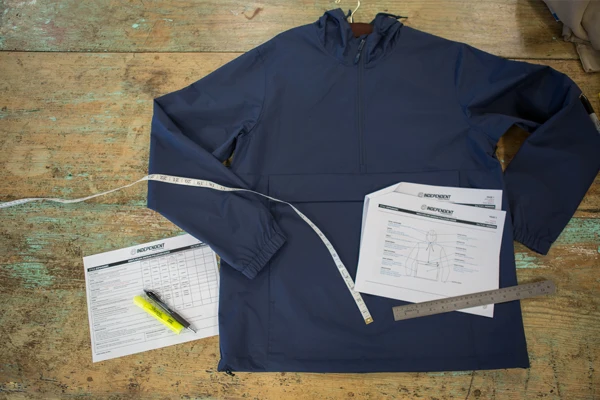
A boxy T-shirt brief might specify a wider chest, shorter body and heavier collar rib. The pattern maker needs finished measurements for the proposed sample size, including the point used to measure body length. The collar has its own width and construction details. Stylus Apparel includes measurements, detail placement, front-and-back sketches and construction specifications in its pattern-development requirements.
A physical garment can provide the starting reference. CFB accepts samples, sketches, material preferences and a bill of materials identifying the components used in the design. Its custom-development service includes patterns and fittings, with individual samples priced according to the garment’s complexity and materials.
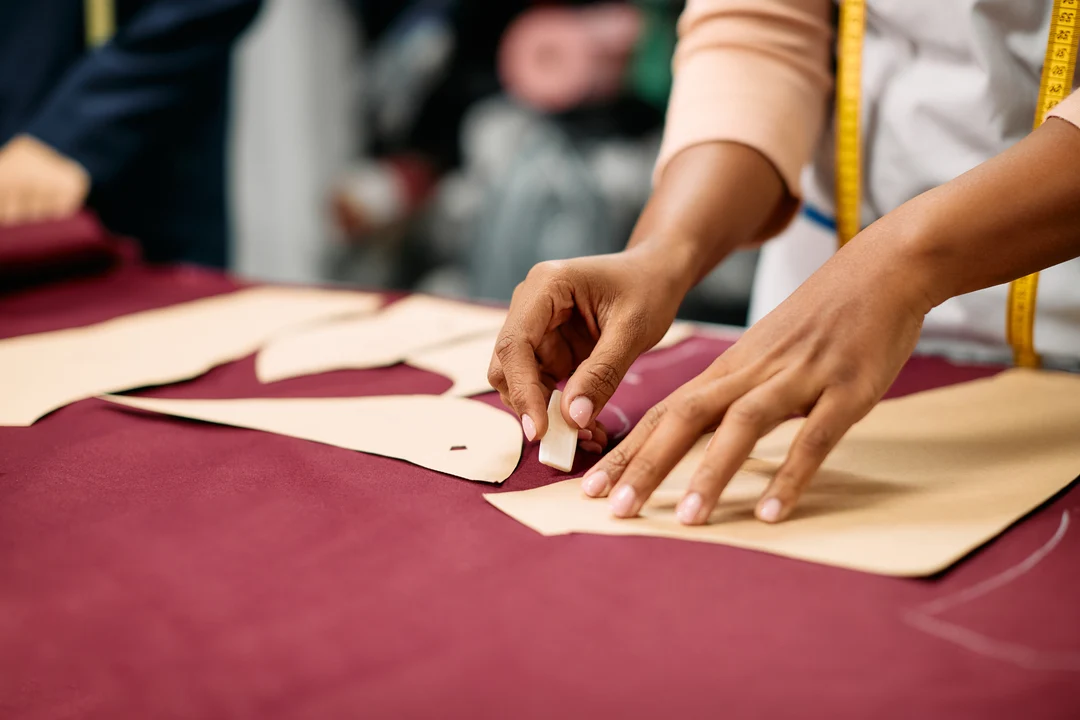
During a trouser fitting, the waistband position, rise and leg shape can be examined on the wearer. A request to lower the waistband needs a marked location and revised measurement attached to the sample’s size and version. The pattern maker incorporates that change before cutting the next sample.
The pre-production sample uses the materials intended for the bulk order. White Cotton specifies production fabric and trims at this stage, so the sample contains the chosen lining, fastenings and decoration in the assembled garment.
Minimum Quantities and Size Packs
Consider a hypothetical dress pack containing two small, two medium and two large garments. Ten packs provide 60 dresses, including 20 mediums. A retailer seeking 30 mediums must purchase 15 packs: 90 dresses in total, with 30 in each size.
Wholesale Fashion Square offers six-piece bundles, and its listings also include other pack quantities. The assortment and package price belong to the individual product.
At S&S, business customers can purchase individual pieces and receive case pricing regardless of order size.
Custom-production minimums may apply to every style–color combination. Independent Trading Company publishes a starting requirement of 600 pieces per style and color, subject to the design and fabric. At that minimum, one garment in two colors requires 1,200 pieces, with sizes allocated within each color.
Royal Apparel adds a requirement within the size allocation. An original style made from stocked fleece in an existing color carries a 400–1,200-piece minimum per color, including 40 pieces per color and size. Its custom-color fleece program lists 600–1,200 pieces per color, retaining the 40-piece size requirement and a specified size scale.
What the First Order Actually Costs
The following comparison uses hypothetical US-dollar quotations for 300 undecorated T-shirts meeting the same agreed specification. The figures cover the listed charges before tax and import costs.
| Quoted item | Distributor stock order | Custom manufacturing order |
|---|---|---|
| Garment quantity | 300 | 300 |
| Garment price per piece | $10.00 | $8.00 |
| Garment subtotal | $3,000 | $2,400 |
| Pattern and sample charges | $0 | $600 |
| Delivery and packing | $180 | $300 |
| Total for the listed items | $3,180 | $3,300 |
| Cost per garment | $10.60 | $11.00 |
In this example, the $600 development charge contributes $2 to each garment in the first manufacturing order. A repeat quotation would need to state which pattern and sample work is being reused and price any requested changes.
Decoration adds its own quantity and setup requirements to the calculation. Printing, embroidery, special washing, labels and packaging need either an itemized charge or confirmation that they are included in the garment price. White Cotton provides quotations separating fabric, manufacturing, decoration and labeling.
The deposit determines how much cash is committed before the garments are ready for sale. Royal Apparel’s custom terms state a 50% production deposit, with the balance due on completion. The same page also requires full payment of sample and production costs before the proof process. A project quotation needs to reconcile those clauses into specific amounts and payment dates. Royal lists samples, patterns and grading among its development charges.
For imported clothing, the quoted delivery destination and customs responsibilities affect the remaining costs. White Cotton offers delivery to the customer or collection from its Barcelos factory. For shipments outside the EU, it supplies export documentation and assigns import clearance to the buyer. The order budget then includes the applicable import charges, clearance fees and any transport arranged separately by the buyer.
Reading the Delivery Date
A stock order sent directly to a printer reaches an intermediate destination before the clothing arrives at the retailer. S&S offers blind shipping to business customers and states that orders placed before the distribution center’s displayed cutoff can ship the same day. Carrier transit and the printer’s booked decoration slot determine when those garments can enter printing.
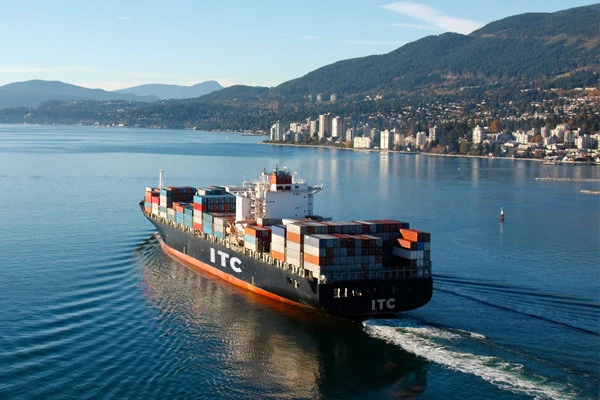
Independent Trading Company’s 60–90-day custom-production estimate begins after pre-production sample confirmation and ends when the goods leave China. Sample development precedes that period. International freight and delivery to the receiving location follow departure.
For an illustrative collection containing stocked T-shirts and custom trousers, separate dispatches would allow the T-shirts to reach the decorator as soon as they are available. A consolidated shipment would wait until both garments were ready. The quotation can price the selected arrangement, including any storage of completed goods. A revised trouser sample would require a new review date before its manufacturing start could be confirmed.
Where Inspection Takes Place
S&S requires shortage and damage claims within 72 hours of receipt. Its return conditions require garments to remain unprinted, unwashed and undecorated, and returns need an authorization number. The claim information includes the invoice, affected style, color and quantity.
For cartons delivered directly to a decorator, the buyer can assign the incoming check to that receiving team. The evidence kept with the invoice would include the arrival date, counts by style and size, and photographs marking visible issues. On a custom order, the supplier’s reporting window and correction, replacement or credit arrangements should be settled in the purchase terms before the deposit.
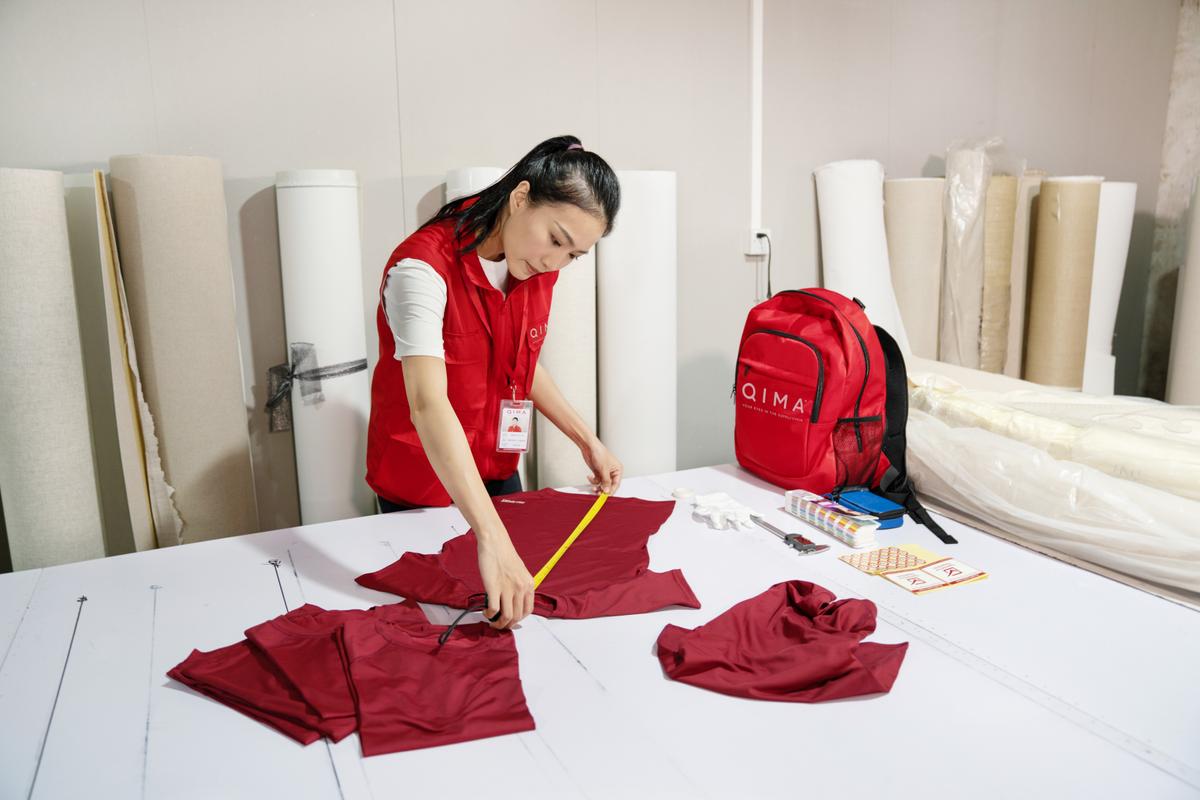
Measurements need a defined reference. Suppose a proposed T-shirt specification sets the laid-flat chest width at 56 cm with a tolerance of ±1 cm. The permitted range for that illustrative requirement is 55–57 cm at the stated measuring point. The inspection results would identify the measured garments and their actual chest widths.
The production drawing supplies artwork and label positions, and the packing list gives the expected color and size quantities. The agreed inspection scope also needs to identify how many garments receive each check. FashionMe includes 100% inspection for Made to Order. Stock Match uses sample-pull inspection as standard, with full inspection available as an upgrade.
Private Labels and Required Garment Information
A stock garment can receive a buyer’s label through a relabeling service. Royal Apparel sets minimums of 250 pieces per order and 72 pieces per style and color, with sizes ordered in multiples of six. The customer supplies the labels, dimensions, placement and sewing instructions. Pricing depends on label size, construction and location, and delivery is quoted after the project details are received.
For covered textile clothing sold in the United States, the required disclosures include fiber content, country of origin and the identity of the manufacturer or another responsible business. A business replacing a label carrying required information must reproduce the required disclosures and identify itself by its name or registered identification number. The FTC also requires three years of records showing the removed label information and the company that supplied the product.
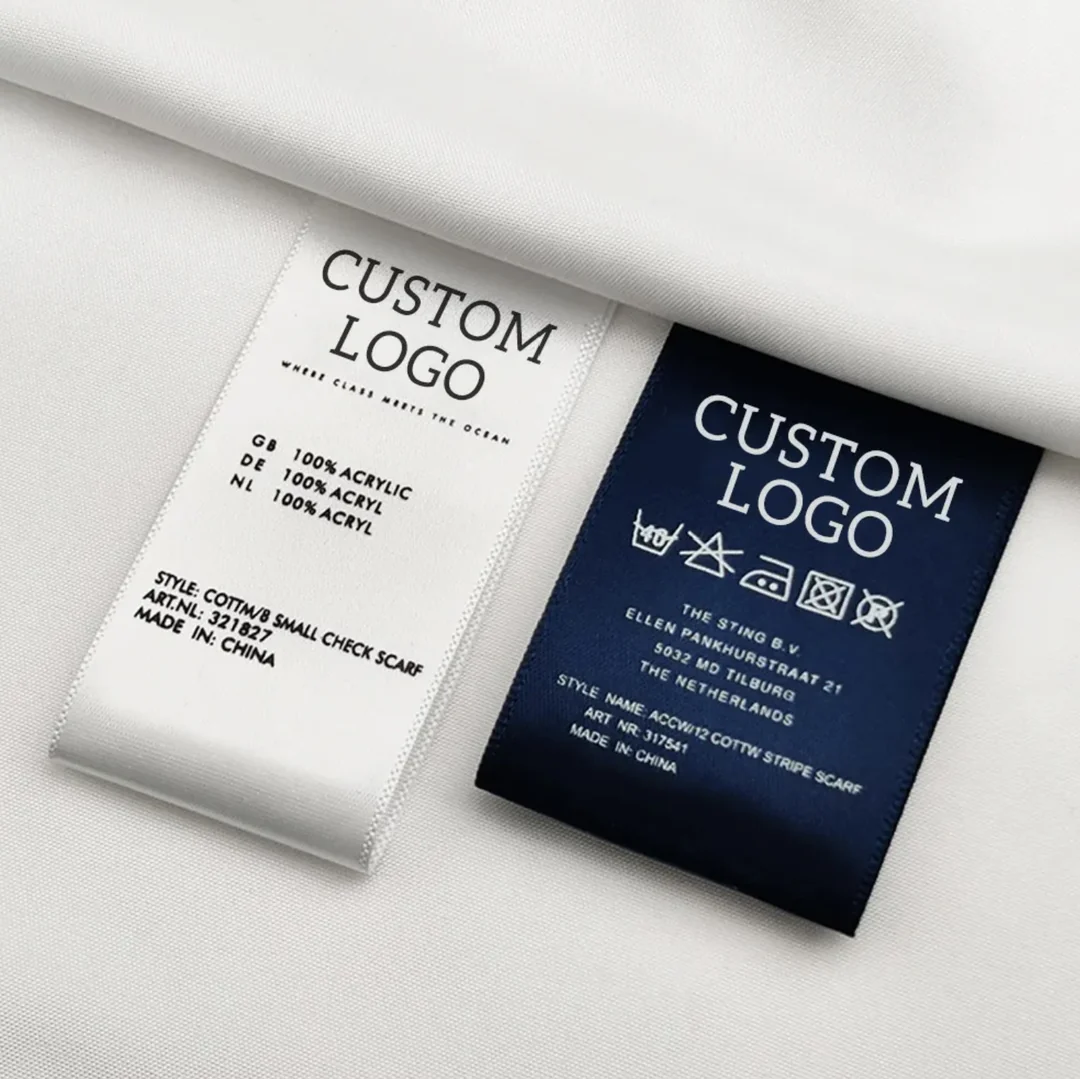
Under the FTC’s Care Labeling Rule, covered manufacturers and importers need a reasonable basis for the care instructions supplied with a garment. The supporting evidence must account for the assembled product, including its decoration, lining and trims. Care labels generally must be permanently and securely attached and remain legible throughout the product’s useful life, subject to the rule’s exemptions.
Reorders and Control of the Design
A request for 40 large navy T-shirts concerns one exact combination of style, color and size. S&S allows business customers to reserve incoming stock through customer service. When the inventory becomes available, the customer receives a notification to complete the order.
Material can also be reserved for a continuing production program. Thygesen Textile Vietnam offers replenishment arrangements involving greige fabric or finished garments. Greige fabric is held for later processing, including dyeing and finishing. Its published 10–12-week standard lead time includes fabric production.
For a proposed second color of an original trouser, the next quotation can retain the existing pattern and identify the processing required for the new fabric allocation. Already-dyed material needs its color and lot number attached to the reserved quantity. The reservation terms should cover storage charges, ownership and the deadline for using the material.
Development Files and Exclusivity
Hingto states that its clients own their tech packs and designs. A buyer commissioning pattern development can also request delivery of the graded pattern files, measurement chart and material references associated with the final sample. File names, formats and the delivery date belong in that handover agreement.
An exclusivity request for a commissioned print can identify the artwork file and colorway, the products and sales territory covered, and the proposed duration. For development based on a supplier’s existing body pattern, the agreement needs to address the permitted use of that pattern and the commissioned changes. Ownership and reuse rights should be expressly settled with appropriate legal review for the intended market.