What Is Mesh Fabric? Applications of Mesh Fabrics

What Is Mesh Fabric? Applications of Mesh Fabrics | FashionMe

What Is Mesh Fabric? Applications of Mesh Fabrics

Mesh fabric shows up in places that seem unrelated: the back panel of a running shirt, a bra wing, a football jersey, the upper of a running shoe, a backpack bottle pocket and the padded surface of a mattress.

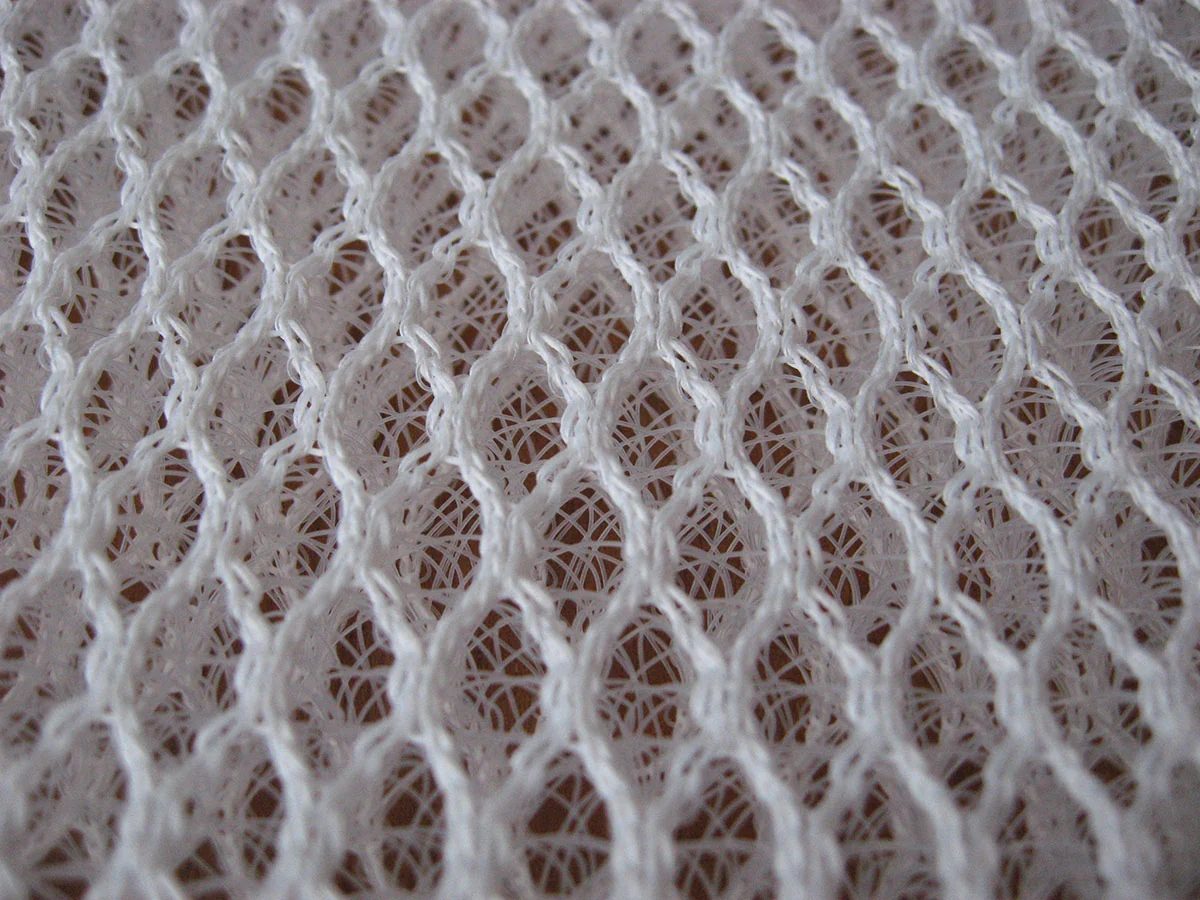
They share an open textile structure. Yarn surrounds deliberate spaces that are created during knitting, weaving, net making or another forming process. Some openings are almost invisible until the fabric is held toward light. Others are several millimetres wide.

Polyester and nylon are common in clothing, footwear and technical mesh. Elastic constructions may include elastane. Cotton and other fibers appear in lighter fashion and apparel uses. The same fiber can produce several completely different meshes once yarn size, opening geometry and construction change.
What Is Mesh Fabric?

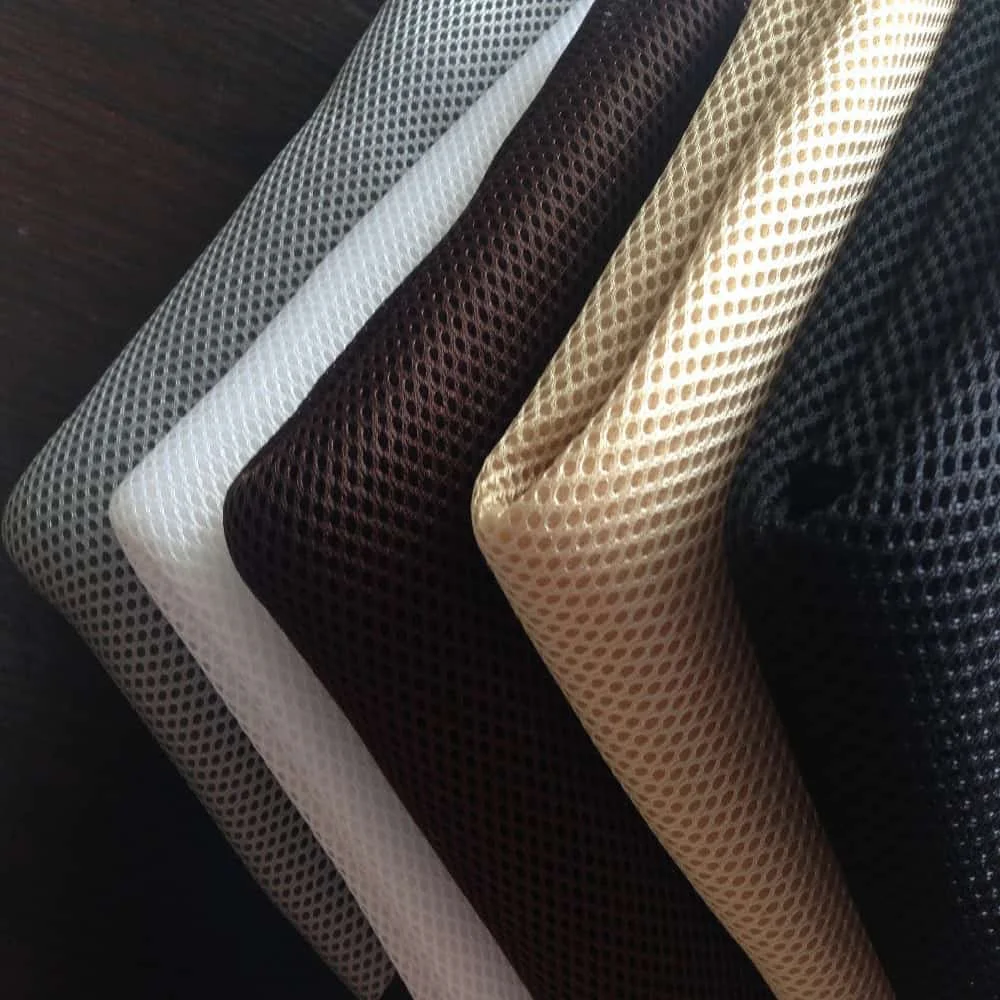
Put a mesh swatch on a sheet of white paper.

Look through one opening and trace the yarn around its edge. On a knitted mesh, that yarn belongs to loops or knitted paths connected to the surrounding structure. The opening already exists when the fabric leaves the knitting machine.

The shape may resemble a diamond, circle, hexagon, rectangle or an irregular pattern. Fine lingerie mesh can contain openings that are difficult to measure with an ordinary ruler. Bag and footwear meshes may show the complete repeat clearly to the naked eye.

Warp knitting produces a large share of the mesh used in apparel and technical textiles. Raschel machines can make fine elastic nets, patterned mesh and much larger open constructions. Double-needle-bar machines create spacer fabrics containing two textile surfaces separated through the thickness. Current commercial equipment covers applications including shoe fabrics, outerwear, nets, medical textiles and mattresses. KARL MAYER
The Word “Mesh” Leaves a Lot Unsaid

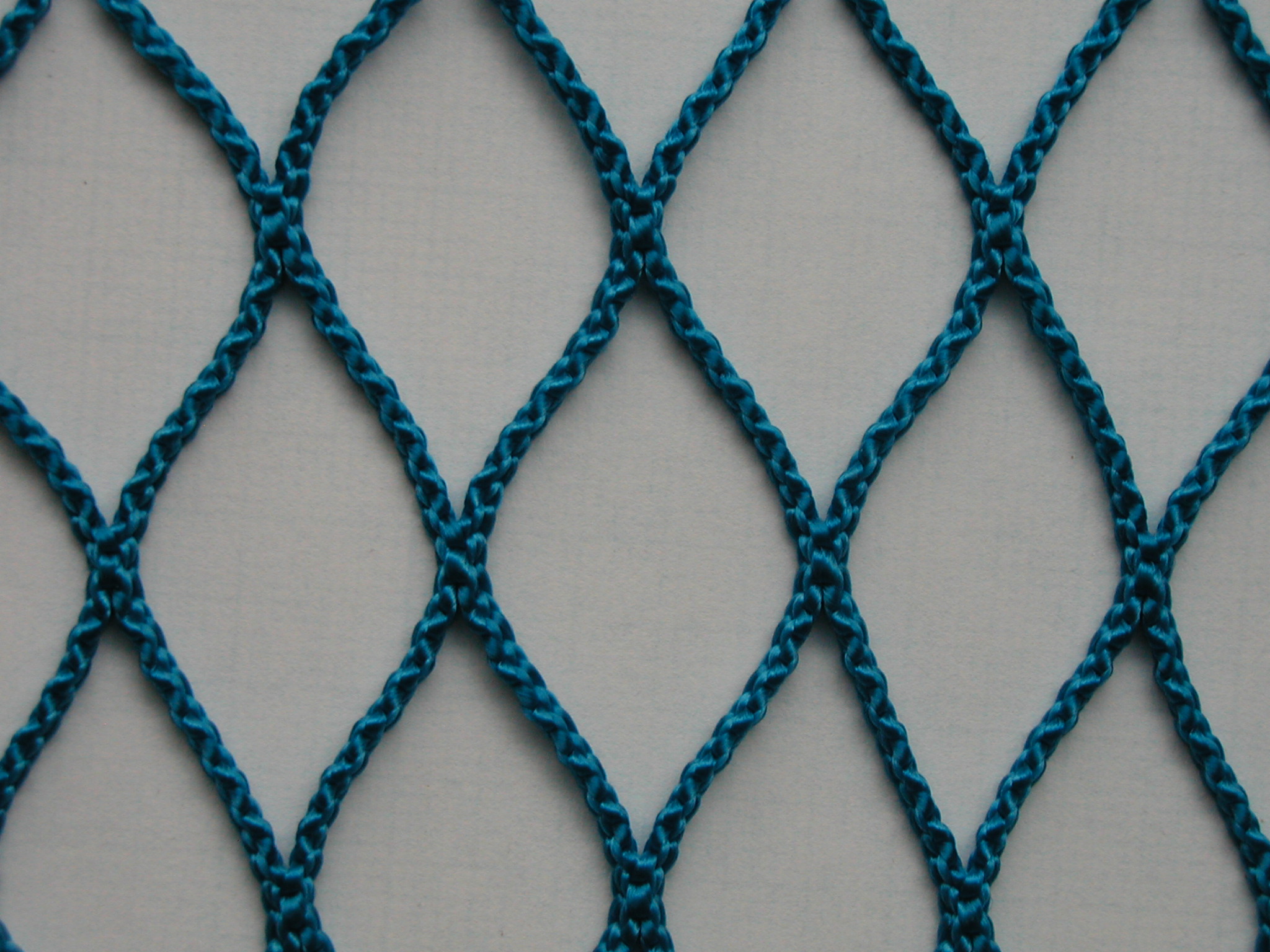
A supplier sends five black polyester swatches.

Every label says mesh.

One has tiny closely spaced pores. Another has 4 mm diamond openings. A third stretches considerably across the width. The fourth feels rigid around each yarn junction. The last sample is thick enough for its internal spacer yarns to be seen from the cut edge.

The fiber name remains polyester across all five pieces.

A fabric card becomes much more useful when it identifies the construction name, opening size, pattern direction, yarn scale, finished width and the dimensions that matter for the product using it.

Terms such as fine mesh, air mesh, sports mesh and heavy mesh are commonly used in sourcing, and mills can attach those names to visibly different structures.

Mesh Count Does Not Mean the Same Thing Everywhere

The phrase mesh count appears frequently in industrial screens and woven wire or textile mesh.

In those products, the number may refer to the quantity of openings or threads within a stated distance, often one inch.

Apparel suppliers do not use one universal mesh-count system for every knitted mesh. A warp-knitted sports fabric may be identified through machine construction, gauge, article number, yarn specification or physical reference instead.

This becomes important when someone requests “20 mesh” from a clothing supplier after seeing the term on an industrial screen specification. The number requires its original measurement definition before it can be matched to a textile.

Openings Change the Route Air Takes Through Fabric

Imagine a square measuring 100 × 100 mm.

A fine mesh can place hundreds of small openings inside that square. A coarse mesh may contain fewer openings, each surrounded by a larger amount of yarn. Measuring one hole gives no measurement for all of the open space across the 10,000 mm² area.

Textured yarn occupies the perimeter differently from smooth filament yarn. Finishing can flatten parts of the structure. Coatings, prints and laminated layers alter the passages again.

ASTM D737 covers measurement of air permeability for knitted, woven, layered and treated textile fabrics. ASTM also identifies fabric construction and finishing as factors capable of changing airflow. ASTM D737

The test places a defined fabric area under specified pressure conditions and measures the air passing through it.
Running Shirts Use Mesh as a Map

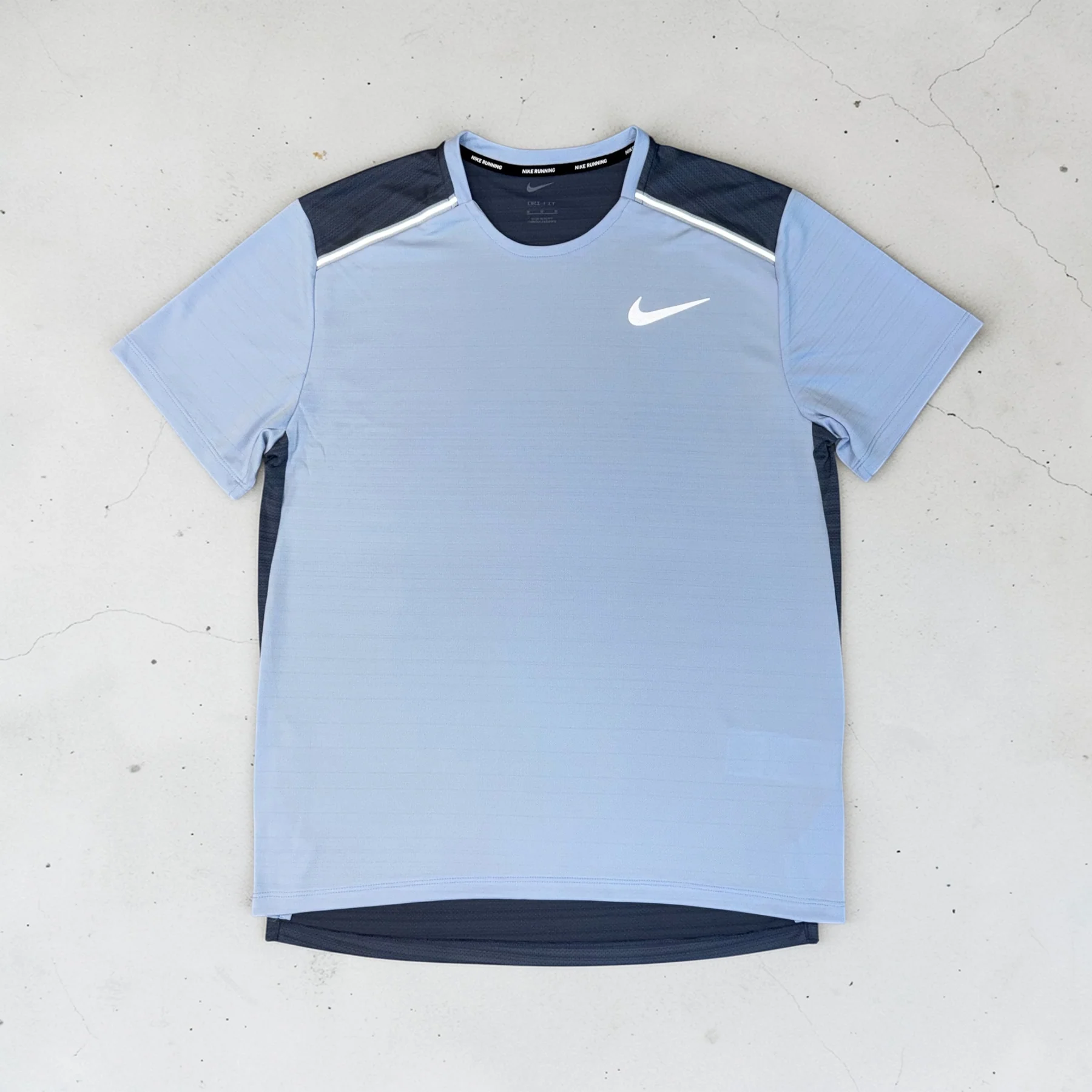
Lay a performance top flat.

The back panel occupies a broad area across the torso. Under the sleeve is a narrow section that repeatedly folds as the arm moves. Side panels follow the body through twisting and running motion. The chest may carry a logo, number or transfer.

A garment developer can assign different structures to those areas.

An open knit across the upper back exposes more surface to airflow. A side insert can use a construction with useful transverse extension. The chest fabric can carry more continuous surface for printed detail.

Some garments create those zones from several separately cut fabrics.

Engineered warp knitting can place different structures within one textile. KARL MAYER's current technical material includes engineered sports panels and Jacquard constructions with integrated functional zones. KARL MAYER Virtual Showroom
A Team Jersey Gives the Printer Thousands of Small Gaps

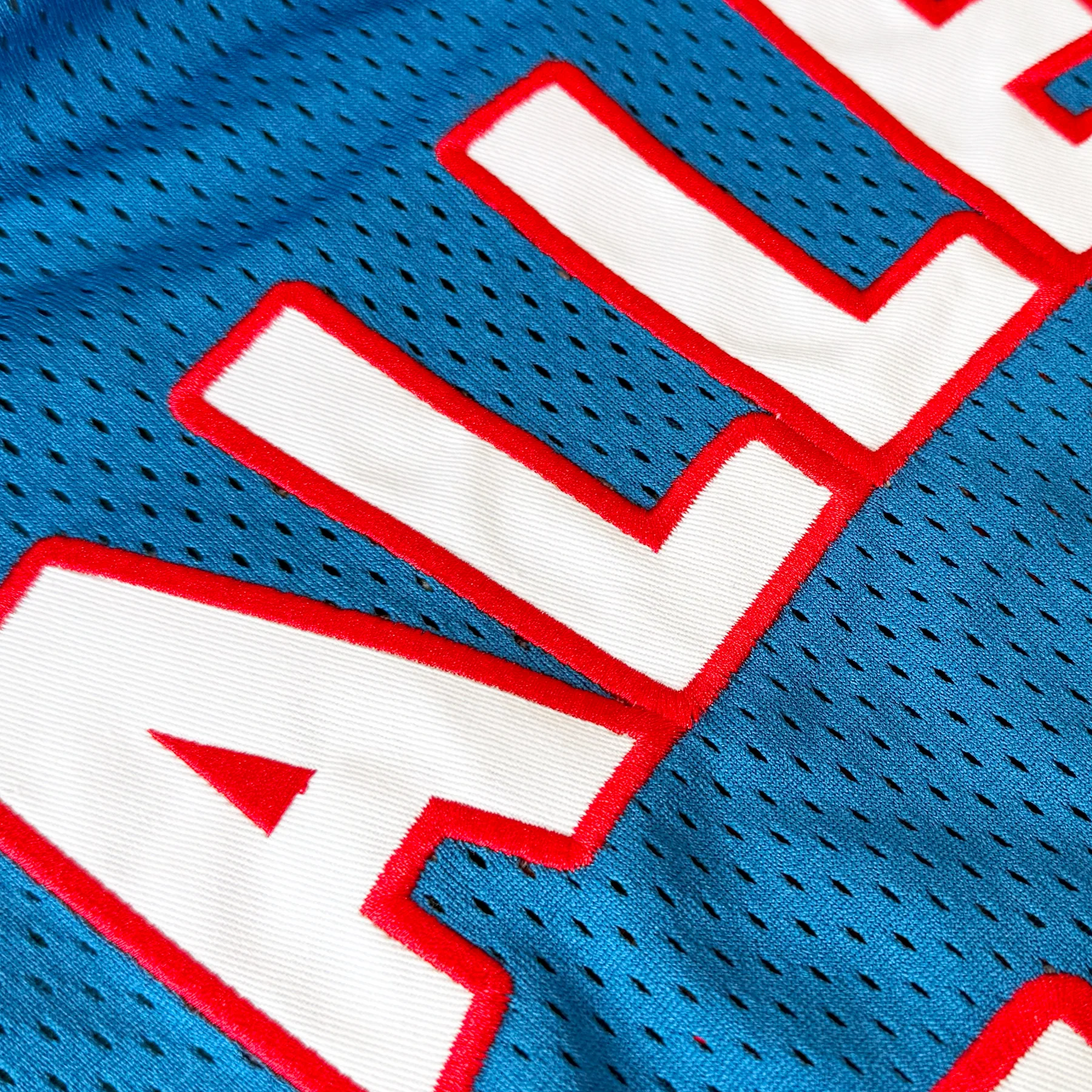
Place a solid number over a coarse jersey mesh.

The wide center of the number crosses many yarn paths. Small lettering around it encounters individual openings more frequently. Fine edges can sit partly on yarn and partly over empty space.

Screen ink stays on the textile surface.

A heat-applied transfer brings a film and adhesive layer into the construction.

Sublimation used on suitable polyester mesh colors the fibers through a different process.

A real jersey panel can also contain a seam running through the graphic. Number edges may cross from a denser body fabric into a ventilation panel. Pressing introduces heat and pressure to the mesh at the same time as the decoration.

Sampling departments often discover these details only after the finished-size artwork is placed on the actual garment panel.
Power Mesh Can Change Size Twice in One Test

Mark two points 100 mm apart.

Stretch the sample until those marks reach 150 mm.

The marked section has extended by 50%.

Release the load.

After the chosen recovery period, the marks may sit at 102 mm, 105 mm or 110 mm depending on the construction.

That second measurement is especially relevant to lingerie, bra wings, shapewear and close-fitting support panels. The fabric remains extended during wear and repeatedly returns toward its relaxed dimensions after removal.

Powernet and elastic Raschel mesh remain active commercial constructions for shapewear and related uses; current KARL MAYER sample ranges include elastic Raschel mesh for shapewear and E32 powernet structures. KARL MAYER Virtual Showroom

Length and width can produce different extension values from the same swatch.
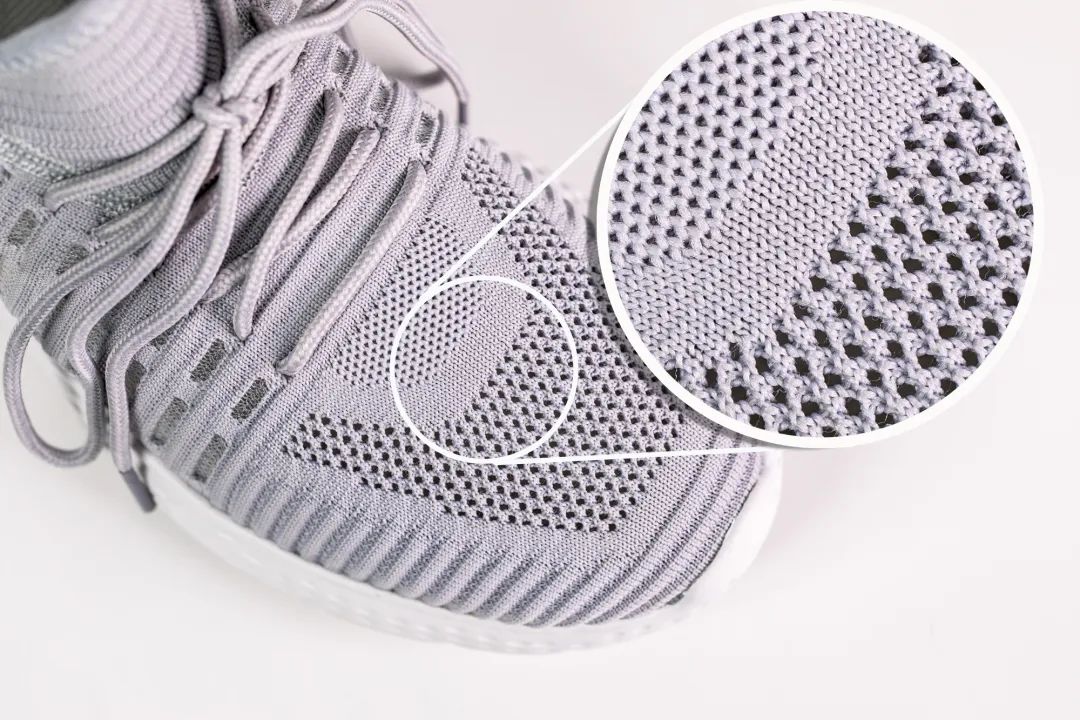
Shoe Mesh Changes as You Move Around the Foot

Begin at the forefoot of a running shoe.

The material bends every time the foot rolls forward.

Follow the upper toward the laces and the textile enters an area connected to eyestays, reinforcement and lace tension.

Move toward the quarter and another part of the fabric wraps the side of the foot.

Engineered shoe mesh can place pore zones in selected locations and use denser structures elsewhere within the same knitted piece. Current E32 double-needle-bar Raschel development produces fine spacer surfaces with integrated mesh areas for sports and casual footwear. KARL MAYER

The knitted upper later passes through bonding, reinforcement and assembly operations. Films and overlays may cover selected zones before the shoe reaches lasting and sole attachment.
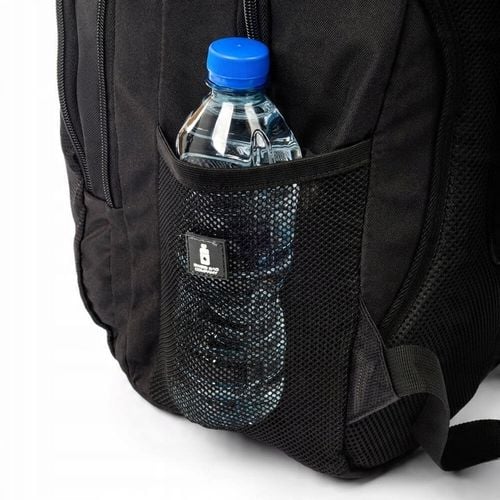
A Bottle Pocket Is Loaded From the Top Down

An empty backpack pocket sits close to the side panel.

Push a bottle through the opening.

The top edge stretches first.

The body of the mesh expands around the diameter of the bottle.

Weight settles toward the lower portion.

Walking causes the bottle to move against the yarns. Removing it lets the fabric contract again. Repeating the same action hundreds of times puts rubbing around the opening and the seam where the mesh meets the bag.

A pocket intended for coins faces another problem entirely: an opening can be large enough for the corner of a key, earbud or small object to work into the structure.

Bottle pockets are often easy to inspect after wear because abrasion becomes visible near the upper binding and lower contact area.
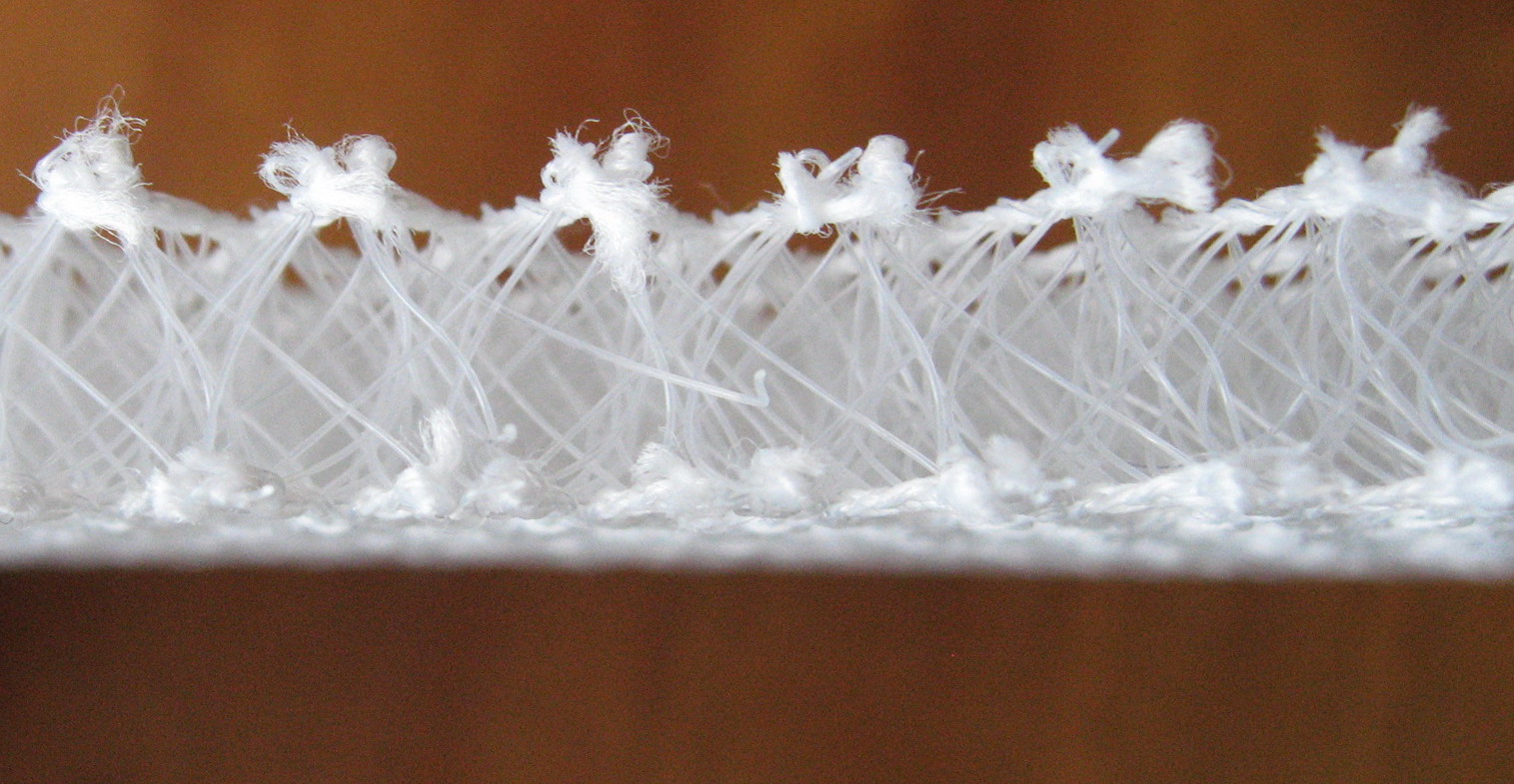
Spacer Mesh Has Something Flat Mesh Does Not: Depth

Turn a spacer fabric sideways.

Two textile surfaces become visible.

Yarns connect one face to the other through the space between them. Their length and arrangement establish the physical thickness of the textile.

Press the sample.

The faces move closer together as the internal structure deforms.

Current double-needle-bar Raschel machines are built specifically for these fabrics. KARL MAYER's RD 6/1-12 lists a 1–12 mm thickness adjustment range and applications that include sports shoes, sports gear, automotive interiors and mattresses. KARL MAYER RD 6/1-12

A separate KARL MAYER mesh-spacer sample uses a 5 mm machine setting for a construction intended for footwear or upholstery. Strip-like mesh spacer

The cut edge of either fabric shows the connecting yarns directly.
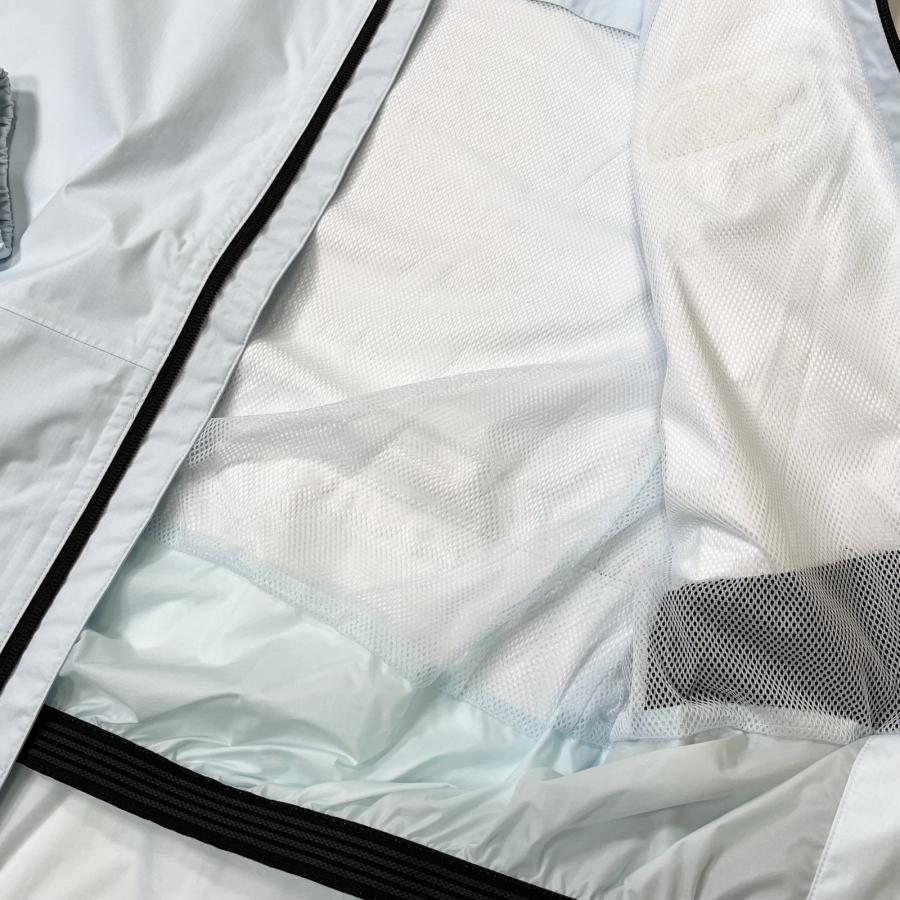
Jacket Lining Mesh Lives Among Zippers, Labels and Seam Allowances

Turn a lined jacket inside out.

Zipper tape runs beside the mesh.

A care label projects from one seam.

Pocket bags create extra layers.

Overlocked seam allowances sit behind the lining.

The wearer's shirt slides across the surface every time the jacket goes on or comes off.

Fine openings reduce the space available for small edges and objects to enter the structure. Yarn texture is noticeable when the fabric touches the neck or arm. A loose lining construction can also distort around pocket openings or attachment points.

Color shows through more locations than the cutting table suggests. Pale lining mesh can be visible through perforated shells, ventilation openings, open pocket structures and loosely constructed outer fabrics.

Inside a zipped pocket, the same mesh may have to retain coins, keys or small accessories.
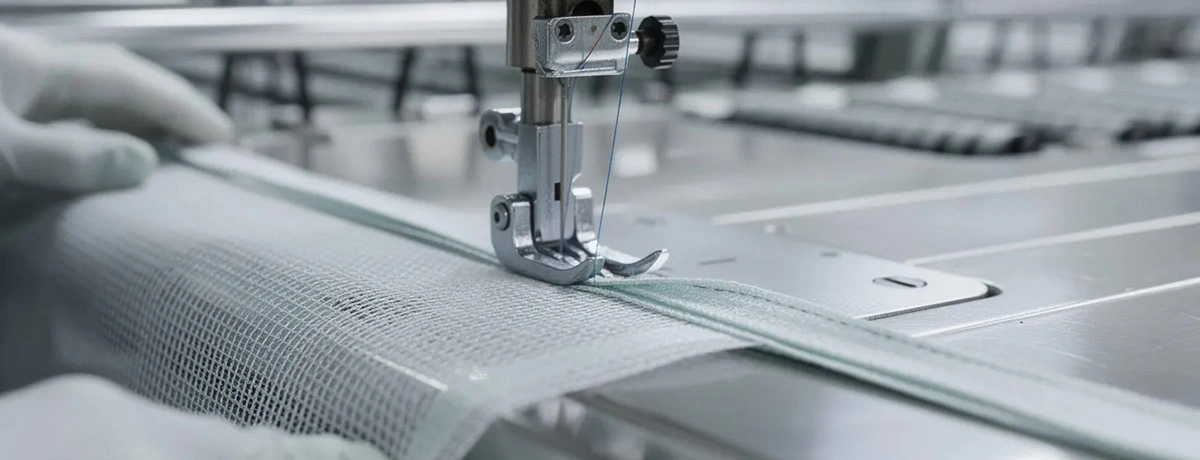
Sewing a Large Mesh Opening Is a Geometry Problem

Take mesh with an 8 mm repeat and mark a straight seam line across it.

At the first stitch position, the needle may pass through a dense junction.

Several millimetres farther along, it can meet one narrow strand around an opening.

The next penetration lands near another junction.

The seam line remains straight even though the amount of textile underneath each stitch changes.

Binding encloses an open edge with another strip of material. Reinforcement can sit around a zipper end, strap attachment or other concentrated load point. On transparent mesh, the construction remains visible through the face.

A broken filament beside an existing hole can blend into the original opening pattern during a fast inspection.
Layering Can Turn an Open Mesh Into a Much Less Open Assembly

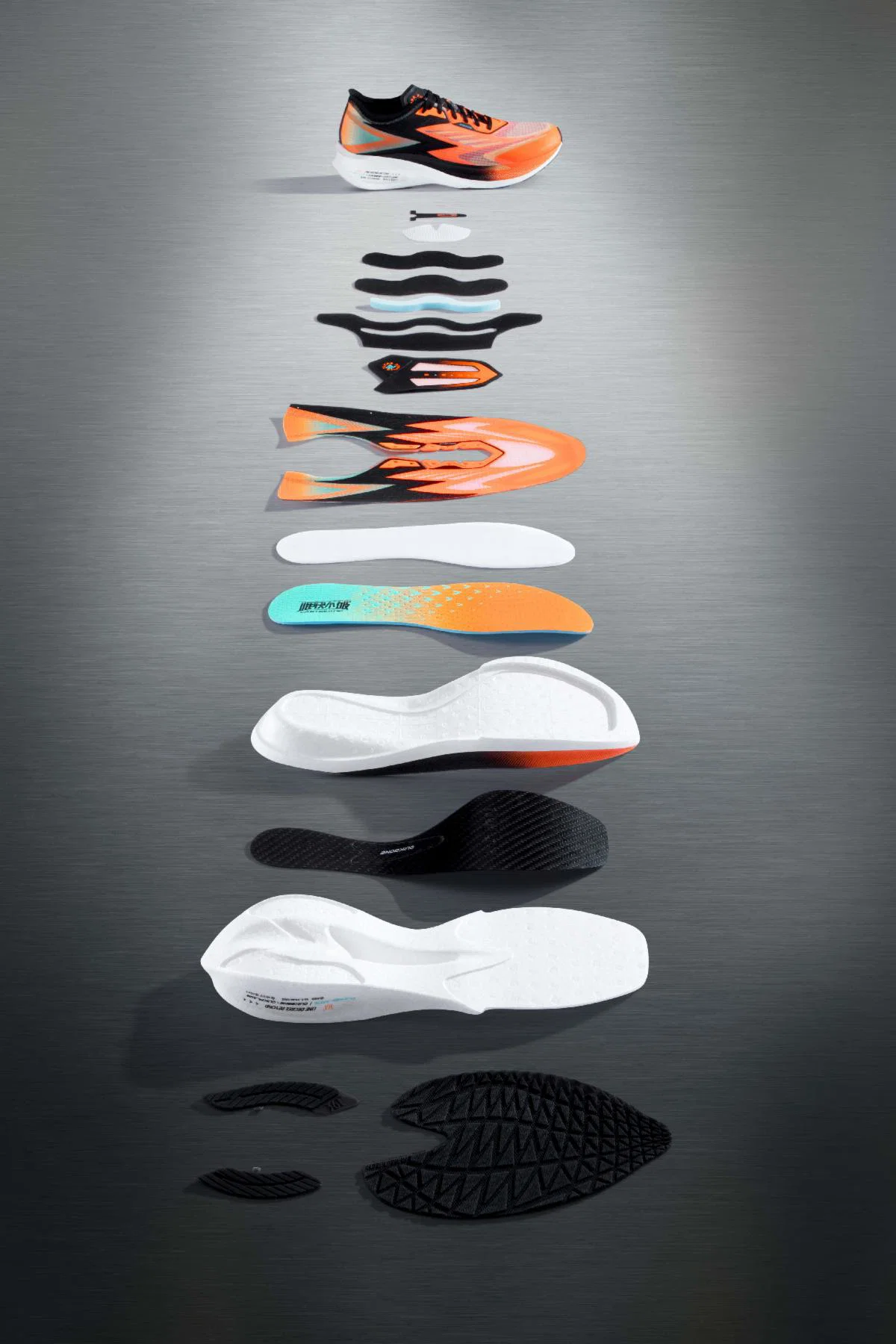
Start with one shoe mesh under a lamp.

The openings are clear.

Place a backing fabric behind it.

Add a reinforcement film across the eyestay.

Bond a logo to the quarter.

Apply another component along the lower edge.

Each layer occupies part of the route that previously passed straight through the loose mesh.

The same sequence occurs in clothing when mesh receives lining, transfer graphics, patches, padding or bonded support.

ASTM D737 includes layered fabrics within its scope, which allows airflow measurements to be taken on constructions containing more than one textile layer. ASTM D737
Shade Net Moves Mesh Onto a Much Larger Scale

An agricultural shade structure can cover a greenhouse, crop row or outdoor growing area.

The mesh is exposed continuously to light, heat, wind and weather. Its openings repeat over a surface far larger than an apparel panel.

Yarn may be supplied in forms suited to outdoor net construction, including monofilaments or tape-like materials. Raschel technology is widely used for net production alongside other technical applications.

At this scale, a local distortion in one part of the net can sit metres away from the next attachment point.

Material choice also has to account for the outdoor exposure period expected from the installation.

Filtration Turns the Opening Into a Functional Dimension

Take a mesh designed around a specified aperture.

Most openings fall close to that size.

One distorted section contains a noticeably larger gap.

A decorative fabric may show that difference as a visual irregularity. A filter places material directly against the openings, giving the aperture a physical role in what can pass through the textile.

Gas-filter textiles are among the applications ASTM lists when discussing the significance of air permeability. ASTM D737

Liquid filtration introduces another operating environment. Chemical exposure, pressure, temperature and cleaning can all become part of the material conditions surrounding the mesh.
Mesh Also Exists Outside Knitted Fabric

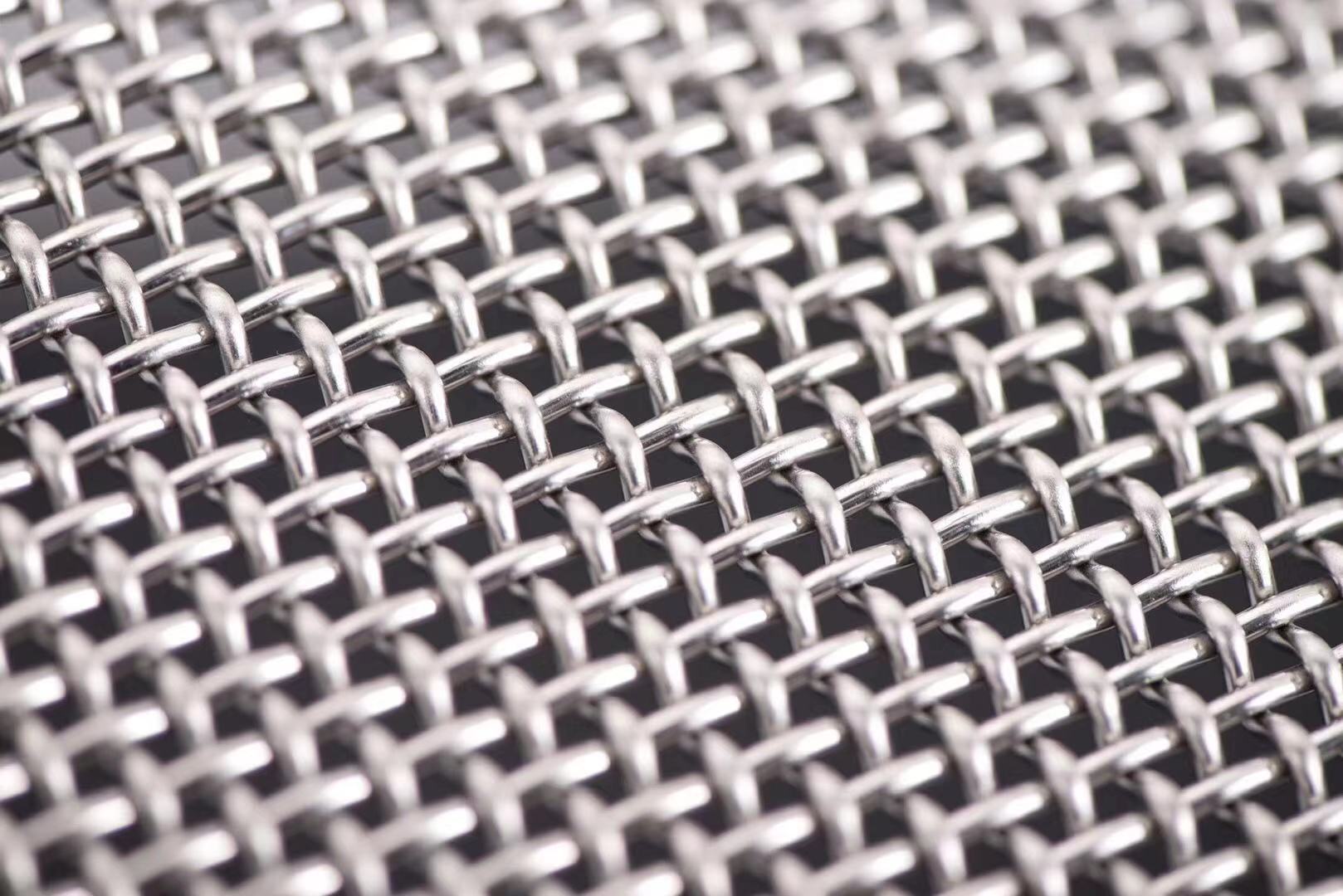
A woven mesh forms openings through the spacing and interlacing of warp and weft yarns.

Knotted nets connect yarns or cords at repeated junctions.

Extruded polymer mesh is formed through a polymer-processing route used for various industrial and packaging applications.

Warp-knit mesh creates openings through knitted yarn paths.

Double-needle-bar warp knitting adds a second surface and the yarns joining it to the first.

The same broad word therefore appears on textiles made through fundamentally different manufacturing systems.
Protective Products Use Open Structures in Their Own Way

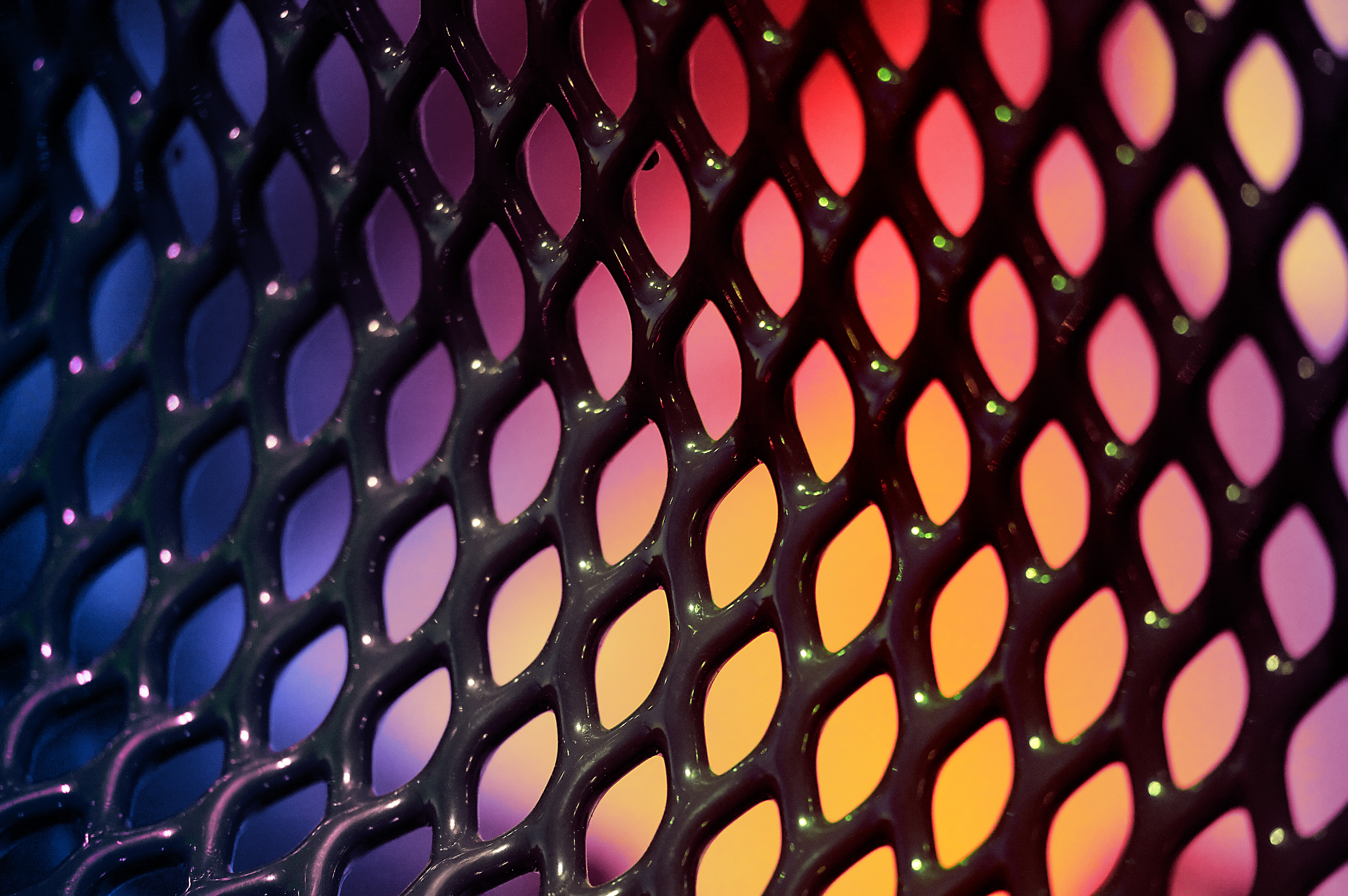
Camouflage netting covers a large area with an intentionally interrupted surface.

Helmet liners fit open textile structures around curved forms.

Protective vests can place mesh next to padding, attachment systems and reinforcement.

Technical warp-knitting portfolios currently include nets, shoe fabrics, medical textiles and other semi-technical products alongside clothing and mattress constructions. KARL MAYER

A 12 mm mesh-spacer sample produced on an E22 double-needle-bar Raschel machine uses polyester and retains approximately 8 mm spacing after finishing. 12 mm mesh spacer
What Is Waffle Knit? Waffle Knit Texture and How It Is Woven

What Is Waffle Knit? Waffle Knit Texture and How It Is Woven

What Is Waffle Knit? Waffle Knit Texture and How It Is Woven

Waffle knit is a textured knitted fabric with small recessed cells across the surface. Those cells are usually square or slightly rectangular, with raised yarn defining the edges. Thermal shirts, Henleys, lounge pieces and casual long-sleeve tops often use this structure.

Most garment waffle is knitted from interconnected loops. Waffle weave is a separate textile construction produced with warp and weft yarns on a loom.

The finished result depends on more than the visible grid. Yarn size, stitch length, cell dimensions, knitting density, fiber content, GSM and finishing all change how the fabric looks and behaves.
What Is Waffle Knit?

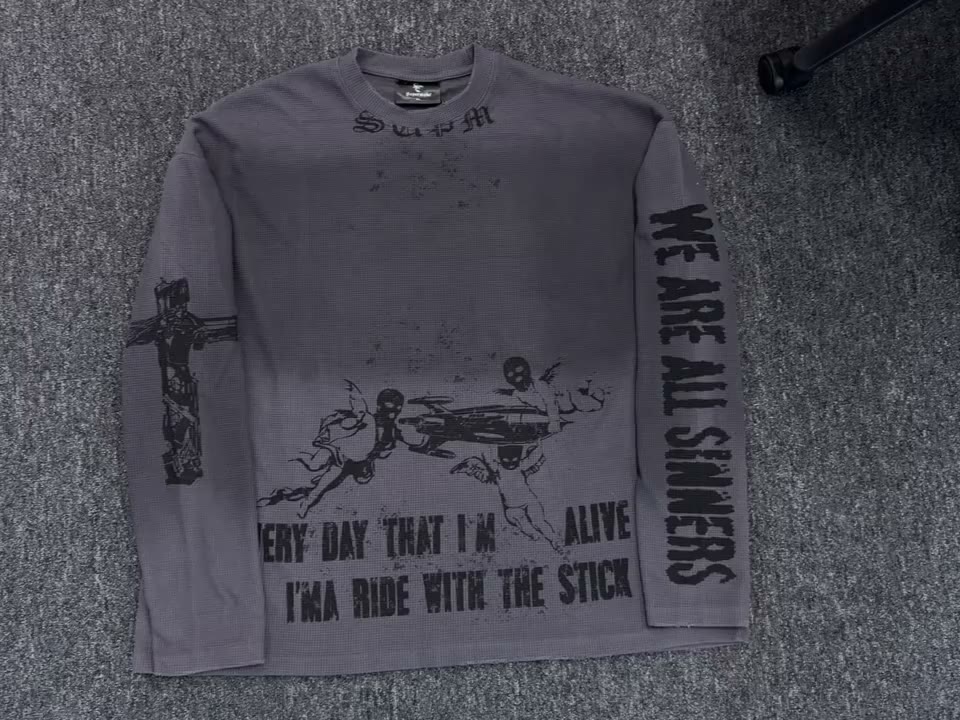
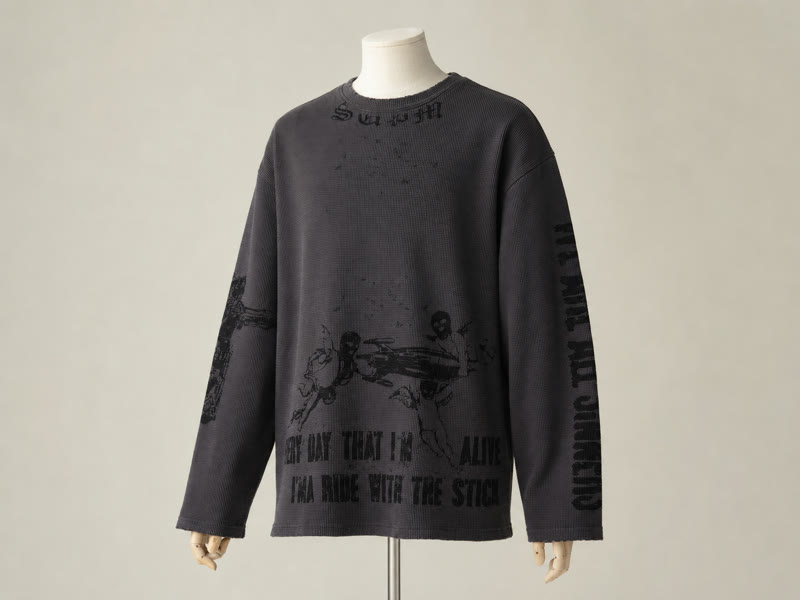
Washed charcoal waffle-knit graphic long sleeve displayed on a mannequin.
A garment application makes the scale of the waffle surface visible across the body and sleeves.

Waffle knit belongs to the textured knit family. Its loop structure creates recessed areas directly in the fabric, so the texture is present from the moment the material is knitted.

The name covers a wide range of fabrics. A light cotton thermal may use very shallow cells. A heavier casual top can use thicker yarn and much deeper relief. Fiber content also varies across products.
The common feature is the cellular knitted surface.

What Does Waffle Knit Texture Feel Like?

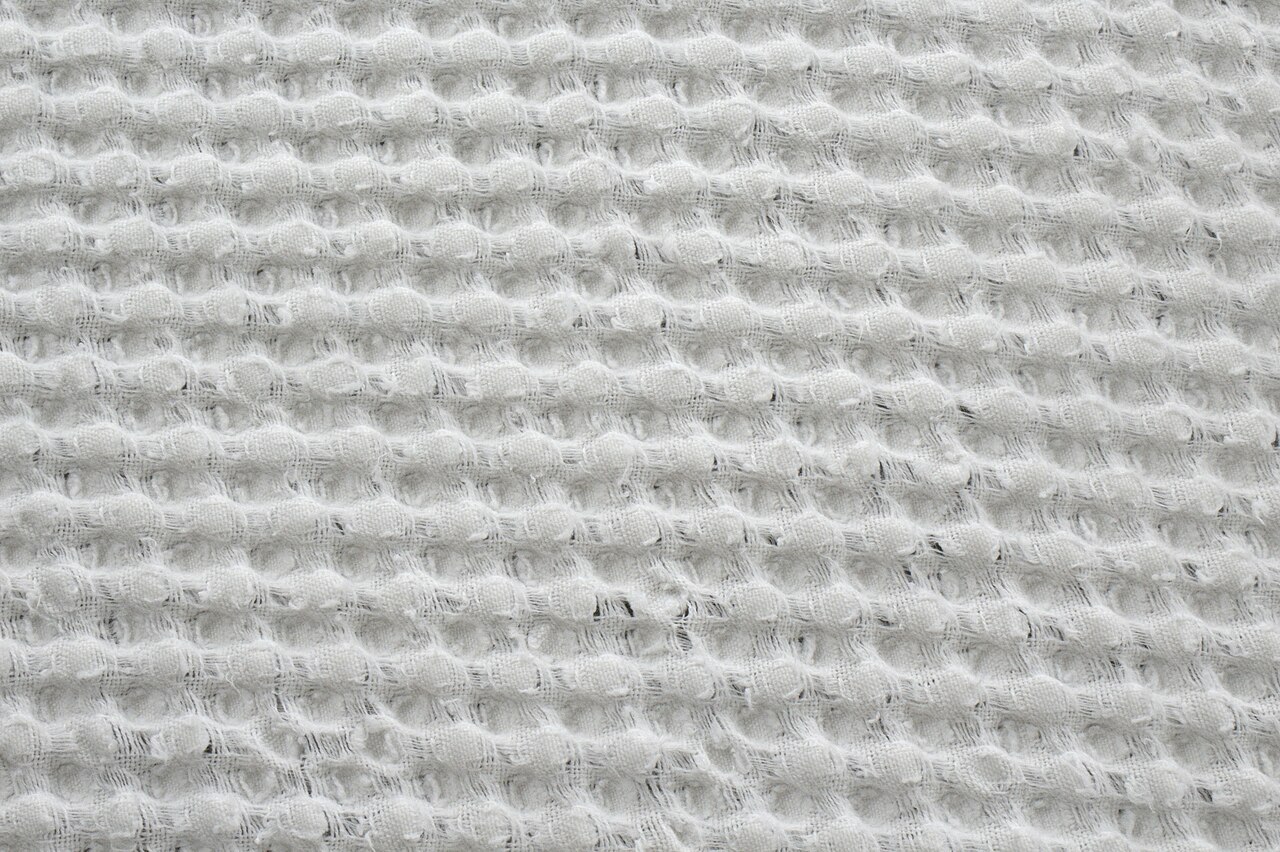
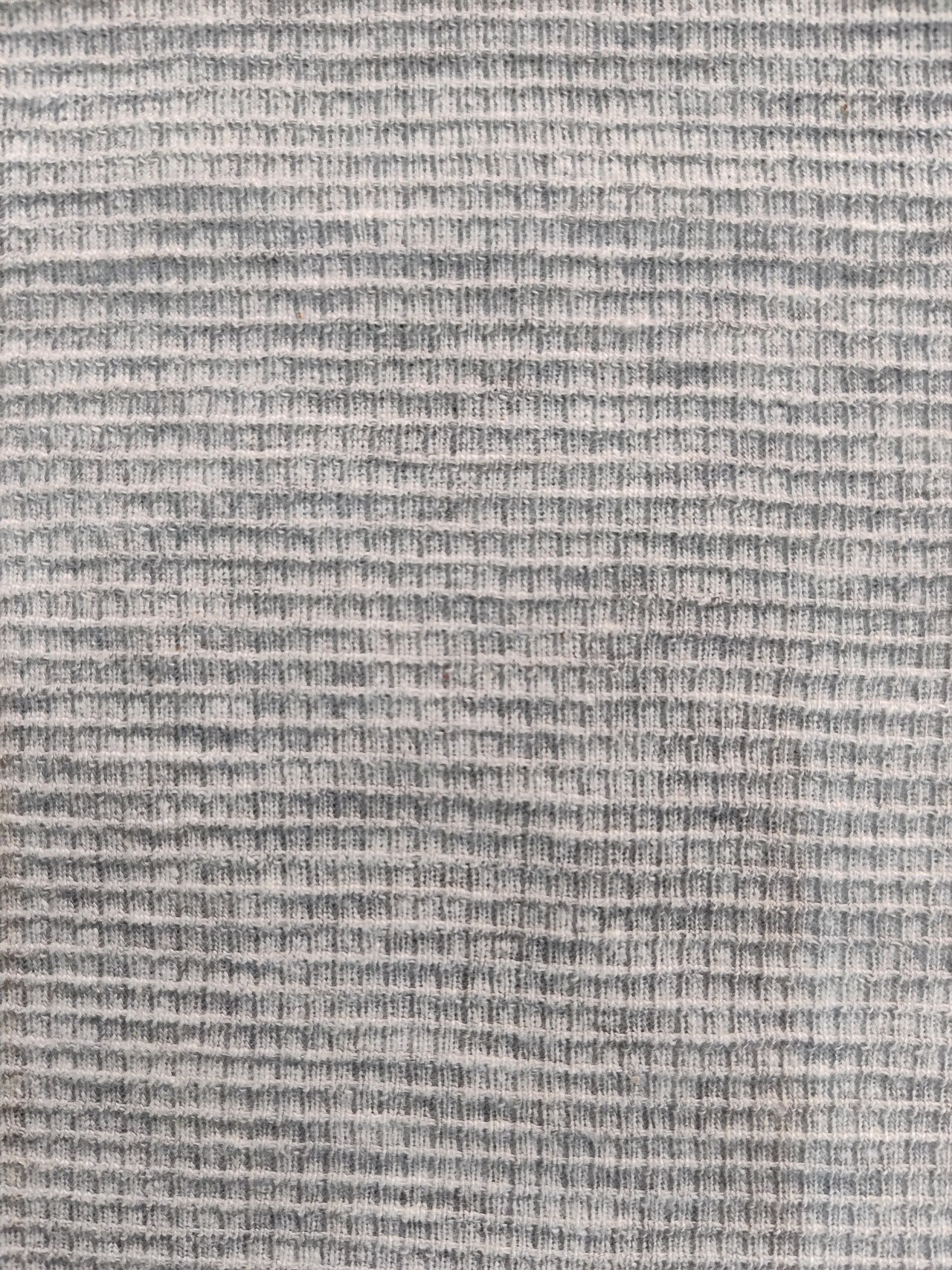
Close-up of knitted waffle fabric showing raised ribs and recessed cells.
Knitted waffle surface at close range. Photo: RAJIVVASUDEV / Wikimedia Commons, CC BY-SA 4.0.

A fine waffle feels lightly uneven under the fingertips. The ridges become easier to detect when a hand moves slowly across the surface. Lightweight versions can still fold and drape easily.

Depth changes the experience. Larger cells create more noticeable high and low points. Thick yarn gives the ridge a fuller shape, and tighter knitting makes the cloth feel firmer in the hand.

Finishing can alter that first impression again. Cotton may feel less dry after softening. Compaction changes the dimensions of the cells. Enzyme treatment can reduce loose surface fibers.

Is Waffle Knit Woven?

Close-up of woven white waffle fabric made with warp and weft yarns.
This is woven waffle fabric, a different construction from garment waffle knit. Photo: Alexandra.birenbaum / Wikimedia Commons, CC BY-SA 4.0.

Waffle knit is knitted.

Its yarn forms interconnected loops arranged through courses and wales. This structure gives the fabric the movement associated with knitted cloth.

Waffle weave is made on a loom from warp and weft yarns. It appears frequently in towels, bathrobes, blankets and some shirts.

For apparel sourcing, wording such as 100% cotton waffle knit, 220 GSM identifies the construction clearly.

How Waffle Knit Is Made

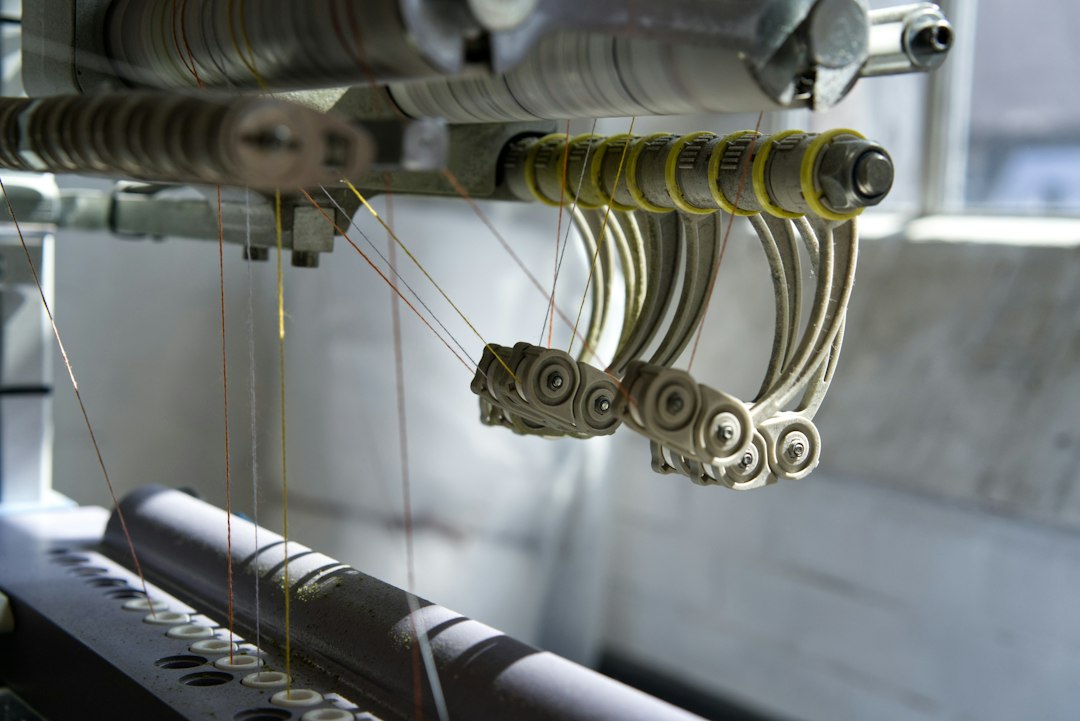
Industrial knitting machine used to form knitted fabric.
The loop structure is formed on knitting equipment before dyeing and dimensional finishing.

A typical production route starts with fiber and yarn selection.

  1. The mill chooses the required composition.
  2. Yarn count is matched to the target weight and machine gauge.
  3. The stitch repeat is set on the knitting equipment.
  4. Stitch length and yarn feed are adjusted.
  5. Greige fabric is knitted.
  6. The material rests so part of the knitting tension can relax.
  7. Dyeing and other wet processing are carried out where required.
  8. The fabric is dried.
  9. Compaction or another dimensional finish may be applied.
  10. Finished width, GSM and wash behavior are measured.

The measurements used for production come from the finished fabric.

What Is Happening Inside One Waffle Cell?

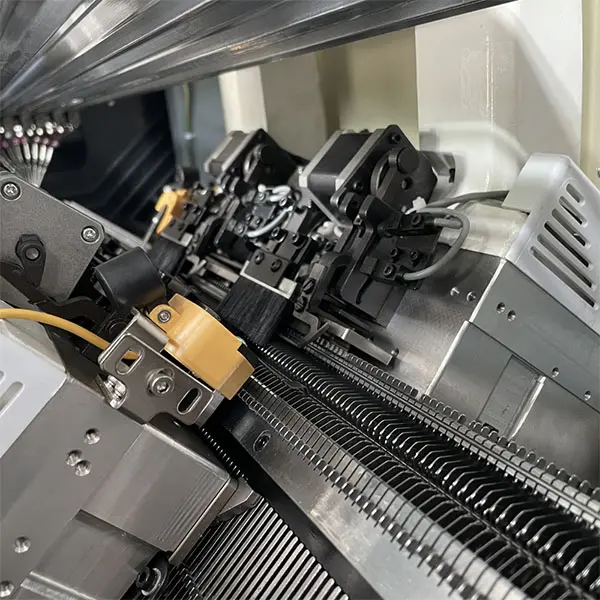
Needle bed and yarn-feed mechanism inside a knitting machine.
Needle position, yarn feed and stitch setting control the loops that build the cellular surface.

A waffle cell is built from the same loop system that forms the rest of the fabric.

Courses run horizontally across the knit.

Wales form vertical columns.

Stitch length controls how much yarn sits in each loop.

Tuck stitches may be used in certain cellular and thermal structures to build extra depth.

The recessed area appears where the loop arrangement draws part of the surface inward. Yarn around that area remains more prominent.

Machine gauge, yarn count and stitch settings all affect the final dimensions of the cell.

What Cell Size Looks Like on a Garment

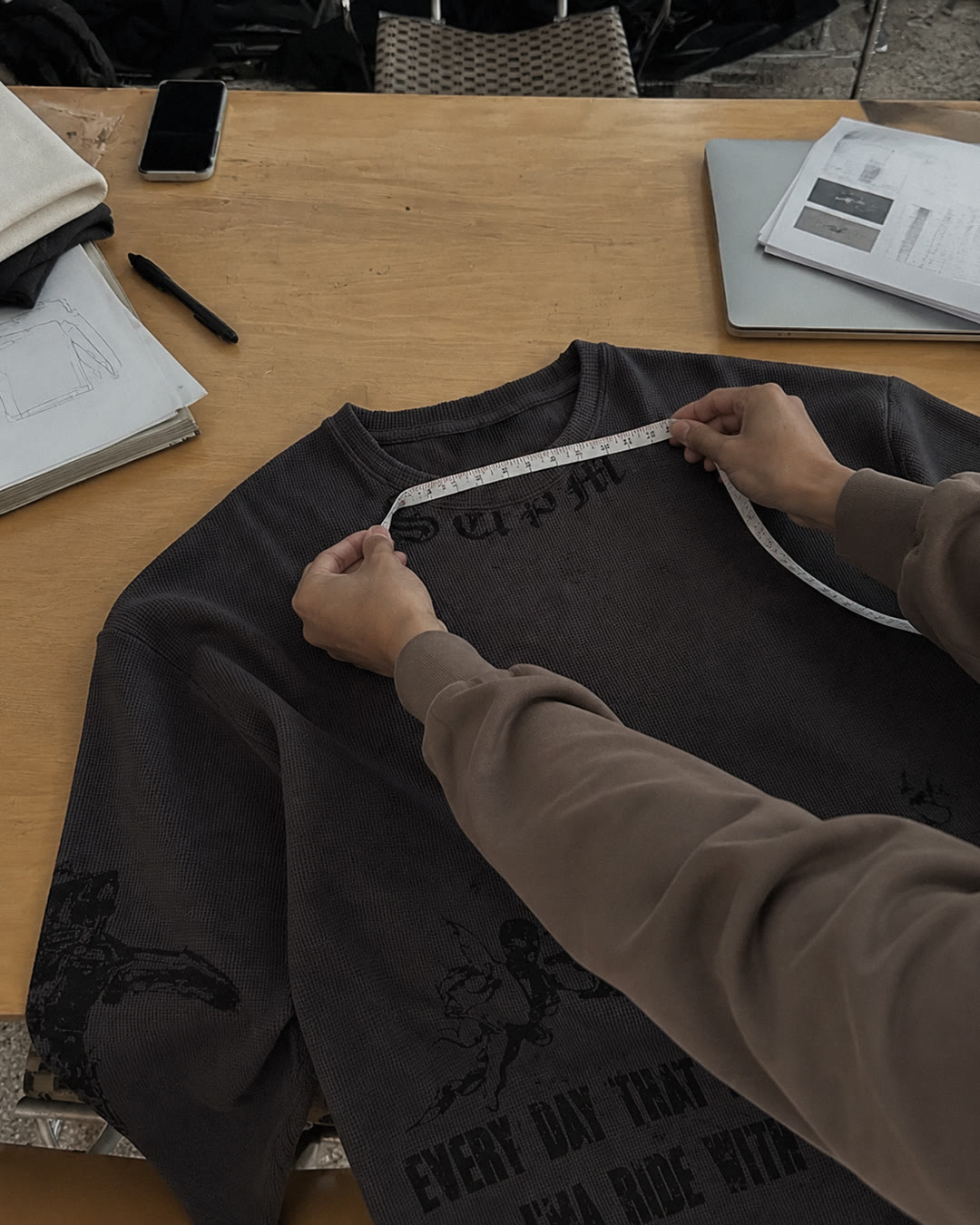
Garment measurement review against waffle-knit development specifications.
Finished garment dimensions provide the scale needed to judge how often the cell repeat appears across a panel.

Take a shirt front that measures 60 cm across.

A finished cell width of 5 mm gives roughly 120 repeats across that distance. Increase the cell to 10 mm and the same panel carries about 60.

That change is visible immediately on a full garment. Fine cells create dense surface texture. Larger cells become easier to distinguish across the chest, sleeves and shoulder folds.

A development sheet that records 6 × 6 mm finished cell gives the mill a measurable target.

What GSM Tells You About Waffle Knit

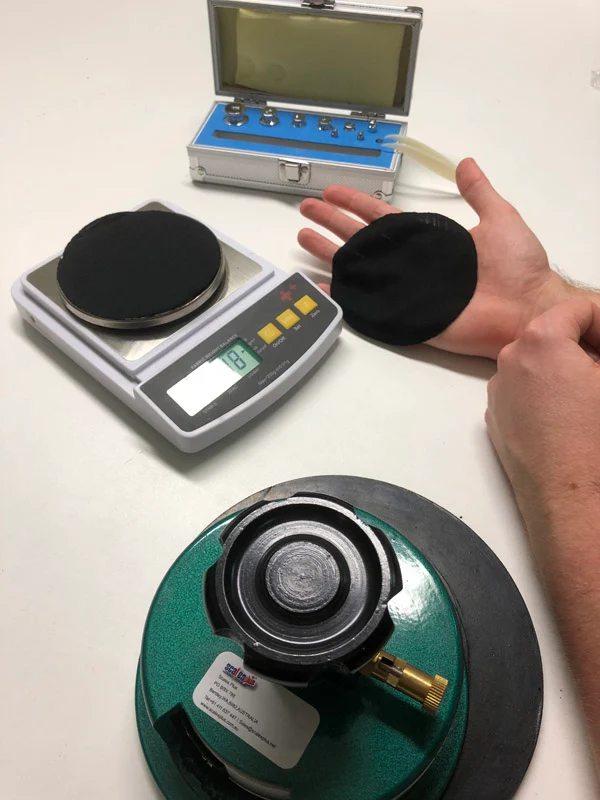
Circular fabric swatches being weighed on a digital scale during a fabric GSM test.
A known fabric area is weighed to calculate grams per square meter.

GSM records the weight of one square meter of fabric.

A 240 GSM waffle can feel bulky when the yarn is thick and the cells are deep. The same weight can feel much flatter with a compact surface.

Thickness, loft, compressibility, cell depth and drape need separate evaluation.

For development from a reference garment, a physical swatch gives information that the GSM figure leaves open.

Why Waffle Knit Appears in Thermal Clothing

The raised surface changes how much of the fabric sits directly against the skin. Contact is concentrated along the higher parts of the texture, leaving small recessed spaces nearby.

The amount of warmth depends on the full construction. A light mini-waffle can work as an indoor layer. Greater fabric weight, thicker yarn and a denser knit produce a more substantial garment.

Moisture behavior also comes from the yarn. Cotton readily absorbs water into the fiber. A blend containing polyester can dry differently because the synthetic portion retains far less water internally. Wool introduces more loft and changes the way the fabric handles moisture and warmth.

What Happens at the Elbow During Wear?

The elbow area stretches every time the arm bends.

Knitted loops open under that movement. Once the arm straightens, the fabric begins returning toward its earlier dimensions.

Some growth can remain after repeated wear. A sleeve that looked flat in the morning may show a rounded elbow later in the day.

Recovery depends on the construction, yarn and fiber content. Elastane can reduce residual growth, and stitch density also changes how the fabric reacts to repeated movement.

How Much Can Waffle Knit Shrink?

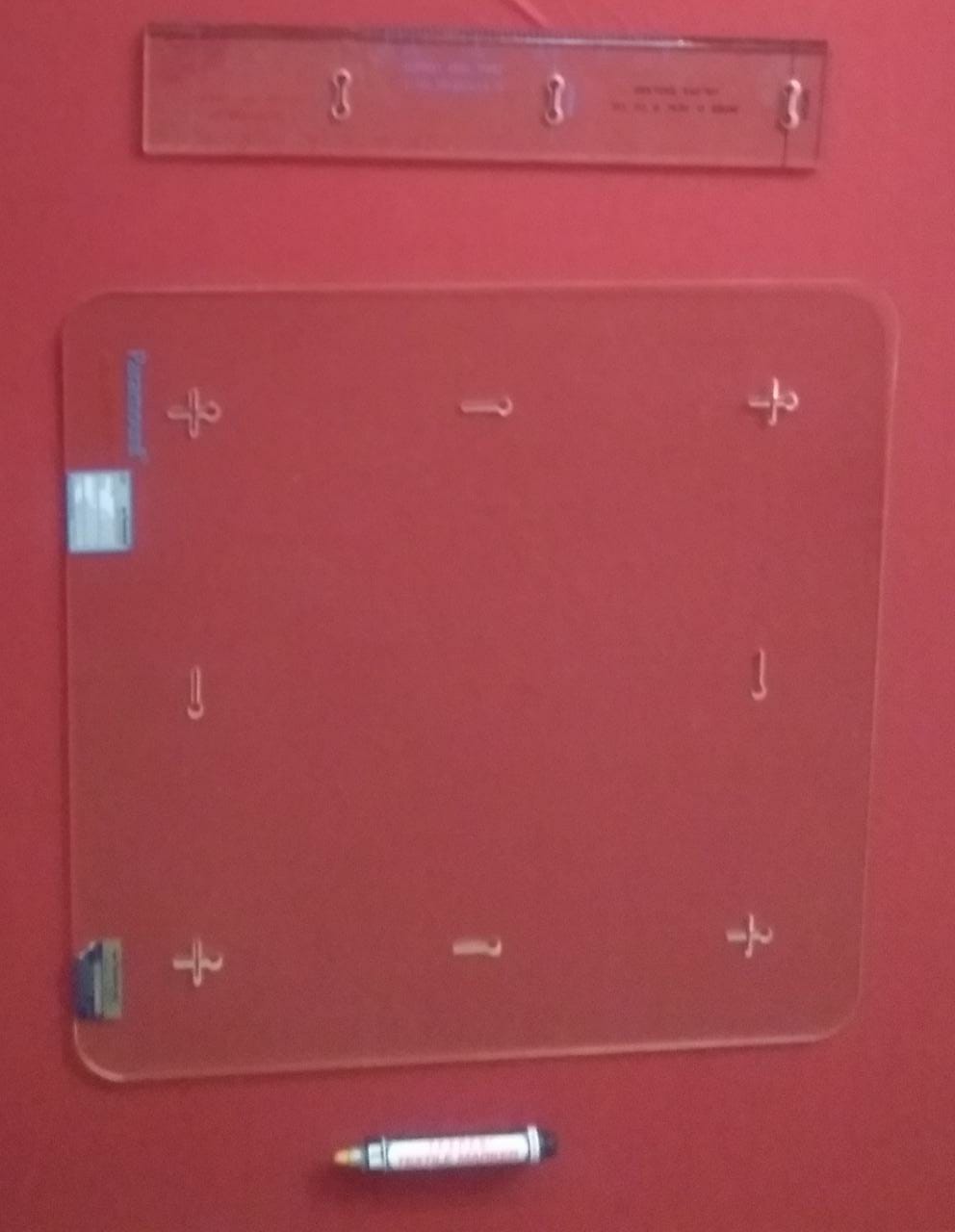
Textile shrinkage measuring template, scale and fabric marker used for dimensional-change testing.
Dimensional-change testing relies on fixed marks measured before and after the specified wash cycle.

Use a finished sample measuring 50 cm long × 50 cm wide.

After the intended wash and drying cycle, the sample measures:

47.5 cm long × 48.5 cm wide

Length shrinkage = (50 − 47.5) ÷ 50 × 100 = 5%
Width shrinkage = (50 − 48.5) ÷ 50 × 100 = 3%

The cell shape should be checked at the same time. Unequal dimensional movement can make a previously square-looking grid appear slightly rectangular.

How Fiber Choice Changes the Result

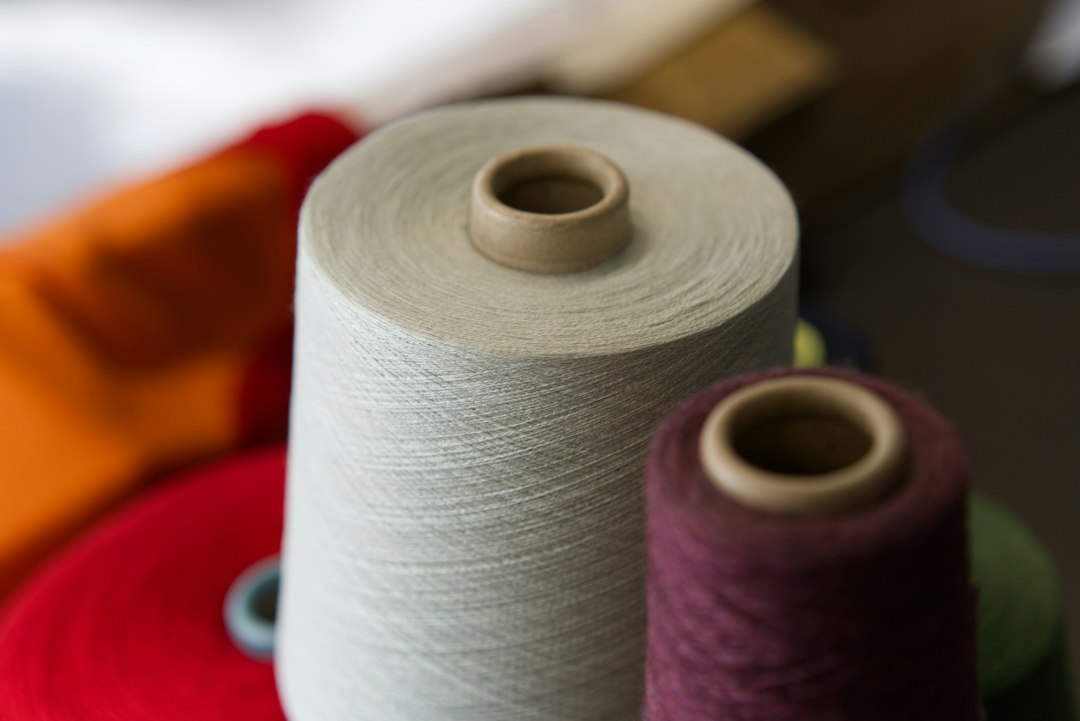
Yarn packages prepared for textile production.
Composition is fixed at yarn level before the fabric structure and finishing route are developed around it.

A fabric developer may begin with a brief asking for a soft waffle top that holds its shape through regular wear and dries reasonably quickly after washing.

Using only cotton gives the fabric a familiar hand and strong absorbency. Adding polyester changes moisture retention and can improve drying behavior. A small elastane content becomes useful when the garment needs better recovery around areas that stretch repeatedly.

A sweater-style product can call for more loft. Wool or a wool blend may suit that type of fabric.

The stitch setting is adjusted around the chosen yarn because different yarn systems fill the same waffle repeat differently.

What Does “Mini Waffle” Actually Tell You?

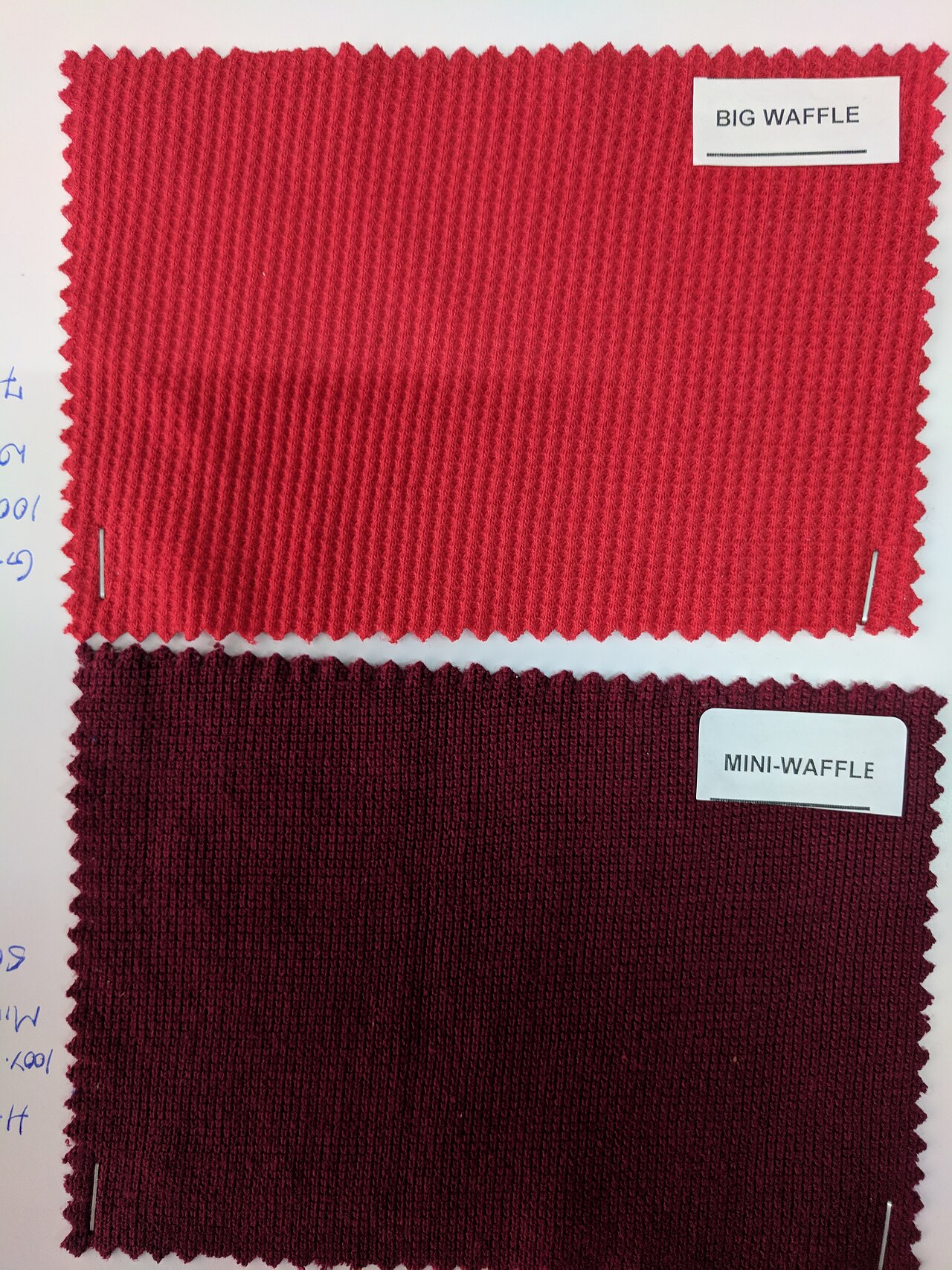
Circular knitted waffle and mini-waffle structures shown side by side.
Waffle and mini-waffle can be visibly different, so the supplier name still needs a finished cell measurement. Photo: RAJIVVASUDEV / Wikimedia Commons, CC BY-SA 4.0.

A supplier quote says:

Cotton mini waffle, medium weight

Several details are still missing.

  • Finished GSM
  • Finished cell dimensions
  • Fiber percentages
  • Usable width
  • Wash shrinkage
  • Stretch and recovery
  • Yarn count where controlled
  • Finishing method

Terms such as large waffle, heavy waffle and double waffle can also vary between mills.

A production description such as 95% cotton / 5% elastane, 230 GSM, 6 × 6 mm finished cell, 165 cm usable width removes much of that ambiguity.

How Decoration Behaves on Waffle Knit

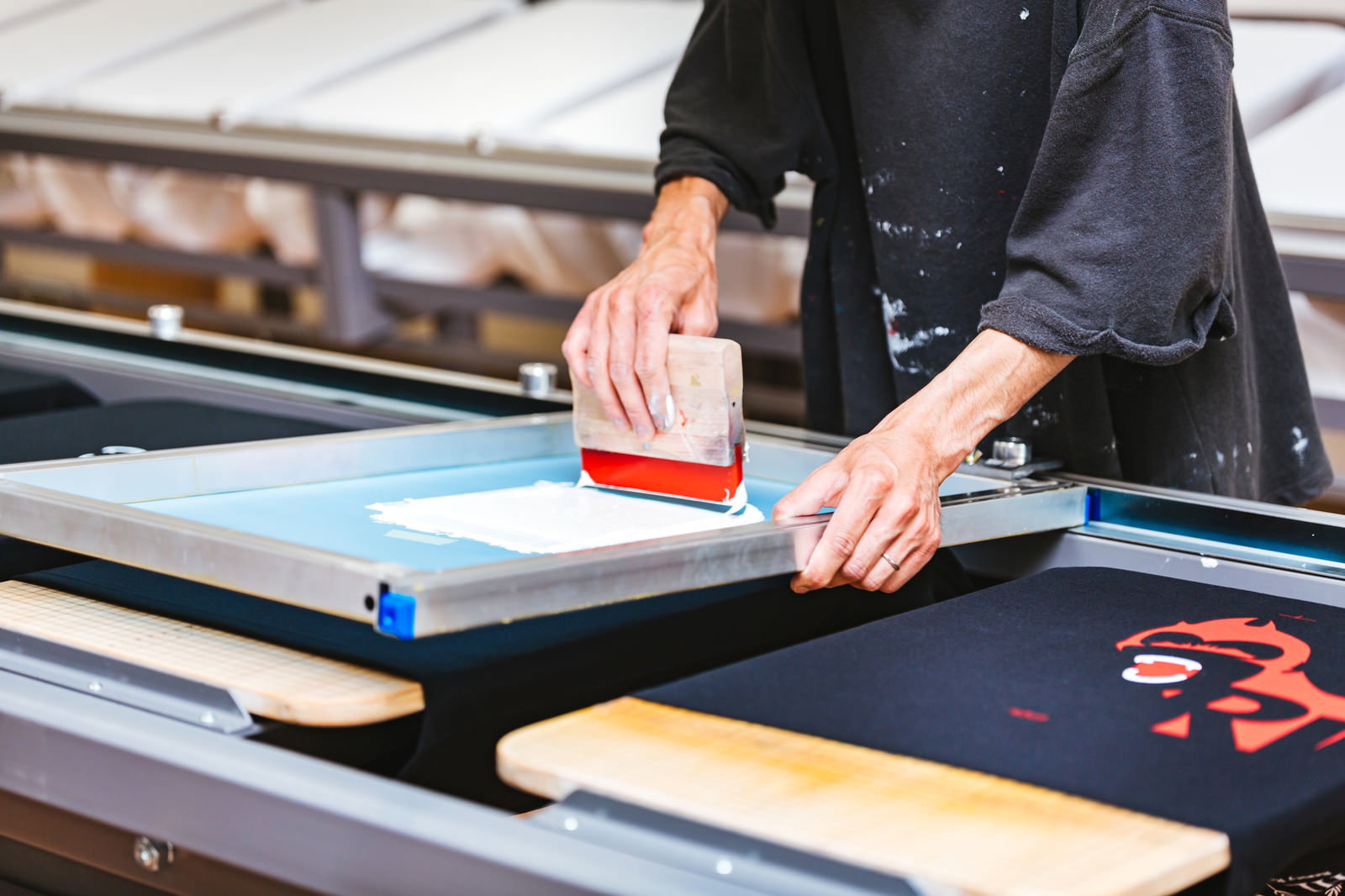
Waffle-knit garment panels during print positioning, screen printing and curing.
Printing directly on the waffle garment panels tests how the artwork crosses the raised and recessed areas.

A finished decoration sample can reveal problems that are hard to predict from the fabric alone.

On a deep waffle, a fine screen-printed line may lose definition as the artwork crosses ridges and recesses. Dense embroidery can pull nearby cells inward when the stabilizer and stitch settings do not suit the cloth. Heat-applied graphics bring pressure into the process, so the uneven surface needs to be checked for consistent contact.

A small chest design may work cleanly on a fabric that gives trouble with a large front graphic.

Sampling on the finished production waffle gives the most useful result.

Where Waffle Knit Is Used

Finished waffle-knit long-sleeve garment with printed graphic zones.
A finished long sleeve shows how waffle scale, garment shape and decoration meet in one product.

The same waffle fabric can behave differently once the pattern pieces change.

A Henley places the texture next to a placket, buttons, neckline and cuffs. On lounge pants, movement through the knees and seat makes recovery more noticeable. An oversized top exposes a large uninterrupted area of fabric, so cell scale becomes easier to see across the body.

Heavier sweater-style pieces give thicker yarn and deeper cells more room to work visually. Lightweight children's garments usually call for a softer, finer construction with wash behavior checked against the intended size range.

How to Read Quality Problems in Waffle Knit

A roll with cells that change size across the width may have uneven knitting or finishing tension.

Width measured under roll tension can drop once the fabric relaxes.

Wash testing may reveal spirality, directional shrinkage or a shift in cell proportions.

Poor recovery shows up when a stretched area remains visibly enlarged after the load is removed.

Raised loops that pull easily during mild abrasion point to higher snag sensitivity.

Comparing more than one roll can expose batch differences in hand, surface height or cell dimensions.

How Finishing Changes Waffle Knit

Open-width knit fabric compactor used during textile finishing.
Compaction is one of the finishing stages used to control residual dimensional movement in knit fabric.

Fresh greige waffle still contains tension left from knitting. Once the fabric enters wet processing, the loop structure begins to settle.

Dyeing exposes the cloth to water, heat and chemicals. Drying establishes another dimensional state, and compaction can reduce part of the remaining lengthwise movement.

Softening affects how the fabric feels in the hand. Enzyme treatment may alter loose surface fibers when it is included in the finish.

By the time the roll reaches cutting, its dimensions and hand may have moved significantly from the greige state.

Waffle Knit Specification Example

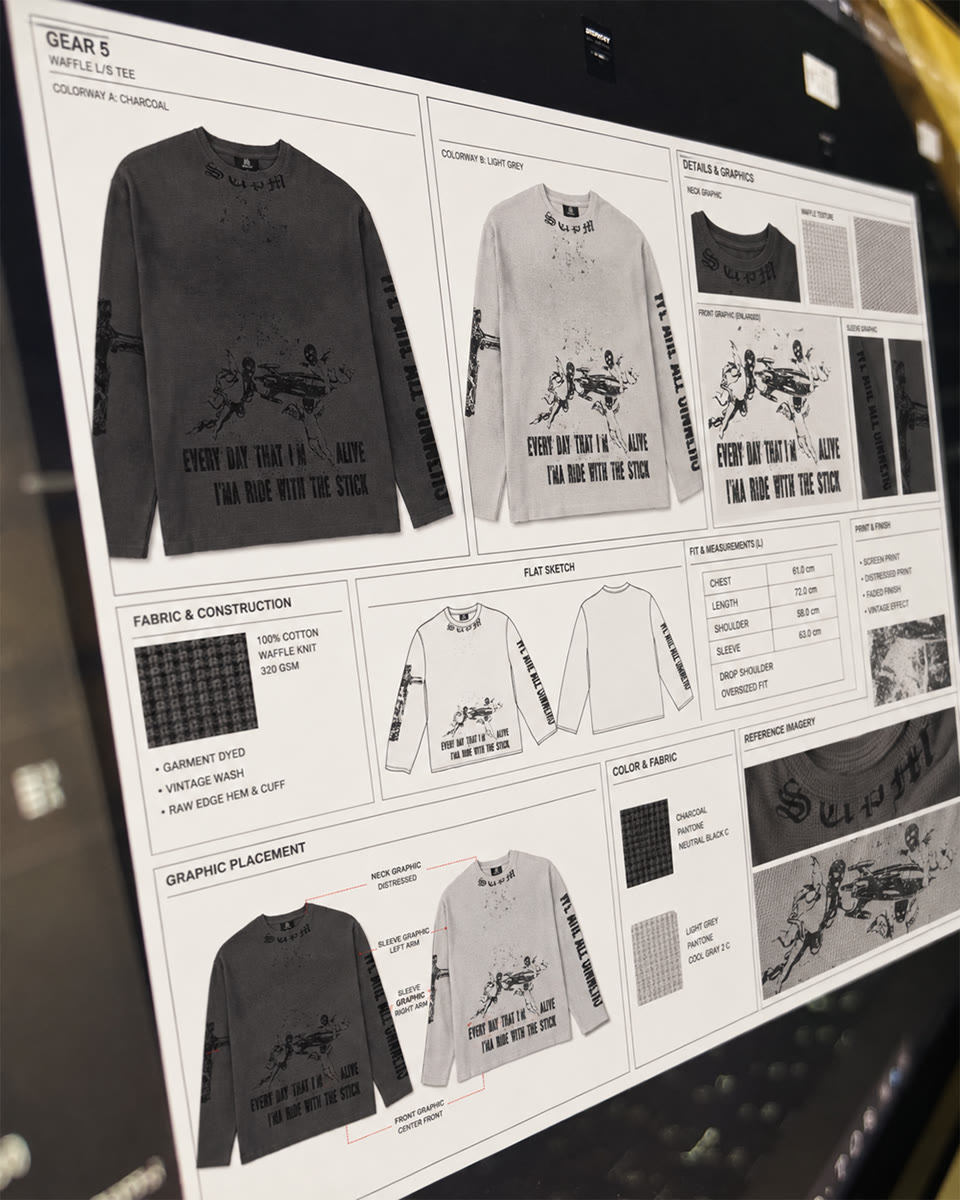
Waffle-knit development reference sheet with composition, weight and garment measurements.
A reference sheet gives the visual target; the production specification records the measurable limits.
Construction
Waffle knit
Composition
95% cotton / 5% elastane
Finished weight
230 GSM ±5%
Usable width
165 cm
Finished cell size
6 × 6 mm
Stretch direction
Width
Length shrinkage
Maximum 5% after specified wash
Width shrinkage
Maximum 4% after specified wash
Color
Match confirmed lab dip
Hand feel
Match sealed sample
Surface appearance
Match sealed sample
Finish
Softener + compaction
Garment wash
None

What Is Interlock Fabric? Interlock Fabric Body and Stability

What Is Interlock Fabric? Interlock Fabric Body and Stability | FashionMe

What Is Interlock Fabric? Interlock Fabric Body and Stability

Interlock fabric is a double-knit fabric produced with two sets of needles. Both sides show a clean knitted surface, and the finished cloth commonly has more thickness and body than a basic single jersey made from a comparable yarn.

The term interlock refers to the knit construction. Cotton, polyester, viscose, modal and blended yarns can all be used. The finished result depends on fiber content, yarn size, machine gauge, stitch length, fabric density and finishing.

Interlock appears in T-shirts, polos, dresses, children's clothing, underwear, uniforms, base layers and sportswear.

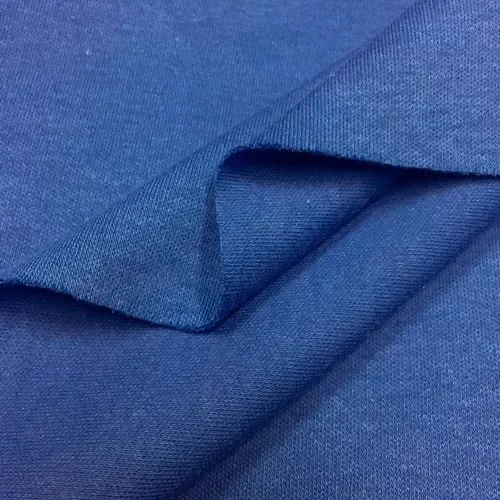
Folded blue interlock knit fabric showing a smooth double-knit surface and substantial body.

What Is Interlock Fabric?

Interlock belongs to the weft-knit family and is made on two needle beds. Circular knitting machines commonly use cylinder needles and dial needles for this construction.

The loops from both needle systems intermesh into a double-knit structure. Knit stitches appear on each surface.

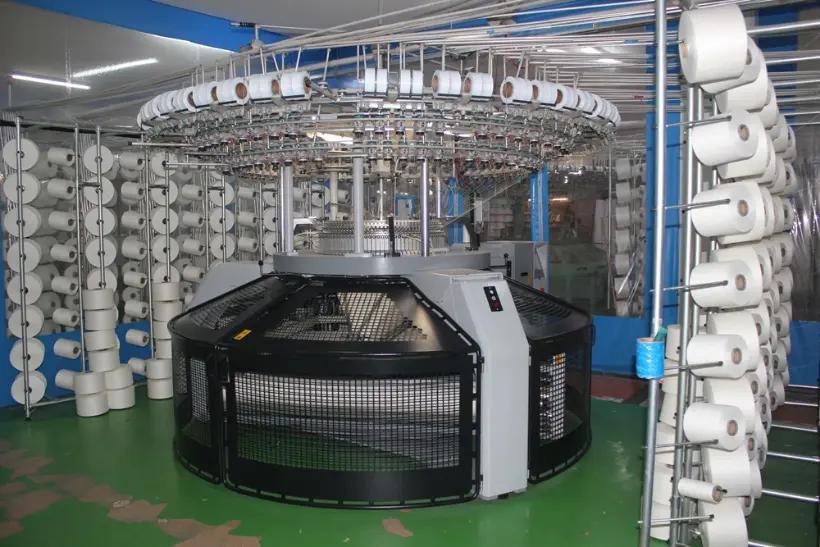
Industrial circular knitting machine used for double-knit and interlock fabric production.

Single jersey is produced on one needle bed and has a clearly identifiable technical face and reverse. Interlock contains another knitted system through the fabric thickness, which adds yarn and changes the way the structure moves under tension.

The fabric still stretches through changes in loop geometry.

What Interlock Body Feels Like

Drape a lightweight jersey over the back of your hand and notice how closely it follows the gaps between the fingers.

Place a medium interlock over the same area. Broader folds usually form, and the cloth tends to bridge more of the small contours underneath.

That physical fullness is generally described as body.

Several construction choices contribute to it. A fine yarn on a dense gauge can produce a compact surface. Bulkier yarn creates more apparent thickness. Short stitch length packs the loops more closely. Compacting and softening alter the final hand after knitting.

A soft surface can still sit on a fabric with substantial body.

GSM Leaves Important Construction Details Unknown

A label reading 220 GSM cotton interlock gives only the finished mass per square metre.

The fabric could have been made from a fine yarn or a much bulkier one. The machine gauge may also differ. Stitch length can be tight or relatively open. Finished width and compacting level may vary from one mill to another.

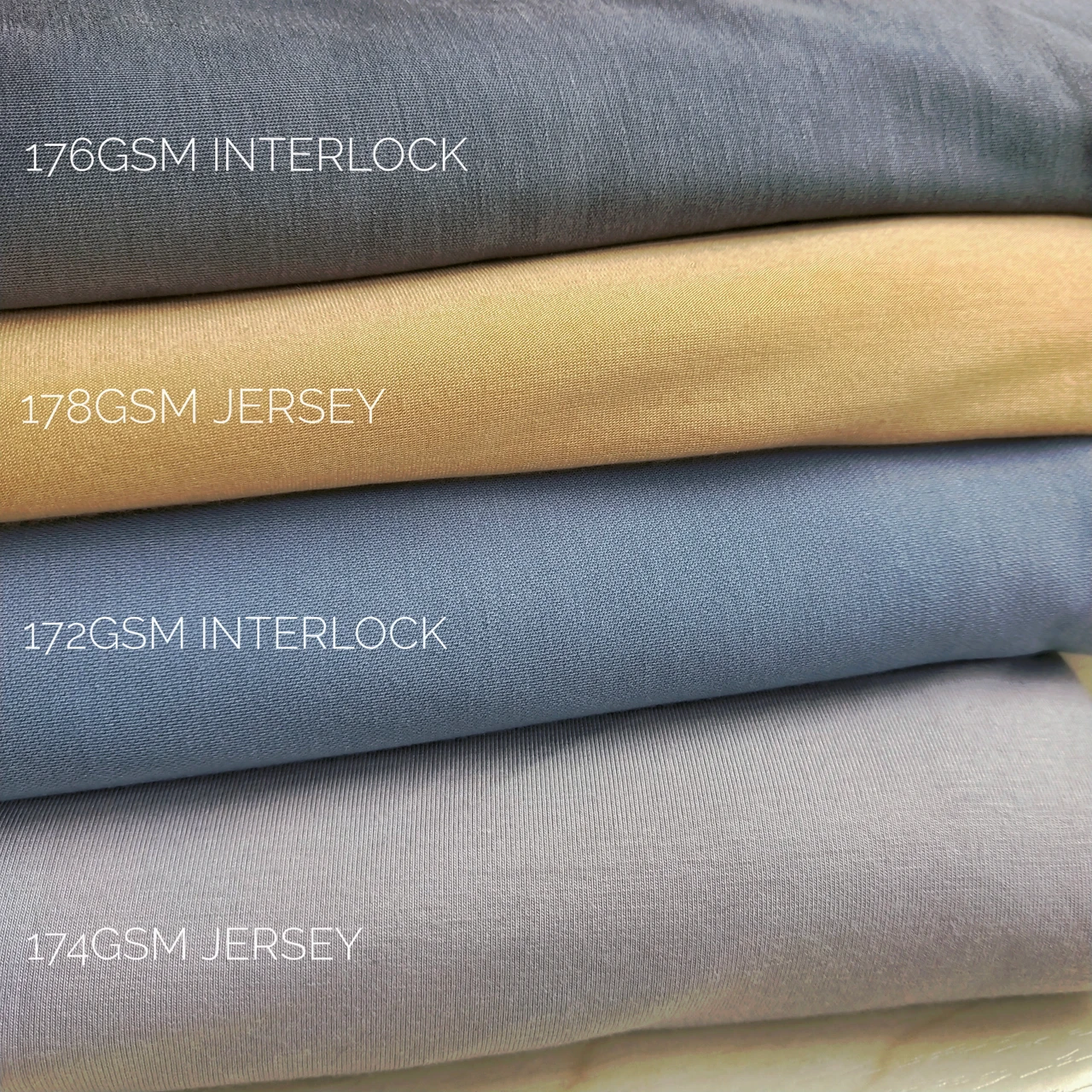
Stack of interlock and jersey fabrics with similar GSM labels showing different knit constructions.

Those variables change the hand even when the scale reads the same value.

A compact fine-gauge interlock often feels denser. Another fabric at 220 GSM may feel thicker because the yarn is bulkier and the loops occupy more space through the fabric depth.

Circular fabric swatches being weighed on a digital scale during a fabric GSM check.

GSM belongs on the specification sheet alongside construction data.

Stability Starts With the Shape of the Loops

A knitted loop contains curved sections of yarn.

When force is applied, those curves begin to change shape. The loop head narrows, the side limbs straighten and adjacent loops shift within the structure.

Interlock has two knitted systems connected through the fabric, which limits part of this movement.

Stitch length affects the amount of room available inside the structure. Larger loops allow more geometric change. A tighter setting reduces that room.

The finished fabric is then altered further during wet processing, drying, compacting or heat setting.

Stretch, Growth and Recovery Need Separate Measurements

A sample starts with a marked length of 100 mm and reaches 120 mm during the stretch test.

That gives an extension of 20%.

After the load is removed, one fabric may settle at 101 mm. Another may settle at 106 mm after the same recovery period.

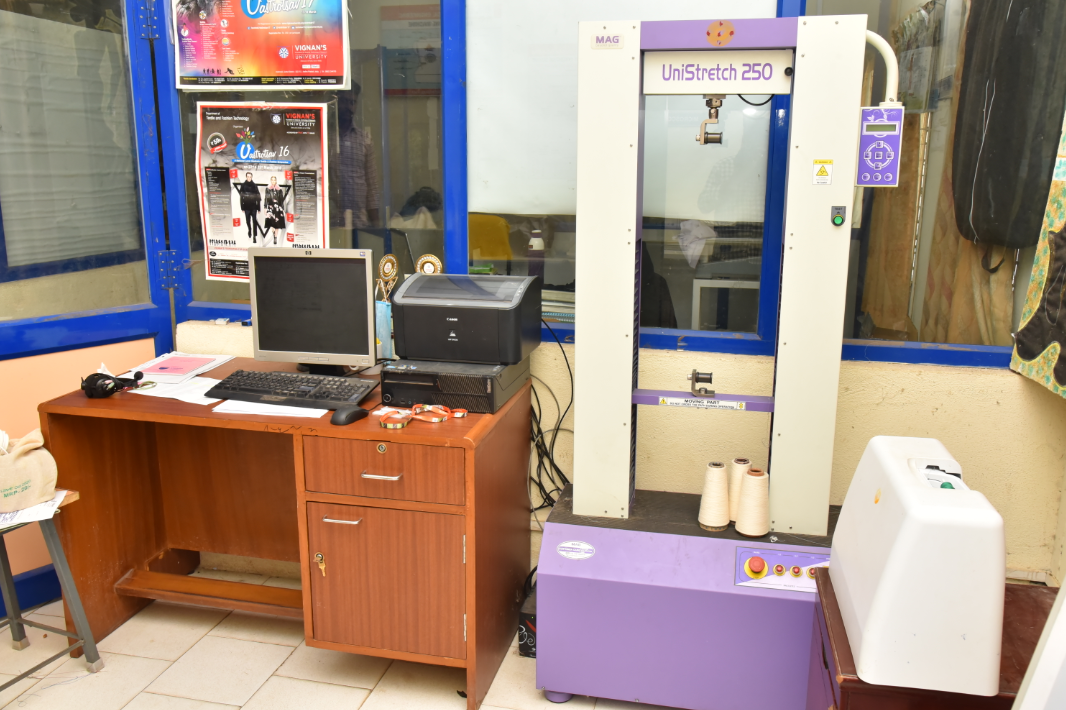
Textile tensile and stretch testing machine in a laboratory.

Those readings describe residual growth after extension.

A useful report records the test direction, original gauge length, maximum extension, applied load or test method, recovery period and final length.

Cotton interlock receives much of its extension from loop movement. Elastane changes the return behavior because the elastic yarn adds another source of recovery.

Reading a Shrinkage Result

A marked fabric sample measures:

DirectionBefore washingAfter washingChange
Length500 mm485 mm-3%
Width500 mm490 mm-2%

These values need the wash conditions attached to them. Temperature, drying method, number of cycles and conditioning time all influence how the result should be interpreted.

Textile shrinkage measuring template, scale and permanent fabric marker used for dimensional-change testing.

Dimensional change can come from tension introduced during knitting, dyeing, extraction, drying, compacting or rolling.

Testing length and width separately gives a clearer picture of how the interlock relaxes in laundering.

What Cutting Reveals About Interlock

A roll carries tension while it is wound and stored.

Once the fabric is opened, spread and relaxed, the usable width can move. The cutting room needs that relaxed measurement for marker planning.

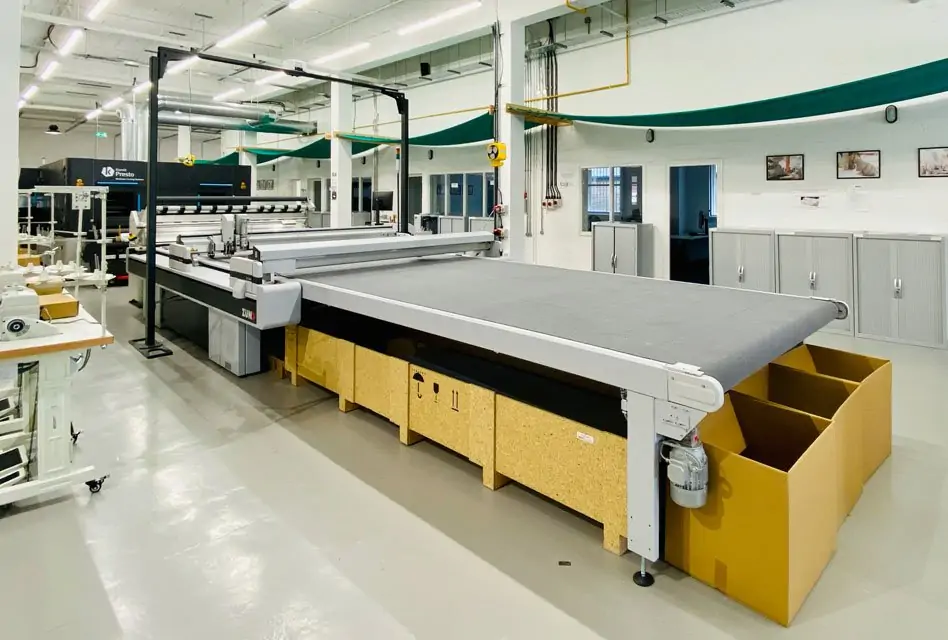
Digital fabric cutting table in a garment micro-factory with no operator in frame.

After cutting, interlock pieces usually remain relatively flat around the edges. Narrow neck components, bindings and smaller panels are easier to stack when edge curl is limited.

Dense interlock creates another practical issue through the depth of the lay. A thick stack increases compression on lower plies, and cutting accuracy can be affected by excessive lay height or poor blade condition.

Sewing Problems Can Be Traced From the Defect

Production symptomAreas to inspect
Wavy seamDifferential feed, handling tension, feed balance
Skipped stitchesNeedle size, needle point, machine condition
Damaged loopsNeedle wear and point selection
Tunneling at hemCoverstitch tension
Stretched necklineBinding ratio and feeding
Thick placket cornerLayer count and seam allowance
PuckeringThread tension and fabric compression
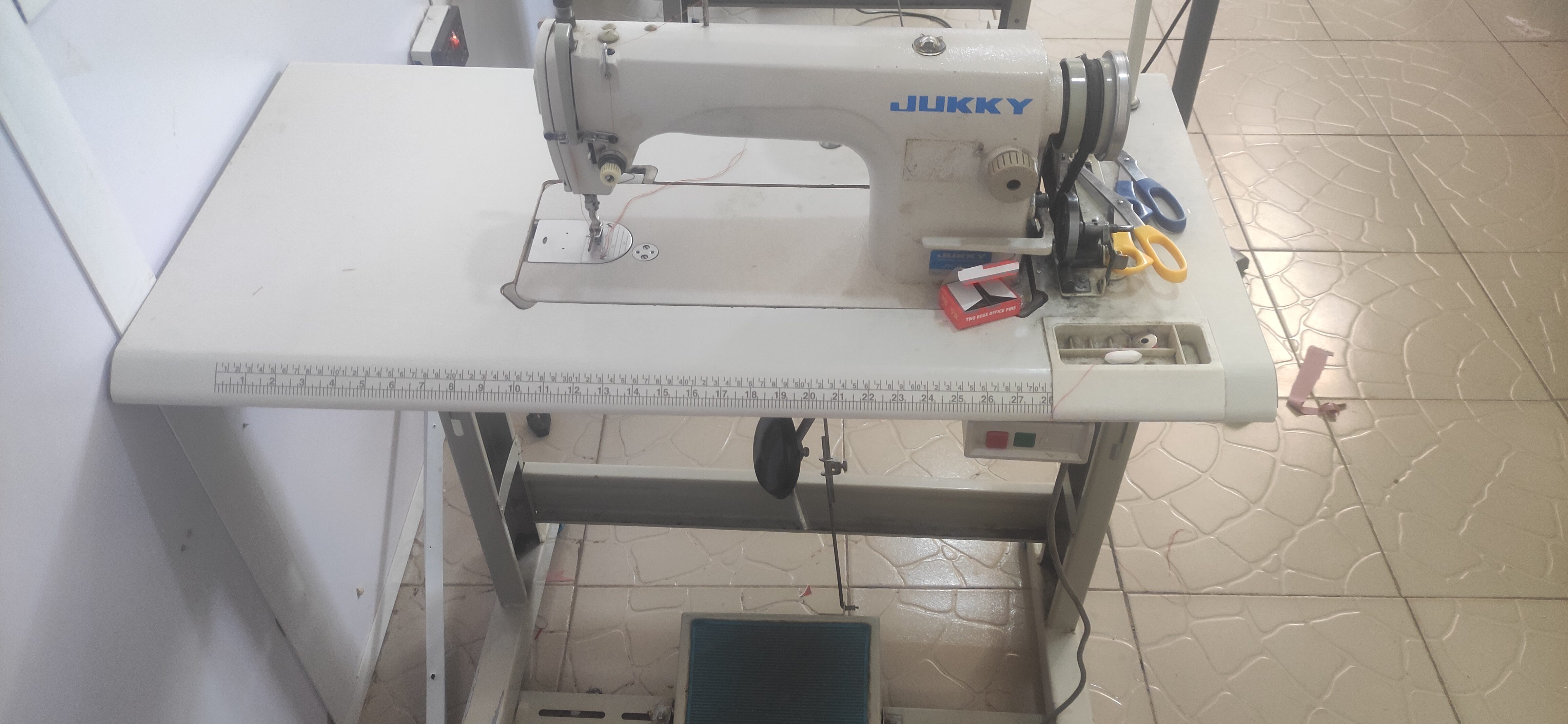
Industrial sewing machine on a worktable used for garment production.

The number of fabric layers changes from one garment area to another.

A side seam may contain two layers. A polo placket can include folded shell fabric, reinforcement and crossing seam allowances.

Sewing trials need to reproduce the actual construction used in those areas.

Decoration Changes the Load on the Fabric

Screen printing adds material mainly to the surface. Surface smoothness, ink deposit and curing influence print definition and local stiffness.

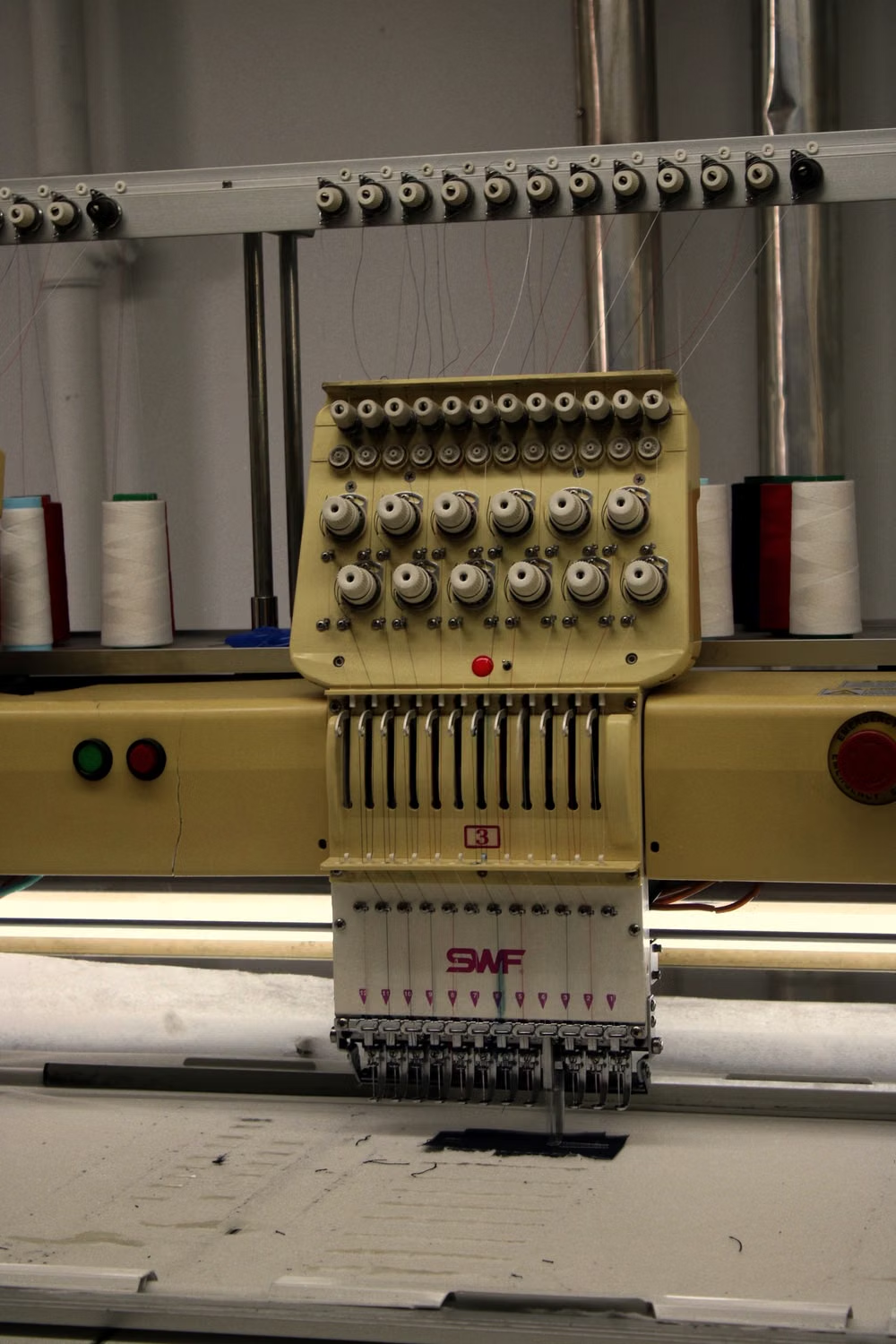
Embroidery works through the full fabric thickness. A dense filled design introduces many needle penetrations and a large amount of thread into one area. Backing, hoop tension and stitch density affect how flat the surrounding interlock remains.

Heat transfer exposes the cloth to pressure and temperature. Polyester-rich and elastane-containing interlocks need testing at the production press settings because heat can affect surface appearance and dimensions.

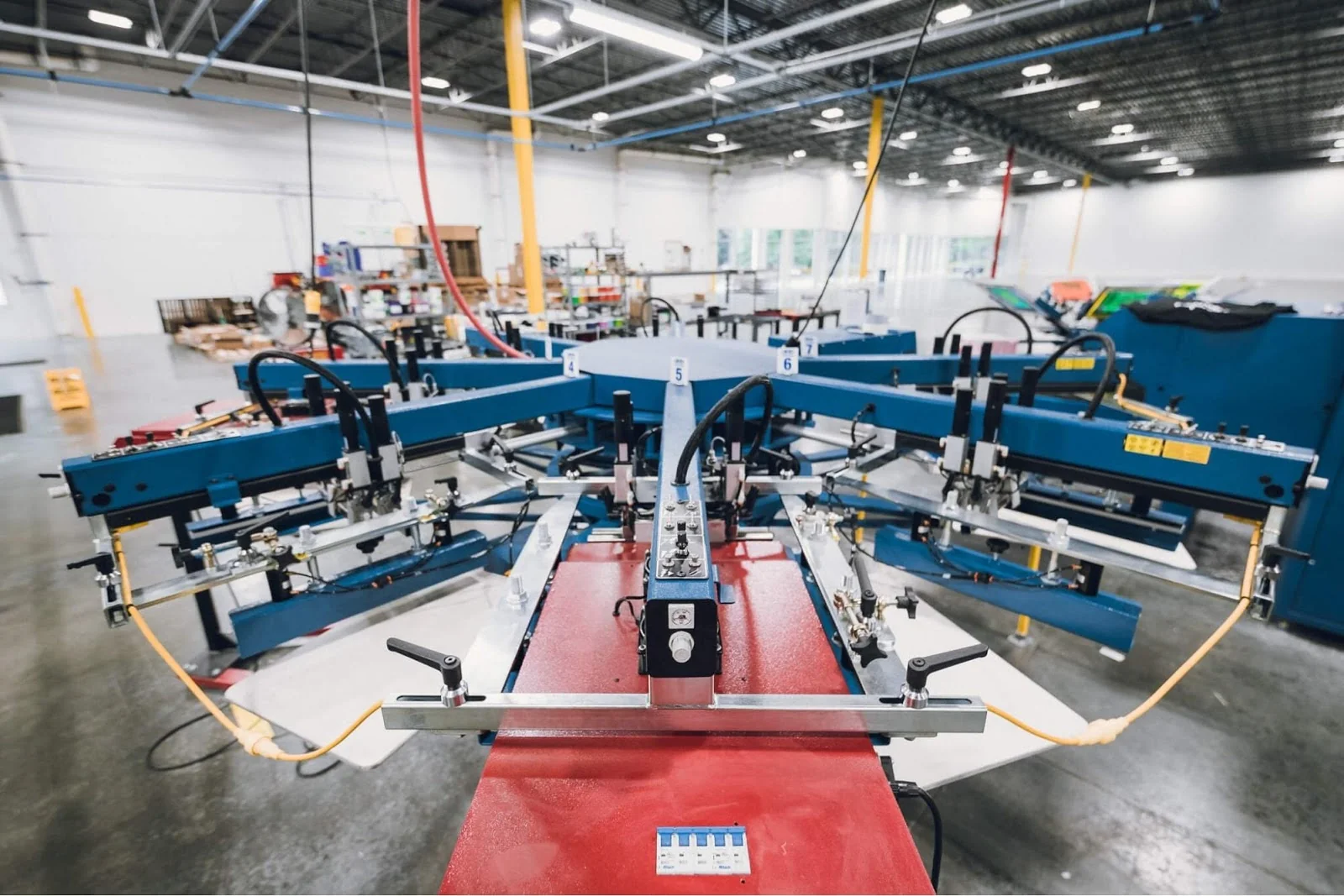
Industrial carousel screen printing machine with no operator in frame.
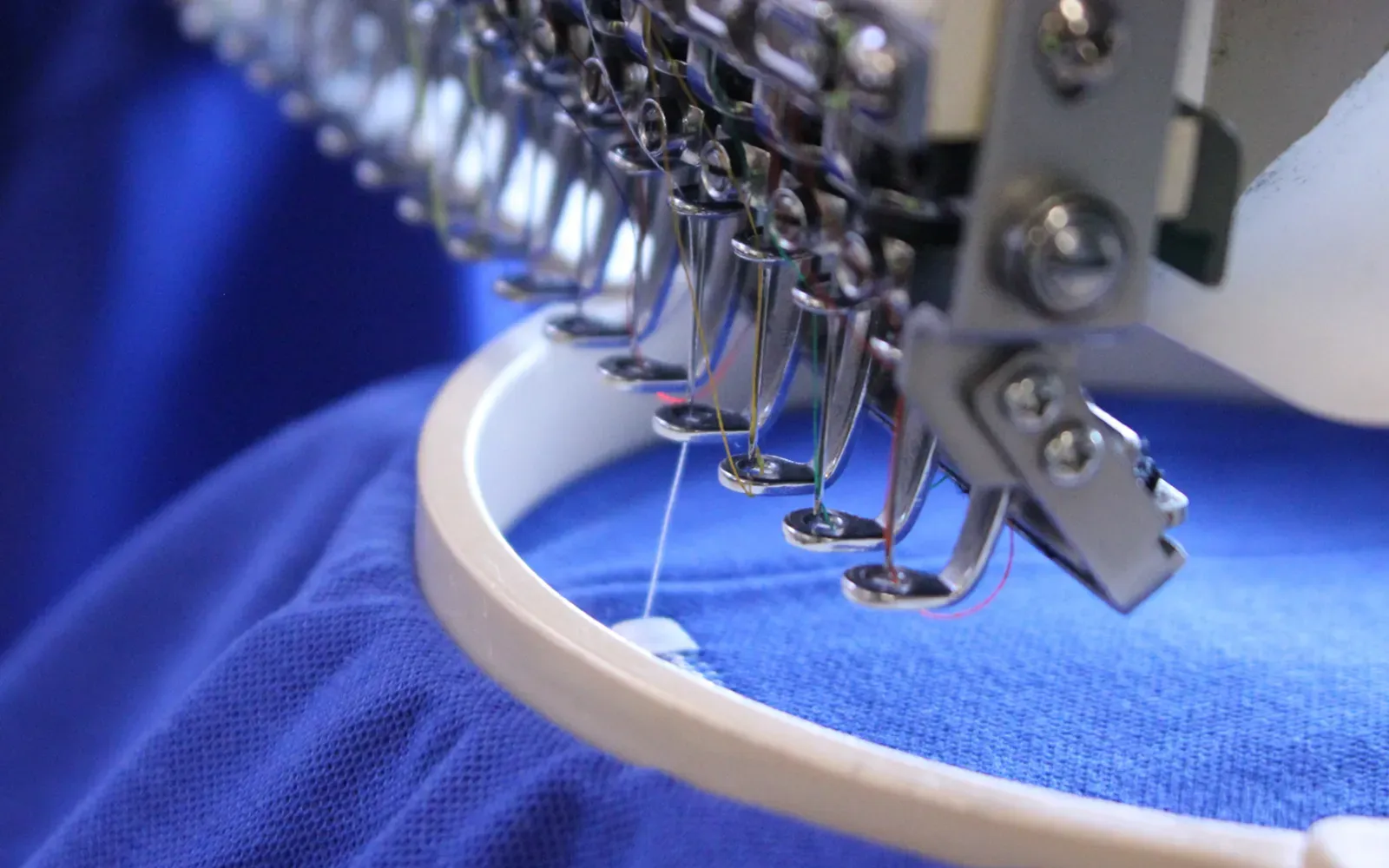
Industrial multi-needle embroidery machine stitching blue fabric.
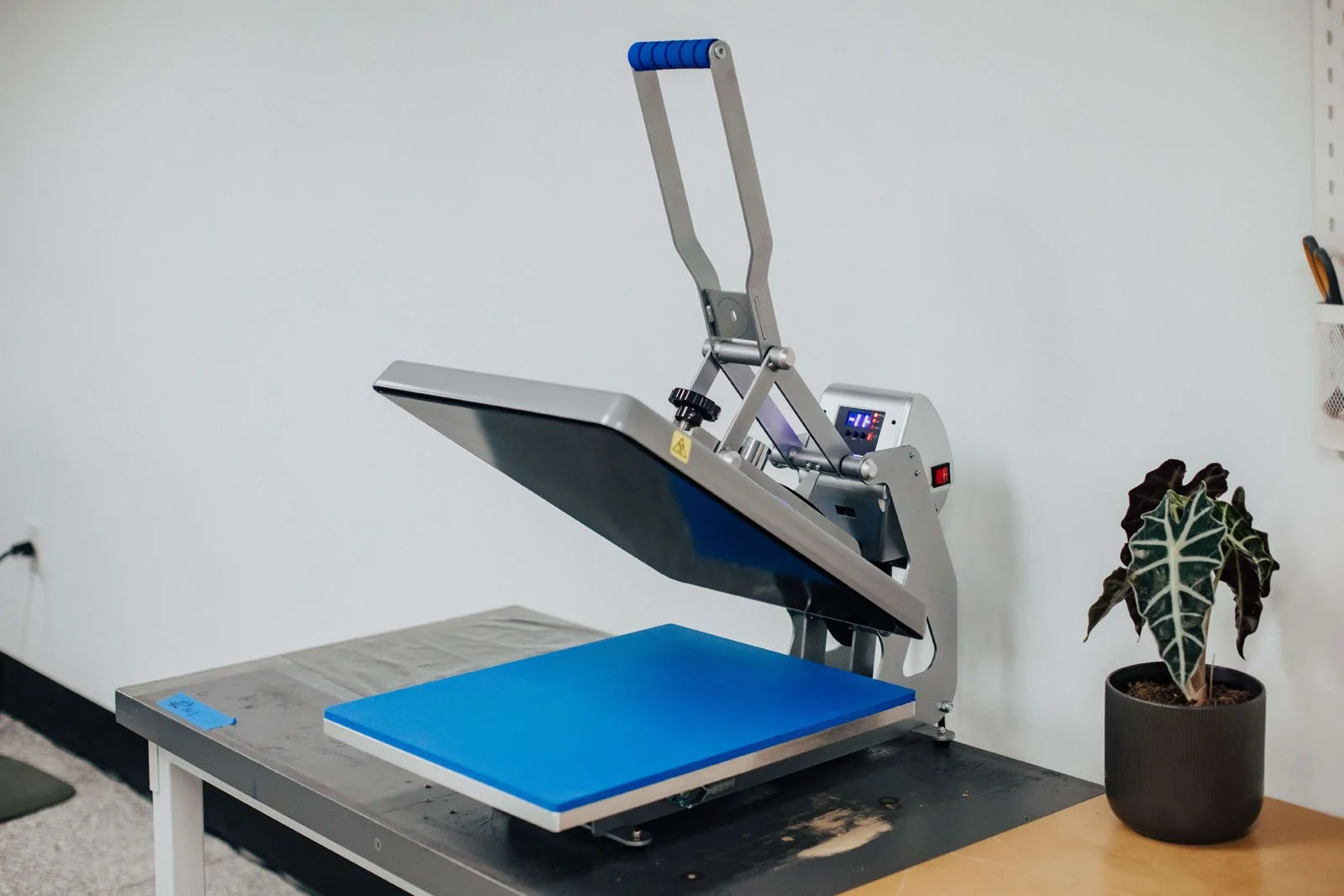
Professional flat heat press machine for garment transfer decoration.

Decoration samples should use the finished bulk fabric whenever possible.

Fiber Content Changes the Finished Interlock

Cotton interlock is common in T-shirts, children's clothing, underwear and sleepwear. It usually has an absorbent hand, and combed yarn can produce a cleaner surface with less visible hairiness.

Polyester interlock appears frequently in sportswear, teamwear and uniforms. Filament polyester can give a smoother surface and faster drying, and spun polyester produces a more textile-like hand.

Cotton-polyester blends shift according to the blend ratio. A cotton-rich construction keeps more of the cotton character, and increasing the polyester percentage changes drying behavior and dimensional response.

Elastane is added when stronger recovery is needed. Final performance still depends on yarn placement, stitch setting and finishing temperature.

Interlock, Single Jersey and Rib

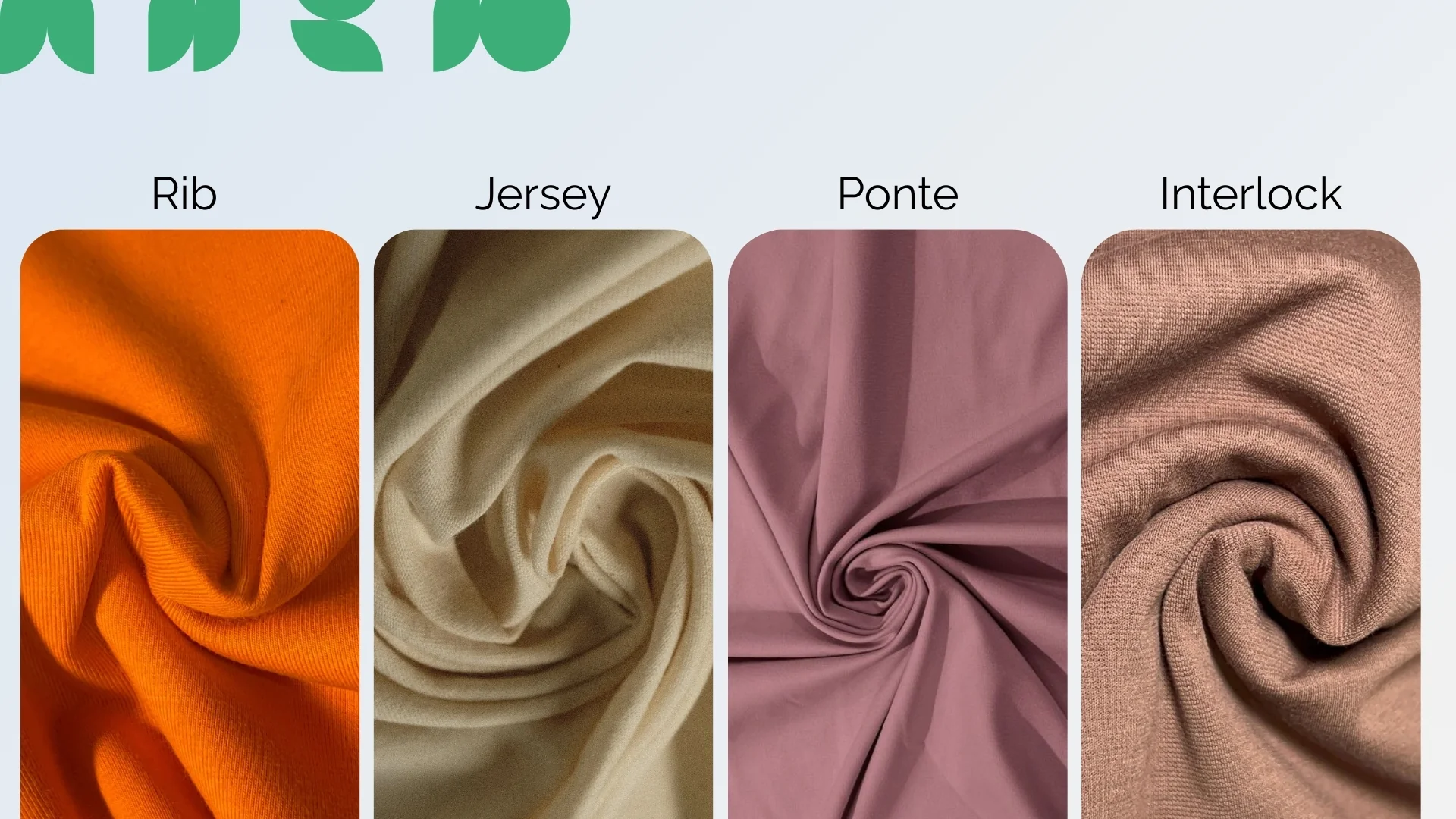
Real knit fabric swatches labeled rib, jersey, ponte and interlock showing differences in surface and drape.
FeatureSingle jerseyInterlock1×1 rib
Needle bedsOneTwoTwo
Face and reverseDifferentSimilarRibbed
Edge curlCommonLowLow
Relative thicknessLowerHigherVaries
Width stretchModerateConstruction-dependentUsually high
Common useBasic teesTees, polos, dressesCuffs, collars
SurfaceSmooth faceSmooth on both sidesVisible vertical ribs

Rib opens strongly across the width because of its wale arrangement.

Single jersey is easy to identify from the different appearance of the two surfaces.

Interlock presents a smooth double-faced structure with relatively low edge curl.

Stitch Length Changes the Fabric in Several Places

Stitch length controls the amount of yarn used in the loop structure.

Increasing it creates larger loops and more space within the knit.

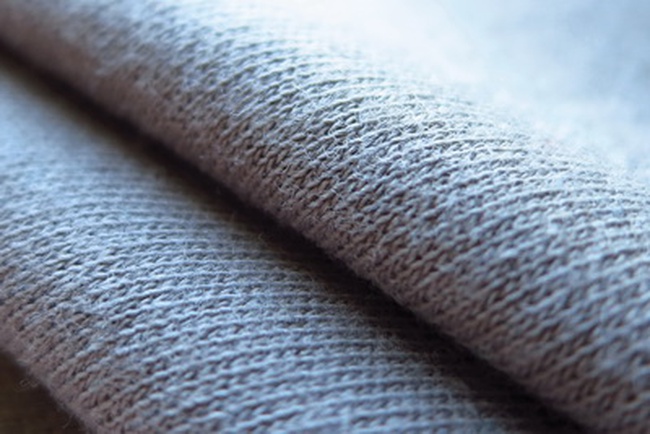
Close-up of cotton interlock knit showing the density and size of the knitted loops.

This can affect fabric density, relaxed width, stretch, drape, air permeability and wash behavior. The degree of change depends on the yarn, gauge and finishing process used with it.

Finishing can move the final GSM closer to a previous target even after the original knitting settings have changed.

For repeat production, keeping the approved stitch-length record helps the mill reproduce the original construction more closely.

Width Affects Fabric Consumption

Consider an approved interlock with a usable width of 180 cm.

The bulk fabric arrives at 172 cm.

A marker designed for 180 cm may no longer place the same garment panels in the original arrangement.

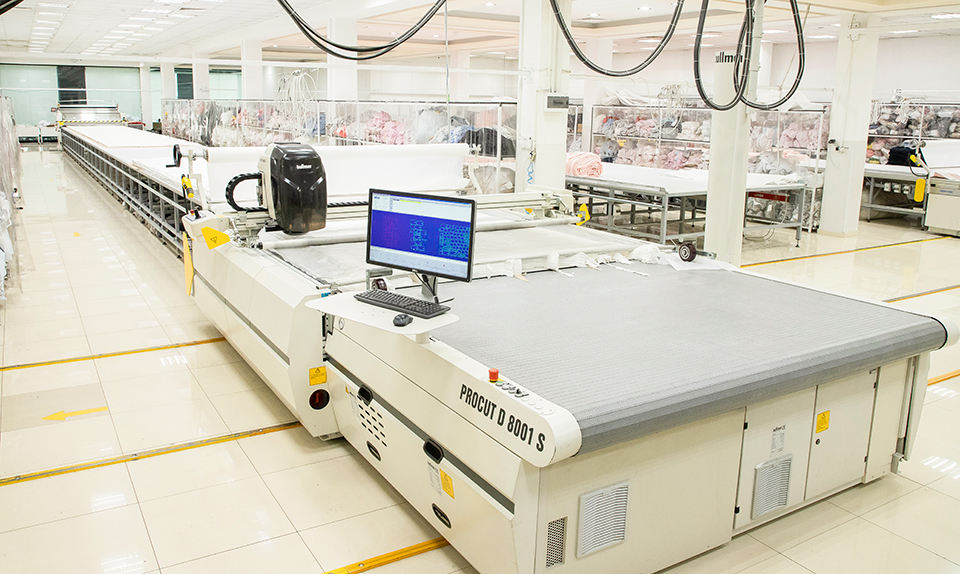
Automatic garment fabric cutting table with digital marker control screen.

The revised layout can require more marker length, which increases fabric consumption per garment.

This change can occur with no movement in GSM or price per kilogram.

Usable width needs its own production tolerance.

What Belongs on an Interlock Specification

Structure: Interlock

Composition: 100% combed cotton

Finished GSM: 220 GSM ± agreed tolerance

Usable width: 175 cm ± agreed tolerance

Yarn count: __________

Yarn type: __________

Machine gauge: __________

Stitch length: __________

Finish: __________

Width stretch: __________

Length stretch: __________

Recovery: __________

Length shrinkage: __________

Width shrinkage: __________

Spirality / skew: __________

Pilling requirement: __________

Wash colorfastness: __________

Rubbing colorfastness: __________

Wash method: __________

Hand reference: sealed physical swatch

An approved unwashed swatch can be kept with the specification. A washed reference from the same development lot is also useful for repeat comparison.

How a Bulk Lot Can Drift From the Approved Fabric

Construction changes can appear in the yarn, machine gauge or stitch length.

Finished dimensions can move through GSM, width or shrinkage.

Hand feel can shift after changes in yarn bulk, softening, compacting or other finishing settings.

Sewing performance may reveal differences that are difficult to detect from a flat swatch. Necklines, hems, plackets and zipper areas place different loads on the fabric.

Print, embroidery and heat transfer can expose changes in local stability.

Measurements, retained swatches, sewn samples and decorated samples provide separate records for these checks.

What Is Ribbed Fabric? Stretch, Shrinkage and Cuff Uses

What Is Ribbed Fabric? Stretch, Shrinkage and Cuff Uses

Ribbed fabric has raised, parallel lines separated by recessed channels. In clothing, the term usually refers to rib knit, a fabric made with alternating columns of knit and purl stitches. The columns spread apart when pulled across their width, giving the material room to stretch around the body.

That flexibility makes rib knit useful for fitted T-shirts, tanks, dresses, underwear and sweaters. At garment edges, ribbing forms cuffs, neckbands and hem bands that expand during dressing and draw back toward their resting size afterward.

Rib describes the fabric’s construction. Its fiber content may be cotton, wool, viscose, polyester or a blend, often with elastane added. Construction, fibers and finishing all influence how far the fabric stretches, how well it recovers and how its dimensions change in the wash.

Recognizing Rib Knit: 1×1, 2×2 and Wider Ribs

Look closely at the raised part of a rib and you can see small V-shaped knit stitches stacked in columns. The purl columns sit in the channels between them. On fine, relaxed ribbing, those channels can close so closely that the fabric initially looks almost smooth. A gentle sideways pull reveals the recessed stitches.

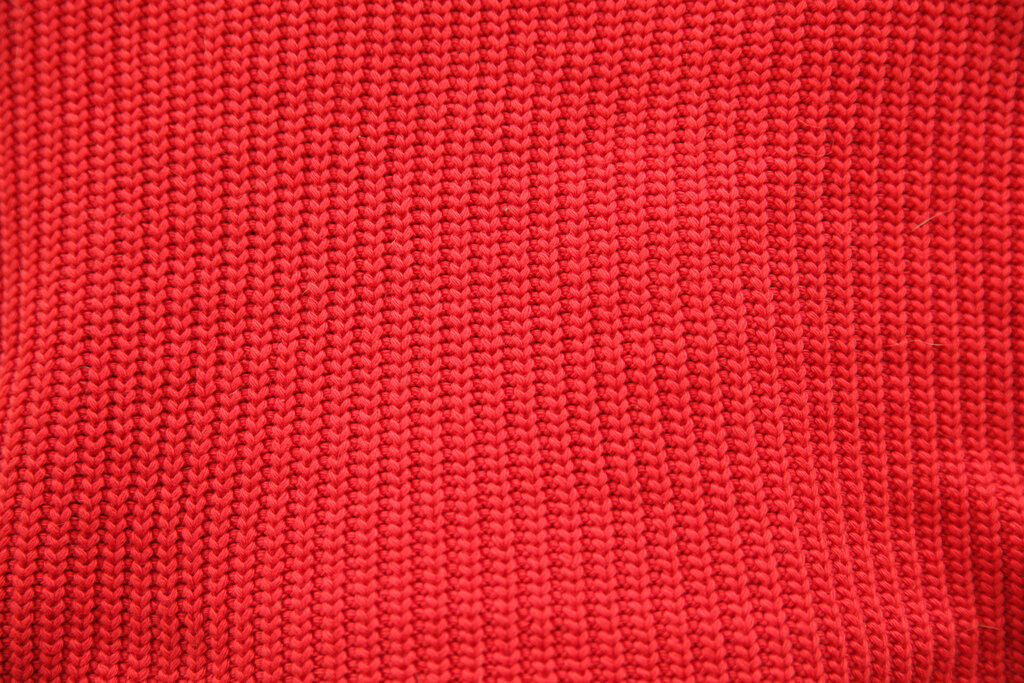
Close view of red rib knit showing raised stitch columns and recessed channels.
Raised stitch columns and the channels between them. Image: Seamwork.

A vertical column of stitches is called a wale. A row running across the fabric is a course. The numbers in a rib description count the repeating knit and purl columns:

Construction Repeating arrangement Visible texture
1×1 rib One knit column, one purl column Closely spaced ridges
2×2 rib Two knit columns, two purl columns Ridges formed by pairs of stitches
3×3 rib Three knit columns, three purl columns Wider stitch groups at a comparable yarn size and gauge

Basic machine-knitted rib uses two needle beds. Balanced constructions such as 1×1 and 2×2 have a similar appearance on both sides and generally lie flat at the cut edges. Single jersey has a knit face, a visibly different reverse and a tendency to curl. Interlock has smooth, similar faces; its intermeshed structure restricts the movement of neighboring columns. These differences help identify the common knit constructions.

Rib width also depends on yarn thickness and machine gauge. A fine 2×2 rib can have smaller ridges than a chunky 1×1 sweater rib. Unequal repeats, such as 2×1, give different proportions of raised and recessed stitches on each face. Variegated ribs combine several widths in a larger repeat. The numbers describe this arrangement; stretch performance comes from measuring the finished fabric.

How Much Does Rib Fabric Stretch?

A cotton rib can stretch even with an all-cotton fiber composition. Pulling across the ribs opens the channels and changes the shape and position of the knitted loops. Lengthwise extension involves a different movement of those loops, so the two directions can give different results.

Elastane adds an elastic component to the yarn system and helps the fabric recover after extension. Spandex and elastane are names for the same fiber category; LYCRA® is a brand. A label reading “95% cotton, 5% elastane” gives composition by weight. The stretch percentage is measured separately on the fabric.

For example, a 10 cm span extended to 15 cm has increased by 5 cm:

Stretch = (extended measurement − starting measurement) ÷ starting measurement × 100

(15 − 10) ÷ 10 × 100 = 50% stretch

The effort needed to reach 15 cm also matters. Two samples may reach that distance with noticeably different resistance. In a cuff, that resistance affects the pressure around the wrist; in a fitted top, it affects how the garment feels across the chest and shoulders.

Recovery describes the return after the pull is released. The remaining increase in size is fabric growth. A sleeve pushed up the forearm or a knee bent during sitting holds the fabric under tension for longer than a quick hand stretch. ASTM’s description of stretch and growth testing distinguishes these effects and explains why prolonged loading matters in clothing.

For a practical home comparison:

  1. Lay the swatch flat and relaxed. Mark two points 10 cm apart, leaving space between the marks and the cut edge.
  2. Pull evenly to a comfortable resistance. Record the distance between the marks and how long the pull is held. A reading of 15 cm gives the 50% extension above.
  3. Release the swatch and leave it flat for one minute. If the marked span measures 10.5 cm, its remaining growth is (10.5 − 10) ÷ 10 × 100 = 5%. Record the one-minute rest with the result. Further recovery may occur during a longer rest.

This hand check gives an approximate comparison. A laboratory method specifies the load or extension, specimen preparation and measurement conditions.

Repeat the check across the ribs and along them. Fabric sold as “four-way stretch” extends along both axes, and each direction needs its own measurement. A bodysuit uses lengthwise extension between shoulder and crotch as well as widthwise extension around the torso. A rib suitable for a loose T-shirt may therefore behave quite differently in a close-fitting bodysuit.

Does Ribbed Fabric Shrink?

Yes. Rib knit can shrink during washing and drying. The amount depends on the fibers, loop structure, processing history and care procedure. Length and width are separate measurements: a sample can shorten more than it narrows, and some constructions or conditions produce growth in one direction.

Cotton knit can retain tension from knitting, dyeing, finishing and handling. Washing wets and swells the fibers; the yarns and loops gain an opportunity to move toward a more relaxed arrangement. During drying, moisture leaves the structure and the fabric can consolidate further. Tumbling adds mechanical movement that promotes this relaxation.

The delivered fabric’s dimensions also reflect decisions made at the mill. Yarn size, stitch length and finished width influence its dimensional behavior through processing. Pulling a knit lengthwise during processing can lengthen it and reduce its width.

Mills use relaxation drying and compaction to reduce the shrinkage remaining before cutting. Compaction mechanically brings the structure into a shorter, more consolidated state. A fabric sold as preshrunk has undergone shrinkage-control processing; its wash test establishes the residual change under the stated conditions.

Wool has an additional mechanism. Agitation in water can cause the surface scales of untreated wool fibers to interlock, producing felting and contraction. Shrink-resist treatments for wool modify that surface behavior. The care label identifies the washing and drying procedures suitable for the particular garment.

A cotton-elastane rib combines stretch recovery with the dimensional behavior of its whole construction. The starting measurement changes after laundering. Consider this calculated example, using assumed readings from the same marked span:

Measurement stage Distance between marks Comparison
Before washing, relaxed 10.00 cm Original dimension
Washed, dried and rested 9.60 cm 4% shrinkage from the original dimension
Stretched after washing, then released and rested for one minute 10.00 cm 4.2% growth from the washed dimension

The final growth calculation is (10.00 − 9.60) ÷ 9.60 × 100 = approximately 4.2%. The two 10 cm readings occur at different stages. Measuring recovery from the washed 9.60 cm baseline reveals the growth produced by subsequent stretching. Keep a separate baseline for each laundering stage and record the stretch duration and recovery interval with it.

For a home wash trial, mark a 25 cm square inside a larger swatch, leaving fabric beyond each side. Measure it flat and relaxed. Wash and dry it using the care procedure intended for the finished garment, then let it rest under the same conditions used for the starting measurement.

An illustrative result would be:

Direction Before laundering After laundering Shrinkage
Across the ribs 25 cm 24 cm 4%
Along the ribs 25 cm 23.5 cm 6%

Shrinkage = (starting measurement − final measurement) ÷ starting measurement × 100

The width result is (25 − 24) ÷ 25 × 100 = 4%. Along the ribs, (25 − 23.5) ÷ 25 × 100 = 6%. These figures describe the example sample. A sample that finishes larger is recorded as growth, with its direction identified.

Record wash temperature, cycle, drying method and number of laundering cycles beside the measurements. Repeated cycles reveal whether the dimensions continue to change. For professional testing, AATCC specifies TM135 for fabrics and TM150 for garments, with defined preparation, laundering and measurement conditions.

Body fabric and rib trim also need to work together after washing. On a sweatshirt, compare their directional changes under the same care procedure, then launder a sewn sample. Sleeve length, cuff height, relaxed cuff circumference and the joining seam show how the combination behaves. Greater contraction in the trim can gather the sleeve more tightly; greater contraction in the sleeve can change the fullness above the cuff.

Why Ribbing Works for Cuffs

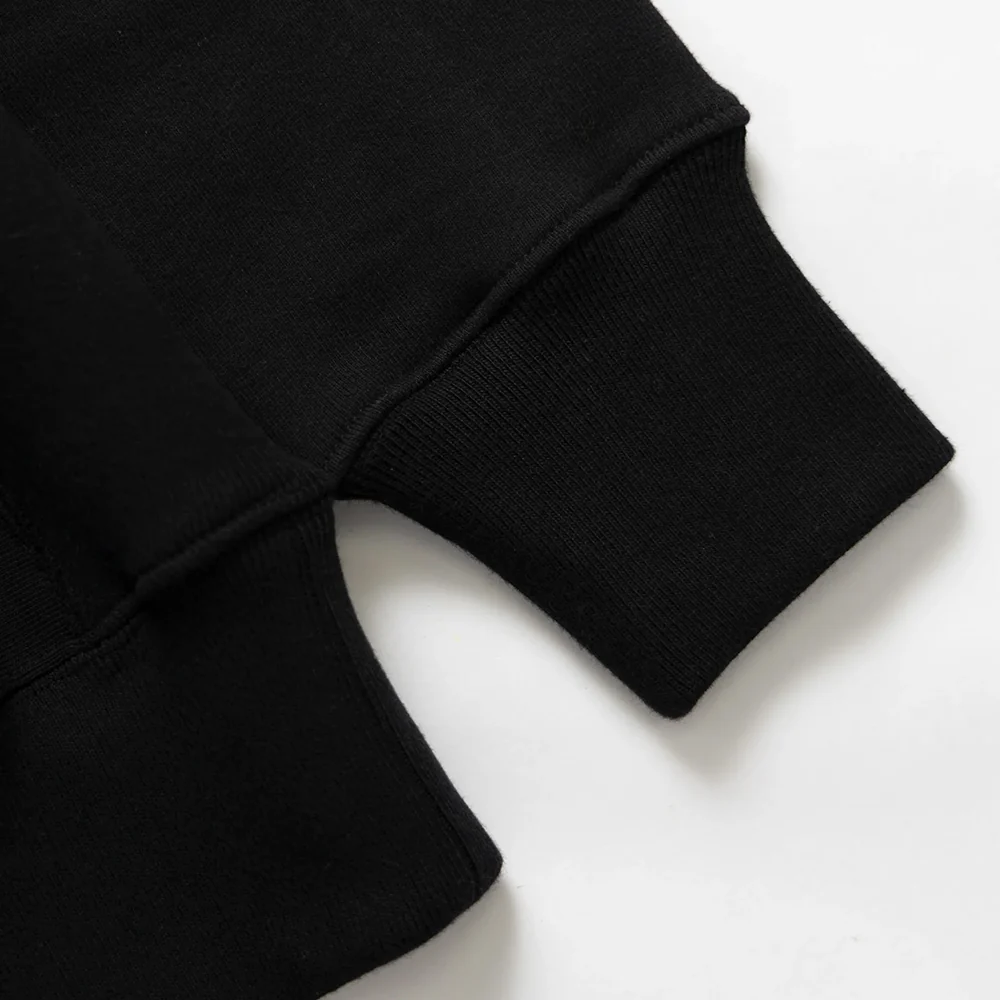
A sweatshirt cuff passes through several shapes during wear. It opens around the hand, rests at the wrist and may stay stretched around the forearm when the sleeve is pushed up. The material needs enough extension for dressing and enough recovery to return toward the intended wrist size after those movements.

Ribbing achieves this through the movement of its columns and the recovery of its yarns. Cuffs are usually cut with the ribs running along the sleeve, placing the widthwise stretch around the arm. Folding the fabric gives a smooth outer edge and a double layer. That extra layer changes the feel and resistance of the band.

Cuff height influences fit too. A tall cuff reaches farther up the arm, where the circumference may be larger. A narrow band concentrates its contact in a smaller area. The intended wrist fit, cuff height and ease of pulling it over the hand therefore belong in the same fitting trial.

Fabric sold specifically as ribbing often has a firmer handle than a light rib intended for a draped top. A sweatshirt cuff needs enough substance to sit comfortably against the sleeve fabric and retain its shape after wear. A fine T-shirt sleeve can use a lighter band. Wool sweater cuffs may be knitted directly into the sleeve, with the stitch pattern changing where the sleeve body begins.

The supply format affects construction:

  • Flat ribbing is cut to size and joined into a loop. The pattern controls both circumference and folded height.
  • Ready-made cuffs have established dimensions and construction. The sleeve pattern is matched to the selected trim.
  • Tubular ribbing can form a cuff with no lengthwise joining seam when the tube has the required circumference. A 10 cm laid-flat tube measures approximately 20 cm around. Wider tubes can also be cut into separate pattern pieces.
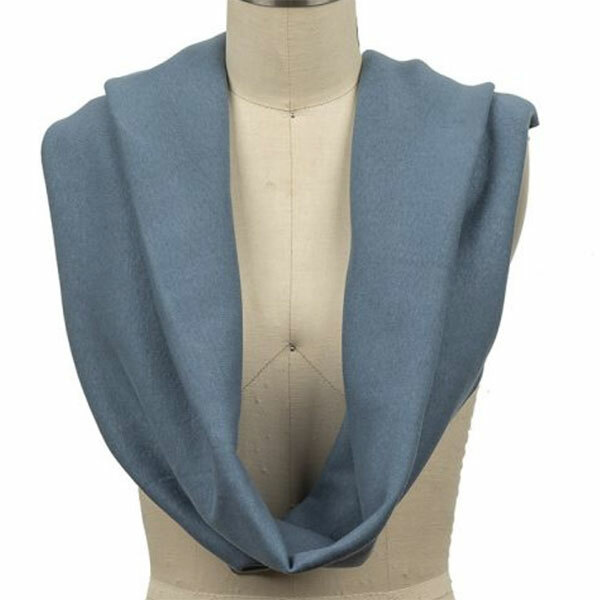
Blue tubular ribbing draped in a continuous loop around a dress form.
Tubular ribbing supplied as a continuous knitted tube. Image: Seamwork.

These ribbing formats are used for sweatshirt and jacket trims as well as other garment edges. On joggers, ankle cuffs have to open over the heel during dressing. Their resting circumference is selected for the desired ankle fit, with heel passage included in the sewn trial.

Working Out a Folded Cuff Size

For a trial cuff measuring 17 cm around and 6 cm high when finished, a flat pattern piece measures 19 × 14 cm with 1 cm seam allowances. This example uses a rectangle joined at its ends and folded in half.

Pattern dimension Calculation Cut measurement
Around the cuff 17 cm finished circumference + 1 cm at each joining end 19 cm
Through the height Two 6 cm layers + 1 cm on each raw attachment edge 14 cm

Joining the ends takes up 2 cm of the rectangle’s circumference. Folding the height produces a 7 cm double layer; the attachment seam uses 1 cm, leaving 6 cm visible. For an existing sewing pattern, use its stated seam allowance and check whether the supplied piece already includes it.

Suppose the sleeve opening measures 20 cm along the stitching line. The 17 cm cuff is 85% of that opening. This is a trial proportion for the sample. The rib’s resistance, recovery and thickness determine how that proportion feels in the finished garment.

During attachment, the cuff has to reach the sleeve’s 20 cm opening:

(20 − 17) ÷ 17 × 100 = approximately 17.6% extension

If the hand requires a 24 cm opening during dressing, the same cuff has to extend farther:

(24 − 17) ÷ 17 × 100 = approximately 41.2% extension

Both calculations start from the cuff’s relaxed 17 cm circumference. The second describes hand passage, so it is the more demanding extension in this example. A comfortable fit also depends on the force needed to reach that opening. Check the finished loop with its joining seam and folded layers, then check it again after attachment.

The relationship between wrist size and relaxed cuff size is often described as ease. A cuff smaller than the wrist has negative ease and remains stretched during wear. A cuff with positive ease sits more loosely. Desired fit can vary between a light top, a sweatshirt and an outerwear sleeve.

Use fabric prepared with its intended care method for the trial. Include pushing the sleeve up the arm and returning it to the wrist. If the cuff circumference changes during fitting, recalculate both the attachment extension and the opening needed for the hand. Finished height can be adjusted separately through the rectangle’s other dimension.

Following the Same Cuff Through a Wash

The 17 cm cuff in the cutting example needs approximately 41.2% extension to reach a 24 cm hand opening. Its resting circumference after laundering sets the extension needed the next time it is worn.

Assume that separate swatches show 4% contraction around the cuff and 2% contraction around the sleeve opening under the same laundering procedure. These are illustrative inputs. Applying them to the 17 cm cuff and 20 cm sleeve gives the following planning calculation:

Quantity Before washing Estimate from the separate swatch changes
Relaxed cuff circumference 17.00 cm 17 × 0.96 = 16.32 cm
Sleeve opening at the stitching line 20.00 cm 20 × 0.98 = 19.60 cm
Cuff circumference as a share of sleeve opening 85.0% 16.32 ÷ 19.60 = 83.3%
Cuff extension to reach the sleeve opening 17.6% (19.60 − 16.32) ÷ 16.32 = 20.1%
Cuff extension to reach the 24 cm hand opening 41.2% (24 − 16.32) ÷ 16.32 = 47.1%

Percentages in the final two rows use the cuff circumference as their denominator. The sleeve contracts by 0.40 cm and the cuff by 0.68 cm in this example, changing their attachment relationship. The hand opening remains 24 cm, so more extension is required during dressing.

The general relationship is washed cuff-to-sleeve ratio = original ratio × cuff retained fraction ÷ sleeve retained fraction. Here, 0.85 × 0.96 ÷ 0.98 = approximately 0.833. Matching the two contraction percentages would preserve their proportion in this calculation, and the smaller cuff would still need additional extension over the same hand.

This model applies separately measured, freely relaxing swatch changes to each component. A sewn seam couples the materials, so the washed garment establishes their actual dimensions and fit.

The hand-opening calculation can also be worked backward. Suppose a washed, folded and sewn trial cuff reaches 45% extension at an acceptable dressing force and recovers within the fit requirements set for that sample. With a 24 cm hand opening, the corresponding washed circumference is 24 ÷ 1.45 = approximately 16.55 cm. Allowing for the assumed 4% residual contraction gives a starting circumference of 16.55 ÷ 0.96 = approximately 17.24 cm, before adding joining seam allowances.

In symbols, starting circumference = hand opening ÷ [(1 − s) × (1 + e)], where s is residual circumferential shrinkage and e is usable extension, both expressed as decimals. The 45% value belongs to this assumed trial; it represents the behavior of the washed cuff assembly. Wrist comfort and the resulting sleeve fullness set the remaining fitting decisions.

For prewashed yardage, use the dimensional change still measured after that preparation. Each measurement record should identify the rib lot, body fabric, care procedure and stage at which the cuff circumference was taken.

Calculate cuff fit after washing

Follow a cuff from its starting circumference to the opening needed for dressing. The calculation combines directional shrinkage with a chosen usable extension.

The starting values are an illustrative example. Replace them with measurements from the same material lots and care procedure. Enter residual shrinkage if the material has already been prewashed.

Positive shrinkage values indicate contraction; negative values indicate growth. Usable extension is selected from a washed cuff trial with its folded layers and seams, at the dressing force and recovery interval used for that sample.

Calculated dimensions and extension

QuantityStarting stateAfter-wash estimate
Relaxed cuff circumference17.00 cm16.32 cm
Sleeve opening20.00 cm19.60 cm
Cuff as a share of sleeve opening85.0%83.3%
Extension to sleeve opening17.6%20.1%
Extension for hand passage41.2%47.1%

At 45.0% usable extension, the estimated washed cuff opens to 23.66 cm. The entered hand opening is 24.00 cm.

A starting cuff circumference of 17.24 cm corresponds to a 24.00 cm hand opening at that extension, with the same shrinkage assumption.

The circumference calculation excludes joining seam allowances. Wrist comfort, cuff height and sleeve fullness are established during fitting.


Calculation basis

Retained fraction = 1 − shrinkage (%) ÷ 100
Washed circumference = starting circumference × retained fraction
Cuff / sleeve ratio = cuff circumference ÷ sleeve opening
Required extension (%) = max(0, opening ÷ relaxed cuff − 1) × 100
Starting cuff for chosen extension = hand opening ÷ [(1 − rib shrinkage ÷ 100) × (1 + usable extension ÷ 100)]

The estimates apply freely measured swatch contractions to the cuff and sleeve separately. Joining the two materials constrains their movement; actual after-wash measurements come from the sewn garment. All inputs should describe the same care stage. The entered usable extension describes the washed assembly.

Rib Neckbands, Waistbands and Hem Bands

On a zip-front jacket, the rib hem meets the zipper at two front edges. Closing the zipper makes their alignment visible. Around the body, a shorter band draws the fabric into a smaller circumference, creating fullness above the seam. Its finished height is measured from the joining seam to the folded edge.

A sweatshirt hem band forms a continuous loop. Its fit depends on where it sits on the body and how much of the sweatshirt is intended to gather above it. The band also extends during dressing as the garment passes over the shoulders.

Neckbands follow a curved opening. Their length is developed from the neckline’s stitching-line measurement, finished band width and the recovery of the rib. A wider band reaches farther inward across that curve, affecting how it lies against the body. After dressing, the sewn neckband should settle smoothly around the neckline. The required head opening belongs in the fit check alongside its resting shape.

At a trouser or jogger waist, ribbing can form a soft outer band around inserted elastic. The elastic supplies additional holding force, and a drawcord may provide adjustment. The pattern determines how those components are secured and how far the complete waistband opens over the hips. Any topstitching through the band becomes part of that opening’s stretch behavior.

Choosing Rib Knit for Tops, Dresses and Loungewear

A ribbed tank, a flowing dress and a winter sweater place different demands on the material. A tank uses relatively little fabric and often fits close to the torso. A long dress hangs from the shoulders and stretches across the bust and hips. In a sweater, yarn bulk and the weight of the whole panel contribute strongly to the way the garment sits.

Cotton rib is common in soft, absorbent tanks, underwear and casual tops. For a closely fitted style, cotton-elastane blends add recovery at areas such as the neckline and elbows. Polyester appears in blends used for everyday clothing and activewear, contributing properties such as wrinkle resistance. These fiber choices affect feel and performance, together with the knit structure and finish.

Viscose, often labeled rayon, is used for ribs with a fluid drape. It suits tops and dresses that fall closely around the body. Modal is another regenerated cellulose fiber used in soft clothing. Lenzing describes the softness and moisture absorption of its modal fibers; the finished knit’s weight and structure further shape how it hangs. Wool ribs are used in sweaters, cardigans and other warm knitwear, from fine layers to bulky pieces.

Weight specifications help describe these choices. 220 GSM means 220 grams per square meter. Two fabrics with that weight can have different thicknesses, stiffness and opacity because their yarns and loop arrangements differ. Ribbing also changes appearance as its channels open across the body.

Shrinkage can change the GSM reading because it changes the area occupied by the fabric. Using the earlier example of 4% width contraction and 6% length contraction, the retained area is 0.96 × 0.94 = 0.9024, or 90.24% of the original area. If the conditioned fabric mass stays constant, a 220 GSM rib would then measure 220 ÷ 0.9024 = approximately 244 GSM. That is an increase of about 10.8% in mass per unit area.

This is an area-and-mass calculation using assumed dimensional changes. An actual postwash GSM result also reflects any mass change from removed finish or lint and the sample’s moisture condition. Compare supplier weights at the same preparation and conditioning stage; record delivered and washed values separately when both matter to the garment specification.

For a fitted garment, hold the swatch at approximately the extension it will experience over the bust or hips. Place it over the intended underwear color in daylight to assess coverage. A larger piece suspended from its upper edge shows its drape more clearly than a small swatch held in the hand. For a dress, the length of the panel adds weight to that observation.

Pattern fit then connects the material to the garment. A design with negative ease has a finished circumference smaller than the body and uses the fabric’s stretch to reach the wearing size. Follow the pattern’s required extension in each direction. In loungewear, a seated trial puts the seat and knees under sustained tension; after standing, the shape in those areas shows how the rib recovers during use.

Cutting and Sewing Rib Fabric

Prepare the yardage with the intended care method, then let it relax flat before laying out the pattern. Support the full piece on the cutting surface so hanging fabric adds little tension. Align the rib columns with the pattern grainline. For pieces cut on the fold, check that the columns on both layers run parallel; a single-layer layout makes that alignment easier to see.

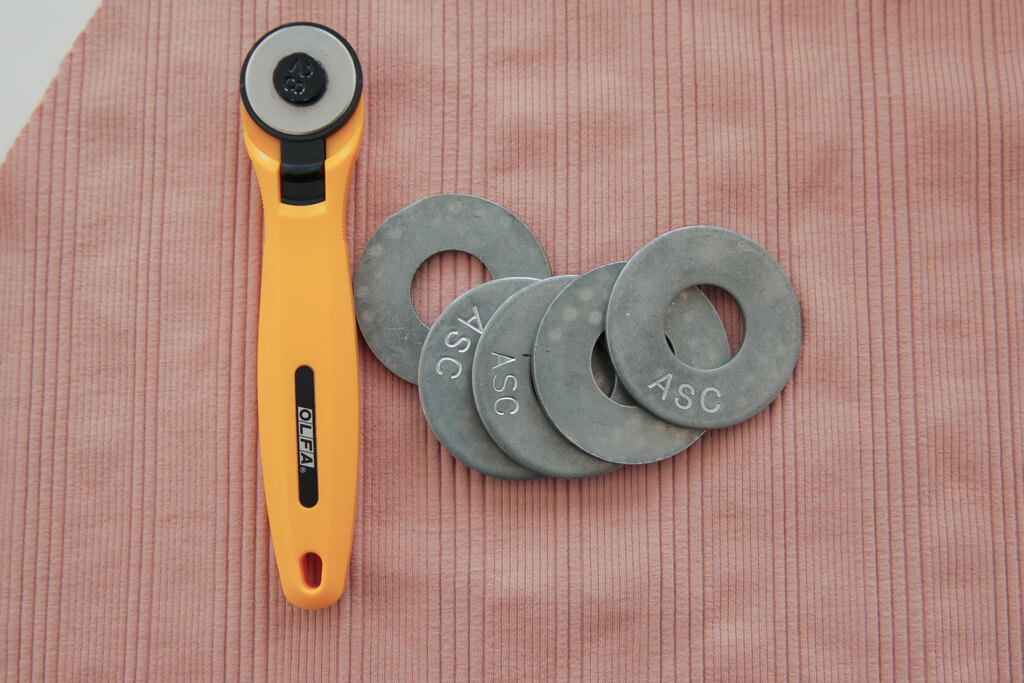
Rotary cutter and round pattern weights resting on pink rib knit.
A rotary cutter and pattern weights on rib knit. Image: Seamwork.

At the machine, the seam needs to accommodate the movement expected in that part of the garment. Overlocking and suitable stretch stitches provide extensibility. Knitwear thread selection also considers seam elongation, strength and comfort. Shoulder seams on a heavy or fluid rib garment may use the stabilizer specified by the pattern to help carry the hanging fabric’s weight.

Use scraps to establish the needle, thread and stitch combination. SCHMETZ specifies jersey needles for many knits and stretch needles for highly elastic fabrics containing elastane. Test through the number of layers present in the actual seam.

Feed the fabric through the machine with its weight supported. On a serger, differential feed changes how the front and rear feed dogs move the fabric. Increasing the ratio can help a stretchy seam lie flat; Brother’s explanation of differential feed shows how this adjustment controls rippling.

For cuff attachment, mark corresponding points on the cuff and sleeve opening. Distribute the difference evenly between those points, extending the cuff to meet the sleeve. The attachment stitches need to extend far enough for the finished opening to pass over the hand.

Washing and Drying Ribbed Clothing

Use the temperature and cycle stated on the garment’s care label. For machine-washable ribbed tops, turn them inside out before washing; fine items can go in a mesh laundry bag. Close exposed zippers on other items in the load. Wool garments require the washing method and detergent appropriate to their care instructions.

When lifting out a wet garment, support its body and sleeves together. Water adds weight, and an unsupported section can lengthen as it hangs. Smooth the rib columns gently and return cuffs and bands to their normal shape.

Wool sweaters are dried flat unless the label permits tumble drying. A towel or drying mesh supports the body and sleeves; keep the full garment on that surface. For any ribbed garment labeled for tumble drying, use the stated setting. Let it cool and relax before comparing its dimensions with earlier measurements.

Allow the fabric to dry completely before storing it. Heavy ribbed sweaters are stored folded, with the sleeves supported and cuffs at their resting dimensions.

What Is Jersey Fabric? Why T-Shirts Default to It

What Is Jersey Fabric? Why T-Shirts Default to It e

What Is Jersey Fabric? Why T-Shirts Default to It

Jersey fabric is a knit formed from interconnecting loops of yarn. The familiar fabric in a plain T-shirt is usually single jersey, with fine V-shaped stitches on the outside and a different, more rounded stitch texture on the inside. Its loops can change shape under tension, giving the cloth the flexibility needed for a pullover worn close to the body.

A cotton jersey T-shirt combines cotton fibers with this knit construction. Mills also knit jersey from polyester, viscose, modal, and blends containing elastane. The chosen yarn and the way it is knitted and finished determine much of the fabric’s weight, surface feel, and behavior.

Single jersey suits the garment at several stages: it accommodates movement during wear, forms a relatively even face for decoration, and can be knitted continuously on productive circular machines. The finished fabric can become a thin undershirt, a fitted stretch tee, or a substantial casual T-shirt.

Recognizing the Structure

Fine stitch texture across a cotton jersey fabric surface.
Cotton jersey fabric surface.

At a T-shirt’s bottom hem, the outer face and reverse can be seen together. On the face, the legs of each stitch form a small V. These stitches stack into vertical columns called wales. The reverse shows the curved portions of the loops, which give it a more horizontal, bumpy appearance. Fine yarn can make this difference difficult to see without magnification.

Jersey belongs to the weft-knit family. New loops are drawn through existing loops as the yarn travels across the fabric; each horizontal row is called a course. One set of needles repeats the plain knit stitch to produce single jersey.

In a woven cotton shirting, lengthwise warp yarns cross with widthwise weft yarns. That interlacing holds the yarns in a comparatively fixed grid. A typical plain woven cotton shirt therefore gets much of its movement allowance from its cut, including the room across the shoulders and chest. Stretch yarns and other woven constructions can change that behavior.

A folded, stitched hem contains single jersey’s tendency to curl at a cut edge.

Why T-Shirts Default to Jersey

Reaching forward changes the distance across the upper back. In jersey, the curved yarn paths can open and rearrange to accommodate that movement. A plain cotton tee gets some of its stretch from this geometry, even with a 100% cotton composition.

Single jersey generally gives more across its width than along its length. With the stitch columns running down a T-shirt body, that widthwise movement follows the chest and waist. The amount of give depends on the yarn, loop dimensions, and finishing, so the same basic construction can serve a loosely knitted undershirt or a firmer casual tee.

A T-shirt can therefore accommodate movement with a simple body and sleeves. Its pattern supplies room through the chest and armhole, and the knit can extend locally as the wearer bends or raises an arm. In a fitted tee, the cloth may already be under slight tension when the wearer is standing still. Raising an arm asks it to extend further, making the fabric’s resistance to pulling part of how restrictive the sleeve feels.

Recovery describes how closely the fabric returns to its resting dimensions after stretching. A sleeve may pull easily over the upper arm and then remain slightly enlarged. Its stretch has made dressing possible, and its recovery affects the fit afterward. Elastane can increase the fabric’s ability to return after extension. It is also sold under the generic name spandex.

The neckline concentrates these demands into a small area. It has to expand as the shirt passes over the head, then settle around the neck. The neckband’s dimensions and recovery contribute to that fit, and the seam attaching it has to allow the required extension. Sewing thread and stitch formation therefore influence how stretchy the finished opening feels.

Under an overshirt, a thin jersey tee can settle into small folds around the waist and underarms with relatively little bulk. The cloth bends around the body and the garment above it. This makes a supple, lightweight jersey useful for an undershirt as well as a tee worn on its own.

How Much Stretch a Fitted Tee Uses

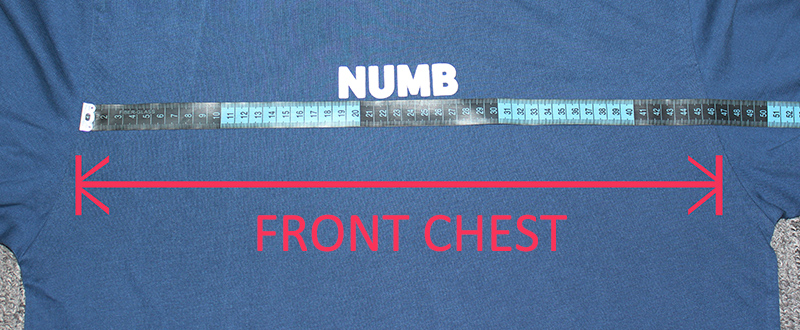
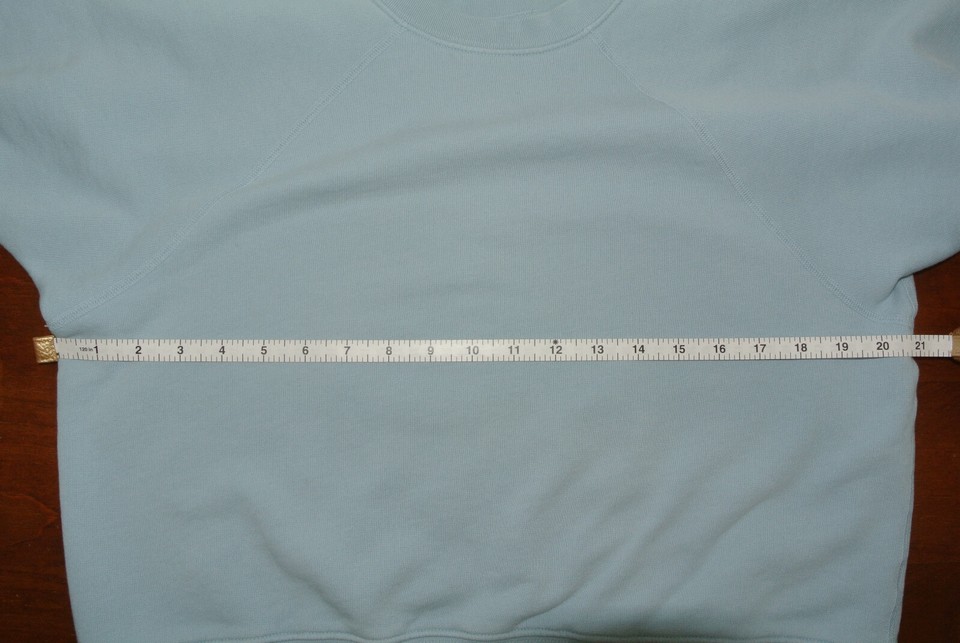
A measuring tape laid across the chest of a flat T-shirt.
Chest width measured with the T-shirt laid flat.

A fitted knit pattern can have a finished circumference smaller than the corresponding body measurement. Patternmakers call this negative ease. The fabric stretches across the body as the garment is put on.

For a worked sizing example, use a body chest circumference of 100 cm and a relaxed T-shirt width of 48 cm, measured flat at the same chest level. Doubling that flat width gives a garment circumference of 96 cm. The cloth has to extend by 4 cm to reach the body measurement:

Required circumferential extension = (100 ÷ 96 − 1) × 100 = approximately 4.2%.

An assumed 3% reduction in chest width after laundering leaves the shirt measuring 46.56 cm flat, giving a circumference of 93.12 cm. Reaching the same 100 cm body measurement requires approximately 7.4% extension from its new resting dimensions.

These figures are a sizing calculation using chosen inputs. They describe extension around the chest at rest. Reaching, sitting, and breathing add movement, and the force needed to extend the fabric affects the sensation of tightness. A jersey that reaches 7.4% extension under a light pull will feel different from one that needs a stronger pull to reach that point.

How Mills Produce Jersey at Scale

Yarn feeds arranged around a circular knitting machine.
Multiple yarn feeds around a circular knitting machine.

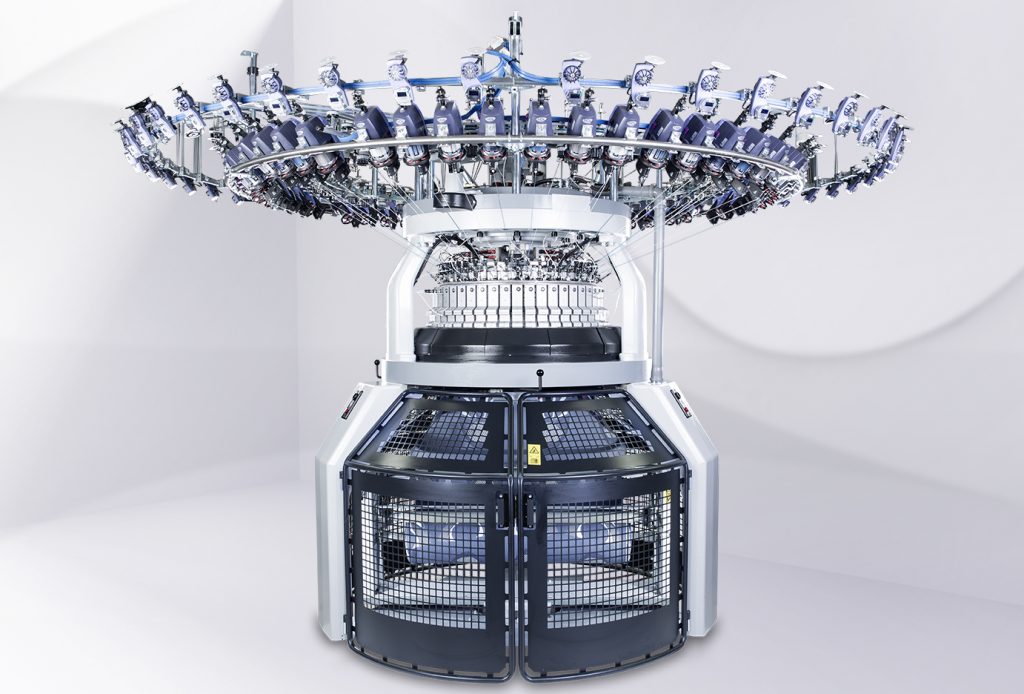
On a circular knitting machine, needles arranged around a cylinder form loops in sequence. Yarn arrives from packages through multiple feeding points, and the cloth emerges as a continuous tube.

Each active feeder can form a course during a revolution of the machine. A machine running with 60 active feeders can produce 60 courses in one revolution. This arrangement gives plain jersey a productive manufacturing route: the same stitch repeats across the fabric, and multiple feeds build its length continuously.

Mayer & Cie. publishes an unfinished-fabric production example for its Relanit 4.0: 36.59 kg of single jersey per hour. The stated conditions are a 30-inch cylinder, 28-gauge machine, 50 rpm, 85% efficiency, and 125 GSM fabric. Those conditions define the example. The company also identifies body-size fabric for white T-shirts as an application of the machine.

The tube gives a T-shirt manufacturer two useful cutting routes. A tube finished to the appropriate body width can supply the shirt body with its sides already connected. The garment still needs its neckline, shoulders, sleeves, and hems assembled. For open-width production, the tube is slit lengthwise and spread flat, allowing separate front and back panels to be cut. Side seams then provide room for shaping those panels.

T-shirt assembly consists of a relatively small group of repeatable operations, including joining shoulders, attaching the neck trim and sleeves, and finishing the hems. Fabric production and garment construction fit together around a simple product.

This production efficiency helps explain jersey’s commercial appeal. The price of a particular tee also includes its yarn, dyeing, finishing, cutting yield, and sewing. A fine combed yarn and several finishing treatments add processing to the same basic jersey construction. Heavier fabric increases material consumption for a given pattern, which helps account for the wide price range among jersey T-shirts.

Cotton, Polyester, and Jersey Blends

A fiber label helps explain how the cloth responds to moisture and how its surface feels. The knit construction then determines how that yarn behaves as a sheet of fabric.

Jersey composition Contribution from the fibers Effect in a T-shirt
100% cotton Cotton absorbs moisture into the fiber. The yarn can be prepared and spun in several ways. An absorbent fabric whose surface can range from relatively dry and textured to smooth and soft.
Cotton/polyester Polyester lowers the proportion of highly absorbent cotton in the blend. Yarn structure and finishing also affect water retention. A way to adjust the moisture response of a cotton-containing tee; the blend ratio is part of the specification.
Polyester Polyester has low moisture absorption within the fiber. Liquid can still travel through spaces in the yarn and fabric. Sports jerseys can be engineered for spreading moisture and drying through their yarns, construction, and finish.
Viscose or modal blends These regenerated cellulose fibers can produce soft, fluid fabrics. Finer fibers in Lenzing’s modal range allow delicate, lightweight constructions. Useful for tees intended to fall into soft folds against the body.
Cotton/elastane Elastane supplies additional elastic stretch and recovery. Useful when the body or sleeves are designed to remain close fitting through repeated movement.

Cotton jerseys can also be finished for a particular moisture response. Cotton Incorporated’s TransDRY technology uses treated yarns to alter absorption and spreading. How those yarns are incorporated into the fabric influences the result.

A label reading “95% cotton, 5% elastane” states the proportions by mass. Actual stretch is measured on the finished fabric under an applied force. Two jerseys with that composition can have different resistance to pulling because the elastic yarn, knitting settings, and finishing differ.

Airflow and Moisture During Wear

Air passes through the spaces within a fabric. Their size and arrangement affect air permeability, the amount of air that can flow through the cloth under specified conditions. A dense knit restricts that passage. A more open jersey construction can allow greater airflow, which helps explain the use of light jerseys in warm-weather tees.

Perspiration moves through the cloth as liquid enters absorbent fibers and spreads through spaces between fibers and yarns, exposing more moisture to evaporation from the surface. The amount of water held in a shirt affects how long it stays damp. Air movement, humidity, and the area over which the moisture spreads also influence drying.

A fabric description such as “breathable cotton jersey” covers only part of this behavior. For example, a dense cotton jersey can absorb perspiration and offer limited airflow through its tightly packed stitches. An open construction changes the passage of air even when its fiber content stays the same. Garment fit adds space around the body, allowing air to circulate through the neck, sleeves, and hem.

Why Two Cotton Jersey Tees Can Feel So Different

The description combed ring-spun cotton jersey starts with decisions made before knitting. Combing removes shorter cotton fibers during yarn preparation, making it possible to spin finer yarns and influencing the finished fabric’s feel. Ring spinning draws and twists prepared fibers into yarn. These processing stages affect the yarn from which every stitch is formed.

Yarn size changes the scale of the stitches. In the English cotton count system, Ne 30/1 identifies a finer single yarn than Ne 20/1. Using a finer yarn gives the knitter different possibilities for the fabric’s weight and surface. The result also depends on the amount of yarn fed into each stitch and the number of stitches occupying a given area.

Reading GSM in the Finished Garment

GSM means grams per square meter. At 180 GSM, one square meter of fabric weighs 180 grams. A 240 GSM jersey contains one-third more mass over the same area.

Stanley/Stella’s published product sheets identify the shell of each of these T-shirts as single jersey. Their main cotton specifications include different yarn routes and weights.

Published style Fabric weight Yarn preparation and spinning Size M half-chest Size M body length
Crafter STTU170 155 GSM Combed, ring-spun cotton 52 cm 72 cm
Creator 2.0 STTU169 180 GSM Combed, ring-spun cotton 53.5 cm 73 cm
Freestyler STTU788 240 GSM Carded, open-end cotton 58 cm 76 cm

These published examples span 155–240 GSM within the same knit construction. The 240 GSM style uses a carded, open-end yarn, showing one of the yarn choices available for a substantial tee. Specifications were checked on September 19, 2026; color-specific composition notes remain part of each product sheet.

Doubling the size M half-chest measurements gives 107 cm for Creator 2.0 and 116 cm for Freestyler. That is 9 cm of additional garment circumference. The wider pattern changes the room around the body alongside the heavier fabric.

In a comparison using the same pattern, an increase in GSM adds fabric mass to the garment. How the outline changes also depends on how easily the cloth bends. A supple, heavier jersey may hang in deep folds. A firmer construction can hold a broad sleeve opening away from the arm and give a boxy body a more pronounced shape.

Fabric handle includes how the cloth feels against the fingers and how it bends or compresses when held. A jersey can have a soft surface over a substantial, firm body. Thickness and bending resistance help explain that combination alongside its GSM.

Opacity also changes with the way the cloth is used. Stretch across a fitted upper arm opens the spaces between loops, making a pale fabric more transparent in that area. The same jersey can provide greater coverage where it hangs loosely. Yarn coverage, color, and the intended amount of stretch all contribute to the result.

Finishing Changes the Hand

After knitting and dyeing, the mill can alter the surface and flexibility of the cloth. An enzyme treatment can reduce surface fuzz. Silicone softeners can give a smoother, more lubricated feel. Mechanical sanding produces a different surface by abrading it, creating a fine, soft texture.

Compaction changes the fabric’s dimensions by compressing the structure lengthwise. More of the fabric’s mass then occupies each meter of finished length, and the GSM can rise. A specification for a tee therefore uses the finished weight after the agreed processing. The unfinished cloth coming off the knitting machine may have a different weight per square meter.

The Surface Behind a Graphic Tee

A plain jersey face offers a relatively even background for a chest logo or a full-front design. Fine stitch columns give printers a surface on which small lettering and edges can be reproduced clearly, provided the yarn surface and printing process suit the artwork. Visible fuzz and pronounced yarn irregularities can change the appearance of fine detail.

Fiber content becomes important when choosing inks and preparation. In the direct-to-garment workflow documented by Epson, printing white ink on cotton requires the appropriate pretreatment. Polyester uses its specified polyester pretreatment. The preparation and curing instructions belong to that printing system and the selected fabric.

A broad, heavily deposited print can also stiffen the front panel. That changes the drape across the chest even when the jersey underneath matches the sleeves and back. Where the artwork crosses an area that stretches during wear, the printed layer has to accommodate that extension.

Where Rib, Interlock, and Piqué Fit

Rib at a crew neck gives the opening widthwise extension around a single jersey body.

Construction Structure or surface Use around T-shirt design
Single jersey Fine stitch columns on the face, curved loops on the reverse; cut edges can curl Flexible bodies and sleeves
Rib Alternating face and back stitch columns that open across the width Extensible neckbands, cuffs, fitted tops, and tanks
Interlock Two rib structures interlocked during knitting, with similar faces on both sides Smooth tops with a more stable fabric body
Piqué Knit and tuck stitches create a textured surface Polo shirts and casual tops with visible texture

Interlock belongs to the double-knit group and may appear in listings as “double jersey.” Its connected structure adds stability, including resistance to edge curling. Two sets of needles form the cloth during knitting.

What Wear and Washing Change

A jersey tee can change dimensions as stresses introduced during production relax. Knitting, dyeing, and finishing move the cloth under tension; washing and drying give the yarns and loops an opportunity to settle into a different arrangement. The resulting shrinkage depends on the fabric and its processing history.

A small percentage can be visible in the fit. If a body length of 70 cm becomes 67.9 cm after laundering, the reduction is 2.1 cm, or 3%. On a cropped tee, that moves the hem noticeably. Chest width and sleeve length can change by different amounts, so the garment may acquire different proportions as well as becoming smaller.

Mills use relaxation drying and compaction to reduce the dimensional change left for subsequent laundering. “Preshrunk” describes a treatment intended to limit that remaining change. A useful wash result includes the temperature, drying method, and number of cycles, because each is part of the conditions under which the dimensions were measured.

Rotation can appear independently of a shorter body. A side seam may move toward the front as the knit relaxes. Yarn torque, the orientation of the stitches, and finishing affect this behavior; the result is often called spirality or garment twist.

Over repeated wear, friction can raise surface fibers and entangle them into small pills. The blend, fiber dimensions, yarn structure, and finishing influence how readily this happens. Contact beneath the arms or against another garment can expose particular areas to repeated rubbing.

How Shrinkage Changes the GSM Reading

Shrinking reduces the area occupied by a piece of cloth. Mechanical compaction can increase the weight per unit area by compressing the fabric lengthwise. The same mass-to-area relationship helps explain a GSM change after laundering.

Take a 1 m by 1 m panel weighing 180 g under consistent dry measurement conditions. For this calculation, assume it loses 5% in each direction and retains its mass. Its new dimensions are 0.95 m by 0.95 m, giving an area of 0.9025 m².

Calculated GSM after shrinkage = 180 g ÷ 0.9025 m² = approximately 199.4 GSM.

The panel has become smaller and carries the same mass over less area. This example explains how a shirt can feel more compact after washing. The calculation holds mass and measurement conditions constant; actual measurements also reflect any fiber loss, finish removal, and differences in moisture content. A reported GSM therefore needs its measurement stage, such as finished fabric before laundering or conditioned fabric after a specified wash.

What Is Fast Fashion?

What Is Fast Fashion? | FashionMe

FashionMe · Fashion Industry

What Is Fast Fashion?

Fast fashion is a clothing business built around frequent new styles, low prices and large sales volumes. Retailers follow current trends and bring out products throughout the year. Zara and H&M are familiar examples. SHEIN uses small initial orders and shopping data to decide which styles to make again.

Low prices make it possible to buy an outfit with a limited budget. For the retailer, a steady flow of new clothes creates opportunities for another sale to the same shopper.

How Fast Fashion Developed

H&M opened in 1947 as Hennes, a womenswear shop in Västerås, Sweden. Zara’s first shop opened in 1975 in A Coruña, Spain. Between 1988 and 1990, Zara expanded into Portugal, New York and Paris.

Zara’s parent company, Inditex, describes using information from customers to adjust designs and orders during the selling season. Sales from the current range help buyers decide what to stock next. A style selling strongly can receive another order, including a different mix of sizes and colors based on purchases so far. Buyers can also change the next selection as new trends appear.

H&M began selling online in Sweden in 1998. A shopper could now order without visiting a branch, and retailers could see which products people browsed on their websites. Social media brought more places for a look to spread.

McKinsey’s account of the model’s development describes retailers using demand information in product design, working with extensive supplier networks and recruiting customers through influencers. Shopping apps added rewards for activities such as leaving reviews and watching live streams.

What Makes a Brand Fast Fashion?

A fast-fashion range changes repeatedly during a season. Some of the clearest signs are visible in the shop:

Shirts, knitwear and trousers arranged on wooden hangers along a clothing rack.
Garments arranged on a clothing rack. Photo: MART PRODUCTION / Pexels.
  • New releases arrive between seasonal collections. A retailer keeps adding clothes to its new-arrivals section, giving regular visitors more products to browse.
  • Designs follow looks gaining attention on social media, on catwalks or through celebrities. Good On You’s definition emphasizes this quick response to trends.
  • Low prices and frequent promotions make repeat purchases affordable. In an app, a discount can appear during browsing or arrive in a notification.

Fast-fashion ranges also contain plain cotton T-shirts and jeans that are reordered all year. These continuing basics share the shop floor with trend-led clothes that may appear for a single season.

The new-arrivals page from several dates can show how quickly the selection changes. A company’s annual report may give production figures as well.

Next-day delivery can be arranged for stock that has already spent months in a warehouse. That delivery time starts when the shopper places an order.

How Clothes Reach the Shop So Quickly

H&M says it plans capacity with strategic suppliers three to five years ahead. Its purchasing policy describes sharing those plans so factories can prepare for demand.

For a dress using an existing pattern, the factory may already have checked the fit on a sample. A new print on the same fabric can leave the cutting pattern and sewing instructions usable. Once the fabric is available and the sample details are settled, cutting can begin.

A mill developing new fabric may need to make a sample and check its color before weaving or knitting the full quantity. The sewing factory has to receive that fabric before making the garments. A repeat order also needs a material check: obtaining another matching lot can add time if the original fabric has sold out.

Rows of beige, olive and brown fabric rolls on shelving.
Fabric stored in rolls. Photo: Leonardo Barucci / Pexels.
Timing quoted Work covered
Design idea to product on sale Development, fabric preparation, sampling, production and delivery. Some of these tasks can overlap.
Factory production lead time The work in the factory’s quote. The starting date may assume that fabric is ready and the sample has been confirmed.
Restock time Getting an existing item back on sale through a warehouse transfer or a new production order.
Daily or weekly new arrivals The release schedule. Designs developed earlier can be put online on different days.

Why Fast Fashion Is Cheap

In a hypothetical order, a $300 pattern-and-sample bill adds $3 per garment when 100 pieces are made. Spread that bill across 1,000 pieces and it contributes $0.30 each.

Fabric, sewing, packaging and delivery have their own charges. Several designs can use one fabric, allowing their material requirements to be bought together. Construction affects the sewing work: adding a lining creates another set of pieces to cut and assemble.

H&M’s pricing method separates materials, labor and operations. Its labor calculation includes the time needed to make the garment, production efficiency and wages.

The price on the shop tag also pays for running the retail business. Rent, advertising, payment processing and the cost of handling returns can all sit outside the factory quote. A retailer placing an order for thousands of garments commits to that stock before knowing how many customers will keep a purchase.

Stock remaining at the end of its selling period may go on sale. For an order bought at a fixed factory price, a later retail discount leaves the agreed purchase cost in place. That cost takes up a larger share of the discounted selling price.

How the Clothes Hold Up

Six of the ten best-performing T-shirts in a University of Leeds and WRAP study cost less than £15. The researchers tested 47 T-shirts through 50 cycles of a 30°C wash followed by tumble drying, checking shrinkage, fading, pilling and appearance. Their results, reported in 2025, found price to be an unreliable guide to durability in that sample.

For an individual item, a review written after repeated washing can describe changes that a delivery-day review misses. Useful details include a neckline stretching, side seams twisting or pilling appearing on the surface. The care instructions give the conditions the maker expects the garment to withstand.

What Ultra-Fast Fashion Changes

SHEIN says it starts with 100–200 items per style in its 2024 Sustainability and Social Impact Report. Those garments are made before customers buy them. Purchases help determine which products receive another order, and suppliers can access demand and inventory information through its digital systems.

Ultra-fast fashion uses this close connection between online sales and suppliers to speed up repeated launches. McKinsey identifies large supplier networks and product design informed by demand as features of the model.

SHEIN uses “on-demand” to describe adjusting production as demand becomes visible. A maker selling made-to-order garments starts production after an individual customer places an order. Fabric and components may already be available.

In a hypothetical launch of 500 styles at 100 pieces each, 50,000 garments are produced. If 60 styles each receive one further order for 1,000 pieces, another 60,000 garments are added. That launch and its reorders produce 110,000 garments.

A sweatshirt design offered in two colors and five sizes can have ten stock-keeping units, or SKUs. Each SKU identifies a variant such as blue, size medium, as explained in Shopify’s inventory guidance. Ten pieces of each variant would produce 100 sweatshirts, recorded under ten SKUs for that single design.

What Happens After the First Sale

A retailer can place a repeat order for a dress before the returns from its first batch have arrived. By the time warehouse staff inspect those returns and make them available for sale, the next batch may already be on its way.

The European Environment Agency’s 2024 review of returned and unsold textiles estimated that around 20% of clothing bought online in Europe is returned. Processing can take weeks, shortening the time available to resell seasonal and fast-fashion items at their original price. The EEA reports that most returned and unsold textiles are resold or sold through outlets.

A dress that photographs well may attract orders and then come back because of its fit. Its early sales count includes purchases that will later be refunded. Recording returns against the style and size shows which purchases were kept and whether a particular size comes back more often.

Returned pieces also add back to the stock in each size and color. If demand has faded, those garments may join a sale. Selling fifty dresses at a discount establishes demand at that reduced price. A full-price reorder based on those sales assumes customers will buy again at the higher price.

What Fast Fashion Means for Garment Workers

A pocket change after cutting can require new fabric panels. Cutting and sewing those pieces adds work to the order, which still has its original delivery date. The extra material and labor also have a cost. Keeping the original price leaves that bill with the factory.

In a survey conducted in 2016, 59% of suppliers reported additional overtime resulting from insufficient lead times. The ILO and Ethical Trading Initiatives surveyed 1,454 suppliers across 87 countries and several sectors. Within the textile and clothing group, 52% had accepted at least some orders below production cost during the preceding year. The report published in 2017 recorded suppliers accepting losses to secure future business.

The US Department of Labor’s 2022 Southern California garment survey, published in 2023, examined more than 50 contractors and manufacturers. Time and pricing studies found sewing fees were, on average, $2.75 per garment below the amount needed to meet federal wage standards. Investigators found one contractor paying workers as little as $1.58 an hour.

Factory safety drew international scrutiny after the Rana Plaza building collapsed in Bangladesh on April 24, 2013, killing more than 1,100 people. An ILO account of the disaster identifies failures to enforce building regulations and workers having too little say over their safety among the problems. Subsequent work included inspections of thousands of factories for structural, electrical and fire hazards. The most dangerous sites closed, and other factories underwent repairs.

How Fast Fashion Affects the Environment

Before a garment reaches a sewing line, its yarn has been spun and its fabric woven or knitted, dyed and finished. These stages consume energy and materials for every batch, including pieces that stay unsold. Supplier energy sources and the transport used for orders also affect emissions.

Conventional polyester begins with fossil-based raw materials. Cotton uses farmland and can need irrigation. Producing the clothing, footwear and household textiles bought by EU households in 2022 required an estimated 5.3 billion cubic meters of surface and groundwater, much of it for cotton irrigation. Dyeing and finishing involve chemical use and wastewater treatment. EEA textile assessment

Published figure Year and coverage
26.2 million tonnes of CO₂-equivalent emissions SHEIN’s reported 2024 total from its operations and value chain, covering Scopes 1, 2 and 3. The scope includes apparel and other activities. SHEIN, page 47
159 million tonnes of CO₂-equivalent emissions The value chain of all clothing, footwear and household textiles consumed in the EU in 2022, across retail business models. Around 70% occurred outside Europe. European Environment Agency
4–9% of textile products destroyed before use An estimate for products placed on the European market, published in the EEA’s 2024 review. European Environment Agency

SHEIN changed its emissions accounting methodology and recalculated its 2023 total as 21.3 million tonnes. That revised figure is the base for the 23.1% increase it reported for 2024.

Synthetic garments can release plastic fibers during wear and washing. An EEA review of textile microplastics reports particularly high shedding during early washes. Frequent replacement brings more new clothing into those first washes. Fabric construction and treatment also affect the amount released; abrasion during manufacturing can contribute to fiber breakage.

Clothing Recycling

The EEA’s estimate of destruction before use includes finished garments shredded or dismantled for recycling before anyone wears them. Incinerated and discarded products are included as well.

Folded garments stacked in blue, gray, red and purple.
A stack of folded garments. Photo: Alexander Grey / Pexels.

Once used clothes are collected, sorting determines which pieces can go to resale and where the rest will be sent. The EEA describes exported textiles moving through sorting, resale, recycling and disposal, sometimes across several countries. A take-back scheme can publish the collected weight together with the quantities resold, recovered as fiber and disposed of after sorting.

Textile Exchange’s Materials Market Report 2025, covering 2024 production, found that 98% of recycled polyester came from plastic bottles. Across the global fiber market, less than 1% came from recycled textiles, including manufacturing waste and used textile products.

A recycled-polyester sweatshirt may therefore contain material from bottles. Product details can identify the feedstock, such as bottles or discarded textiles. Recycled fibers can also be blended with newly produced material; the percentage specifies the recycled share in the named fabric or component.

What Slow Fashion Looks Like in Practice

A trouser fit kept in the range for several seasons can be revised using feedback from people who wear it. A stronger pocket attachment or a waistband adjustment can become part of the next order. The supplier can plan fabric purchases and staffing around an agreed schedule for that continuing style.

Slow fashion focuses on longer use of clothes and better working conditions for the people making them. Kate Fletcher’s 2007 essay connected those priorities with supplier relationships and the communities involved in making clothes.

Part of the offer Specific information
Durability Which garments were tested, the wash or wear conditions and the changes measured.
Pay and working hours The workers and factories covered, the reporting period, basic pay and the hours and pay recorded for overtime.
Repairs Products and damage covered by the service, repair charges, shipping costs and the process for sending an item in.

Fashion Styles That Drive Clothing Orders

Fashion Styles That Drive Clothing Orders
FashionMe · Style & Orders

Fashion Styles That Drive Clothing Orders

A clothing purchase can start with a pair of jeans already hanging in the wardrobe. The next item might be a top to wear with them, a jacket for cooler days or another color of a favorite tee.

Streetwear

A familiar T-shirt can carry several releases. Someone who likes its boxy shape may come back when a new graphic arrives, especially if it goes with the same jeans and sneakers they already wear. The chest width, dropped shoulders and length are part of what they liked about the first shirt.

The artwork gives that repeat purchase something new. A large back print leaves most of the front plain. Sleeve lettering stays visible under an open vest. A washed black tee gives a bright chest graphic a faded background.

A retailer might keep the original graphic available and add two more on the same cut. Each print can then be reordered in the sizes that sell. There is a separate screen-print setup for each design, so three graphics also mean three decoration jobs within that T-shirt order.

Cream T-shirt laid flat with a red chest graphic and a faded finish.
A washed graphic T-shirt. Photo: TheSupermade.

A cropped zip hoodie might be the next purchase for someone who already owns the tee. Worn together, the T-shirt's hem hangs below the hoodie. Leaving the hoodie open also shows the graphic on the shirt.

Preppy and Collegiate Clothing

An Oxford shirt can turn up in several outfits during the week. It can be tucked into straight chinos with loafers, worn open over a tee or left visible at the collar of a crew-neck sweater. A new sweater gives someone another way to wear a shirt they already own.

The same idea extends through a preppy range. A knitted polo can join the chinos. A pleated skirt can be worn with a short cardigan and loafers. A rugby shirt adds broader stripes and thicker jersey, with room for a chore jacket over it when the weather gets cooler.

Ralph Lauren reported mid-teens growth in fourth-quarter core-business revenue, measured in constant currency, in its fiscal 2026 results.

Color can connect pieces bought months apart. A navy cardigan has several possible partners in a range of striped shirts, cream knits and chinos. The actual shades also matter: navy cotton shirting can look different from navy knitwear because of the fibers, yarns and dyeing.

Navy and cream striped rugby shirt with a contrast collar and embroidered chest details.
A striped rugby shirt. Photo: TheSupermade.

Athleisure and Matching Sets

An Adidas track top ranked third among the hottest products in the Lyst Index for Q1 2026. The ranking combines searches, interactions and sales.

A track jacket can be bought to wear with jeans, then worn with its coordinating trousers later. Someone buying the full set has a ready outfit for a casual day or a journey. The same range can therefore receive orders for jackets, trousers and both pieces together.

Sizing affects those orders. A customer might wear a small jacket and medium trousers, so separate size choices make that combination available.

Green track jacket and matching trousers arranged together, with cream stripes and star graphics.
A coordinating jacket and trousers. Photo: TheSupermade.

This example shows one possible split across 100 set orders:

Top sizeBottom sizeOrders
SM20
MM45
ML35

Those orders contain 20 small tops, 80 medium tops, 65 medium bottoms and 35 large bottoms. Another ten individual orders for medium trousers would bring that trouser size to 75 pieces.

The fabric also helps explain what the set is being bought for. French terry has loops on the inside and is used for casual sweatshirt sets. A fitted legging-and-bra set brings different expectations about movement, coverage and support.

Minimalist Dressing

A plain tank can earn a repeat purchase through quite small details. Its straps may cover a bra, the neckline may sit where the wearer likes it, and the hem may reach the waistband of their usual trousers. Once that fit is familiar, another color is a fairly straightforward addition to the wardrobe.

A cream version gives the same tank a place under a lighter shirt or jacket. The fabric's coverage is part of the choice, particularly across the chest where the knit stretches.

Lyst linked a 217% rise in searches for black turtleneck knits to the first episode of Love Story in its Q1 2026 report.

White ribbed tank top laid flat, with wide straps and a round neckline.
A plain ribbed tank. Photo: COS via Lyst.

Workwear Influences

Carpenter jeans can join a wardrobe of graphic tees, hoodies and sneakers. The long side pocket and hammer loop give the trousers visible detail down the leg. On double-knee trousers, an extra panel runs across the front of each knee. A canvas chore jacket with square patch pockets and visible topstitching can be worn over a sweatshirt. A roomy chest and sleeves leave space for a substantial hoodie underneath.

These details also appear in the production price. Knee panels add fabric and sewing. A hammer loop adds a separate component, and rivets add hardware plus the work of setting it.

Khaki carpenter trousers showing roomy legs, side loops and pockets.
Carpenter trousers with side details. Photo: TheSupermade.

Y2K Proportions

The gap between a baby tee and low-rise jeans is part of the outfit. A shorter top exposes more of the midriff, and the jeans' waistband decides where that gap ends. Someone who already owns low-rise flares may be looking for a top that gives them that particular proportion.

A cropped velour hoodie adds another piece to the combination. It can be worn open over the tee, with a rhinestone chest design visible on either side of the zipper. On a design that crosses the opening, the spacing around the zipper becomes part of how the decoration looks when the hoodie is closed.

Platform shoes add height underneath a flared leg, lifting a long hem off the ground. The jeans' inseam, the model's height and the shoes worn in the photograph all help explain how that particular outfit fits. A shopper adding the jeans to their wardrobe can use those details to judge the length.

Washed flared jeans with studded pocket trim, displayed without a model.
Flared jeans with studded pockets. Photo: TheSupermade.

Bohemian and Romantic Styles

An embroidered blouse can become the main detail in an outfit with plain jeans or trousers. A flowing skirt takes the combination further into a bohemian look. Crochet tops, lace-trimmed dresses and gathered tiers give a retailer several ways to build around that interest in texture and decoration.

The design's size, thread colors and coverage affect the cost of an embroidered blouse. A dress with lace on several tiers carries the trim length and sewing work for each tier.

The lining changes how a sheer dress can be worn. It may cover the bodice and skirt, leaving the sleeves sheer. An openwork top supplied with a camisole arrives with the underneath layer included, so both pieces belong in its product description and order quantity.

Ivory blouse with long sleeves, embroidered trim and ruffles down the front.
An embroidered ruffle blouse. Photo: Boden.

Resortwear

A trip can put several clothes on the same shopping list. Swimwear may be bought with a cover-up, and a printed shirt can go with coordinating shorts. A loose dress gives the traveler something to wear for meals or time away from the beach.

Lyst reported increased demand for resort dressing in its Q2 2026 report. DÔEN shorts and a Zimmermann dress appeared among its ten hottest products.

For someone leaving on a booked trip, the delivery date can decide which pieces make it into the order.

Holiday clothing can also sell during cold weather at home. Someone taking a winter trip to a warm destination may be looking for shorts and lightweight shirts in a month when the local store is carrying coats.

Blue short-sleeve shirt with a Cuban collar and an all-over porcelain-inspired floral print.
A printed short-sleeve shirt. Photo: TheSupermade.

Set Quantities from Product-Level Sales

A small range can have several combinations to cover. Four styles in two colors and five sizes create 40 stock-keeping units. An evenly divided order of 400 pieces leaves ten of each. Sales from an earlier release give a retailer a way to distribute the next order according to the sizes and colors people bought.

A size available for only part of the month had fewer days to sell. A promotion changes the price attached to those sales. Returns also change the quantity that stayed with customers.

The supplier's minimum also affects how much of a style can be ordered. It might cover the garment as a whole, one color, a fabric dye lot or a print design. Two cuts of trousers made from the same fabric may be quoted against one shared fabric minimum.

How to Create Your Own Custom Sweatshirts Design

How to Create Your Own Custom Sweatshirts Design

How to Create Your Own Custom Sweatshirts Design

For a ceramics club sweatshirt, a cup sketch could sit below the club’s name on an oatmeal crewneck. The drawing only needs a brown outline; the fabric supplies the color inside the cup. Rust-colored lettering would give the design a second ink color.

Cream and pale yellow crewneck sweatshirts with ribbed necklines.
Crewneck neckline and shoulder details. Pexels

Working on the Drawing

A pen sketch works for the cup. After scanning it into a graphics editor, the club name can be added as text. The drawing stays on its own layer so there’s room to adjust its size as the lettering takes shape. A photograph or an illustration drawn directly in the editor can be used in a design, too.

“Clay Club” could follow a shallow curve above the cup, with the town on a straight line underneath. If the club name needs two lines, the cup may have to sit lower to make room. The town name also needs some space around it. At the intended print size, it should read as a separate line beneath the drawing.

With the full name in place, the gaps between letters become easier to judge. A gap beside a wide or angled letter can look larger than the other spaces, even with the same spacing setting. Those gaps can be adjusted individually in the working file.

Finding the Sweatshirt

For a group order, I’d get one of the actual blanks before paying for the printing. There’s a chance to try the fit and feel the fabric, and it becomes the sweatshirt used for the paper layout. Its style code and color name can go straight into the quote request.

A sweatshirt from the wardrobe gives the size chart something to compare with. Say it measures 58 cm across the chest. A blank measuring 60 cm at the same point adds about 4 cm around the body. For a shorter fit, a line marked 3 cm above the existing hem shows where the proposed length would end. The ribbed band at the bottom matters here: a snug band pulls the hem inward and gathers fabric above it.

Close view of the ribbed cuff and waistband on a black sweatshirt.
Ribbing at the cuff and waistband. Dogfish

The inside of French terry has small loops. Brushed fleece has a fuzzy surface against the skin. A fabric label such as 350 GSM gives the weight in grams per square meter. The knit and finishing also affect how the fabric feels, so a sample is useful when choosing material for a sweatshirt made from scratch. A piece large enough to fold over the hand gives a sense of its thickness and how it hangs. The maker can send the ribbed cuff and waistband material with it.

Making Room for the Graphic

The cup design can be printed on paper and tried on the sweatshirt. A 28 cm-wide copy gives this example a starting size. Moving it a little higher or lower changes the space between the name and the neckline, as well as the room left beneath the cup.

It’s useful to see that paper layout with the sweatshirt on. The fabric curves around the body, and the sides of a wide drawing can wrap toward the arms. A back print on a hoodie needs room beneath the resting hood. For sleeve lettering, the words should be checked with the arm down, where they’ll sit during ordinary wear.

Across a group order, the same graphic can take up a lot of the front on a small size. A 28 cm print covers a little over half the chest width of a sweatshirt measuring 50 cm across. The layout may need a second print size for part of the order.

Plain grey crewneck sweatshirt shown from the front.
The front of a plain crewneck. Sunspel

After trying the position, a short note gives the printer the dimensions:

Front artwork: 28 cm wide, centered on the chest, with the top of the visible design 7 cm below the center-front neckline seam.

Any sizes using a different print width can be listed beside the sweatshirt photo.

Printing the Design

The cup outline and lettering make a two-color front print. A shop can quote that for screen printing, where each ink color normally needs a separate screen. A sleeve print would add another location to the job. The sweatshirt color also belongs in the request, since it affects the ink setup.

Needles and thread on an industrial embroidery machine above a fabric panel.
An embroidery machine above the fabric. Pexels

For a photo or a shaded illustration, the conversation may move to digital printing:

Method How the artwork goes onto the sweatshirt
DTG Ink is printed directly onto a suitable garment, often a cotton-rich sweatshirt.
DTF The image is printed onto film and transferred to the fabric with heat.

A sample on the chosen sweatshirt shows how the image looks and how the printed area feels as the fabric bends. On polyester, heat can also cause dye from the sweatshirt to move into the artwork. The shop needs the actual garment color and planned ink or transfer to test that combination.

Initials or a small emblem can be embroidered. Small text is the detail to discuss with the embroiderer: Printful’s flat embroidery requirements, for example, specify letters at least 0.25 inches high, about 6.35 mm. Its minimum line thickness is 0.05 inches, about 1.27 mm. A sample of the smallest lettering sewn on the chosen fabric will show whether the words are readable at that size.

Getting the File Ready

The print size determines how many pixels an image needs. For a 12-by-10-inch design at 300 pixels per inch, that’s 3,600 by 3,000 pixels. A photograph placed inside the design needs enough pixels for the space it occupies, too.

The print shop can provide the export settings. Printful asks for 150–300 DPI depending on the product and recommends sRGB color. A PNG can keep the space around the cup transparent. For vector artwork, a shop may ask for a PDF with the lettering converted to outlines, which saves the letter shapes in the file. An editable copy can stay in the original working file.

The files to send are straightforward:

  • The artwork at the agreed print size, with a separate file for each printed area.
  • A picture showing the artwork on the sweatshirt, marked with its width and distance from the neckline.
  • A note identifying any garment sizes that use a different print width.

Getting a Price

For the club order, the request could read:

I’d like a quote for 60 crewneck sweatshirts with a two-color front print, 28 cm wide. I’ve attached the artwork, its position, the blank style and color, and the sizes required. Please include a printed sample, setup, packaging and delivery in the price, with an estimated delivery date for the full order.

The size list could be 10 small, 20 medium, 20 large and 10 extra-large. A sweatshirt made from scratch also needs the chosen fabric and garment measurements. The supplier may set a minimum for each style or color, which needs to be checked against the proposed order split.

The delivery date includes time for the sample to arrive and be tried on. Changes may require another sample. The shop can explain when its production clock starts and whether the quoted days are working days or calendar days.

Setup and shipping sometimes appear as separate charges. A $90 setup charge spread across 60 sweatshirts adds $1.50 to each one. Quotes can be compared using the full total, including delivery to the same destination.

Trying the First Sample

Try on the sample with the shirt that will usually be worn underneath it. Reaching forward gives a feel for the room across the back. The sleeves should also feel comfortable with the elbows bent. A large print can be felt as the sweatshirt moves, and embroidery has backing on the inside that may touch the skin.

Light blue crewneck sweatshirt laid flat with a measuring tape across its chest.
Chest width measured with the sweatshirt laid flat. eBay

A few photos and measurements before washing give something specific to compare afterward. The photos can show the small lettering and print edges. Chest width, body length and the relaxed cuff and waistband openings can go beside them. After washing according to the care instructions, let the sweatshirt dry fully and rest flat, then measure the same points again. Keep the wash and drying settings with the record of any change in size.

If a sweatshirt that was 68 cm long now measures 66 cm, trying it on again shows where the hem sits. The earlier photos also help show changes in the lettering or puckering around embroidery. For a batch order, keep a separate, unwashed pre-production sample in the chosen fabric and color as a reference.

A marked photo can go back to the printer with a direct request: “Please set the top of the front design 8 cm below the neckline seam and keep the print 28 cm wide.”

Clothing Distributors vs Wholesale Clothing Manufacturers

Clothing Distributors vs Wholesale Clothing Manufacturers

Clothing Distributors vs Wholesale Clothing Manufacturers

Choosing a clothing distributor or wholesale clothing manufacturer affects the products a business can buy and the work involved in preparing them for sale. A purchasing budget may include finished garments, samples, branding and delivery. The proposed designs and size quantities help establish which services the supplier needs to provide before an order is placed.

The Supplier’s Role in the Order

A clothing distributor purchases finished garments for resale to business customers. Its catalogue may contain products from several brands. Wholesale Fashion Square sources clothing from Los Angeles manufacturers and retailers, bringing dresses, tops, denim and other garments into one wholesale assortment. Buyers order the specific styles and size packs listed in that catalogue.

Wholesale customers can also buy directly from the company producing the garments. Create Fashion Brand manufactures in Portugal and sells stocked blanks alongside its custom-production service. Original garments enter pattern development and fitting, and existing styles can receive printing, embroidery, labels and washing treatments.

Production may involve a network of factories. FashionMe assigns manufacturing according to the garment specification and available capacity, with buyers sourcing the required fabric and trims. Its Made to Order service starts at 50 pieces. Stock Match sources existing garments from 10 pieces, with relabeling, hang tags and branded packaging available.

Garment factory sewing stations with fabric and clothing in production
Garment sewing operations. Photo: FashionMe.

Decoration can also be arranged through a distributor. A finished T-shirt receiving a chest print already has its fabric and body shape established. The order identifies that garment, the artwork and its application. SanMar supports decorated-apparel orders through a contract-decorator finder, shipping programs and a single-invoice service.

When the Garment Needs a New Pattern

A boxy T-shirt brief might specify a wider chest, shorter body and heavier collar rib. The pattern maker needs finished measurements for the proposed sample size, including the point used to measure body length. The collar has its own width and construction details. Stylus Apparel includes measurements, detail placement, front-and-back sketches and construction specifications in its pattern-development requirements.

A physical garment can provide the starting reference. CFB accepts samples, sketches, material preferences and a bill of materials identifying the components used in the design. Its custom-development service includes patterns and fittings, with individual samples priced according to the garment’s complexity and materials.

Hands tracing a paper garment pattern onto burgundy fabric with chalk
Marking the fabric from a garment pattern. Photo: Stylus Apparel.

During a trouser fitting, the waistband position, rise and leg shape can be examined on the wearer. A request to lower the waistband needs a marked location and revised measurement attached to the sample’s size and version. The pattern maker incorporates that change before cutting the next sample.

The pre-production sample uses the materials intended for the bulk order. White Cotton specifies production fabric and trims at this stage, so the sample contains the chosen lining, fastenings and decoration in the assembled garment.

Minimum Quantities and Size Packs

Consider a hypothetical dress pack containing two small, two medium and two large garments. Ten packs provide 60 dresses, including 20 mediums. A retailer seeking 30 mediums must purchase 15 packs: 90 dresses in total, with 30 in each size.

Wholesale Fashion Square offers six-piece bundles, and its listings also include other pack quantities. The assortment and package price belong to the individual product.

At S&S, business customers can purchase individual pieces and receive case pricing regardless of order size.

Stacks of garments on a table inside a clothing production facility
Garments arranged in a production facility. Photo: Independent Trading Company.

Custom-production minimums may apply to every style–color combination. Independent Trading Company publishes a starting requirement of 600 pieces per style and color, subject to the design and fabric. At that minimum, one garment in two colors requires 1,200 pieces, with sizes allocated within each color.

Royal Apparel adds a requirement within the size allocation. An original style made from stocked fleece in an existing color carries a 400–1,200-piece minimum per color, including 40 pieces per color and size. Its custom-color fleece program lists 600–1,200 pieces per color, retaining the 40-piece size requirement and a specified size scale.

What the First Order Actually Costs

The following comparison uses hypothetical US-dollar quotations for 300 undecorated T-shirts meeting the same agreed specification. The figures cover the listed charges before tax and import costs.

Quoted itemDistributor stock orderCustom manufacturing order
Garment quantity300300
Garment price per piece$10.00$8.00
Garment subtotal$3,000$2,400
Pattern and sample charges$0$600
Delivery and packing$180$300
Total for the listed items$3,180$3,300
Cost per garment$10.60$11.00

In this example, the $600 development charge contributes $2 to each garment in the first manufacturing order. A repeat quotation would need to state which pattern and sample work is being reused and price any requested changes.

Decoration adds its own quantity and setup requirements to the calculation. Printing, embroidery, special washing, labels and packaging need either an itemized charge or confirmation that they are included in the garment price. White Cotton provides quotations separating fabric, manufacturing, decoration and labeling.

The deposit determines how much cash is committed before the garments are ready for sale. Royal Apparel’s custom terms state a 50% production deposit, with the balance due on completion. The same page also requires full payment of sample and production costs before the proof process. A project quotation needs to reconcile those clauses into specific amounts and payment dates. Royal lists samples, patterns and grading among its development charges.

For imported clothing, the quoted delivery destination and customs responsibilities affect the remaining costs. White Cotton offers delivery to the customer or collection from its Barcelos factory. For shipments outside the EU, it supplies export documentation and assigns import clearance to the buyer. The order budget then includes the applicable import charges, clearance fees and any transport arranged separately by the buyer.

Reading the Delivery Date

A stock order sent directly to a printer reaches an intermediate destination before the clothing arrives at the retailer. S&S offers blind shipping to business customers and states that orders placed before the distribution center’s displayed cutoff can ship the same day. Carrier transit and the printer’s booked decoration slot determine when those garments can enter printing.

Independent Trading Company’s 60–90-day custom-production estimate begins after pre-production sample confirmation and ends when the goods leave China. Sample development precedes that period. International freight and delivery to the receiving location follow departure.

For an illustrative collection containing stocked T-shirts and custom trousers, separate dispatches would allow the T-shirts to reach the decorator as soon as they are available. A consolidated shipment would wait until both garments were ready. The quotation can price the selected arrangement, including any storage of completed goods. A revised trouser sample would require a new review date before its manufacturing start could be confirmed.

Container ship carrying cargo through a coastal shipping channel
Container shipping. Photo: Independent Trading Company.

Where Inspection Takes Place

S&S requires shortage and damage claims within 72 hours of receipt. Its return conditions require garments to remain unprinted, unwashed and undecorated, and returns need an authorization number. The claim information includes the invoice, affected style, color and quantity.

For cartons delivered directly to a decorator, the buyer can assign the incoming check to that receiving team. The evidence kept with the invoice would include the arrival date, counts by style and size, and photographs marking visible issues. On a custom order, the supplier’s reporting window and correction, replacement or credit arrangements should be settled in the purchase terms before the deposit.

Measurements need a defined reference. Suppose a proposed T-shirt specification sets the laid-flat chest width at 56 cm with a tolerance of ±1 cm. The permitted range for that illustrative requirement is 55–57 cm at the stated measuring point. The inspection results would identify the measured garments and their actual chest widths.

The production drawing supplies artwork and label positions, and the packing list gives the expected color and size quantities. The agreed inspection scope also needs to identify how many garments receive each check. FashionMe includes 100% inspection for Made to Order. Stock Match uses sample-pull inspection as standard, with full inspection available as an upgrade.

Inspector measuring red garments laid flat on an inspection table
Checking garment measurements. Photo: QIMA.

Private Labels and Required Garment Information

A stock garment can receive a buyer’s label through a relabeling service. Royal Apparel sets minimums of 250 pieces per order and 72 pieces per style and color, with sizes ordered in multiples of six. The customer supplies the labels, dimensions, placement and sewing instructions. Pricing depends on label size, construction and location, and delivery is quoted after the project details are received.

For covered textile clothing sold in the United States, the required disclosures include fiber content, country of origin and the identity of the manufacturer or another responsible business. A business replacing a label carrying required information must reproduce the required disclosures and identify itself by its name or registered identification number. The FTC also requires three years of records showing the removed label information and the company that supplied the product.

White and navy garment labels carrying branding, composition and care information
Branding, composition and care-label examples. Photo: Stylus Apparel.

Under the FTC’s Care Labeling Rule, covered manufacturers and importers need a reasonable basis for the care instructions supplied with a garment. The supporting evidence must account for the assembled product, including its decoration, lining and trims. Care labels generally must be permanently and securely attached and remain legible throughout the product’s useful life, subject to the rule’s exemptions.

Reorders and Control of the Design

A request for 40 large navy T-shirts concerns one exact combination of style, color and size. S&S allows business customers to reserve incoming stock through customer service. When the inventory becomes available, the customer receives a notification to complete the order.

Material can also be reserved for a continuing production program. Thygesen Textile Vietnam offers replenishment arrangements involving greige fabric or finished garments. Greige fabric is held for later processing, including dyeing and finishing. Its published 10–12-week standard lead time includes fabric production.

For a proposed second color of an original trouser, the next quotation can retain the existing pattern and identify the processing required for the new fabric allocation. Already-dyed material needs its color and lot number attached to the reserved quantity. The reservation terms should cover storage charges, ownership and the deadline for using the material.

Development Files and Exclusivity

Hingto states that its clients own their tech packs and designs. A buyer commissioning pattern development can also request delivery of the graded pattern files, measurement chart and material references associated with the final sample. File names, formats and the delivery date belong in that handover agreement.

An exclusivity request for a commissioned print can identify the artwork file and colorway, the products and sales territory covered, and the proposed duration. For development based on a supplier’s existing body pattern, the agreement needs to address the permitted use of that pattern and the commissioned changes. Ownership and reuse rights should be expressly settled with appropriate legal review for the intended market.

Navy garment sample laid beside measurement tools and technical specification sheets
Garment sample and development records. Photo: Independent Trading Company.

How Are T-Shirts Made? The Complete Manufacturing Process

How Are T-Shirts Made? The Complete Manufacturing Process

How Are T-Shirts Made? The Complete Manufacturing Process

Cotton T-shirts are made by spinning fibers into yarn, knitting that yarn into fabric, and cutting and sewing the cloth into garments. A basic crewneck has a body, two sleeves, and a separate neckband. Dyeing and decoration can take place at different stages of production, according to the design.

Preparing the Cotton

At the cotton gin, machinery separates the fibers from the seeds and removes plant debris. The cleaned fibers, called lint, are pressed into bales for transport to a spinning mill. Information about fiber length, strength, and other properties accompanies the cotton used to plan a spinning batch.

The mill arranges selected bales together, and an opening machine takes small tufts from several bales on each pass. Air carries the tufts through cleaning and blending equipment. At the carding machine, wire-covered surfaces separate and align the fibers into a thin web. This web is gathered into a loose, rope-like strand called a sliver. Several slivers then pass together through drawing rollers running at progressively higher speeds. The rollers draw the combined material down to a more even strand and improve its alignment. The resulting sliver coils into a tall can.

An automatic bale opener working across rows of cotton bales.
An automatic bale opener working across rows of cotton bales.Rieter

Spinning the Yarn

The description combed ring-spun cotton refers to preparation and spinning operations used for the yarn. Combing removes short fibers and small fiber tangles called neps. Further drawing evens out the remaining material before a roving frame makes a thin strand with enough twist to hold together during handling.

That roving feeds the ring-spinning frame. Rollers draw it down to the required yarn thickness. The ring-and-traveler mechanism inserts twist as the yarn winds onto a spindle-driven bobbin. The twisted fibers grip one another through friction. A winding machine transfers the yarn to larger cones for knitting.

Rotor-spun yarn starts with sliver fed into an opening roller. Individual fibers travel into a rapidly rotating cup and collect at the forming end of the yarn. The machine withdraws the yarn continuously onto a package ready for the knitting room.

Yarn bobbins along a ring-spinning frame.
Yarn bobbins along a ring-spinning frame.Rieter

Knitting the T-Shirt Fabric

Cones are arranged around a circular knitting machine and connected to its yarn feeds. They carry cotton yarn or the cotton-polyester blend specified for the shirt. For yarn-dyed stripes, the colored yarns occupy feeds in the order needed for the repeat. An additional feeder can supply elastane for a stretch jersey. Guides and tension controls regulate the yarn delivery to the needles.

Needles around the cylinder draw new loops through existing ones. In single jersey, these loops form the small V-shaped stitches seen on the outside of a T-shirt. Their shape changes as the fabric stretches across the body. The amount of yarn fed into each stitch affects its size and the fabric's density. As rows accumulate, the cloth grows downward as a tube, passing through take-down rollers that collect it as a flattened roll.

Yarn-feed assemblies arranged around a circular knitting machine.
Yarn-feed assemblies arranged around a circular knitting machine.Mayer & Cie.

Dyeing and Color Matching

A custom shade begins with a lab dip, a small fabric sample dyed against a physical color reference. The dyehouse records the selected recipe and adapts it to the production equipment.

The production cloth is scoured to remove cotton's natural waxes and oils introduced during processing, allowing water to wet the material evenly. Bleaching produces a white base where the color specification calls for it. Rinsing and neutralizing remove residual preparation chemicals before dyeing.

In a reactive-dye process, dye molecules enter the cotton and form chemical bonds with its cellulose. Temperature, bath chemistry, and processing time are controlled for the selected recipe. Washing after fixation removes residual dye. Production samples are dried and compared with the retained color reference under defined lighting before the batch moves through its remaining finishing operations.

Dyed fabric samples in laboratory containers during color development.
Dyed fabric samples in laboratory containers during color development.Metro Dyeing

Fabric Finishing

A cotton T-shirt's smooth surface can come partly from an enzyme treatment during wet finishing. Cellulase acts on protruding cellulose fibers, and mechanical agitation helps remove the loosened surface fuzz. A softener may also be applied to change how the yarns move against one another and how the cloth feels against the skin.

Drying and mechanical finishing establish the dimensions supplied to the cutting room. At a compactor, steam and controlled feeding let stretched knitted loops settle into a shorter, denser arrangement. The cloth loses length as it compacts, becoming heavier per unit area. This reduces the length shrinkage remaining for later laundering.

Blue fabric passing through textile drying equipment.
Blue fabric passing through textile drying equipment.Gildan

Developing the Pattern

A dropped shoulder is formed in the pattern by extending the body beyond the wearer's shoulder point. The sleeve attaches farther down the upper arm, and its shape is developed to fit the resulting armhole.

For a conventional side-seamed crewneck, the pattern set contains front and back body pieces, sleeves, and a neckband. The front neckline sits lower than the back. Seam allowances and hem turnings are included around the relevant edges, with matching marks at joining points. The pieces are cut and sewn into a sample for fitting and adjustment.

Grading extends the fitted pattern into the size range. Each measuring point receives its own increment. The following illustrative size specification increases half chest by 2 cm between sizes, adding approximately 4 cm around the garment.

Finished Measurement Base Size Next Size
Half chest, laid flat 56 cm 58 cm
Body length from high shoulder point 70 cm 72 cm
Sleeve length from shoulder seam 23 cm 24 cm

Spreading and Cutting

Four complete sets of body and sleeve pieces in a cutting layout, repeated through 40 single layers of cloth, provide the main panels for 160 T-shirts. This example assumes every layer is usable. Neck rib cut from a separate fabric receives its own cutting allocation.

The cutting layout is called a marker. Its arrangement follows the usable fabric width, the order's size mix, and any direction required by the knit or pattern. A striped shirt also needs the stripe positions accounted for where panels will meet.

For side-seamed production, tubular jersey can be slit along its length and opened flat. Spreading lays this cloth in aligned layers with controlled tension. A tubular-body shirt uses fabric knitted to a suitable torso circumference; its upper section is cut for the shoulders, neckline, and armholes.

A straight-knife cutter or automated cutting head follows the outlines through the spread fabric. Vacuum holds the stack on some automated systems. The cut pieces are sorted into bundles marked with their size and fabric batch, keeping the matching body panels and sleeves together for sewing.

An automated cutting head positioned over a fabric lay.
An automated cutting head positioned over a fabric lay.Eastman Machine Company

Assembling the Body and Sleeves

In one common assembly method, the front and back are joined at the shoulders on an overlock machine. A blade trims the aligned edges as the needles and loopers form the joining seam. A four-thread overedge seam can stretch with the knitted panels during wear.

The joined body is opened out for flat sleeve insertion. The operator matches the sleeve cap to the armhole and sews around that curve. Folding the garment brings the sleeve's lower edges together and aligns the body's side edges. A continuous seam can then run from the sleeve opening through the underarm to the body hem.

Attaching the Neckband

The neckband is cut as a strip with its stretch running around the neck opening. Its ends are joined into a ring, which is folded lengthwise. The ring is usually shorter than the neckline at the sewing line. Its length is set for the rib's stretch and recovery, the finished band width, and the curve of the opening.

Matching marks divide the ring and neckline into corresponding sections. The folded band's cut edges align with the body's neckline, and the operator extends the rib between the marks during attachment. The back-neck joining seam can then be covered with tape that continues toward the shoulders. A sewn brand or size label may be secured near the center back during this neck-finishing operation.

A sewn crewneck laid flat for checking the neck opening.
A sewn crewneck laid flat for checking the neck opening.Imily Clothing

Hemming the Sleeves and Body

The two rows visible around many T-shirt hems are formed by a twin-needle coverstitch machine. Stitch type 406 uses two needle threads and one looper thread. Needle spacing determines the distance between the visible rows. The fabric edge is turned inward and guided beneath both needles, with the looper thread connecting the rows underneath the folded area. A folder or guide maintains the specified hem depth as the operator feeds the sleeve or body opening through the machine.

Adding Prints and Embroidery

A chest graphic can be applied after the T-shirt is sewn. The shirt is loaded over a printing platen with the front held flat above the back, positioning the design relative to the neckline. Artwork covering large sections of a cut-and-sew garment can be printed on fabric or individual panels before assembly.

For screen printing, a stencil leaves selected areas of mesh open. A squeegee pushes ink through those openings onto the cloth. Multicolor work commonly uses a screen for each color, aligned so the printed sections meet in position. Heat cures the completed ink deposit according to the ink system.

Ink being applied through a screen over a T-shirt.
Ink being applied through a screen over a T-shirt.Pakutaso

Garment Washing and Dimensional Checks

Garment-dyed T-shirts receive their final color after sewing. The body, neckband, and sewn seams pass through the dyeing treatment together, with thread and trims selected for the planned appearance. A garment wash can also soften an assembled shirt or develop a washed surface effect.

Development samples are laundered under the proposed care instructions to measure dimensional change. The record identifies the wash temperature, drying method, cycle count, and conditioning before measurement. Body length, chest width, and sleeve length are measured at the same points before and after laundering, with a separate result for each dimension. Inspectors also record the neckband's shape and any rotation of the side seams. The test procedure and permitted dimensional change are agreed for the product.

The drum opening of an industrial garment-washing machine.
The drum opening of an industrial garment-washing machine.Tonello

Final Inspection and Packing

At final inspection, the measurement sheet supplies the measuring points and tolerances for the shirt laid flat. The inspector examines the neckband attachment and hems and checks stitching along the shoulders, underarms, and sides. Printed artwork is measured from the placement points on the order drawing. Fabric shade, decoration, and label details are checked against the corresponding material and design references.

Loose thread ends are trimmed, and any pressing or steaming uses settings suited to the cloth and decoration. Size labels are checked as the garments are sorted into the required packing quantities. Shirts are folded to the packing dimensions and placed in individual packaging or a bulk pack, according to the order. The carton identification matches a packing-list entry giving the style, color, sizes, and quantity inside.

Chest width measured across a T-shirt laid flat.
Chest width measured across a T-shirt laid flat.Imily Clothing