Dresses Manufacturing
Dresses manufacturing includes bodice shaping, skirt assembly, waist joining, closure installation, lining and hemming. On a fitted waist-seamed dress, the bodice and skirt are shaped separately before they are joined at the waist.
FashionMe produces woven and knit dresses, including slip, wrap and shirt-dress styles. Stock Match starts at 10 pieces, with published lead times of 7–10 days. Made to Order starts at 50 pieces, with published production lead times of 15–20 days.

Fitted Bodice Assembly
On darted bodices, bust and waist darts are stitched to their marked endpoints and pressed. The lining is assembled separately with its own darts.
Princess seams join the center-front and side-front panels along the bust curve, with corresponding notches aligned. Back princess seams join the center-back and side-back panels. The shaping seams are pressed over a curved surface. On styles with a separate waistband, pressing is completed before waistband attachment.

Skirt and Waist Assembly
| Skirt construction | Assembly operation |
|---|---|
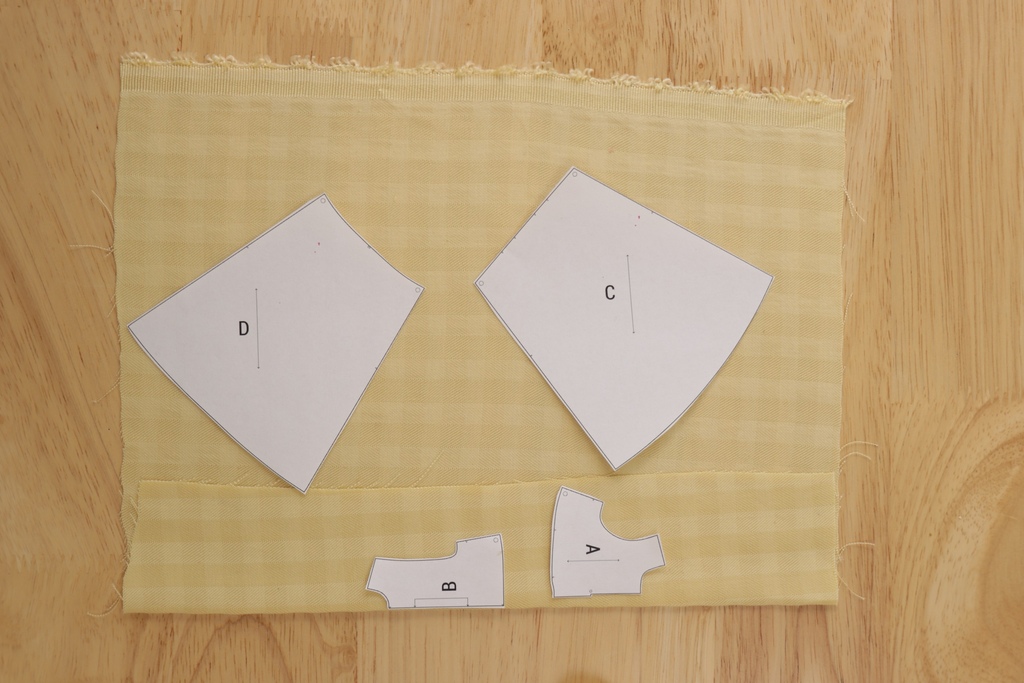
| Gored skirt | Center and side panels join at matching notches. The shaped upper edge is stabilized before further handling. |
| Pleated skirt | Marked folds establish pleat position and direction. Basting across the upper edge holds the pleats before waist attachment. |
For skirts with in-seam pockets, pocket pieces attach to the skirt side edges before the side seam and pocket-bag perimeter are closed. The completed skirt is then attached to the bodice or waistband.
A gathered skirt’s upper edge is reduced to the bodice attachment length. Gathers are distributed between the marked reference points, with side seams and center positions aligned before the waist seam is sewn.

Woven Dress Seams

301 lockstitch joins panels and forms shaping seams.
504 three-thread overedge finishes raw edges.

516 five-thread safety stitch combines a joining seam with an overedge finish.

103 blindstitch secures hems with minimal visible stitching on the garment face.
Concealed Zippers
In a lined dress with a concealed zipper, the zipper tape attaches to the shell opening and the lining is sewn separately along the zipper. The lining attachment leaves clearance around the coil and slider path.
Stitching too close to the coil increases operating resistance. Abrupt thickness changes at overlapping seams increase the risk of zipper damage during sewing.

Bias-Cut Slip Dresses
True-bias panels are cut at 45 degrees to the fabric grain. Single-layer cutting keeps each panel flat during cutting. Neckline and armhole edges receive stabilization before repeated handling, and the panel weight remains supported at the sewing surface. The iron is lifted and repositioned between presses.
The assembled dress hangs to let the fabric settle before the hem is leveled, trimmed and finished. Final length is measured on the settled garment.
Bodice Lining and Straps
On a lined sleeveless dress, shell and lining join around the neckline and armholes. Curved seam allowances are clipped without cutting through the stitching. Understitching secures the neckline seam allowance to the lining side.
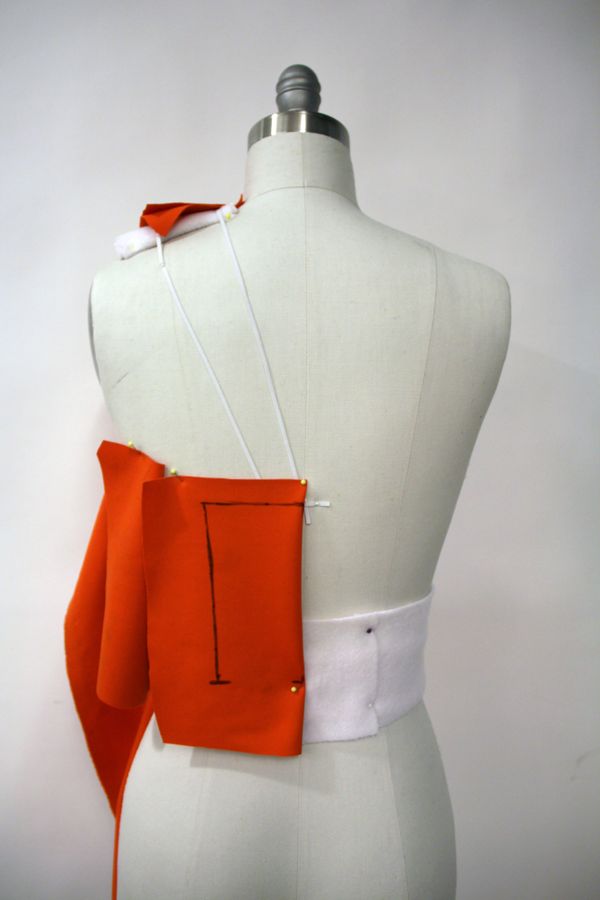
Adjustable sundress straps use fabric straps, rings and sliders. The bodice attachments are secured before the lining encloses them. The adjustable sections are threaded through the hardware and secured.
A lined shirred-back construction can pair woven front lining with a separate knit back lining that accommodates the back panel’s extension.

Wrap Dress Construction
Tie-fastened wrap dresses have overlapping front sections and waist ties. Neckband-finished jersey wraps join a separate band to the front neckline. Gathering the bodice at the shoulder yoke provides bust shaping.
In a lined fixed-wrap construction, the overlapping front sections are secured into the side seams. On versions with side-seam pleats and elasticated edges, the pleats provide shaping and the elastic controls the waist and neckline edges.

Knit Dress Seams

514 four-thread overedge is used for knit-dress seaming.

406 twin-needle coverseam forms two visible needle rows with a looper thread underneath and is used to secure turned knit hems.
Lined fitted knit-dress constructions use the shell fabric or a lighter knit with matching stretch for the lining.
Satin Seam Control

Excessive thread tension gathers a seam as the thread relaxes after sewing. Lowering tension while maintaining a balanced stitch reduces this puckering. Unequal feeding traps different lengths of the two fabric layers in the seam; corrections address presser-foot pressure, feed timing and handling.
On densely woven satin, finer needles and threads and reduced stitch density limit yarn displacement along the stitch line. Shell, lining and reinforcing materials are checked for compatible dimensional change during finishing.
Dress Grading
For a waist-seamed dress, the size chart records finished bodice length and skirt length as separate measurements, with a length grade assigned to each.
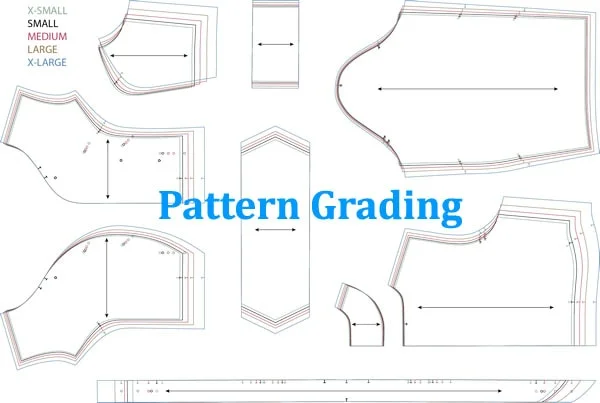
FashionMe’s Made to Order service includes graded dress patterns developed from the customer’s base size. Stock Match dresses retain the existing product’s size range, stated in the quote.
Sampling and Production Release
FashionMe’s cut-and-sew process normally uses one to two sample rounds.
Customers review the sample through photographs or a shipped physical sample.
Bulk cutting starts after sample approval.
Full-package production includes fabric and trim sourcing; cut-make-trim production is available for customers supplying fabric.
Development Costs and Branding
FashionMe lists dress pattern and sample development at $150–$260, billed separately from production.
Its published production range is $9.50–$18 per dress for orders of 300–500 units.
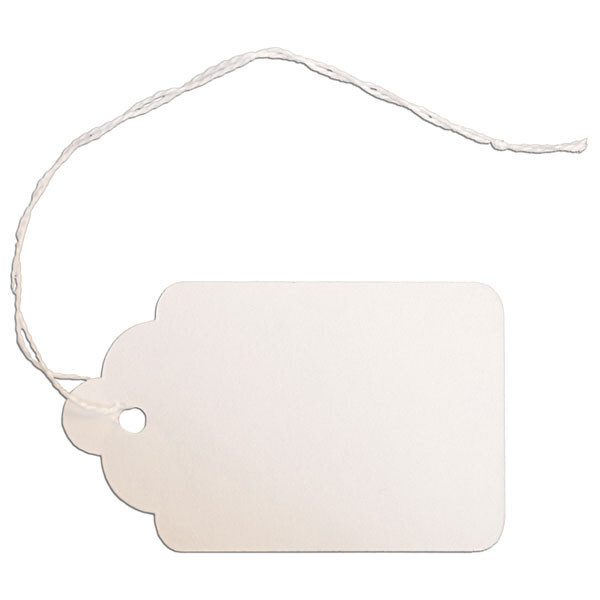
Woven or printed label replacement has a separate minimum of 50 units per style. Custom hang tags are printed and attached before packing. Branded packaging is a separately priced service.
Final Dress Inspection
FashionMe’s dress inspection covers zipper operation, lining seams, dart symmetry, hem drop and size accuracy. Knit dresses also receive fabric-recovery checks.
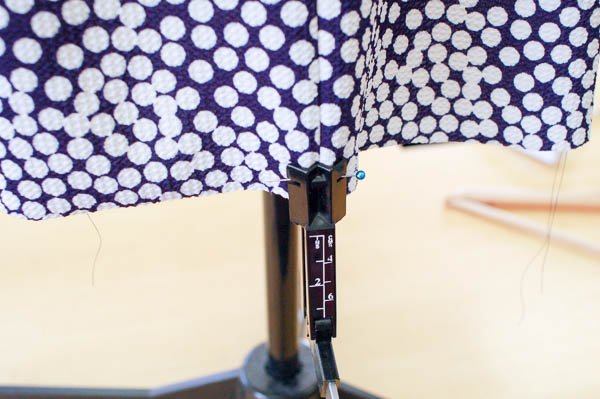
Made to Order includes 100% final inspection. Stock Match uses sample-pull inspection as standard, with full inspection available as an additional service.