Blouses Manufacturing
Blouses are cut and sewn to the specified bust shape, neckline, sleeve volume and finished length. Fitted fronts are shaped with the specified darts or princess seams. Gathered sections are distributed between marked start and stop points.
Front plackets are folded and pressed to width before buttonhole placement. Collars or facings follow the neckline sewing line, and cuffs attach to the prepared sleeve openings. Finished inspection measures the completed blouse and checks collar symmetry, placket alignment, cuff openings, closures and hem balance.
FashionMe offers Stock Match from 10 pieces and Made to Order from 50 pieces.

Production File Release
Front left and right, back, sleeve, cuff, collar or neckline components, facing, yoke, pocket.
Main fabric, contrast fabric, lining where used, fusible interlining, buttons or other closures, sewing thread, labels and packaging.
Each sale size carries target finished measurements and tolerances.
Seam type, placket build, collar or facing build, cuff, hem, buttonhole, decoration and label placement match the approved pre-production sample.
Bulk Fabric Approval
Bulk cutting uses the confirmed fabric article and bulk color. The cutting record carries usable width.
Blouse Pattern Architecture
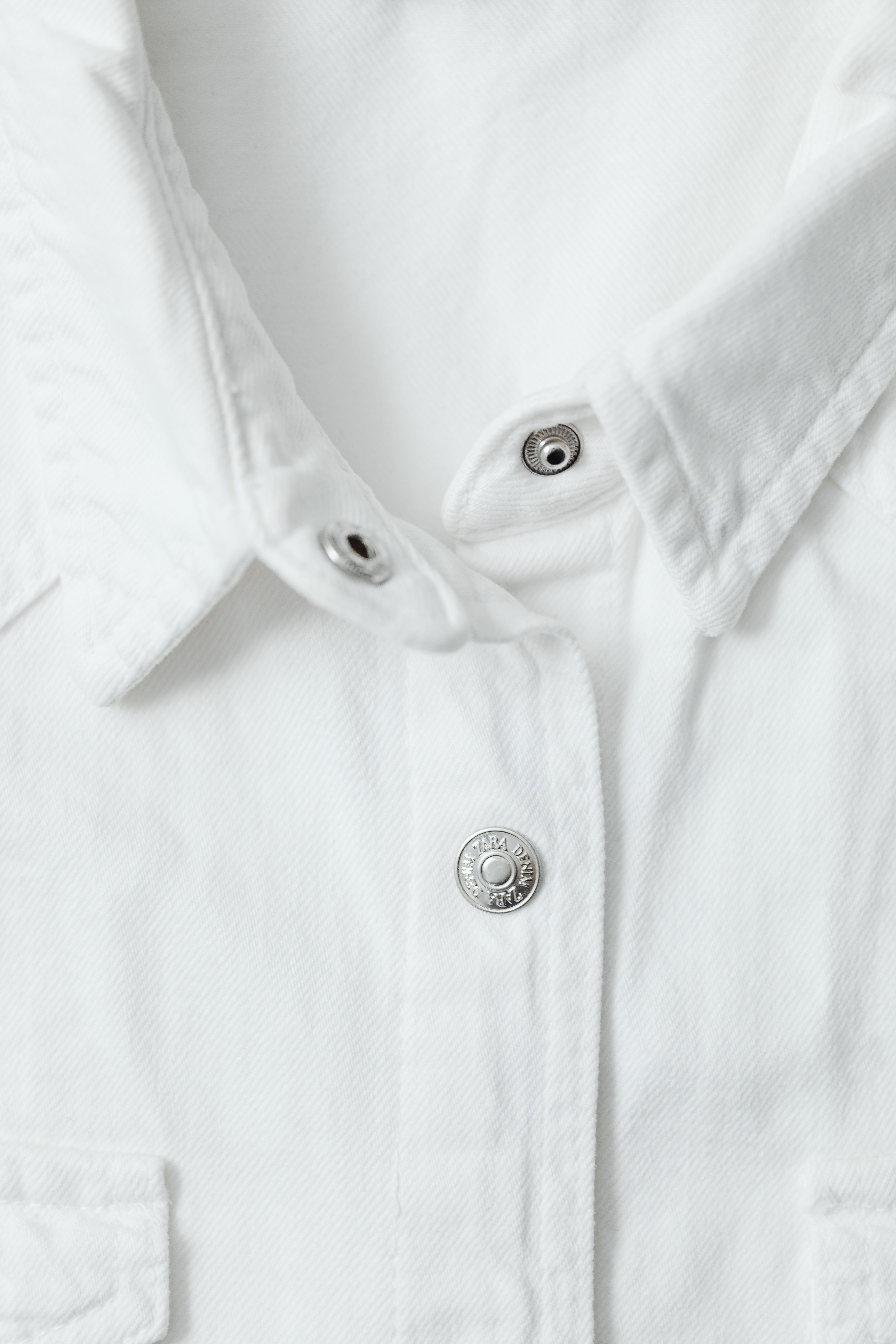
Center Front, Placket and Closures
A button diameter or thickness change reopens the closure check.
Neckline and Collar Release
| Construction | Released component | Bulk control | Reject condition |
|---|---|---|---|
| Collar + stand | Collar, stand and matching blouse neckline | Center back, shoulder references and both front ends align without stretching the neckline. | One collar point is longer, stand ends finish at different heights or the neckline is pulled out of shape. |
| V-neck | Front neckline plus facing, binding or lining | Shoulder-neck points and center-front depth remain on the released geometry. | The V point is cut through, asymmetric or pulled upward after turning. |
| Tie neck | Neckline plus tie pieces or extended neck construction | Ties attach from marked positions and finish to the approved width after turning. | Attachment is shifted to hide an uneven neckline. |
| Band collar | Band plus corresponding neckline | Attachment edge matches the graded neckline at the sewing line. | The band requires forced stretching or leaves the front ends offset. |

Fusible pieces are cut to the released collar, stand, cuff, facing or placket component. Their article and coverage area are fixed before bulk fusing.
Sleeve and Cuff System
Front, back and shoulder references fix orientation.
Placket, pleats or gathers reduce the lower edge.

Sheer Blouse Seam Construction

The cut seam allowance contains the width required to complete the enclosed construction used on the approved sample.
Width, thread appearance and edge stability are approved on the actual sheer fabric.
The pattern carries the allowance needed for the released narrow finish.
Satin Bulk Sewing Setup
- Needle and thread:bulk uses the combination approved on the actual production satin.
- Feed and tension:the completed seam must remain flat after the required pressing operation.
- Pressing:heat and contact method are released for the fabric and fusible combination used by the style.
- Handling:cut and sewn pieces stay off rough surfaces that can pull yarns or mark the face.

Ruffles, Gathers and Pintucks
Size Grading
Bust level and seam matching
Corresponding graded armhole and cuff
Neck opening and front-end alignment
Details
Pockets, button positions and decoration follow assigned size rules
Finished garment references
Marker, Cutting and Bundle Release

Bulk Sewing Sequence
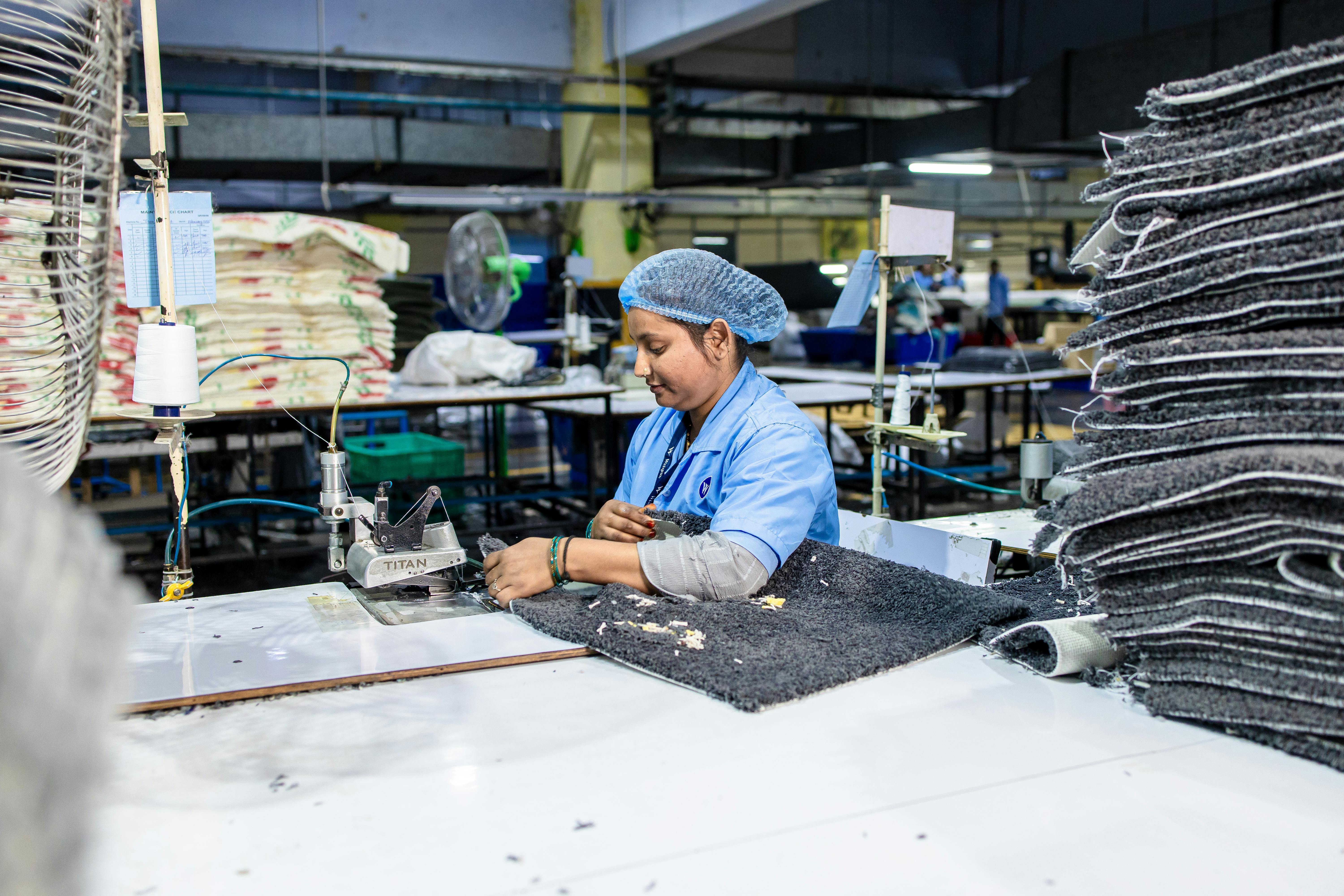
- 01 ShapeComplete darts, princess seams, pleats, pintucks or front shaping required before body assembly.
- 02 FrontBuild plackets and stabilize the front construction before closure positions are finalized.
- 03 NeckJoin shoulder or yoke construction, then attach the released collar, stand, facing, binding or tie system.
- 04 SleevePrepare sleeve openings and lower-sleeve shaping before the cuff closes the edge.
- 05 CloseComplete the assigned body and sleeve seams, hem, buttonholes, buttons, labels and remaining decoration.
- 06 FinishFinal pressing is followed by finished measurement and inspection.
Pressing During Assembly

Finished Measurement Control
A point outside its released tolerance is corrected and measured again.
Final Blouse Inspection
- Twisted placket
- Unequal collar points
- Different cuff depth or overlap
- Misplaced darts, gathers or pintucks
- Uneven hem
- Open seam
- Skipped stitches
- Incorrect sleeve orientation
- Damaged or misplaced buttonhole
- Button position outside the released closure line
- Snags or pulls
- Needle damage
- Press shine or heat mark
- Stain
- Wrong label, size or packing assignment
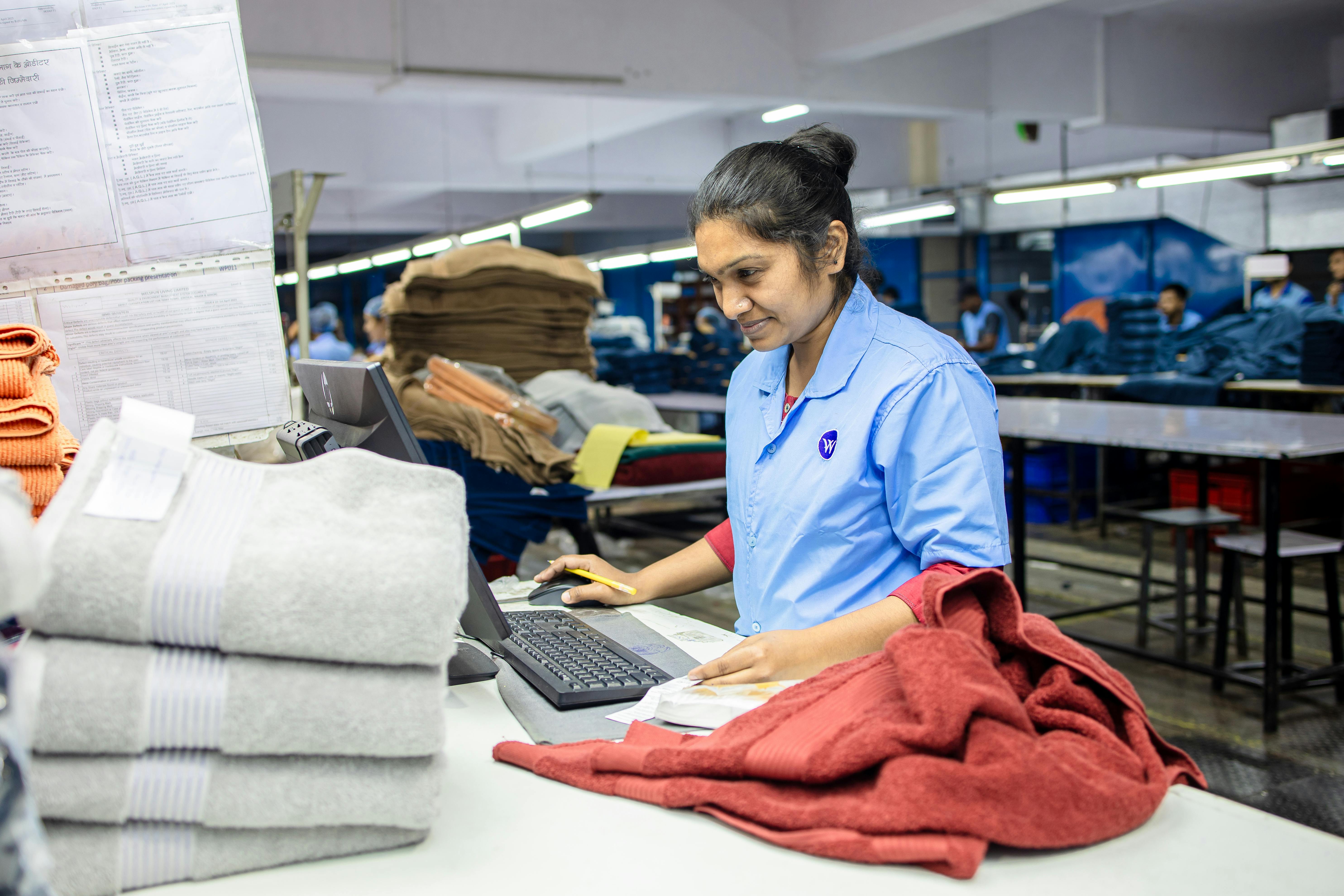
Repairable garments return to inspection after correction. Packing starts after the finished blouse meets the released construction and measurement specification.
Blouse Production Routes
Stock Match Blouses
MOQ 10 piecesAn existing blouse supplies the base pattern, available fabric, construction, colors and size range. Branding changes stay inside the confirmed scope of that existing garment.
Made to Order Blouses
MOQ 50 piecesThe production file can release a new blouse pattern, custom finished measurements, specified fabric, grading, collar or neckline, sleeve, cuff, placket, closures and decorative components.
Blouse-specific sampling and bulk timing is quoted after fabric, trims, construction and required finishing are locked.