Stone Wash Finishing for Custom Apparel
When you order stone-washed jeans, jackets, tees or hoodies, the fade, the soft hand and much of the shrinkage happen in a laundry after the garments have been sewn. Pumice tumbling with the garments in a rotating drum wears fiber and dye off the face of the fabric and off the garment's folds and edges. That is why seams and hems on garment-washed pieces look worn in a way that fabric washed before cutting never does. Jeans washed after sewing reach your customer already shrunk to size and shrink little in later home laundering. Shoppers have paid extra for that broken-in look since pre-washed jeans first appeared.
Stone wash depth
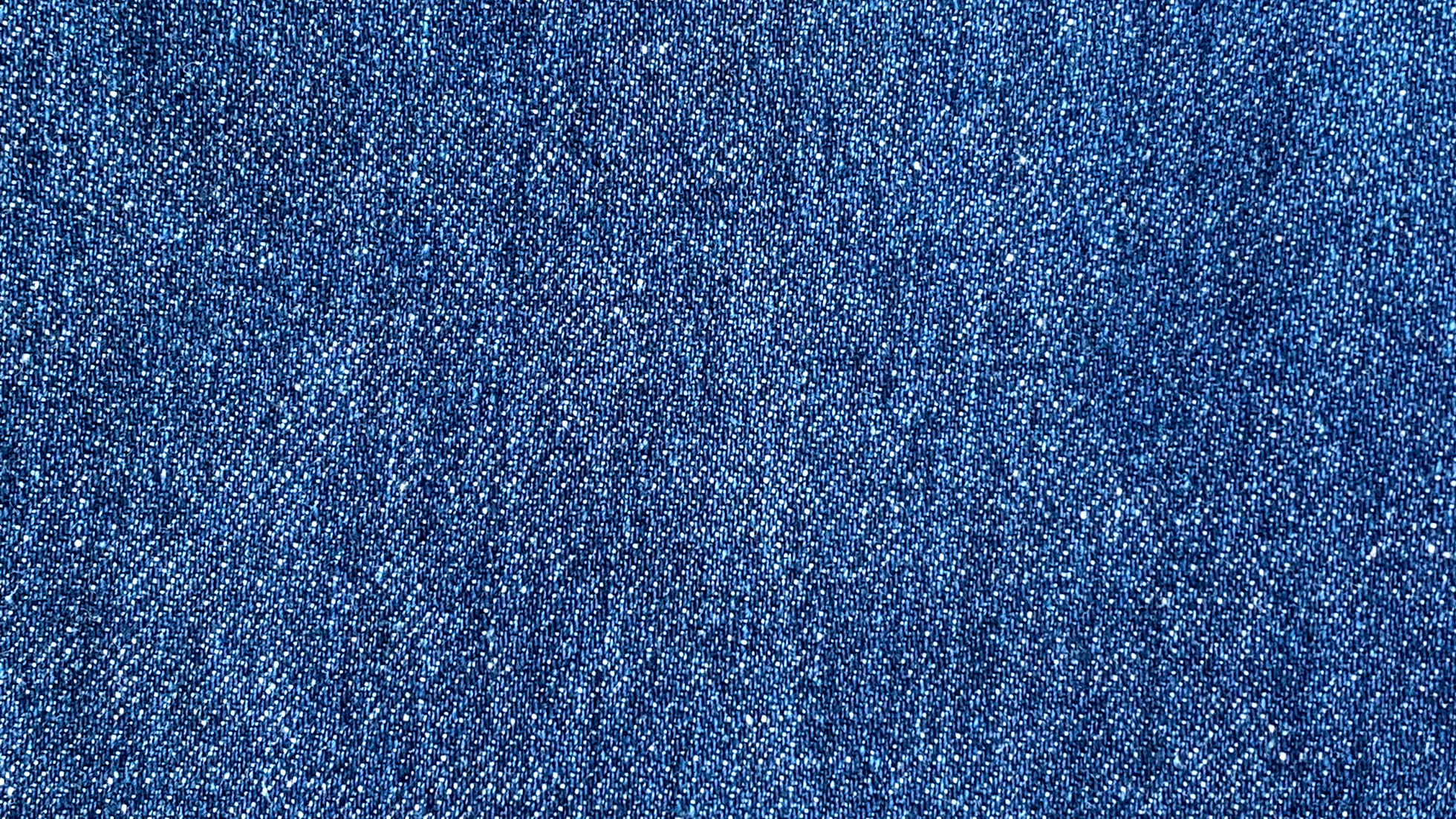
You have to show the laundry how light the finished garment should be before it samples a stone wash. Labels such as light stone and medium stone cover a range of shades, and two suppliers may read one label differently. Send a reference garment in the shade you want. Photos shift with the screen and the lighting they are viewed under. You then approve, per wash shade, one washed garment from the first samples as the standard and two more, one lighter and one darker, as the limits bulk production may not cross. Ask for the sets in duplicate, one for your office and one for your supplier. Judge them only after softening and drying. The brightening bath near the end of the wash changes the contrast between light and dark areas. Have the samples washed in the production fabric. Chemical type and amount are chosen to suit the fiber content and the depth of abrasion you ask for.
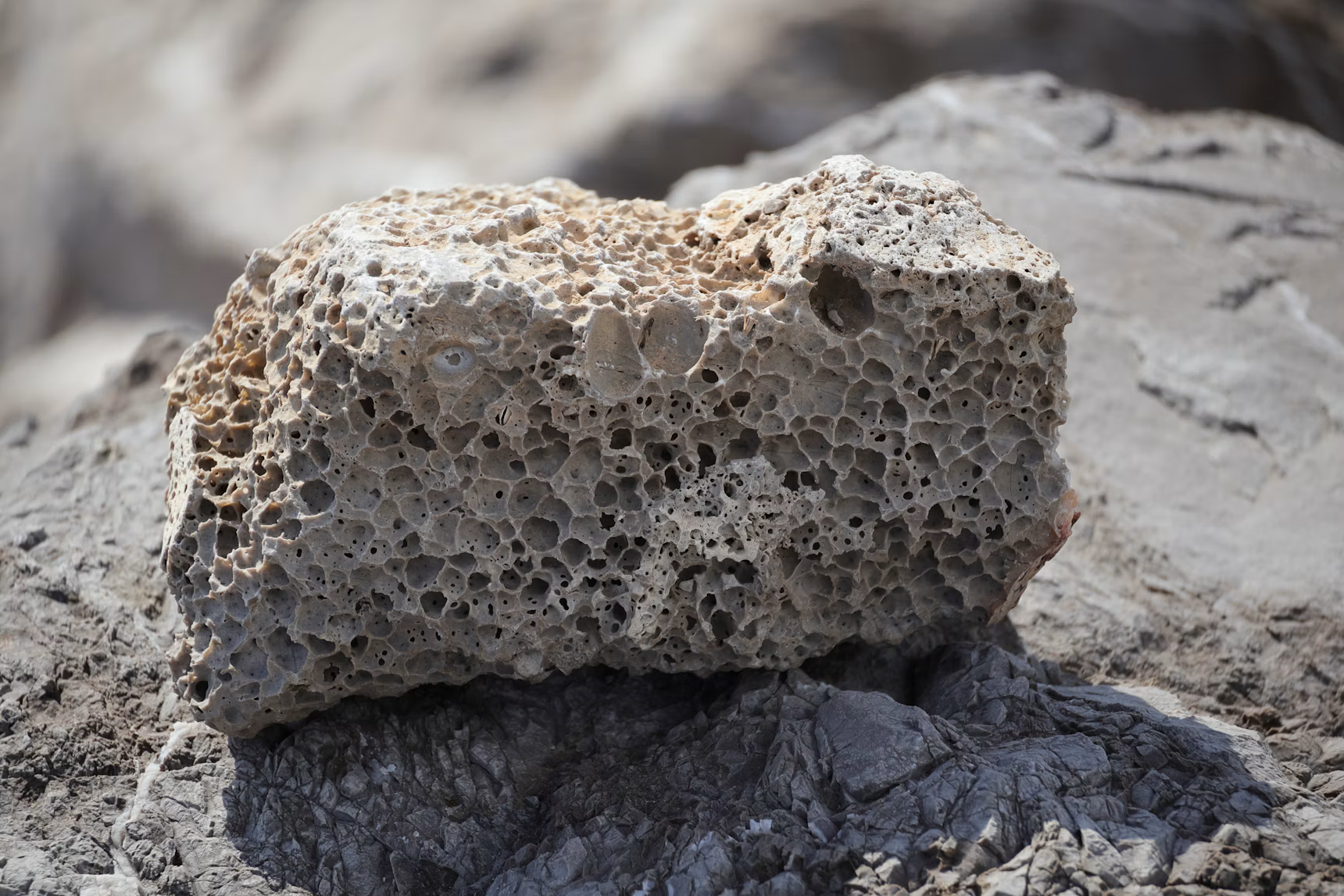
The laundry reaches the approved shade by balancing settings you will not see on a spec sheet. The fade deepens with more stones or longer tumbling and softens with more water in the drum. Rough stones leave a more distressed surface than smooth ones. Dark denim goes through a rinse wash that softens and brightens the fabric with no abrasion step. Without the desize step, which strips the stiff size coating from the warp yarns, the shade stays darker and the hand more rigid. The garments in a standard stone wash tumble for 30 to 90 minutes with between half and three times their weight in stones. Heavily distressed looks can take four to six hours.
Cotton denim trousers of 381 g/m² (11.2 oz/yd²) in a 2016 trial stopped getting paler once the pumice dose passed 50 to 60% of their weight. Their warp strength kept falling and was down as much as 35% at a 70% dose. The researchers named a 30% dose with 2% cellulase as their optimized condition. Color loss at that dose came to 30 to 40% and warp strength loss to 16 to 22%. The washed trousers felt softer than the stiff, unwashed ones. Basics that see hard wear are better served by a shade reached well before that ceiling. You pay for the palest shades in strength out of proportion to the fade they add.
Stone wash method
Pumice is the traditional abrasive, but cellulase enzymes are an option in its place or alongside it. Cellulase removes surface fiber much as pumice does and leaves no stone residue to clean out. More garments fit into the drum when fewer stones take up the space. Some laundries combine stones with enzymes to shorten the process. Agree on the method before sampling, because a switch from pumice to enzymes after approval changes the look of bulk. Pumice gives the uneven, aged surface of a vintage piece. Enzyme washes soften the fabric and bring out highlights. They suit basics where a soft hand and clean pockets matter more than a distressed surface.
Pumice-washed jeans come out of the drum with stones and grit clinging to them. Particles in the pockets are almost impossible to get out completely. Consumers often take a little leftover grit as a sign of a genuine stone wash. The residue is abrasive enough to damage a washer, though, and the next one the jeans go into may be your customer's. Laundries clear it in a de-stoning machine, which spins it out with little labor, or by hand at much higher cost. You decide in the purchase order how clean the garments must be when they ship.
Synthetic eco-stones with an abrasive surface shed less grit than pumice and last longer. Drums with a lining that feels like sandpaper produce the look of a stone wash with no stones at all. Water and power use drop with either change. You get a specific process to name if you market a line on water use.
Stone wash fabrics
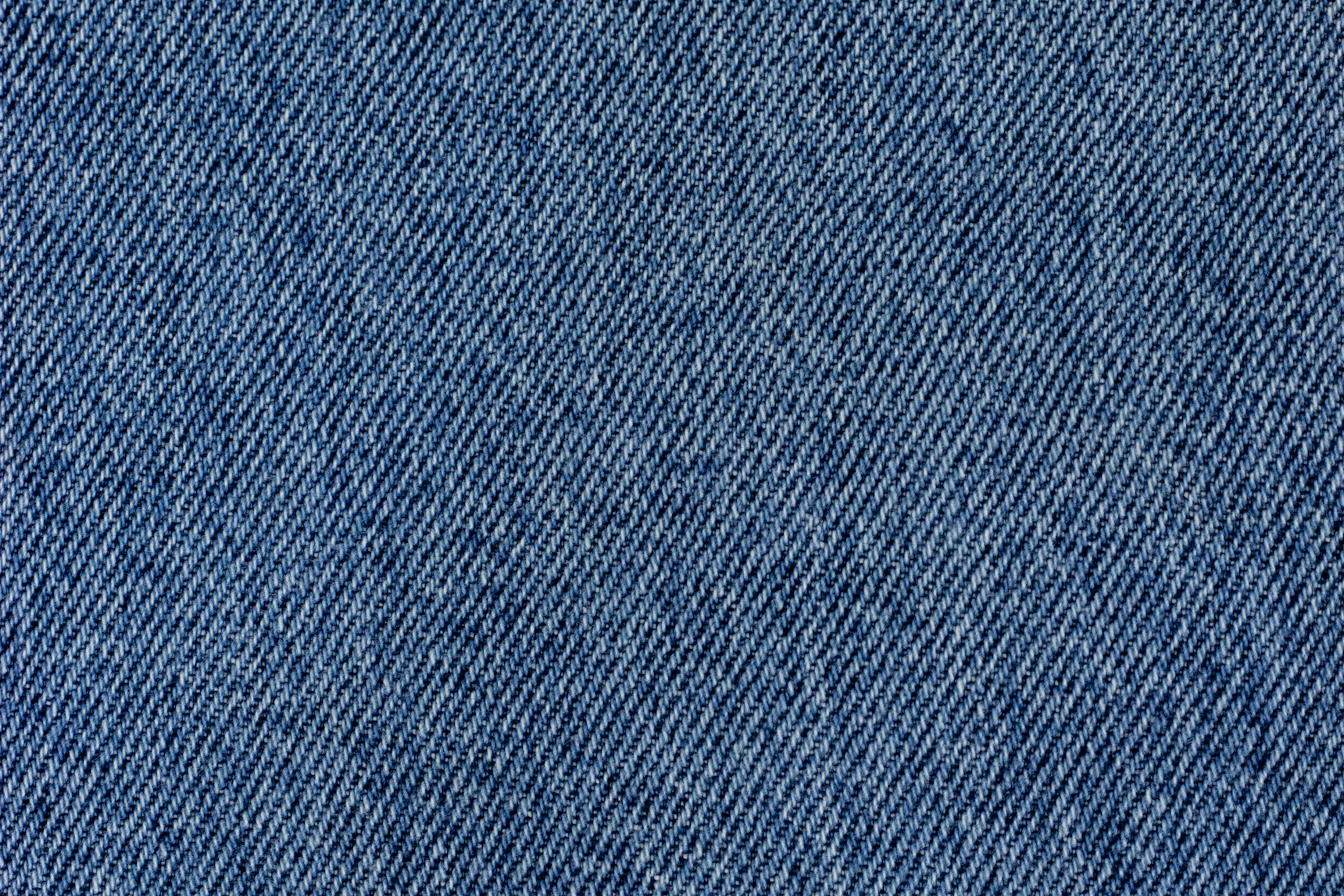
Denim for jeans and jackets fades the way buyers expect because the stones wear indigo off the warp yarns and expose their white core. Jackets have more collar edges and cuffs for the grit to cut into than jeans do. Approve a washed jacket sample separately, even when the jacket is cut from the jeans fabric. Indigo knocked loose in the wash can settle back onto the white weft and gray the contrast. Laundries limit this backstaining with anti-backstaining agents and by keeping the machine below full load.
Tees, sweatshirts and hoodies can go through a stone wash like the wide range of knit apparel that already reaches stores garment washed. The gentlest option, a plain garment wash with no stones, is about comfort and softness. The garments tumble for 20 to 60 minutes at 60 °C (140 °F). Cellulase with few stones or none adds a washed-down surface with less abrasion than a stone dose. The full stone wash gives the most worn look. Rib cuffs, hem bands and hood edges are the edges and folds the grit cuts into on a hoodie. Send the washed knit sample for a bursting strength test before you approve visible wear on a light jersey. If a soft hand matters more to you than a deep fade, the first two options are the safer order.
State on your spec sheet whether the fabric weight refers to the fabric before or after the wash. The denim in the 2016 trial lost 3.4 to 4.2% of its weight per square meter at the 30% dose. The fabric has to start heavier if your product listing promises 407 g/m² (12 oz/yd²) denim after the wash. Put two further items in the purchase order for stone-washed goods: a strength minimum measured on washed garments and a wet crocking grade for the dye that rubs off onto other fabric. Your customer gets the garment after the wash has removed fiber and dye.
Print timing
For a logo or graphic that has to look crisp and land at a set size, print after the wash. The garment has stopped shrinking by then and will not meet the stones again. Any delay at the printer then lands directly on your ship date. The print will look newer than the faded fabric around it. Neck prints and small brand marks fall in this group even on a vintage style.
Print before the wash only when you want the graphic to wear with the garment. The stones cut into whatever sits on the fabric surface and into the edges and folds of the garment. Keep a pre-wash print clear of seams and fold lines. The print then shrinks with the garment. Enlarge the artwork by the shrinkage measured on a washed sample of that fabric. You see how the print will wear only after a printed garment has been through the laundry's actual stone wash.
Wear on a pre-wash print varies from piece to piece in the way the fade does. Pick the most worn print you will accept from the washed samples and keep it beside the shade standard. Bulk garments with more print loss than that sample count as rejects, and the printer and the laundry see that line before production starts.
Size allowance
Five factory orders of jeans that researchers measured in a 2026 study shrank 3.6 to 6.4% along the outseam after washing and finishing. Hems shrank 1.3 to 2.6% around the leg opening and waistbands 0.2 to 2.2%. The orders differed in fabric and in their wash and finishing steps. Three of them used denim with a 4% elastane weft. Brushing was the only tested factor without a significant effect on shrinkage. Fabric type and the wash and finishing steps all had one. The spread is wide enough that the allowance for your style has to come from a washed sample in your production fabric and wash recipe.
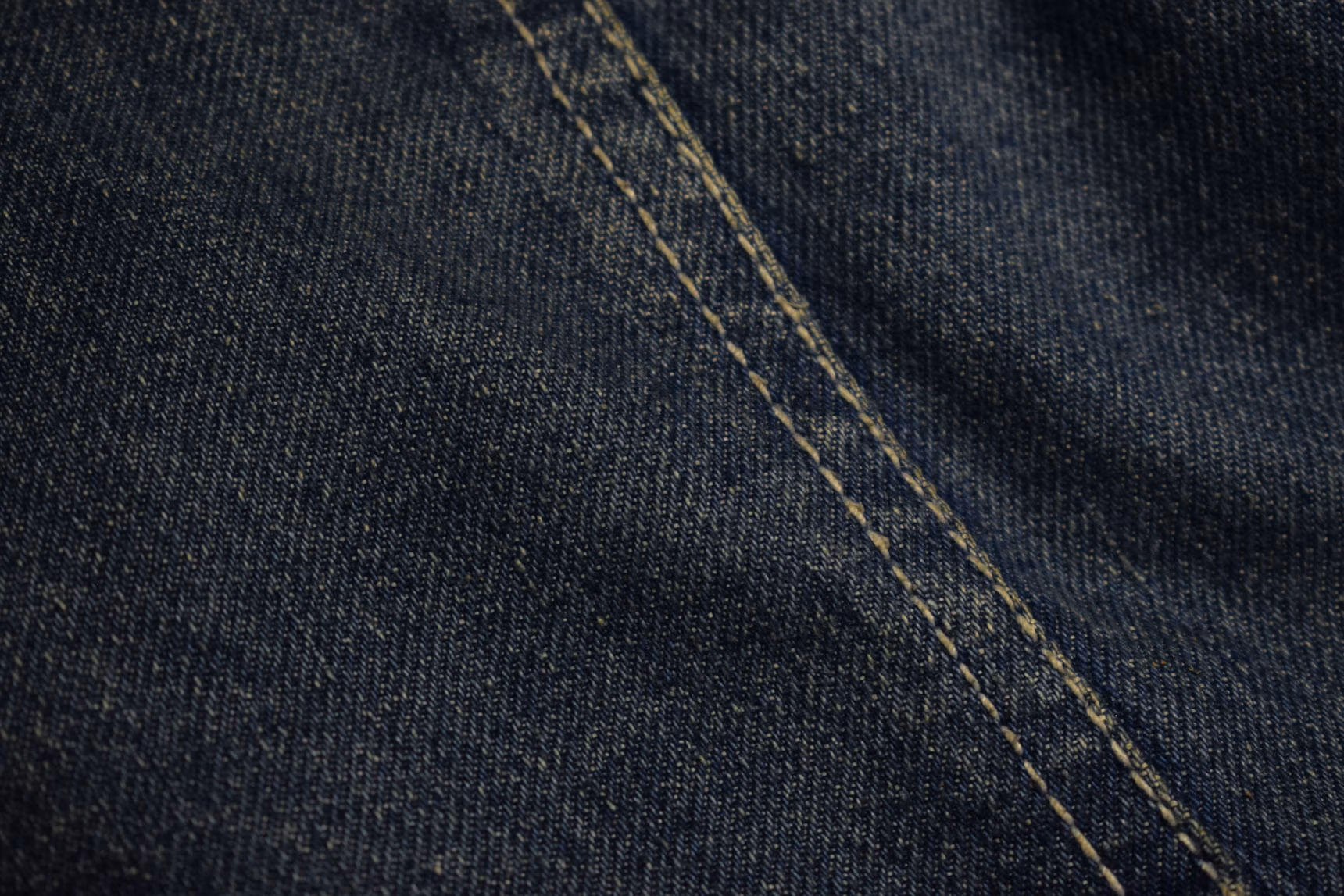
Length gets a larger allowance than waist and hem because the outseam, measured along the warp, shrank more than hems and waistbands measured across the weft. An outseam cut at 110.6 cm (43.5 in) finishes at 104 cm (41 in) after 6% shrinkage. The measurements in your size chart are finished, washed measurements, and the factory enlarges its patterns to reach them. You check the first washed garment against that chart before the remaining sizes are cut. The factory corrects the patterns before it cuts bulk when the first garment misses the chart. Tees and hoodies need this check on a washed sample of their knit.
The garments shrink a little further in home laundering after sale. Put a limit on residual shrinkage in your purchase order for length and width, together with the test method the lab will use. Have it tested on garments taken from bulk production after the full recipe. Since jeans washed after sewing shrink little at home, you have room to ask for a tight limit.
Shade consistency
Expect loads washed to one recipe to drift in shade because worn pumice abrades less than fresh stones. Ask for jeans with pressed creases to be turned inside out in the drum. Unwanted abrasion streaks then stay off the face. The laundry has to hold the stone dose and the load size steady from load to load.
Bulk garments that fall between your lighter and darker limit samples pass when you compare them side by side under one light. Garments lighter than the light limit cannot be stone washed back to a darker shade. A tint or an overdye is the only way to darken them. Dark outliers go back for more abrasion. Ask the laundry to sort washed garments by shade so that one shipment comes from one group. Tell shoppers on the product page that stone-washed shades vary from piece to piece. One garment kept from the approved lot remains your standard for reorders, whichever laundry washes them. Reorders months later get their recipe rebuilt against that garment, because the stones in the drum will have changed.
Laundry planning
Laundries stone wash garments in machine loads whose size depends mostly on the machine. An 80 kg (176 lb) load in the 2026 study held an estimated 140 pairs of jeans. Loads go by weight, and a drum that holds 140 pairs of jeans holds far more tees. Since one load goes through one recipe, a colorway of 60 pairs uses a full cycle for less than half a load. The laundry then either charges for the unused space or waits until other work on that recipe fills the drum. Ask how part loads are handled before you split a style into extra colorways. You pay for small colorways in money or time. Colorways that share a wash shade go into one load together.
The time your garments spend at the laundry grows with the depth of the fade and with the steps added around the main wash. Bleach, resin and local sprays add baths and drying that the garments go through one load at a time. No bulk load goes in before you approve the standard and its limit samples. Another round of washed samples adds a wash cycle plus shipping time before bulk starts. Bulk slips day for day with any delay in your approval. You judge a quoted lead time against the steps in the recipe behind it.
You pay for the wash through the stones, water, chemicals and machine time your recipe uses. The pumice and water in a typical one-hour stone wash come to 113 kg (250 lb) and 530 L (140 gal) for 45 kg (100 lb) of jeans. Pumice sludge clogs drains, and the stones wear the inside of the drum. Enzymes are moderately expensive. You keep cost and lead time down with moderate fades in large colorways.
Sources
- Cotton Incorporated, "Denim Wet Finishing," CottonWorks (undated, accessed 2026)
- Cotton Incorporated, "Garment Washing Techniques for Cotton Apparel," Technical Bulletin TRI 3005 (2000)
- Mondal, M. I. H., M. M. R. Khan, and M. F. Ahmed, "Physico-Mechanical Properties of Finished Denim Garment by Stone-Enzymatic Treatment," Journal of Textile and Apparel, Technology and Management 10, no. 1 (2016)
- Khedher, F., and B. Jaouachi, "A General Linear Model to Evaluate the Shrinkage of Manufactured Denim Pants," Indian Journal of Fibre & Textile Research 51, no. 1 (2026)
- FashionUnited, "Denim for Dummies (2): Everything You Need to Know About Washing and Finishing" (2019)