What Is Private Label Apparel?
Private label apparel is clothing manufactured for sale under the buyer’s own brand. A project can begin with garments that are already made, with a factory pattern that needs changes, or with a new specification that still has to go through pattern development and sampling.
The label sewn into the neck is only one part of the job. The factory also has to know what garment body is being used, which measurements matter, what fabric belongs in the order, how the artwork is applied, how the size range is built and how the finished units will be packed and inspected.
A ten-piece relabeling order and a custom 420 gsm hoodie developed from a tech pack can both sit under the private-label category. The production work behind them is very different.
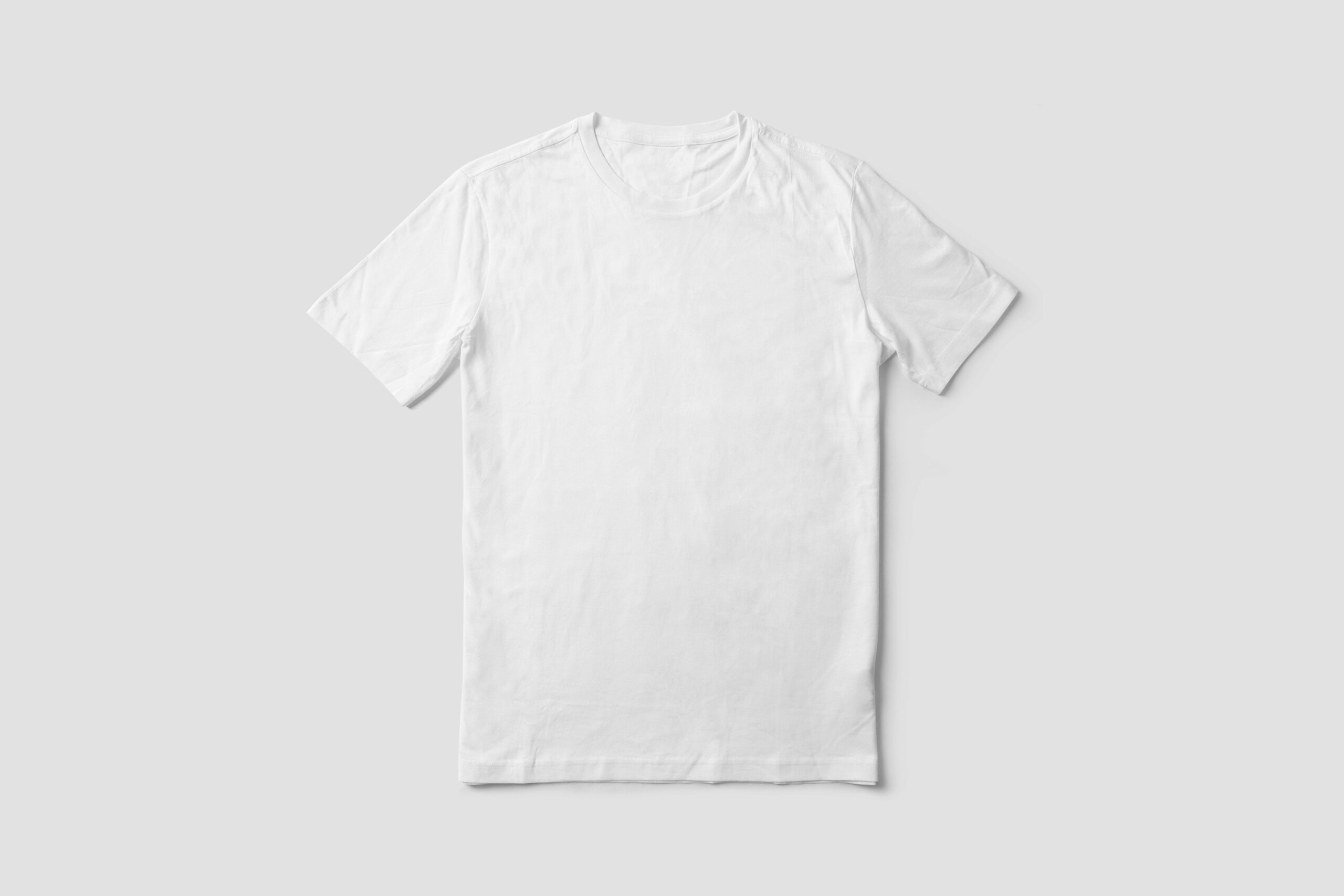
Where Private Label Production Can Start
| Starting point | What exists at the beginning | Typical work still required |
|---|---|---|
| Finished stock | Complete garment | Relabeling, decoration, packing |
| Existing factory style | Tested pattern and construction | Selected fit, fabric or trim changes |
| Pattern base | Basic garment block | Sampling, sourcing, fit correction |
| New development | Reference, sketch or tech pack | Pattern, samples, grading, sourcing and production setup |
The quoted scope should show which of these starting points the factory is using.
A Stock T-Shirt Order Is Mostly Sourcing, Branding and Finishing
FashionMe’s current private-label T-shirt program starts at 10 units. The stock range it publishes covers approximately 180–240 gsm ringspun or combed cotton tees, with classic, oversized boxy, cropped and heavyweight bodies available according to current stock. The published turnaround for this route is 7–10 days.
The first production decision is the garment body itself.
Suppose the brand wants a heavyweight oversized black tee. The sourcing team has to find an available style with the right chest width, shoulder position, body length, sleeve shape and neckline. A product page saying “oversized” cannot settle those points because different suppliers can use very different dimensions under the same fit name.
If the selected size M already measures 64 cm across the chest, 58 cm across the shoulders and has the intended body length, there may be no reason to alter the pattern. The factory can move into branding work using the finished garment that is already available.
FashionMe currently handles woven labels, printed labels, screen printing, DTF, hangtags and branded packing within this type of order. Its private-label service states that relabeling adds approximately 1–2 days.
Stock also determines the first color and size assortment. A body that is available in black and navy from S through XL can be ordered from that inventory. A requested shade that does not exist has to be developed through another production route because there is no fabric in that color waiting to be cut.
Fit Has to Be Measured
A size-M T-shirt with a 58 cm half chest, 52 cm shoulder and 73 cm body length will sit differently from a size M measuring 65 cm across the chest, 59 cm at the shoulder and 68 cm in length.
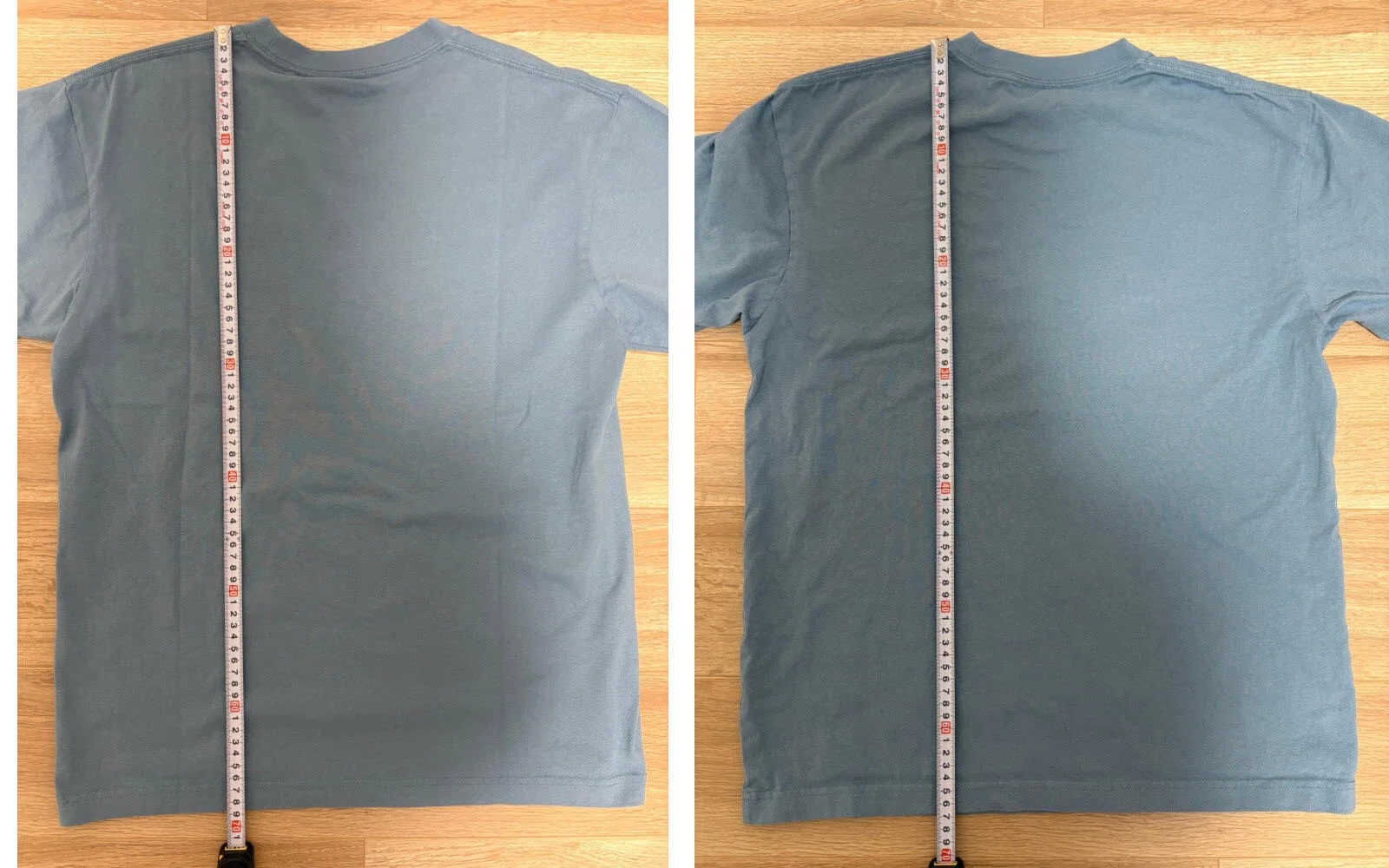
The factory therefore needs the actual points of measure. T-shirts commonly use chest, shoulder, body length, sleeve length, sleeve opening and neck opening. Hoodies add hood dimensions, cuffs and hem rib. Pants bring in waist, hip, front rise, back rise, thigh, knee, inseam and leg opening.
The measurement method has to remain consistent during sampling and inspection. A pant rise measured along the crotch seam can change on paper if someone pulls the seam into another shape during measurement.
When a Hoodie Stops Being a Stock Product
An existing hoodie can be close enough to use as a starting point and still require real pattern work.
Assume the factory’s current size M measures 62 cm across the chest. The brand wants 68 cm, a deeper dropped shoulder, a shorter body and fleece close to 420 gsm.
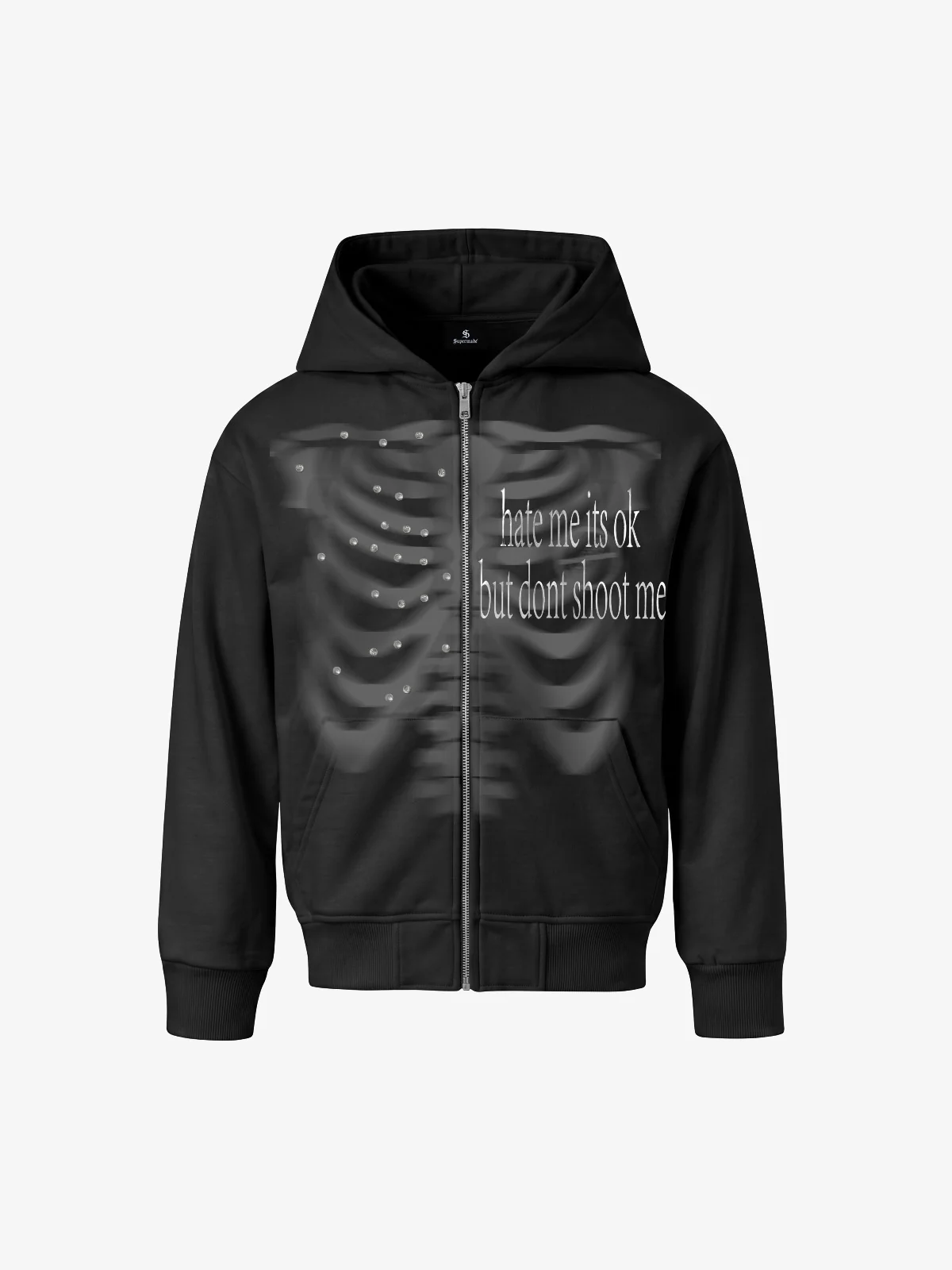
The body pattern now needs more width. The shoulder seam moves farther down the arm, which changes the relationship between the armhole and sleeve. Sleeve length needs another check on the revised sample because the visible drop has changed even if the sleeve seam itself has moved very little.
The material gives the sample room another variable. FashionMe’s current custom hoodie program works with roughly 350–500 gsm fleece, including loopback and brushed constructions in cotton and cotton-polyester blends. A dense 420 gsm brushed fleece has enough mass to influence the hood, neckline, shoulder and hem.
Rib tension can also change the final shape. A wide body joined to a tight hem rib may pull inward at the bottom more than the brand expects from the flat drawing.
The sample makes these interactions visible.
If the target chest is 68 cm and the finished sample measures 65.5 cm, the development team has a 2.5 cm discrepancy to check against the pattern, seam allowance and sewing result. That is a usable correction. “Make the hoodie more oversized” leaves too much open.
FashionMe’s Current Made-to-Order Numbers
FashionMe currently starts Made to Order and cut-and-sew production at 50 units. Its published sampling window is 7–12 days with one to two revision rounds included, and the production window is listed at 15–20 days once the garment reaches bulk production.
Pattern development and grading are included in the current cut-and-sew program. Full-package production can also cover fabric and trim sourcing, and CMT is available when the buyer supplies material.
These figures describe FashionMe’s present production setup.
Fabric and MOQ Are Often Linked
An apparel factory may be able to sew 50 garments easily. The material required for those garments can create a larger quantity requirement before sewing begins.
Take a heavyweight hoodie using around 1.8 kg of fleece and rib per piece. Fifty units consume roughly 90 kg before normal cutting loss and production allowance are added. If the selected mill requires a larger custom-dye run, the fabric order has to follow the mill’s production quantity.
That problem disappears when the required fabric already exists in stock because there is no new dye lot to commission.
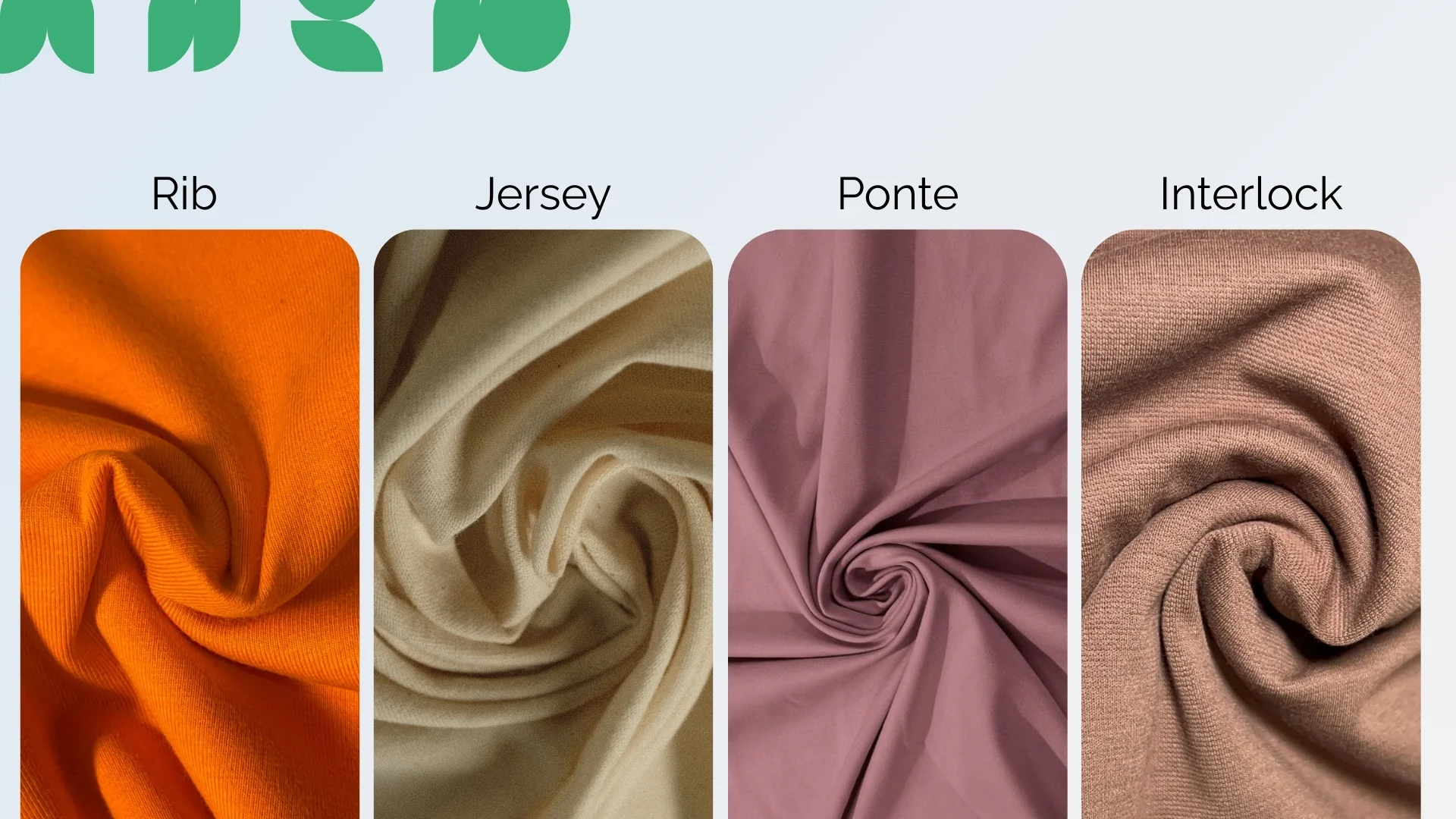
Fabric specifications also need more than fiber content. “100% cotton” leaves the weight, knit construction, surface and shrinkage undefined. A description such as 220 gsm combed cotton single jersey gives the sourcing team much more to work with.
Sweatshirt fabrics require the reverse construction to be identified. French terry carries visible loops on the reverse. Brushed fleece has a raised inner surface produced during finishing. Cuff and hem rib may use another knit construction and another fiber blend so it can recover after stretching.
Stretch apparel needs actual fabric behavior recorded. An 80% nylon / 20% elastane fabric can have very different extension and recovery depending on yarn, knit density and finishing. The composition label cannot supply those values.
Shrinkage has to be considered before the bulk pattern is locked. A fabric that shortens after the intended wash can change body length, sleeve length, rise and inseam.
Trims introduce their own sourcing quantities. Custom zipper pulls, molded cord ends, special elastic, woven labels and printed packaging may come from separate suppliers. Their minimums can appear inside an order whose sewing MOQ is only 50 units.
Color splitting also needs to be written explicitly on the quotation. A factory stating “MOQ 50” has not necessarily promised that five custom colors can be produced as ten pieces each.
Custom Color Lives in the Fabric Specification
A brand-specific color is developed before the cutting room starts work.
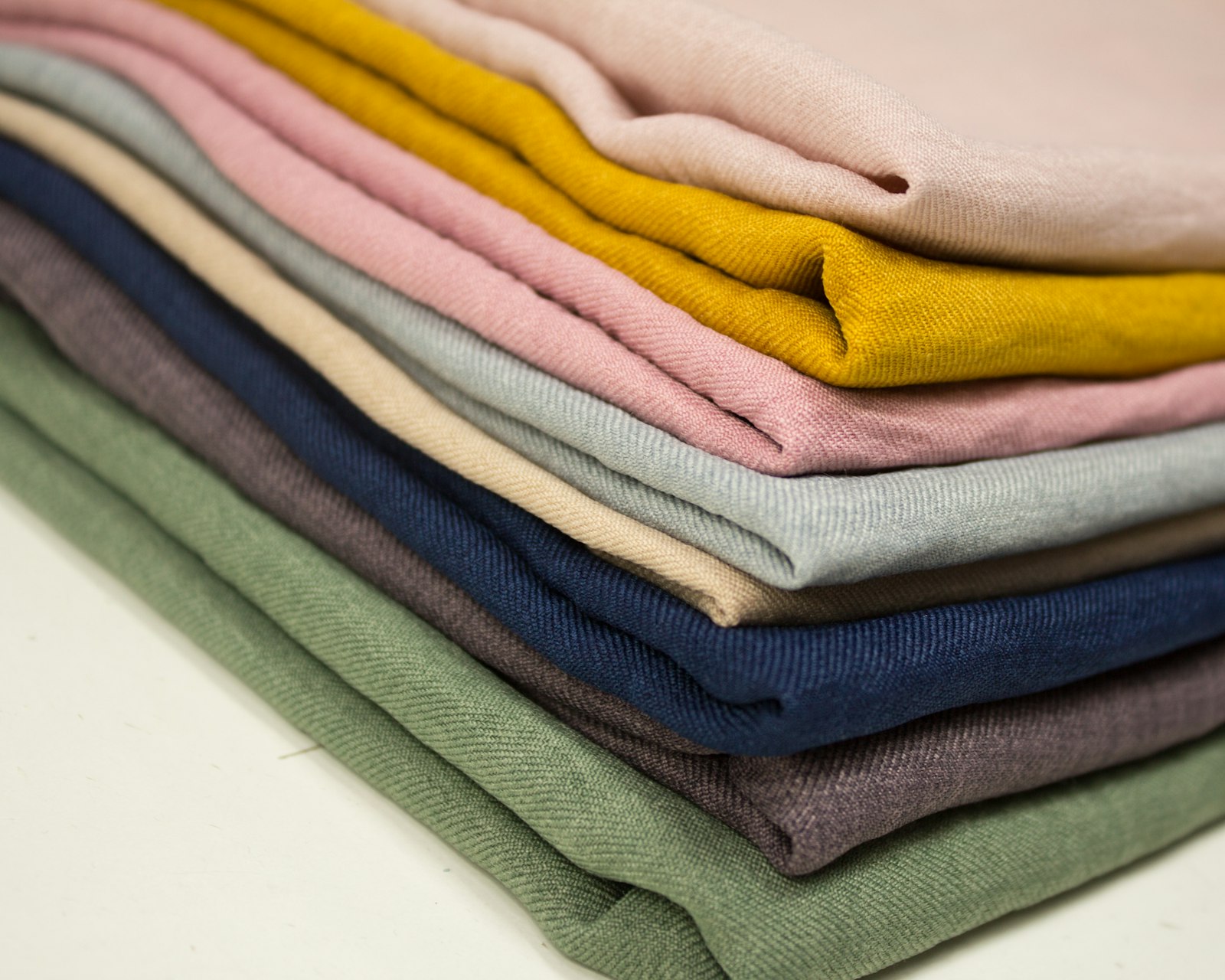
The accepted shade needs to stay connected to the exact material used for production. Hoodies make this noticeable because fleece and rib have different surfaces, so they may not read as exactly the same color under every light even when they were produced toward the same reference.
Matching hoodies and sweatpants need their material article and color information recorded for reorders. A later production run sourced from an unrelated fabric lot can produce a visible shade change across the set.
Labels Become Sewing Components
A neck label eventually reaches the factory as a physical piece of material, so the sewing team needs its finished dimensions, fold type and placement.
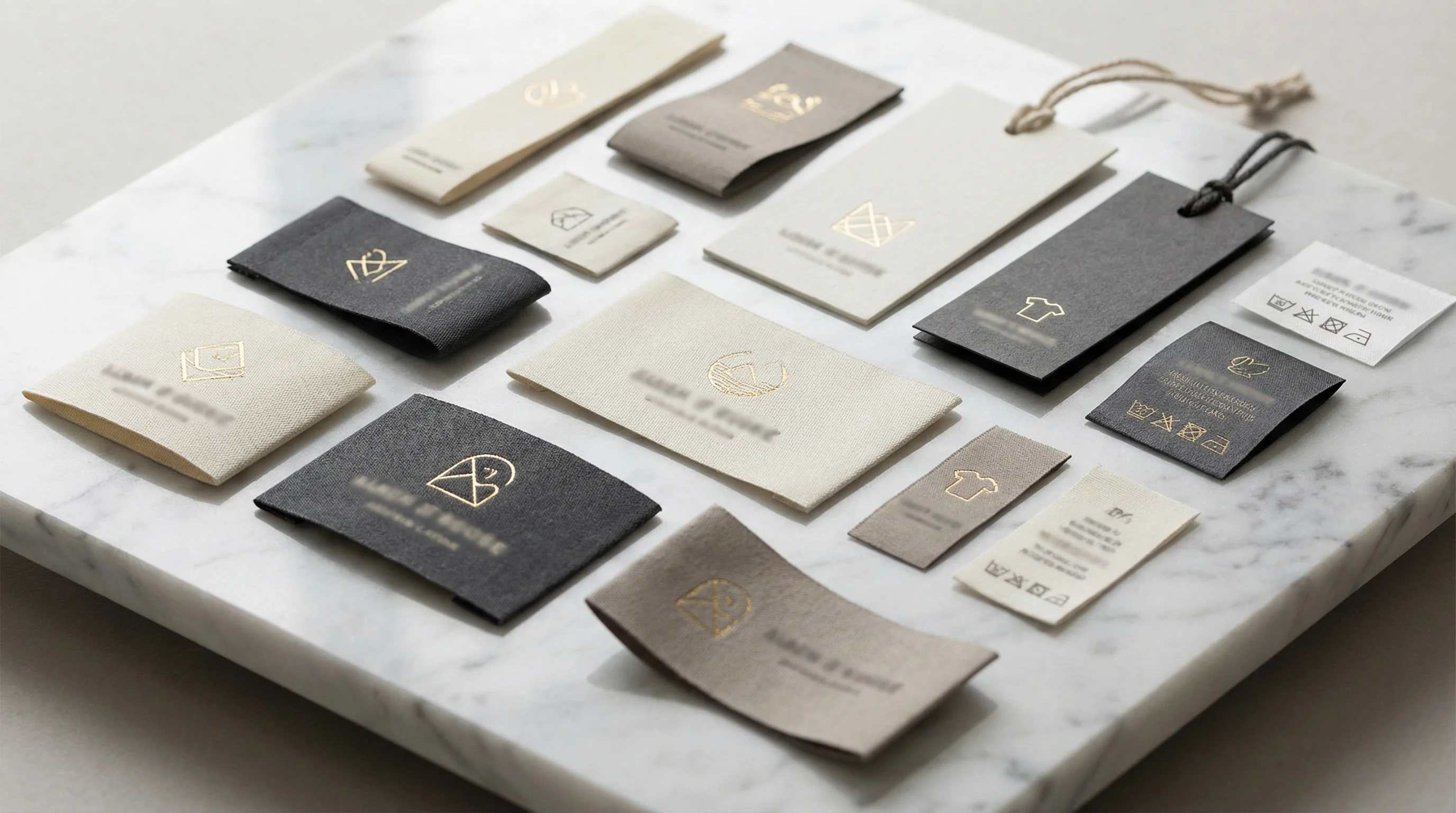
A 60 × 25 mm center-fold woven label can be caught into a neckline seam. A straight-cut label placed flat against the inside back neck requires another sewing operation.
Small lettering can lose clarity during weaving once a large logo is reduced to label size. The artwork should therefore be reviewed at the dimensions that will actually be produced.
FashionMe’s current private-label service supports woven labels, printed labels, hangtags, polybags, branded boxes and sticker seals. The destination market also determines the fiber-content, care and country-of-origin information that needs to be prepared for the applicable garment labels.
Sampling Is Where the Garment Becomes Specific
The first sample does not need to answer every question in the project at once.
A development sample may be concerned mainly with body shape. Chest width, shoulder position, sleeve drop, body length, hood volume or pant rise can be checked while final packaging is still irrelevant. If the intended custom fabric is still being developed, an available material may sometimes be used for early pattern work, provided that the substitution is recorded and the fit is reviewed again when the final material can affect the result.
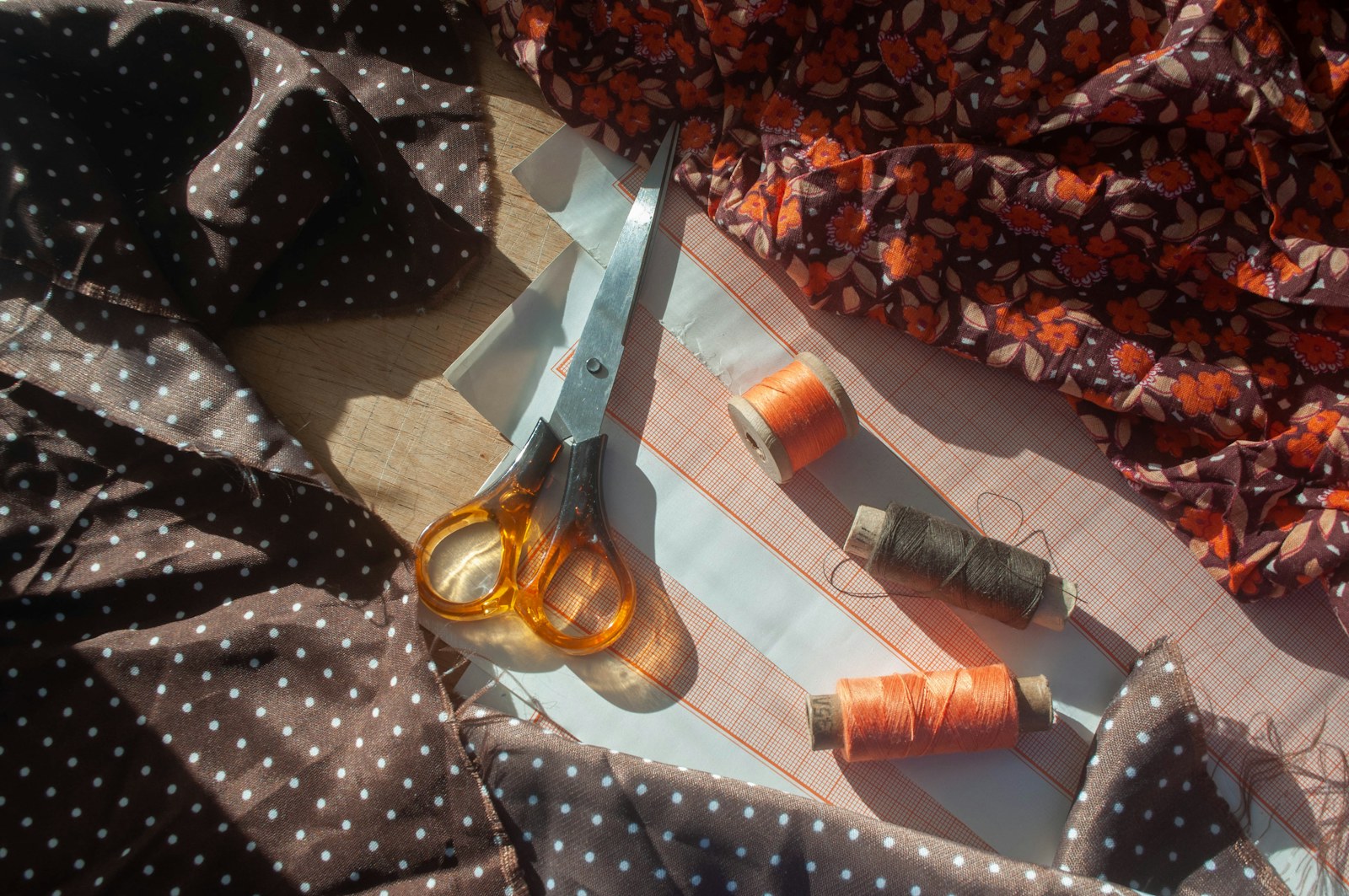
Comments from that fitting should go back to the pattern room in measurable form.
If the required chest is 68 cm and the sample measures 65.5 cm, the team can trace the 2.5 cm difference. If the shoulder needs to move 2 cm farther down the arm, that correction can be entered directly into the next pattern. Sleeve length can then be checked again on the revised body.
The second sample does not simply repeat the first. It carries the corrections that were made after the fitting, so the review can focus on what changed and whether any new issue appeared.
As the project approaches bulk production, the sample has to become much closer to the garment that will actually be reproduced. The intended material, major trims, label positions, artwork size and construction details need to be present in that reference.
FashionMe currently includes one to two revision rounds inside its 7–12 day cut-and-sew sampling schedule.
Grading begins once the base pattern is established. Chest, shoulder, sleeve, body length and neckline each receive their own grade values. Pants require additional work through the waist, hip, rise and leg.
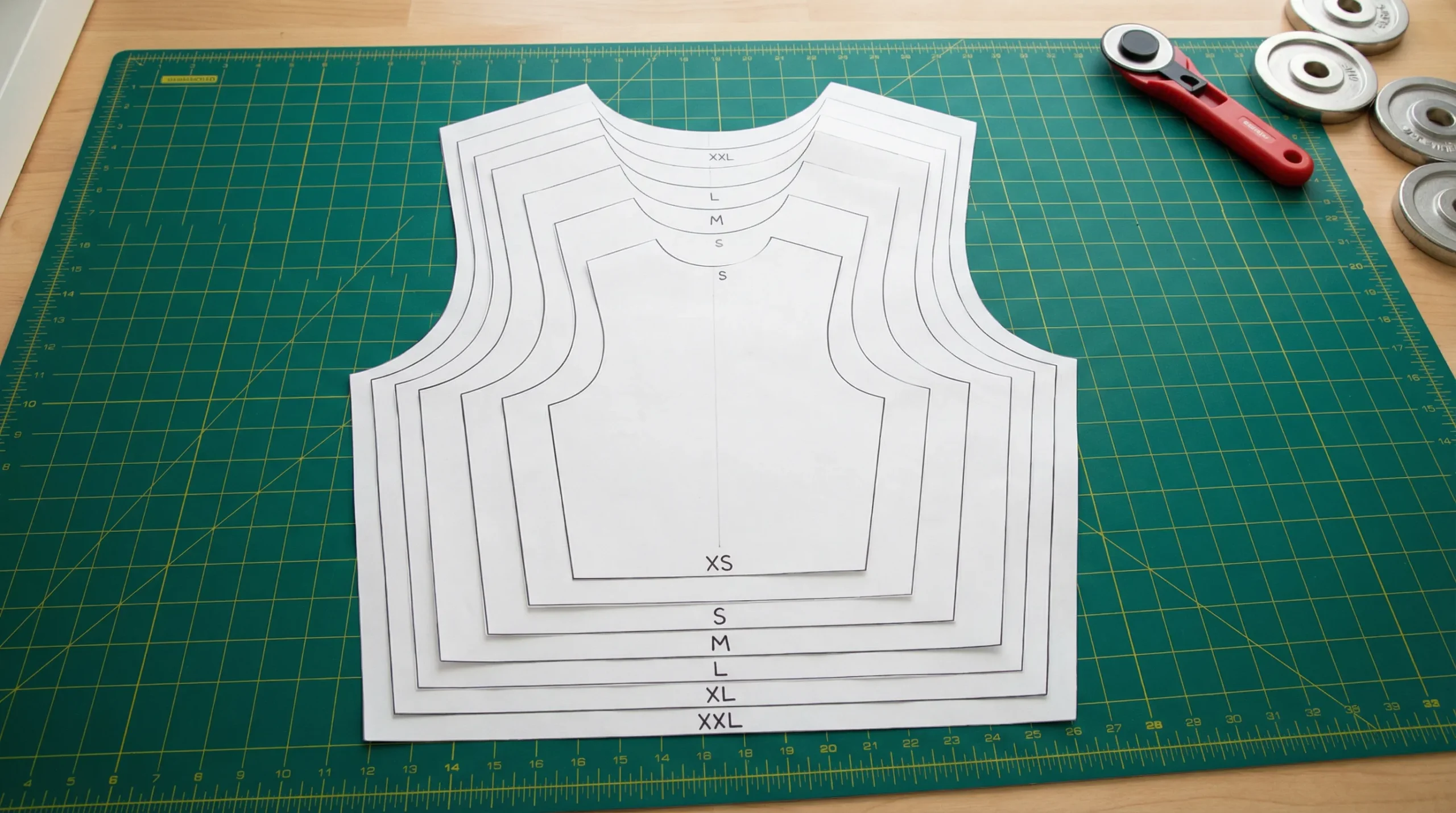
A wide shoulder that looks correct in size M can become excessive in XL if too much width is added at each size step. A size set gives the team a physical way to catch that before the full bulk run is cut.
Five Colors and Six Sizes Create 30 SKUs
A single garment offered in five colors and six sizes produces 30 color-size combinations. Add a second graphic treatment and the count reaches 60 variants.
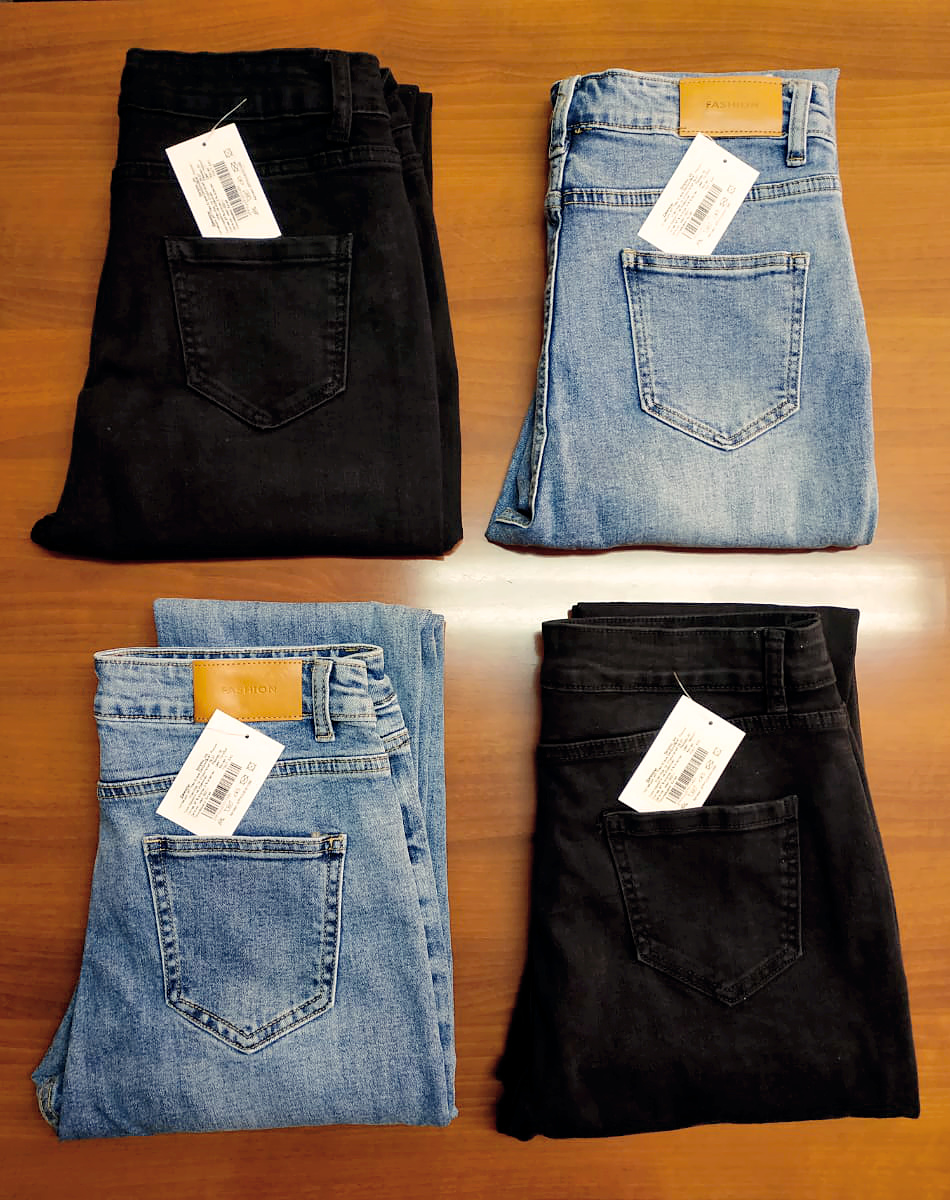
The packing team has to keep those variants connected to the correct polybag sticker, barcode, packing list and carton information.
A size M navy hoodie placed in a bag carrying the size L navy barcode has been manufactured correctly and packed under the wrong inventory code. Fixing that after hundreds of garments have been sealed means opening and repacking them.
Artwork Placement Uses Coordinates
An embroidery file provides the artwork. The operator still needs the finished size and location.
An 80 mm left-chest embroidery can be positioned using measurements from center front and the neckline. Those references can be repeated across the production run.
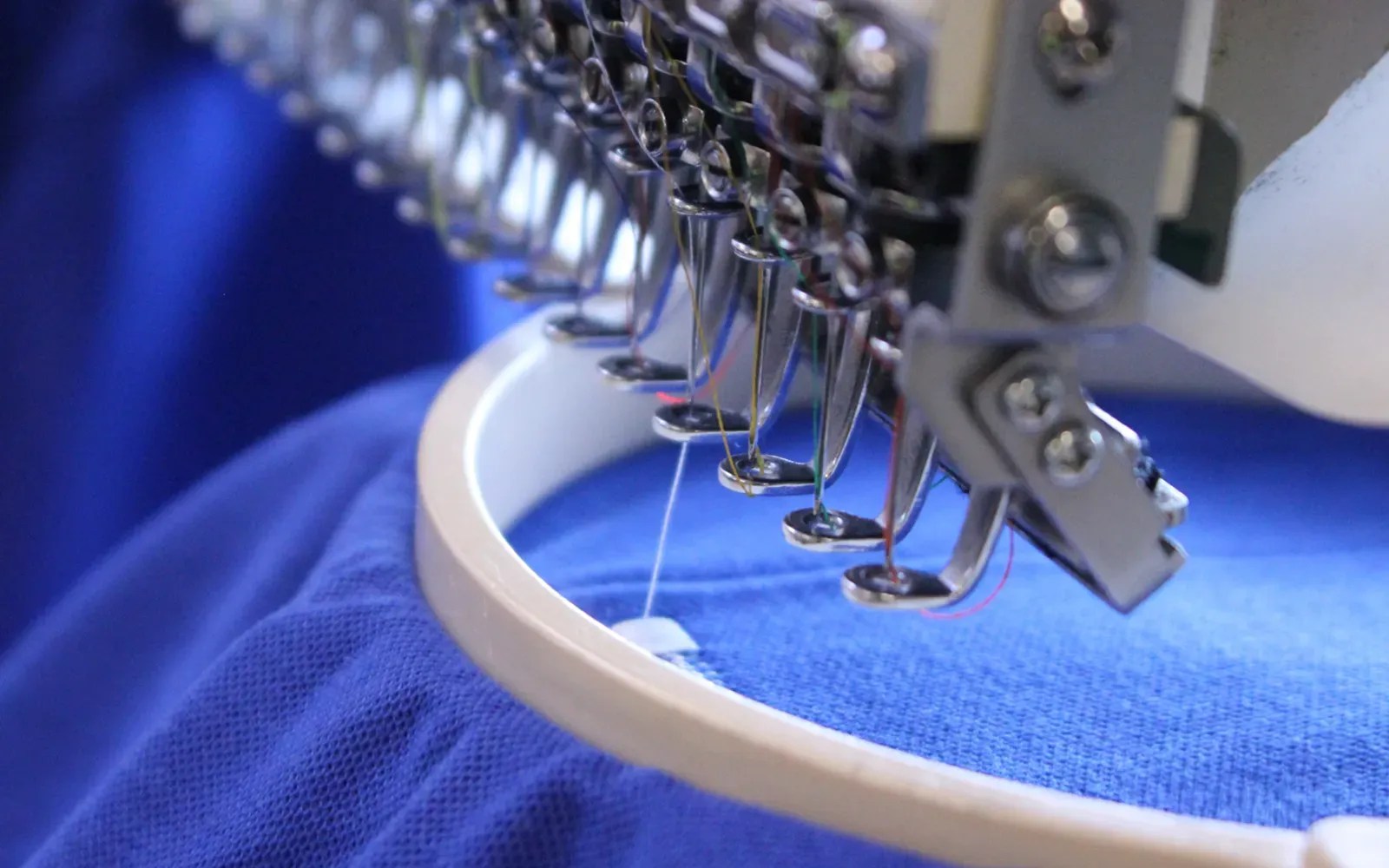
The design itself also needs to survive digitizing. Fine lettering, narrow gaps and dense areas can require adjustments before the embroidery machine begins stitching. Lightweight jersey can distort under a dense stitch field, so backing and stitch construction have to suit the garment material.
FashionMe’s current private-label T-shirt program supports screen print and DTF. Hoodie production also includes flat embroidery and 3D puff embroidery.
QC Follows the Garment Category
FashionMe’s current Made to Order cut-and-sew program includes 100% final inspection.
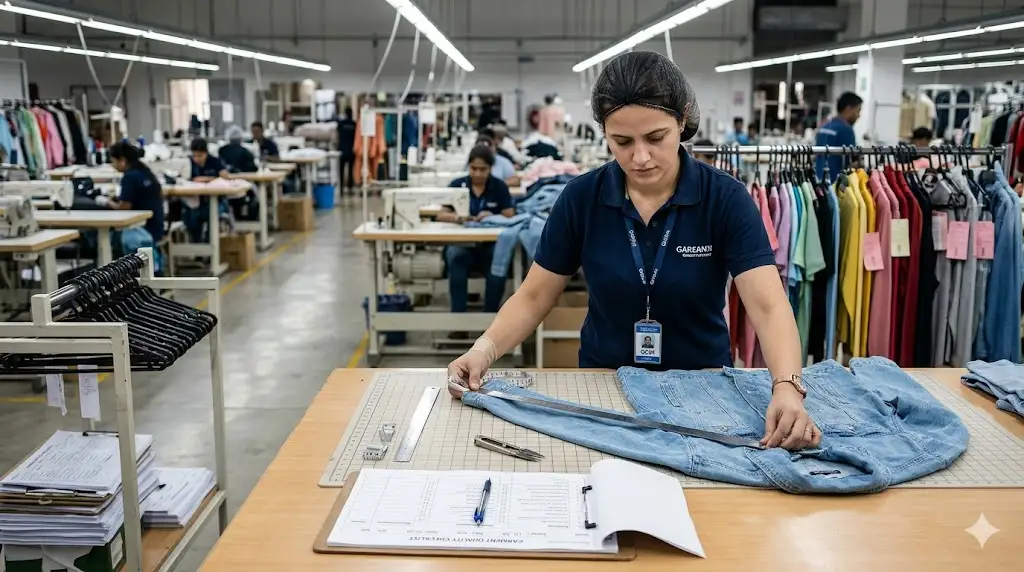
A hoodie inspection can include body measurements, hood construction, lining, rib recovery, kangaroo-pocket alignment, drawcord quality, label position, embroidery placement and packing. T-shirt inspection puts more attention on neckline construction, body measurements and print position. Pants need the specified waist, hip, rise, inseam and leg measurements checked along with pockets and hardware.
Tolerance should be assigned to individual points of measure. Body length, neck opening, pocket position and artwork placement operate at different scales and do not need one blanket allowance.
The inspector also needs the same measuring method used during development. If a sample was checked flat in a relaxed state, pulling the bulk garment during inspection changes the reading.
How Private Label Cost Is Built
Stock private labeling starts with the cost of an existing garment. Relabeling, decoration, hangtags and packing are added to that body.
Made-to-order costing begins earlier in the supply chain. Fabric consumption is calculated from the pattern. Greater width or length increases consumption, and usable fabric width affects how efficiently pattern pieces can be nested during cutting.
Secondary materials have to be counted as well. A hoodie can use separate rib, drawcord, eyelets, labels and pocketing. Jackets may add lining, zippers and snaps. Pants can require pocket bags, elastic, hardware and multiple label components.
Decoration is priced from the process being produced. Embroidery requires digitizing and stitch work. Screen printing has setup attached to the artwork and method. Custom hardware can add tooling or component cost.
Pattern and sample work happen before bulk sewing begins, so development charges can appear before the first production unit exists.
A fixed $100 setup charge contributes $2 per garment across a 50-piece order. The same $100 contributes $0.20 per garment across 500 pieces.
White Label, Private Label and Cut-and-Sew
White label is commonly used for ready-made products that can receive different retailers’ branding.
Private label is used more broadly in apparel sourcing and can cover stock relabeling, modified factory styles and products developed to a buyer’s own specification.
Custom cut-and-sew describes the production work required when the garment itself needs pattern and construction development.
Supplier terminology is not completely standardized, so those words should be read together with the production details written on the quote.
What a Useful Private Label RFQ Looks Like
A factory can work from something this specific:
100 pullover hoodies in black and washed grey, sizes S–XL. Target fabric 400–420 gsm brushed cotton-rich fleece. Size-M half chest 68 cm. Dropped shoulder, double-layer hood, ribbed cuffs and hem, 80 mm left-chest embroidery, woven main label, separate care label and individual polybag with SKU sticker. Delivery to the United States.
The sourcing team can use that information to check available garment bodies, compare measurements, review current fabric options and determine how much development the product needs.
Within FashionMe’s current setup, a suitable Stock Match can begin at 10 units. Made to Order begins at 50 units. Cut-and-sew sampling is currently listed at 7–12 days with one to two revision rounds, followed by a published 15–20 day production window.