What Is Acrylic Fabric
Acrylic fabric is made from synthetic acrylic fiber. In clothing, the fiber is usually spun into yarn and knitted into sweaters, cardigans, hats, scarves and other cold-weather pieces. It also appears in blankets, faux fur, upholstery and outdoor textiles.
The familiar sweater version is usually soft, bulky and fairly light for its thickness. Crimped fibers create volume inside the yarn, and the knitted loops leave pockets of air throughout the fabric. That trapped air is a large part of why a thick acrylic sweater can feel warm without being especially heavy.
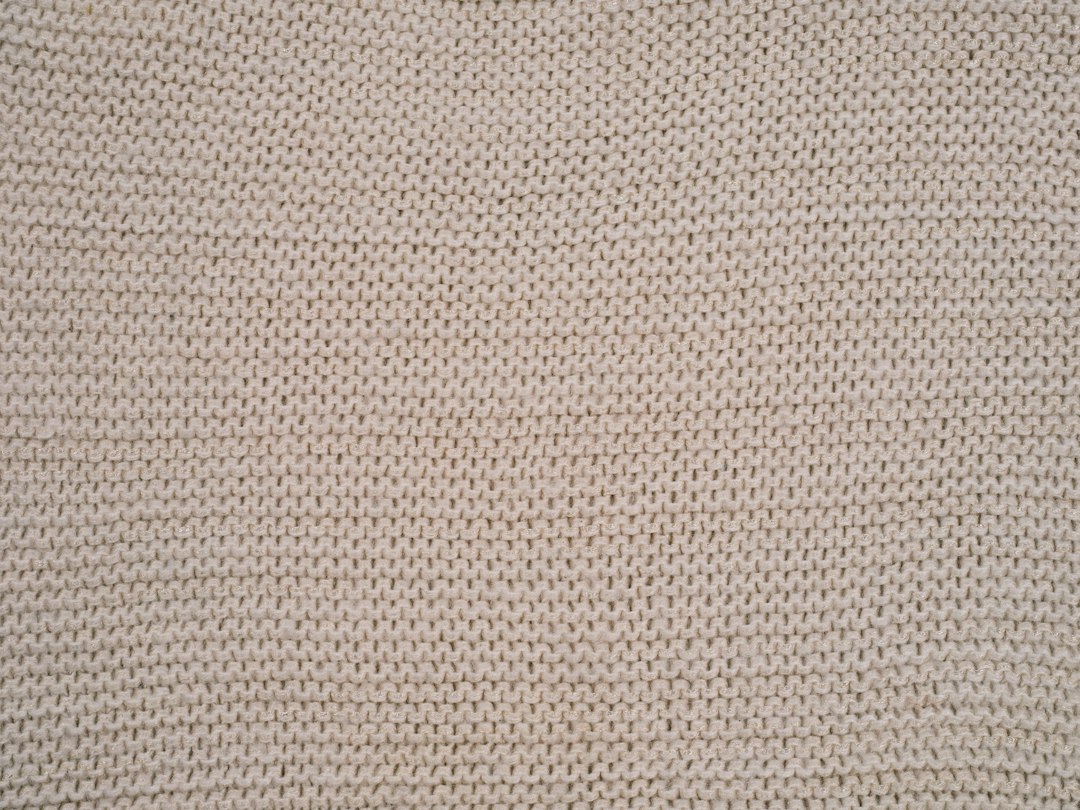
Acrylic itself is a fiber name. The finished material can take many forms. Fine yarn on a high-gauge knitting machine can make a smooth cardigan. Heavy multi-ply yarn on a lower gauge produces larger loops and more visible bulk. Brushing can raise fibers from the surface and give the fabric a fuzzy hand.
Two garments labelled 100% acrylic can therefore feel very different once yarn size, gauge, stitch structure and finishing change.
What 100% Acrylic Means
In the United States, acrylic has a specific legal fiber definition. At least 85% by weight of the fiber-forming polymer must consist of acrylonitrile units.
The remaining portion can contain other comonomers that become part of the same acrylic polymer. Manufacturers use these additions to adjust processing behavior and dye affinity.
A sweater made entirely from qualifying acrylic fiber can still be labelled 100% acrylic. The label describes the textile fiber content of the garment, not the exact percentage of acrylonitrile inside each polymer chain.
Modacrylic sits in a separate category. Under U.S. rules, its acrylonitrile content starts at 35% and remains below the 85% threshold used for acrylic. Other markets can use different lower limits for modacrylic, so the labeling rule matters when the same product is sold internationally.
How Acrylic Fiber Is Actually Made
Polyacrylonitrile is difficult to process with ordinary melt spinning because it begins degrading before a useful conventional melt-processing window is reached. Commercial acrylic fiber is therefore made from a polymer solution.
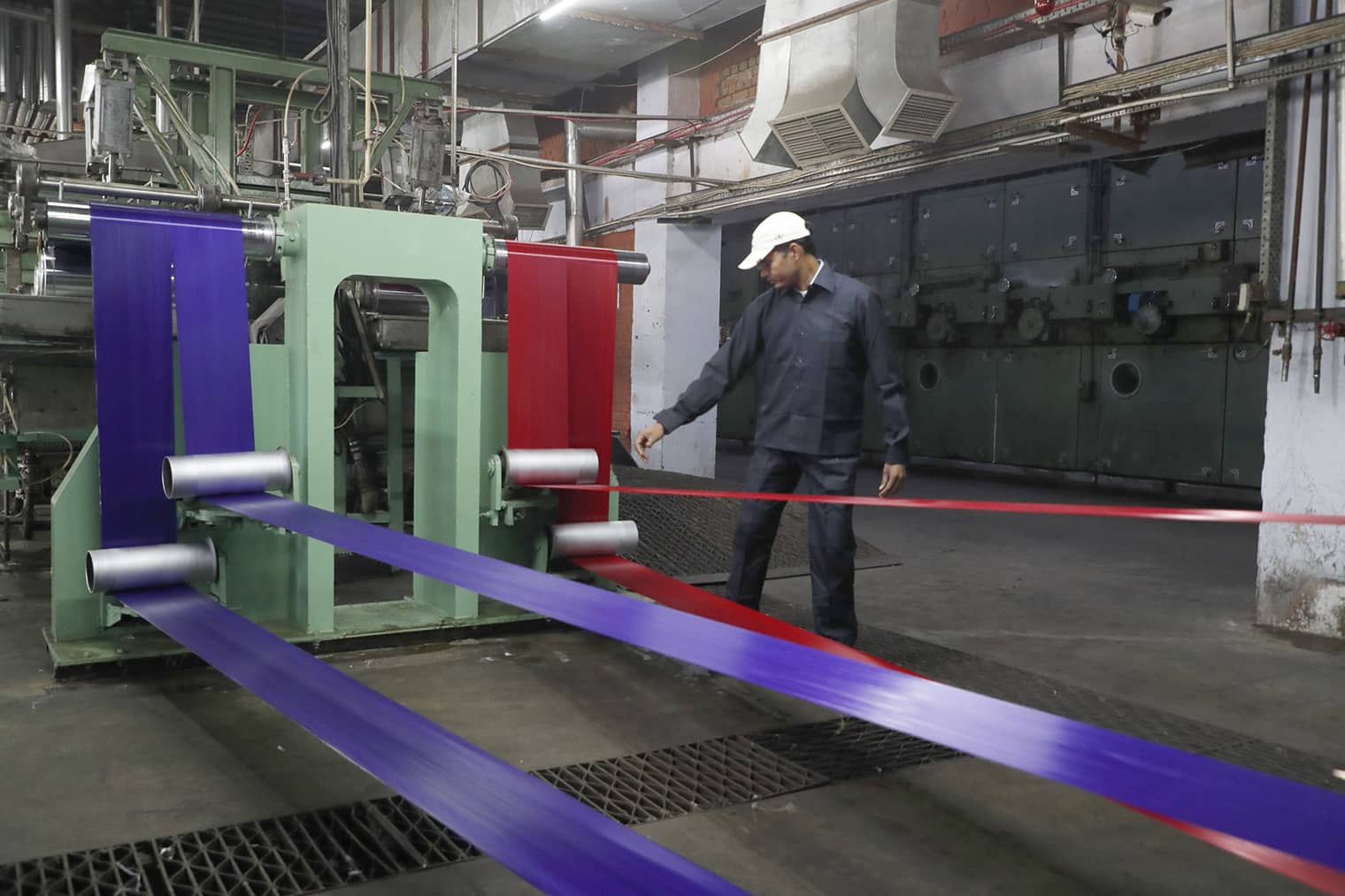
Dry-spinning systems using DMF have published polymer concentrations around 25–32%. The solution passes through spinneret holes into heated air, where solvent evaporates and leaves solid fibers behind.
Wet spinning uses a coagulation bath. Published systems based on DMF, DMAc or DMSO commonly work at around 20–28% polymer. Sodium thiocyanate systems can run closer to 10–15% polymer in their aqueous spinning solutions.
Those ranges vary with the fiber grade and the chemistry used by the producer.
After the fiber forms, it is drawn to increase molecular orientation. Washing removes residual process chemicals. Crimp is then introduced so the straight synthetic fibers develop the bends needed for bulky textile yarn.
Many apparel grades are cut into staple lengths before spinning. Those staple fibers twist together into yarn and create the softer, more fibrous surface normally associated with acrylic knitwear.
Why Acrylic Can Feel Like Wool
Acrylic fiber density is commonly reported around 1.16–1.18 g/cm³.
That relatively low density helps bulky yarn retain a light feel, but yarn structure has a stronger effect on what a finished sweater actually feels like.
Crimp creates space between fibers. Staple spinning holds those fibers together without packing them into a completely solid structure. Knitting introduces more space between loops.
A chunky sweater can therefore contain a large volume of still air. That air slows heat transfer and contributes to insulation.
The knitting machine changes the fabric again. Fine yarn used at a higher gauge produces small loops and a flatter surface. Heavy yarn used at a lower gauge creates larger loops and more visible depth.
Brushing raises fibers from the yarn after knitting. A brushed surface feels softer at first touch and looks fuller because more fiber is visible above the body of the knit. Those exposed fibers are also the part of the garment most affected by rubbing later.
How Much Moisture Acrylic Absorbs
Published textile data commonly place acrylic moisture regain around 1.5–2% at 25°C and 65% relative humidity.
The value describes moisture associated with the fiber under a defined conditioning environment. Actual moisture content changes with temperature, humidity, finishing and the previous conditioning history of the material.
Acrylic carries relatively little absorbed water inside the fiber.
This helps a wet acrylic garment dry once water held on the surface and between the yarns has been removed. It also contributes to the static commonly noticed in dry winter conditions.
Airflow through the fabric follows a different path. An open acrylic knit can allow plenty of air through the gaps between loops. Increasing stitch density reduces those openings.
ASTM D737-18(2023) is used to measure air permeability through a finished textile under controlled pressure conditions. The resulting number belongs to that particular yarn and fabric construction.
A lightweight cardigan and a dense winter sweater would not normally be expected to produce the same result.
Why Acrylic Sweaters Pill
Pilling usually appears first where the garment receives repeated friction.
Underarms are common problem areas. Cuffs rub against hands and desks. Side panels can change where a bag or outer layer repeatedly touches the sweater.
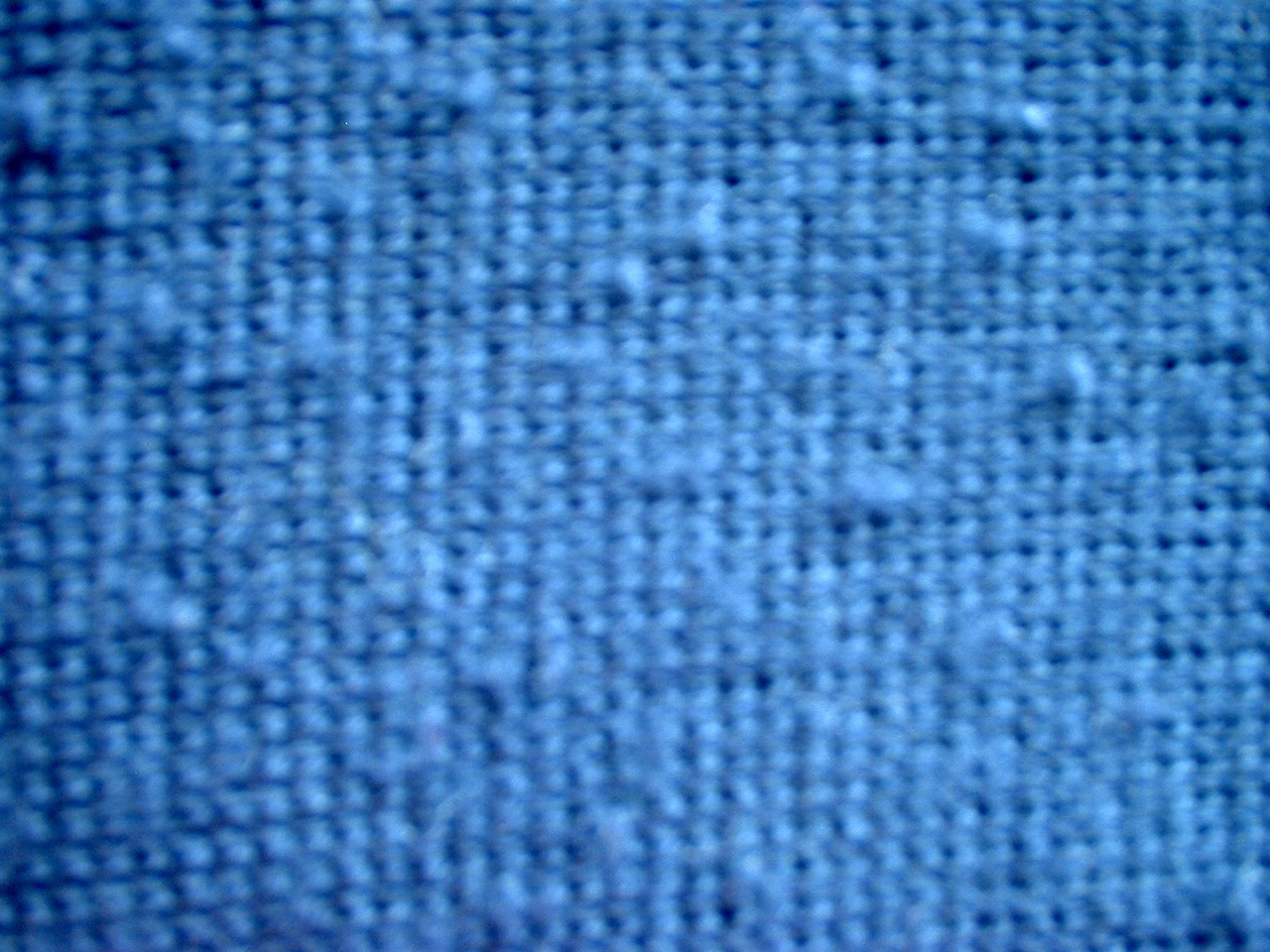
Abrasion starts pulling loose fibers away from the yarn body. The exposed fibers tangle together and gradually become compact pills.
A heavily brushed sweater already has a large amount of fiber sitting above the surface before it is worn. Yarn twist, staple dimensions, knit density and finishing all affect how quickly that surface changes.
The current Martindale pilling method is ASTM D4970/D4970M-22(2026). Its visual rating system runs from 5 for no pilling to 1 for very severe pilling.
The acceptable grade has to be written into the product requirement. A brand may decide that a particular sweater has to reach Grade 4 after an agreed test exposure. Another construction may be approved under a different limit.
The laboratory conditions, pretreatment and number of test cycles need to stay with that requirement. A yarn card that only says “anti-pilling acrylic” leaves all of those details open.
Why Acrylic Can Produce Strong Colors
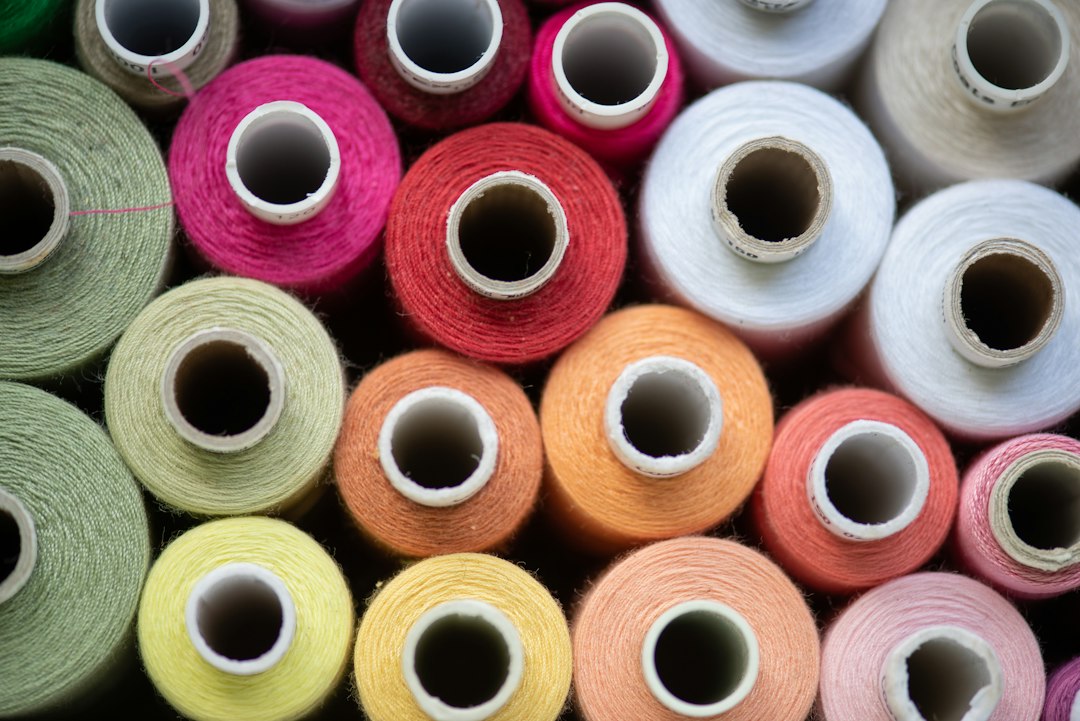
Commercial acrylic is commonly dyed with cationic dyes.
During fiber manufacture, ionic sites can be introduced into the polymer. Positively charged dye molecules are attracted to those sites and can produce deep, saturated shades.
Temperature has a strong effect on this process.
Dry PAN is often reported with a glass-transition temperature around 105°C. Water changes polymer mobility during dyeing, and dye uptake rises rapidly as the bath moves through the upper part of the normal acrylic dyeing range.
Published acrylic dyeing systems frequently operate around 90–100°C. The actual recipe depends on the fiber, dyestuff and auxiliaries used by the mill.
Shade problems can develop if the material takes up dye too quickly. Mills control the heating profile and may use leveling or retarding auxiliaries so the color has time to distribute more evenly.
Bulk color approval is usually made on dyed yarn or a knitted panel. That sample shows final shade depth, leveling and the hand produced after dyeing and finishing.
For washable clothing, ISO 105-C06:2010 provides procedures for testing colorfastness to domestic and commercial laundering. The required gray-scale grades for color change and staining are set in the garment specification.
Why Outdoor Acrylic Is Different
Some outdoor fabrics use solution-dyed acrylic.
Pigment is added while the fiber-forming material is being prepared, so color is present throughout the finished fiber before it becomes yarn.
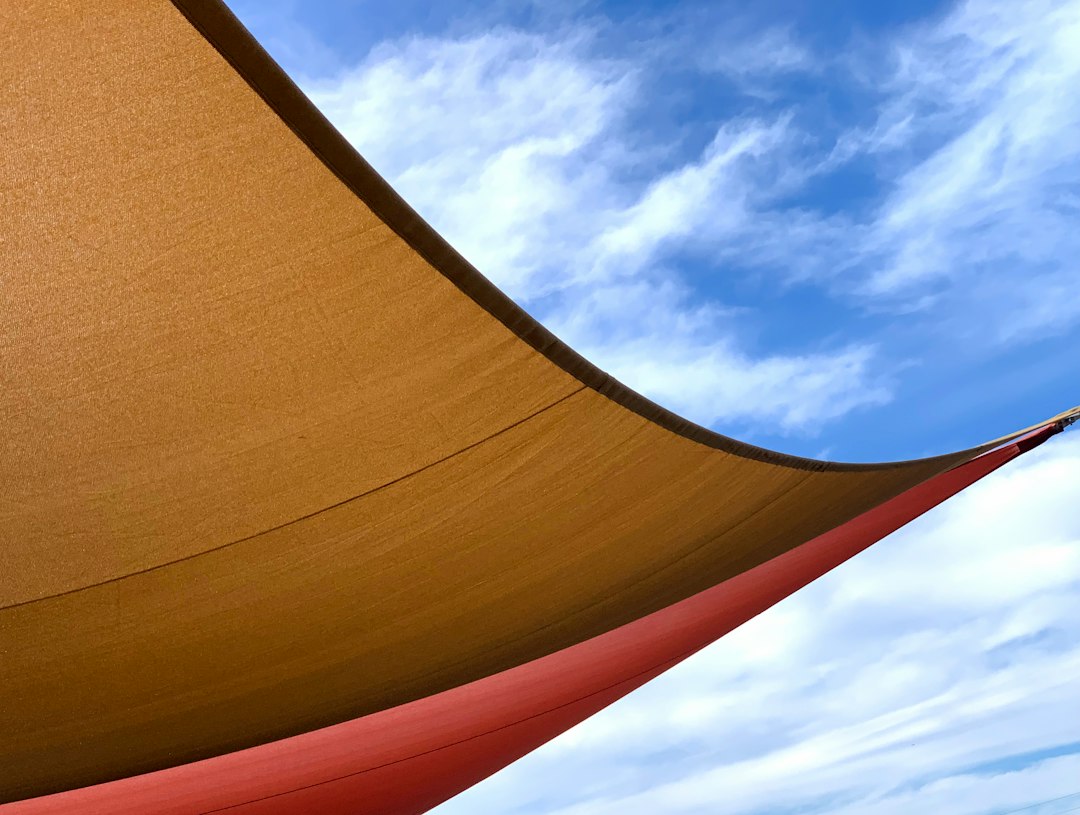
This method is common in outdoor fabrics that will spend long periods in sunlight. UV stabilizers and other treatments can also be incorporated into the material system used for the product.
Outdoor acrylic appears in awnings, marine covers, patio cushions and upholstery.
The fiber label still reads acrylic. The weathering performance comes from the complete fiber, pigment and finishing system used by the manufacturer.
Why Acrylic Builds Static
Low moisture uptake makes static easier to notice when the air is dry.
A sweater rubbing against a coat lining or another layer can accumulate electrical charge. Heated indoor spaces often have low relative humidity during winter, which makes the effect more obvious.
Brushed acrylic has a particularly large exposed surface, giving friction more places to act. Lint and pet hair can then cling to the charged fibers.
Antistatic finishing is available during textile processing. The durability of that finish depends on its chemistry and the laundering the garment receives.
What Happens in a Wash Test
A sweater is measured before washing.
The exact points depend on the garment, but body length, chest width, shoulder width, sleeve length and neckline dimensions are common measurements for knitwear.
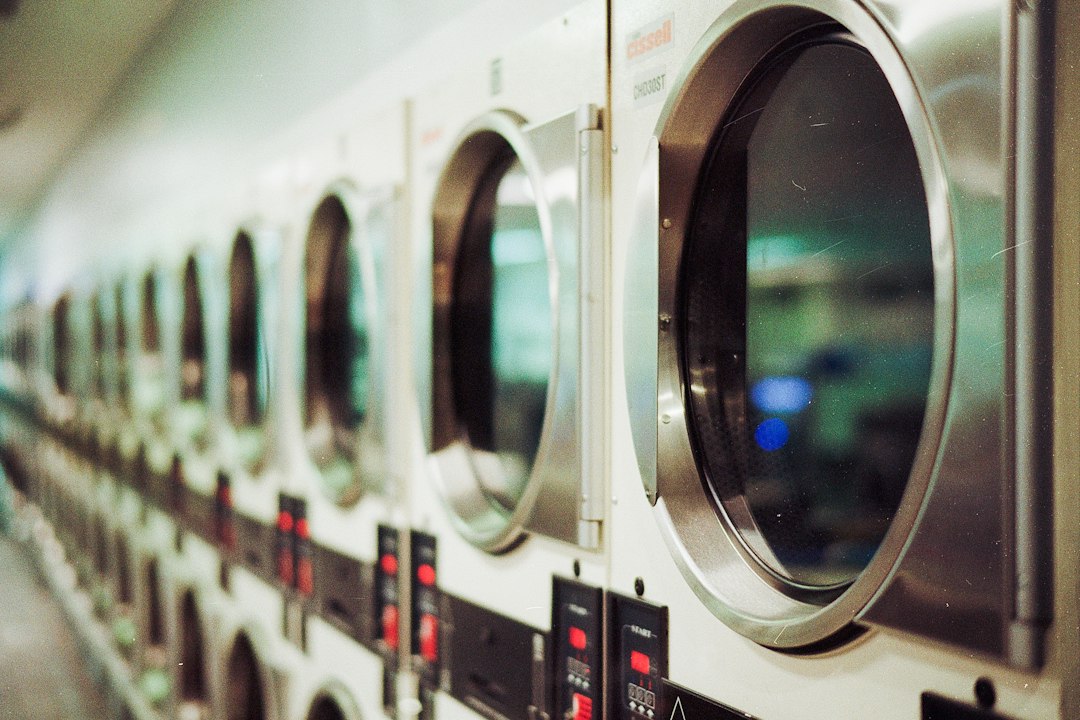
ISO 6330:2021 provides controlled domestic washing and drying procedures used in textile testing. It contains 16 washing procedures for Type A horizontal-axis machines, 12 for Type B agitator machines and 7 for Type C pulsator machines.
The standard also includes six drying procedures, covering line drying, drip drying, flat drying, flat drip drying, flat pressing and tumble drying.
Heavy knitwear often needs particular attention while wet. Water held between yarns adds temporary weight, and hanging a loose sweater from the shoulders can pull extra length into the structure before it dries.
After the selected wash and dry procedure, ISO 5077:2007 can be used to calculate dimensional change.
The garment specification supplies the allowable limit. A brand might set a ±3% tolerance for body length on a particular sweater while using another limit for sleeve length or chest width.
Surface appearance is checked during the same evaluation. A garment can keep its measurements and still develop unwanted fuzz, pilling, neckline distortion or seam movement.
Acrylic Fabric Can Have Many Constructions
Jersey knit gives acrylic a relatively flat face and works well for lighter sweaters and tops.
Rib knit creates vertical columns and more widthwise stretch. It is often used across an entire sweater body and also appears at cuffs, hems and necklines.
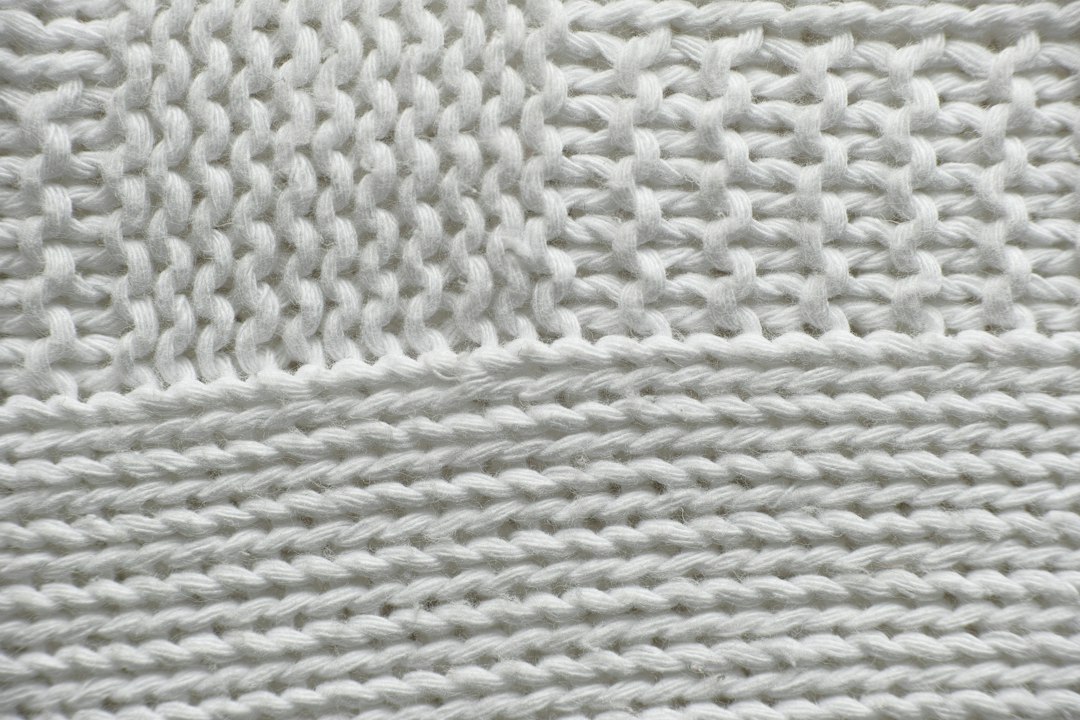
Cable knitting moves loops across one another to create raised patterns. Bulky acrylic yarn gives those structures a pronounced three-dimensional surface.
Brushed knitwear has more fiber lifted above the yarn. Pile constructions go further and use longer exposed fibers to create faux-fur and similar surfaces.
Acrylic can also be woven. Outdoor textiles and upholstery use their own yarn sizes, fabric densities and finishes.
There is no single GSM range that defines acrylic fabric. Weight changes with yarn size, stitch or weave construction and the amount of material used in a given area.
For sweater production, finished garment weight can be recorded from the approved sample. A noticeable drop in bulk weight can reveal lower yarn consumption even before the difference becomes obvious visually.
Heat Can Change the Finished Garment
Excessive heat can alter the surface and dimensions of acrylic textiles.
The problem is easier to see on loose or brushed constructions. Surface fibers can flatten, the hand can become harsher, and the garment may lose part of its original shape.
Wet handling creates another source of movement. A heavy sweater can stretch when it is lifted or hung before the structure has dried and recovered.
Care instructions should therefore be based on testing the complete garment. Elastane, embroidery, trims, coatings and other fibers can change the conditions the finished product tolerates.
What Recycling Acrylic Involves
A used acrylic garment can contain far more than acrylic fiber by the time it reaches a recycler. Dye, finishing chemicals, sewing thread, labels, elastic and other trims are already part of the product.
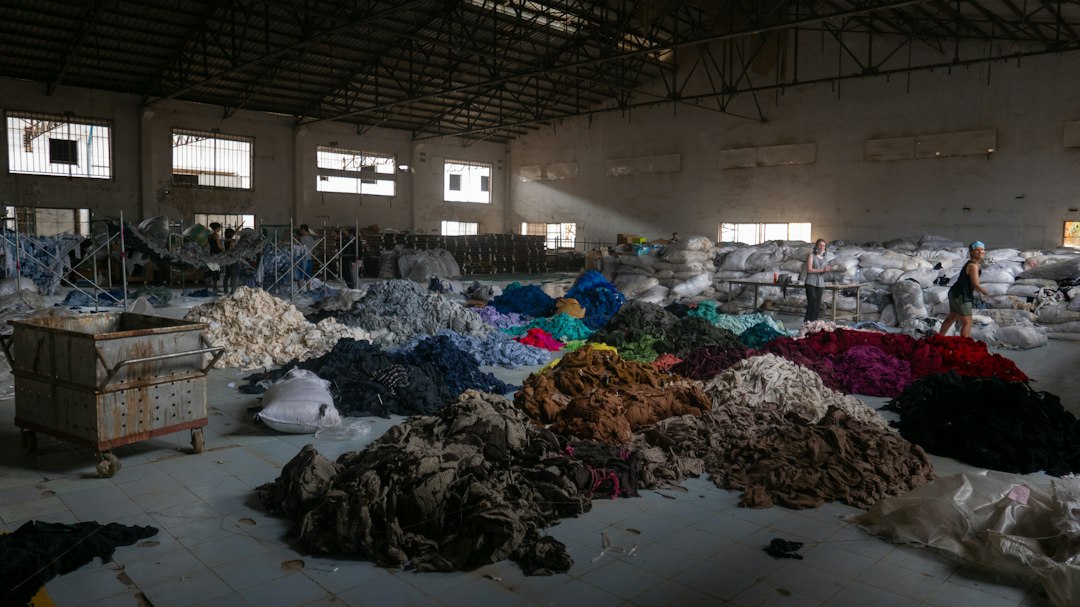
A 2024 closed-loop recycling study processed dyed blended textile waste through a solvent-based separation system. The researchers removed cationic dyes, recovered acrylic polymer and wet-spun it into new fiber.
The regenerated fiber in that study reached mechanical and dyeing performance comparable with the virgin reference.
The researchers also estimated the material and energy cost of their purified recycled-acrylic process at about 40% of the fossil-based route evaluated in the same study. That figure belongs to the system and assumptions used in that research.
Blended yarn adds another separation stage. Acrylic mixed with wool carries animal fiber into the waste stream. Polyester blends introduce a second synthetic polymer. These materials have to be dealt with before a clean acrylic spinning solution can be prepared.
What a Factory Needs to Reproduce an Acrylic Sweater
Once a sweater sample has the right shape and hand, the factory needs enough information to make the next production run match it.
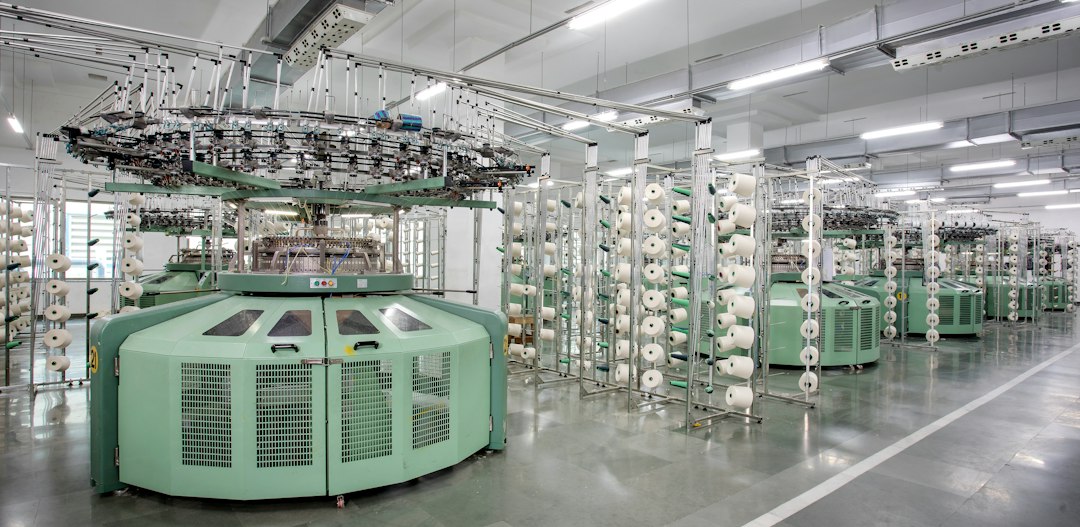
The yarn specification records the acrylic content along with yarn count and ply. Machine gauge and stitch information define how that yarn is knitted. The approved sample supplies the finished measurements and a reference garment weight.
The wash test shows what happens after normal care. Dimensions are recorded again after the selected laundering procedure, and the surface is checked for the amount of fuzzing or pilling allowed for that style.
Pilling results can be tied to ASTM D4970/D4970M-22(2026). The required rating belongs in the production specification.
Dyed production is checked against the approved shade and the required laundering fastness result. Air permeability can also be measured when airflow is important to the design.
The factory keeps the approved and washed samples with the production records so the bulk sweaters can be checked against the same physical references.
Sources
- Cornell Law School — 16 CFR § 303.7, Generic names and definitions for manufactured fibers
- CIRFS — Acrylic Fibre
- ASTM International — ASTM D1909, Commercial Moisture Regains for Textile Fibers
- ASTM International — ASTM D737, Air Permeability of Textile Fabrics
- ASTM International — ASTM D4970/D4970M-22(2026), Pilling Resistance and Other Related Surface Changes
- ISO — ISO 105-C06:2010, Colour Fastness to Domestic and Commercial Laundering
- ISO — ISO 6330:2021, Domestic Washing and Drying Procedures for Textile Testing
- ISO — ISO 5077:2007, Determination of Dimensional Change in Washing and Drying
- PubMed — Closed-loop recycling of acrylic textile waste