What Is Nylon Fabric?
Nylon fabric is made from polyamide fiber. That definition sounds simple until you put two nylon fabrics next to each other.
A 20D ripstop used for a packable jacket can weigh around 44 GSM and feel almost weightless in the hand. Air-textured 280D nylon used for a heavier shell can sit around 129 GSM with a much fuller, drier surface. Nylon also appears in linings, hiking pants, bags, swimwear and stretch leggings.
The fiber is only the starting point. Yarn size, filament count, weaving or knitting, heat treatment and finishing shape the cloth that eventually reaches the cutting table.
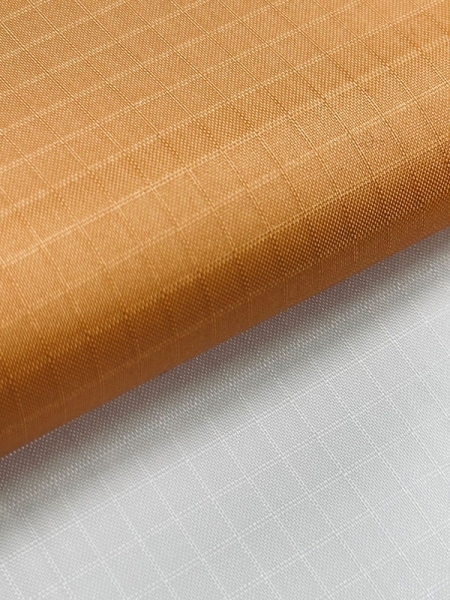
What 70D Actually Means
A fabric supplier may list a nylon as:
70D ripstop / 74.6 GSM / DWR / approximately 188 cm wide
The 70D refers to the yarn.
Denier measures the mass of a fixed yarn length:
1 denier = 1 gram per 9,000 meters
Nine thousand meters of 70D yarn therefore weighs about 70 grams.
The 74.6 GSM figure is measured after those yarns have been turned into fabric. It tells you the weight of one square meter of the finished cloth.
This is why denier and GSM should both appear on a useful nylon specification. A mill can keep the same general yarn size and change thread density, reinforcement, coating or finishing enough to produce a very different fabric weight.
Nylon Starts as a Continuous Filament
Nylon begins as polymer rather than a natural staple fiber.
The polymer is melted and pushed through tiny spinneret holes to form continuous filaments. These fresh filaments are cooled, gathered and drawn.
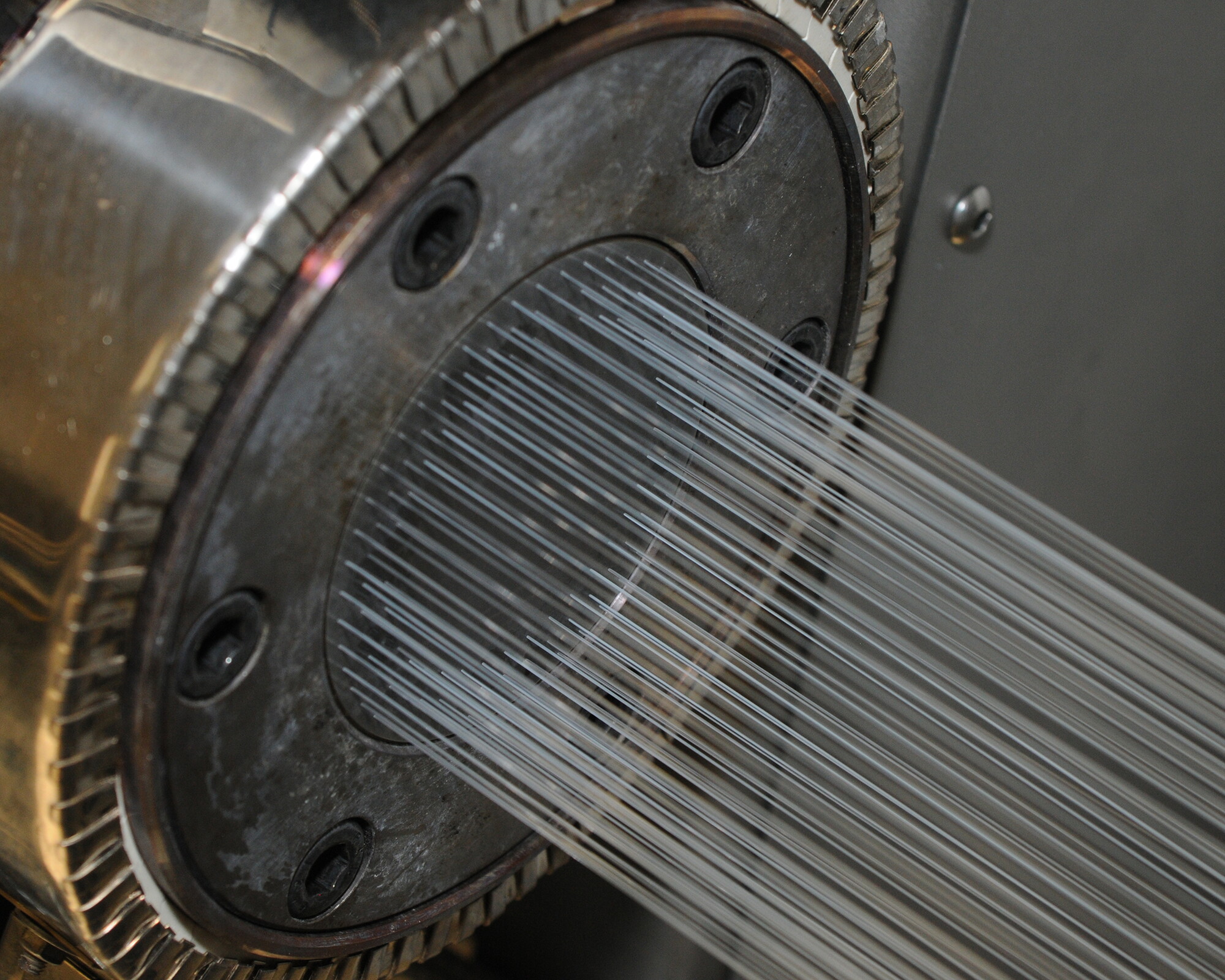
Drawing matters because it changes the internal orientation of the polymer. The finished filament becomes stronger as more of its molecular structure lines up along the fiber direction.
Regular Nylon 6 textile fiber is commonly reported around 4.4–5.7 cN/dtex in dry tenacity, with elongation at break around 28–42%. High-strength grades can move above that tenacity range through different drawing and processing.
Once those filaments become woven or knitted fabric, yarn density and construction begin determining how that strength appears in an actual garment.
The Filaments Inside One Yarn Affect the Hand
A 70D nylon yarn is usually a bundle of smaller continuous filaments.
Commercial yarns include constructions such as 70D/24F and 70D/68F.
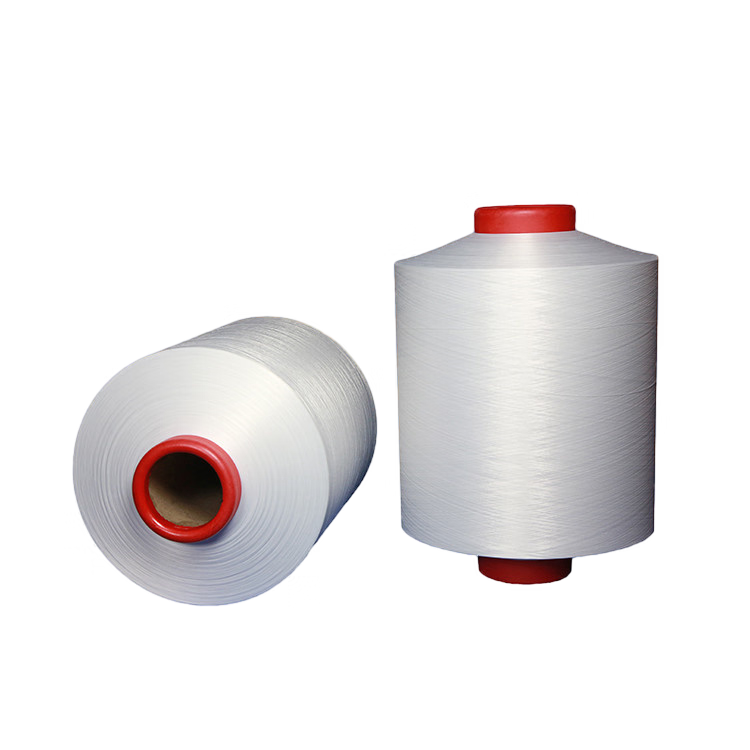
The first spreads 70 denier across 24 filaments, giving an average of about 2.92 denier per filament.
A 68-filament version uses much finer individual strands, averaging close to 1 denier each.
That difference can be felt after weaving. More fine filaments can give a softer surface and different drape. Luster, twist, cross-section and texturing change the feel further.
Air-textured nylon is a good example. Compressed air creates small loops along the filament bundle, adding bulk and reducing the slick hand associated with flat filament yarn. This is how some nylon trousers and shorts end up feeling dry and almost cotton-like.
Ripstop Is More Than the Visible Grid
The small squares in ripstop nylon come from reinforcement yarns placed through the base construction.
If a cut starts in the lighter ground cloth, the damaged area eventually reaches one of those reinforced lines.
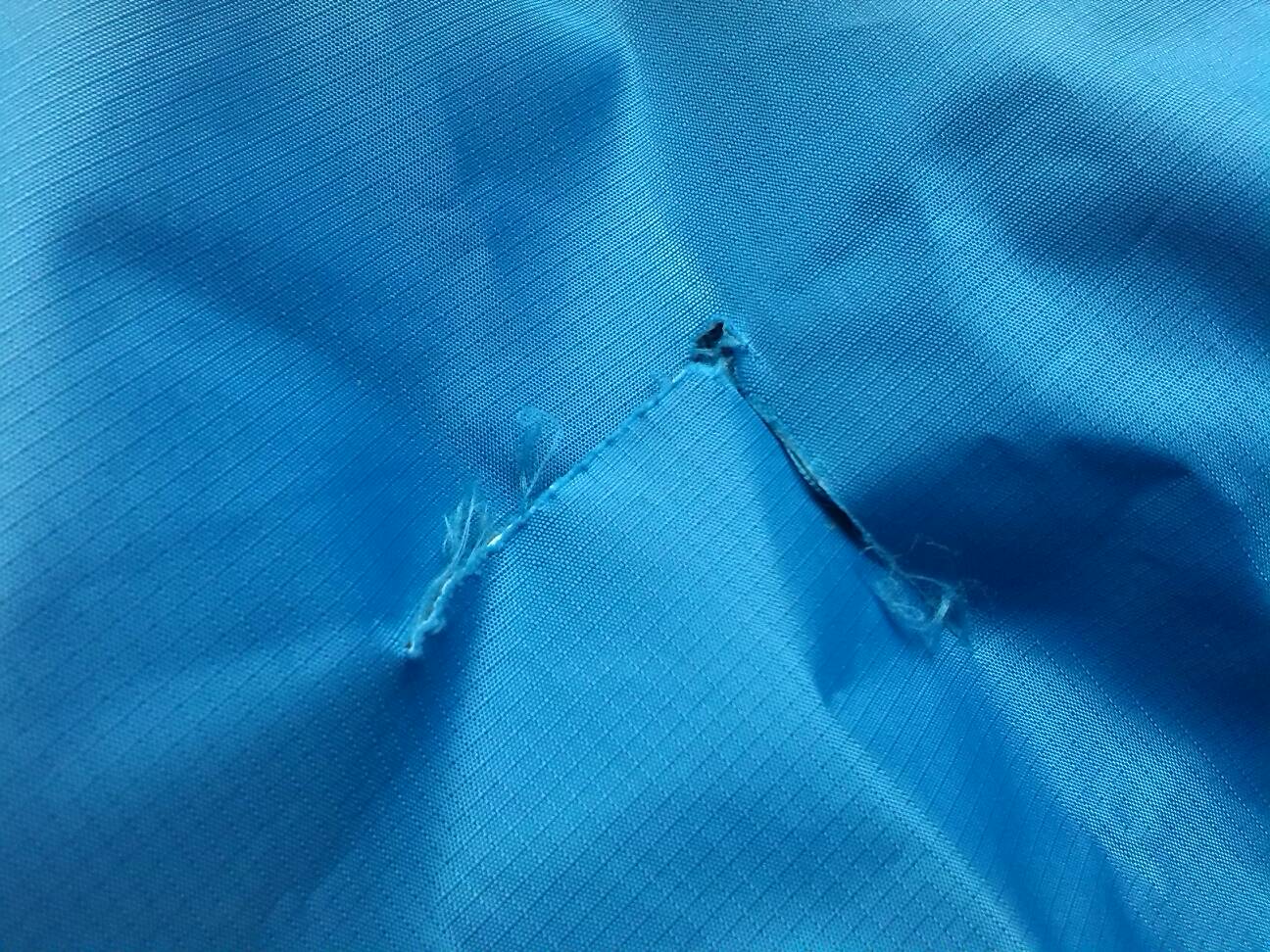
The grid helps control how a tear travels. Actual tear strength still comes from the whole fabric.
One 280D nylon garment-shell specification requires 10 N minimum Elmendorf tear strength in the warp direction and 25 N in the filling direction.
Lighter technical nylons can sit closer to the 8–10 N range in measured tear tests.
A 20D ripstop and a 280D shell can therefore share the same basic reinforcement idea without behaving remotely the same way under load.
Fabric Weight Does Not Tell You How Much Air Gets Through
Two nylon fabrics can sit near 40 GSM and still have very different airflow.
In one NASA nylon-ripstop test program, a 37.3 GSM construction was specified around 100 ± 20 ft³/ft²/min at 124 Pa.
Another construction in the same program weighed 40.7 GSM and was specified at only 0.5–5.0 ft³/ft²/min under the same pressure condition.
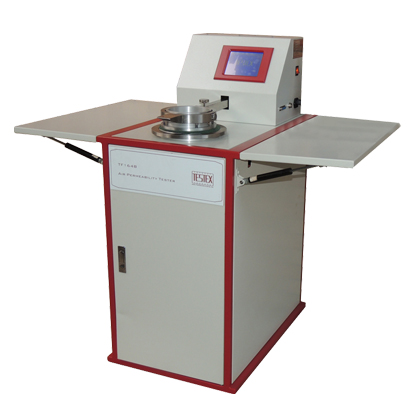
The difference came from the fabric structure and finishing.
A tightly packed shell leaves very little open space between yarns. Calendaring can compress the cloth further, which is useful when a down jacket needs to keep fine feathers from working through the shell.
A nylon mesh reaches a very different result because the openings are physically built into the construction.
There is no single breathability value for nylon fiber.
A Heavier Nylon Shell Shows What Real Performance Specs Look Like
A public duty-jacket specification uses 280D air-textured Supplex nylon at about 128.8 GSM.
The fabric is required to meet measurable limits including:
| Property | Requirement |
|---|---|
| Grab tensile, warp | 550 N minimum |
| Grab tensile, filling | 950 N minimum |
| Elmendorf tear, warp | 10 N minimum |
| Elmendorf tear, filling | 25 N minimum |
| Martindale abrasion at 9 kPa | 20,000 cycles minimum |
| Spray rating | 100 |
| Dimensional change after five washes | Maximum 3.0% |
These figures are useful because they describe the finished fabric.
“Strong nylon” does not tell a buyer whether the cloth can reach 550 N or 950 N in a grab test. “Abrasion resistant” does not tell the factory whether the requirement is 5,000 or 20,000 Martindale cycles.
Nylon and Water Depend Heavily on the Finish
A breathable 70D ripstop can be sold around 74.6 GSM with DWR on the surface.
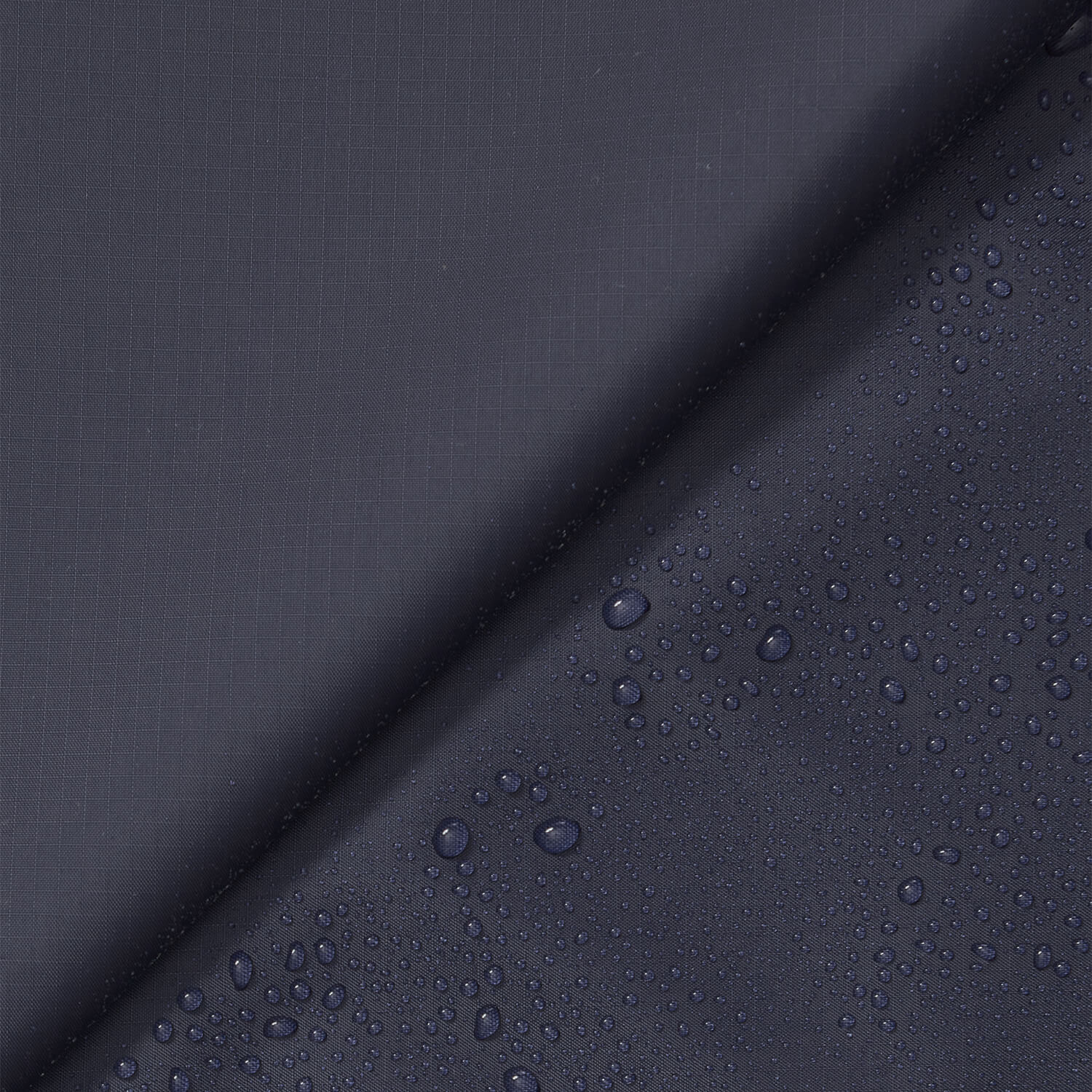
Add a substantial PU coating to the same product family and the finished fabric reaches about 108.5 GSM.
That is an increase of 33.9 GSM.
The coated version is specified around 3,000 mm hydrostatic head.
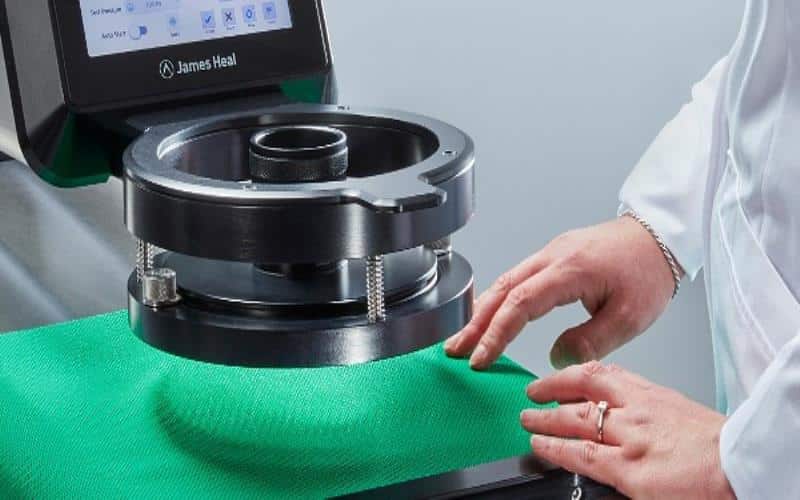
The extra weight comes from material added during finishing. The PU layer also changes the way water moves through the cloth.
DWR works at the exposed face and helps fresh water form droplets instead of immediately spreading across the surface.
A waterproof laminate may use nylon as the outer face with a separate membrane inside the material.
That is why a nylon jacket specification needs more than the word waterproof. Hydrostatic-head numbers, spray ratings and the actual layer construction tell you what the fabric has been built to do.
Nylon Still Takes Up Some Moisture
Under standard textile conditioning conditions, polyamide moisture regain commonly falls around 3.4–4.5%.
A Nylon 6,6 reference value of roughly 4.1% at 20°C and 65% relative humidity gives a useful sense of scale.
If an oven-dry sample weighs 100 grams, 4.1% regain represents about 4.1 grams of moisture held by the fiber under those conditions.
That is different from rainwater trapped between yarns or inside a lining.
The distinction becomes noticeable in clothing. A dense nylon shell can feel clammy during hard activity even when the fabric itself is relatively light. Airflow, lining, garment ventilation and surface treatment all influence the sensation.
Heat Changes Nylon Before It Melts
Nylon is thermoplastic.
Nylon 6 has a melting range around 215–220°C. Nylon 6,6 reaches roughly 255–260°C.
Useful changes happen at much lower temperatures.
One high-tenacity Nylon 6 yarn specification records 4.8% hot-air shrinkage after two minutes at 160°C.
This is why heat history matters during calendaring, heat setting, pressing and hot cutting.
A hot knife can seal the edge of lightweight nylon by softening the exposed filaments. Excess heat leaves a stiff fused ridge.
Calendaring uses controlled heat and pressure to flatten the fabric surface. On lightweight shell material, this can change shine, hand and air permeability.
Dark Nylon Has a Dyeing History
Nylon is commonly dyed with acid dyes.
One PA6 dyeing study using Acid Blue 324 achieved its best result within that experiment at 95°C, pH 3 and 30 minutes.
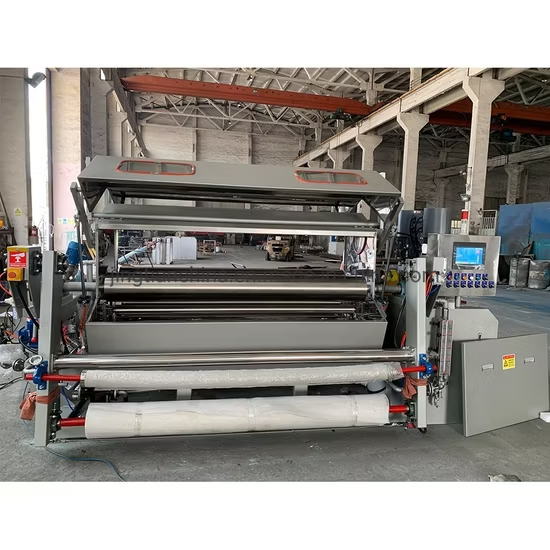
Those numbers are useful because nylon dyeing is affected by more than dye concentration. Earlier heat treatment changes the physical state of the fiber and can influence how the later color develops.
This matters with dark shades, where small differences between lots become easy to see.
Some outdoor nylon takes a different route through solution dyeing. Pigment is introduced before the filament is spun, so color is already inside the fiber as it forms.
For ordinary fashion production, later-stage dyeing gives mills more flexibility in choosing seasonal colors.
Nylon-Spandex Changes Again During Heat Setting
Activewear commonly uses nylon with elastane.
A typical commercial fabric may be listed as:
80% nylon / 20% spandex / 220 GSM / about 150 cm wide
Those four numbers still do not tell the pattern maker how far the fabric stretches.
Before cutting, the cloth usually goes through finishing that establishes much of its final width and stability.
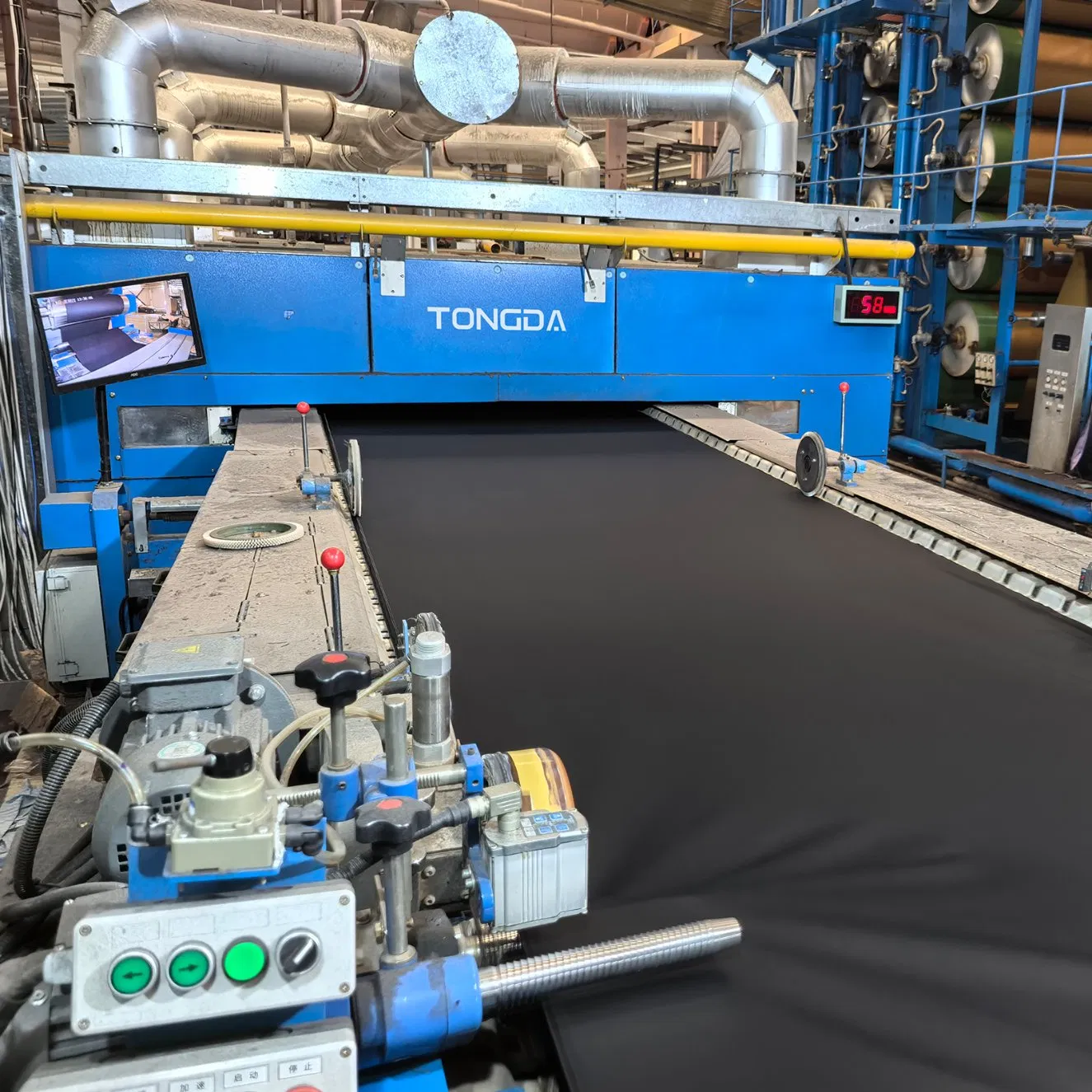
One documented nylon-spandex process uses presetting around 175–195°C for 35–45 seconds. Final setting later occurs around 145–175°C for 40–50 seconds, with controlled overfeed.
The exact recipe belongs to the yarn and construction being processed. The useful point for garment development is that the fabric leaving the finishing line may behave differently from material sampled earlier in its production.
Bulk stretch, GSM and width should therefore be checked after final finishing.
Stretch Needs Its Own Number
A label saying 80% nylon / 20% spandex describes composition.
It does not tell you whether the finished fabric stretches 30%, 50% or 80% across the body.
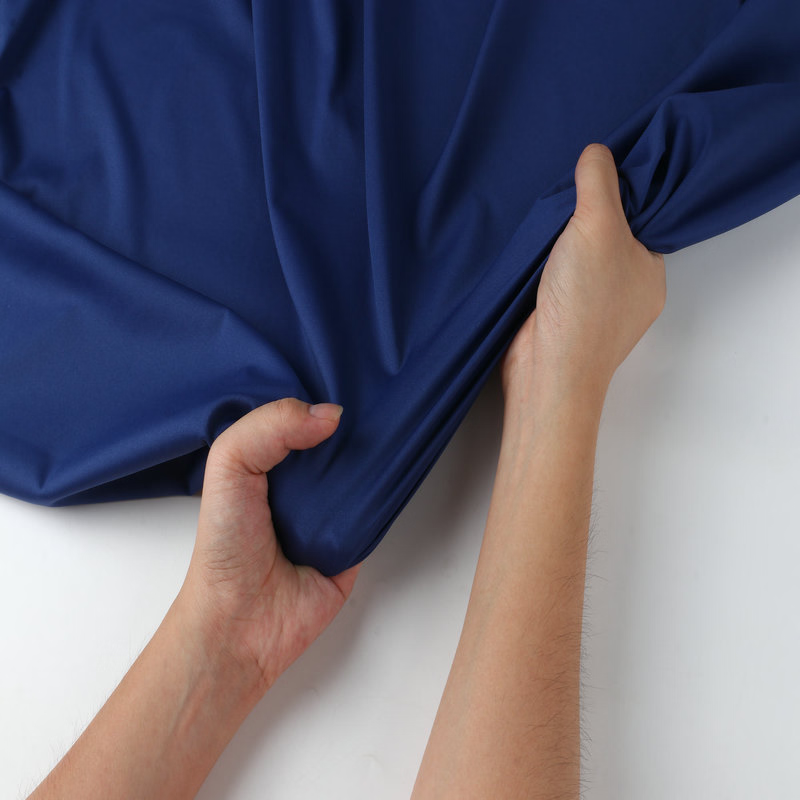
That measurement has to come from the actual cloth.
Stretch is recorded in the relevant garment directions, followed by a growth or recovery measurement after the load is removed.
For woven stretch fabrics, ASTM D3107 includes test options using 1.35 kg / 3 lb and 1.8 kg / 4 lb loads.
Knitted stretch fabrics use methods suited to their own low-power extension behavior.
For leggings, swimwear and fitted tops, those measured percentages affect pattern dimensions directly.
Five Washes Can Move the Fabric Outside Spec
The 280D shell mentioned earlier allows no more than 3% dimensional change after five wash cycles under its specified laundering procedure.
A 500 mm marked distance makes that tolerance easy to visualize.
Three percent equals:
15 mm
If the distance finishes at 485 mm, it has reached the full −3% limit.
A percentage without its washing and drying conditions is incomplete. Water temperature, agitation and drying route can all change the result.
Nylon-spandex fabrics add another concern because the final dimensions depend on the thermal setting history of both nylon and elastane.
Sunlight Works More Slowly
Long outdoor exposure can reduce nylon strength through photo-oxidative degradation.
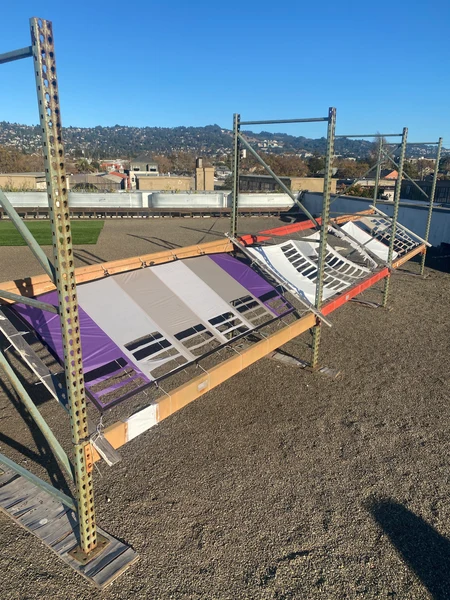
A 2026 natural-weathering study followed a high-strength Nylon 6,6 fabric for 90 days. The untreated material lost about 30% of its tensile strength during that exposure program.
A UV-protective treatment used in the study reduced the loss to roughly 23%.
Those values belong to that technical material and exposure condition.
For a garment fabric, yarn size, pigment, stabilizers and finish influence how quickly visible fading and mechanical loss develop.
Lightweight Nylon at the Cutting Table
Thin nylon can shift before the blade reaches it.
Smooth filament surfaces slide easily across another ply, especially in a tall cutting lay.
The raw edge starts releasing fine filaments as soon as the woven structure is cut.
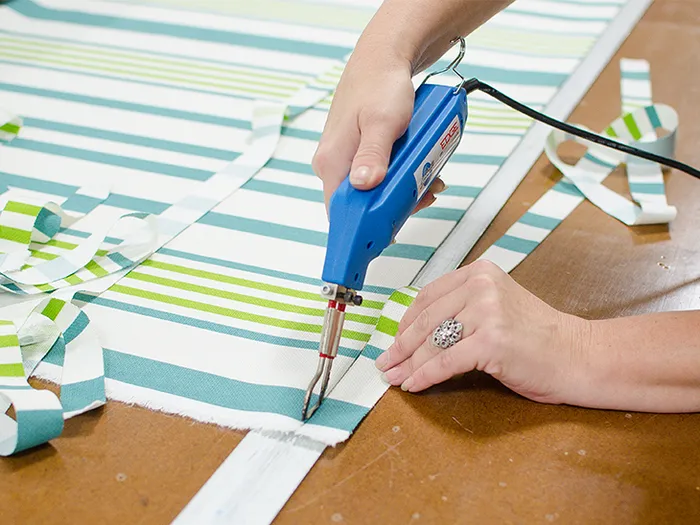
Hot cutting can seal those ends.
PU-coated nylon may curl after cutting as stresses from coating and heat processing are released.
These are production problems that can be seen directly on bulk cloth. A sample swatch lying flat on a desk may not reveal them.
What Happens at the Needle
Needle choice changes with fabric weight and seam thickness.
SCHMETZ lists nylon within a broad 60/8 to 90/14 Universal or Microtex range and gives 70/10 as a useful starting size for some ripstop applications.
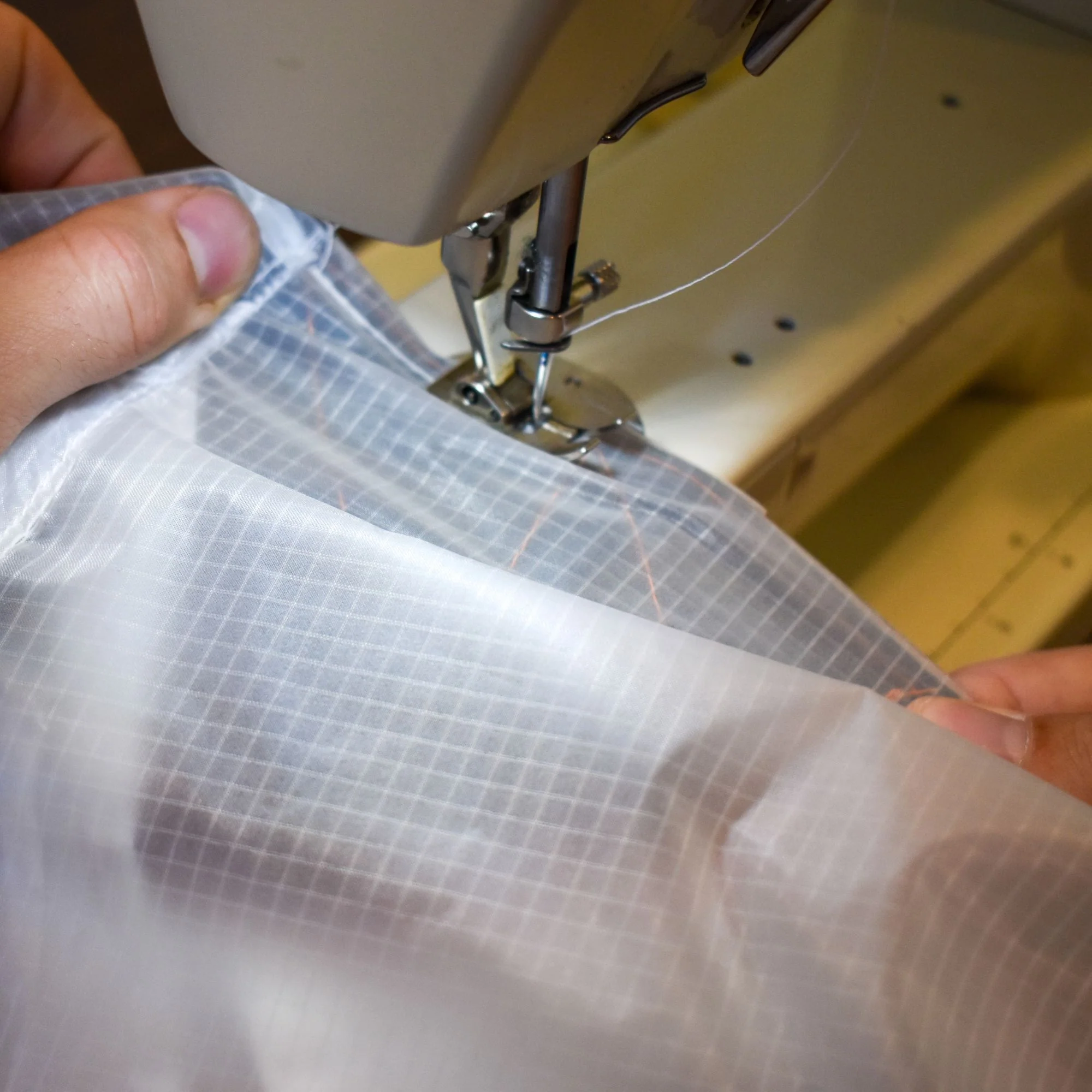
Very light shell fabric is normally sampled near the fine end.
The sewn line should be checked for enlarged holes, damaged filaments and feed distortion.
Coated nylon adds another issue because every needle penetration passes through the coating.
A waterproof seam may later need tape or another compatible sealing process.
The production test should use the real seam stack. Folded allowances, binding and reinforcement can create much more thickness than one flat layer of nylon suggests.
What a 40D Swatch Can Tell You
Suppose a mill sends:
100% Nylon / 40D / 68 GSM / Plain Weave / C0 DWR / 148 cm
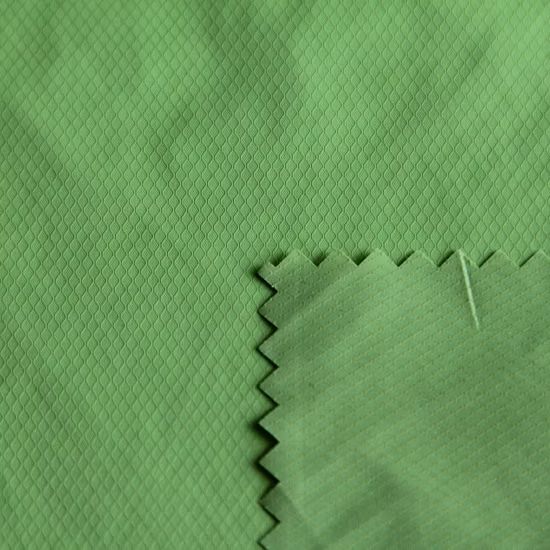
Hold it toward a window and the yarn spacing becomes visible.
The hand tells you whether the yarn feels smooth and filament-like or more textured and bulky.
A folded corner shows how much structure the finished cloth carries.
Stretch can be measured in the directions used by the pattern.
A water drop gives an immediate view of fresh DWR behavior.
The reverse side may reveal coating or lamination.
A small cut piece shows how quickly filaments begin escaping from the raw edge.
From there, the garment determines what needs laboratory confirmation. A breathable shell needs air-permeability data. Loaded panels need tensile and tear results. Washable products need dimensional-change limits. Rainwear needs measured water resistance. High-contact areas need abrasion performance.