What Is Twill Fabric?
Twill fabric is a woven textile with diagonal ribs formed by the way its yarns cross. Twill produces diagonal ribs across the fabric surface, a structure commonly seen on denim and also used in fine shirting. Twill belongs to one of the three basic weave families, alongside plain weave and satin.
The name describes the yarn arrangement. Cotton, wool, silk, polyester and blended yarns can all be woven into twill. In a description such as cotton twill, the words identify the fiber and weave. Denim, chino cloth, gabardine and serge are familiar members of this family.
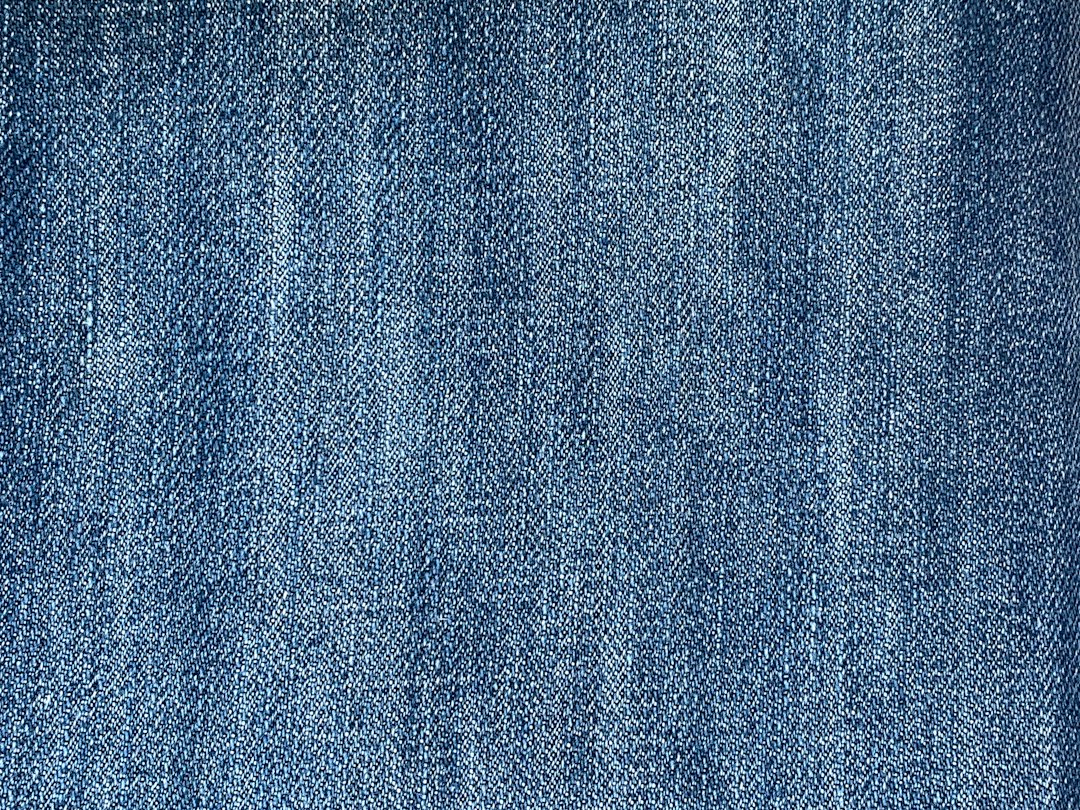
How the Diagonal Forms
A loom interlaces two sets of yarns. The warp runs along the fabric’s length, and the weft, also called filling, crosses its width. Selected warp yarns rise to create an opening for each weft yarn. Changing which warp yarns rise determines the pattern of crossings in the finished cloth.
In a basic 3/1 twill, one warp yarn passes over three weft yarns and under the next. The adjacent warp follows the same sequence with its crossing position shifted by one. Repeating that shift places the exposed sections of yarn along a diagonal. A section passing over several crossing yarns is called a float. The longer warp floats in this construction bring more of the lengthwise yarn to the face.
At a frayed edge, an individual warp yarn can be separated and followed lengthwise into the cloth. The diagonal runs across the staggered crossings on the surface; the main yarn systems continue along the length and width.
Reading 2/1, 2/2 and 3/1 Twill
Twill notation records how many weft yarns a warp yarn passes over and under before the sequence repeats. A warp-faced twill exposes more warp on the front. In a balanced construction such as 2/2, each warp yarn passes over and under equal numbers of weft yarns. The standard simple repeats are shown below.
| Twill notation | Path of one warp yarn | Basic repeat | Surface arrangement |
|---|---|---|---|
| 2/1 | Over two weft yarns, then under one | Three warp yarns × three weft yarns | Warp-faced |
| 2/2 | Over two weft yarns, then under two | Four warp yarns × four weft yarns | Balanced over-and-under arrangement |
| 3/1 | Over three weft yarns, then under one | Four warp yarns × four weft yarns | Warp-faced, with longer warp floats |
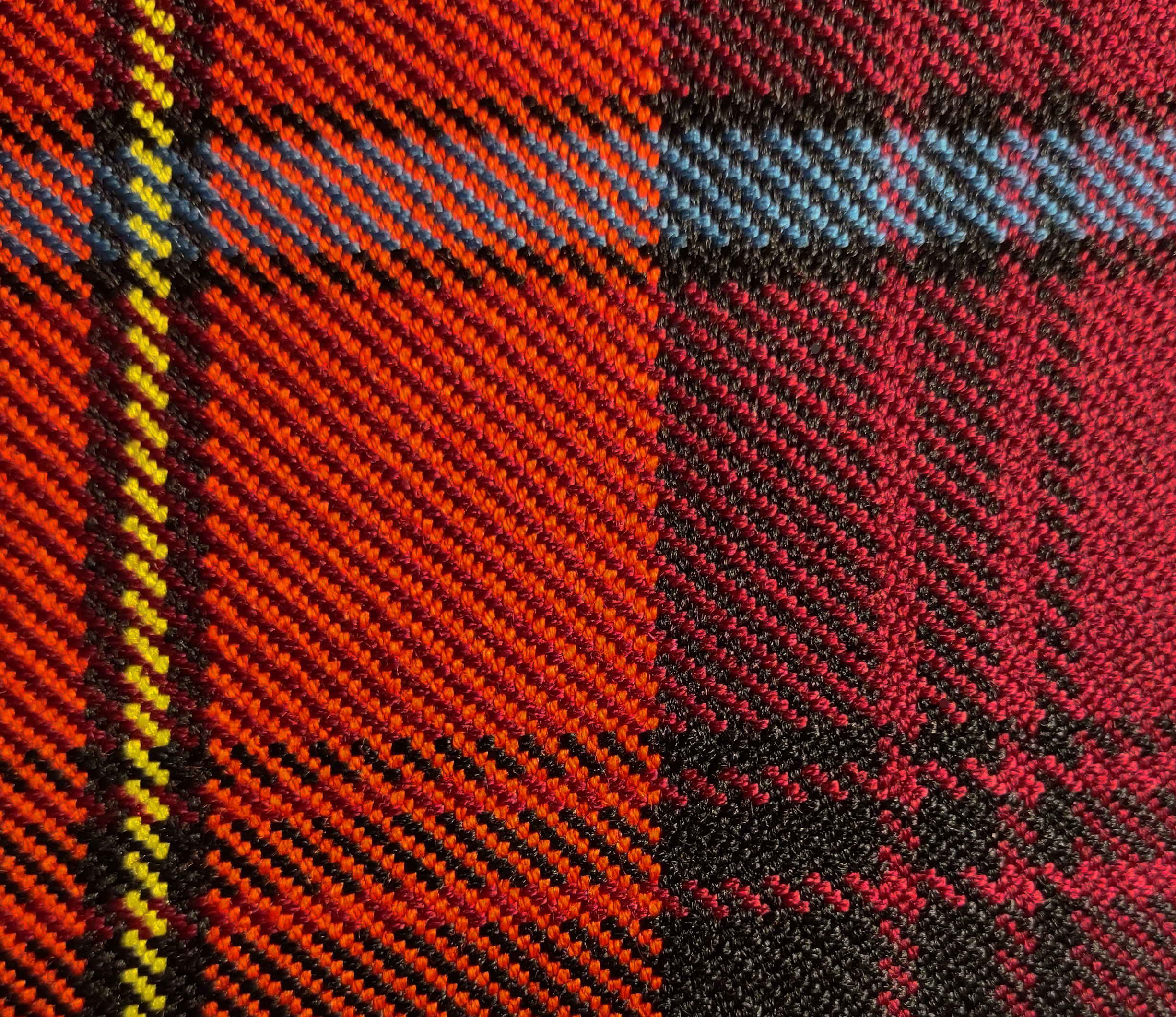
The Twill in Blue Jeans
The pale inside of a turned-up jeans hem reveals how yarn color works with the weave. Conventional blue denim commonly combines indigo-dyed warp yarns with undyed filling yarns. A warp-faced construction brings more blue yarn to the outside, with more pale filling visible on the reverse. Following the blue ridges closely makes the diagonal arrangement easier to recognize.
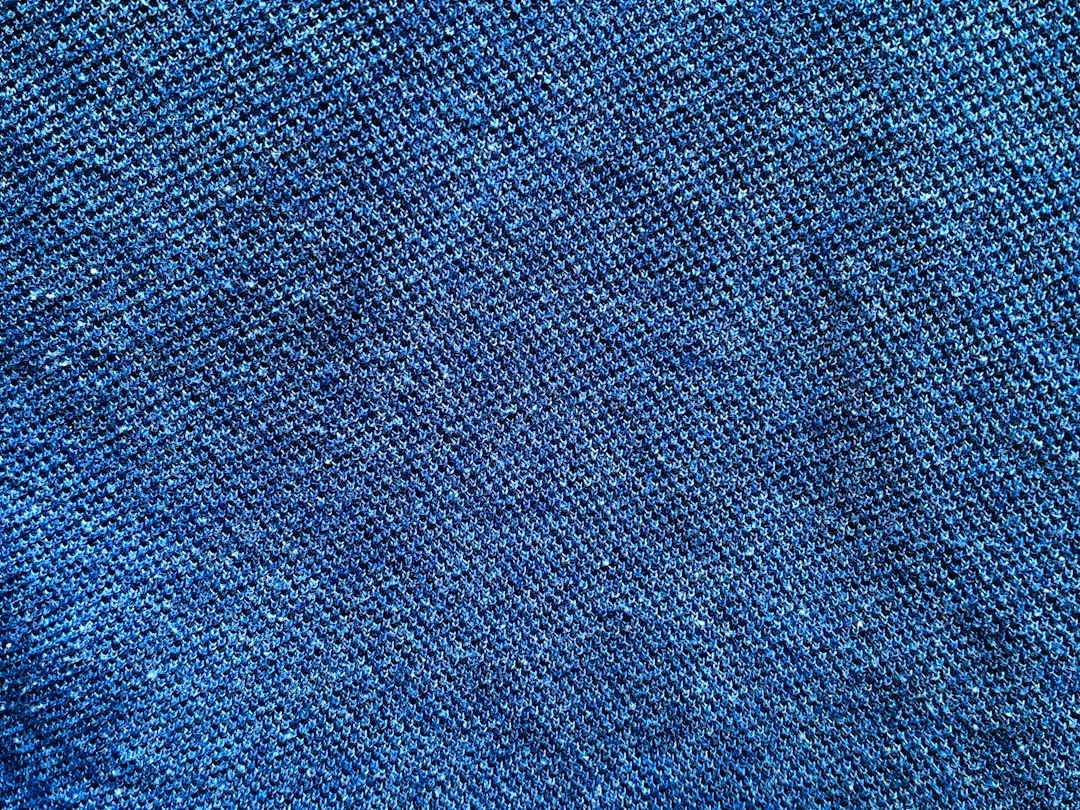
Wear gradually reveals the yarn’s lighter interior. Indigo commonly colors its outer portion, leaving a pale core that becomes exposed through abrasion. Folds and frequently rubbed areas develop the fading associated with jeans, with the woven diagonal continuing through those lighter patches.
Solid-colored twills can receive color after weaving. Piece dyeing treats the whole cloth, coloring both yarn systems. On these fabrics, the diagonal is often most noticeable through its texture and the way the ridges catch the light.
How Twill Develops into Herringbone
A continuous twill line can be redirected at selected points in the weave. Repeating groups of right-hand and left-hand lines creates herringbone, with an offset where the direction changes. The width of each group determines the scale of the pattern. In a chevron arrangement, the reversing lines meet at a point.
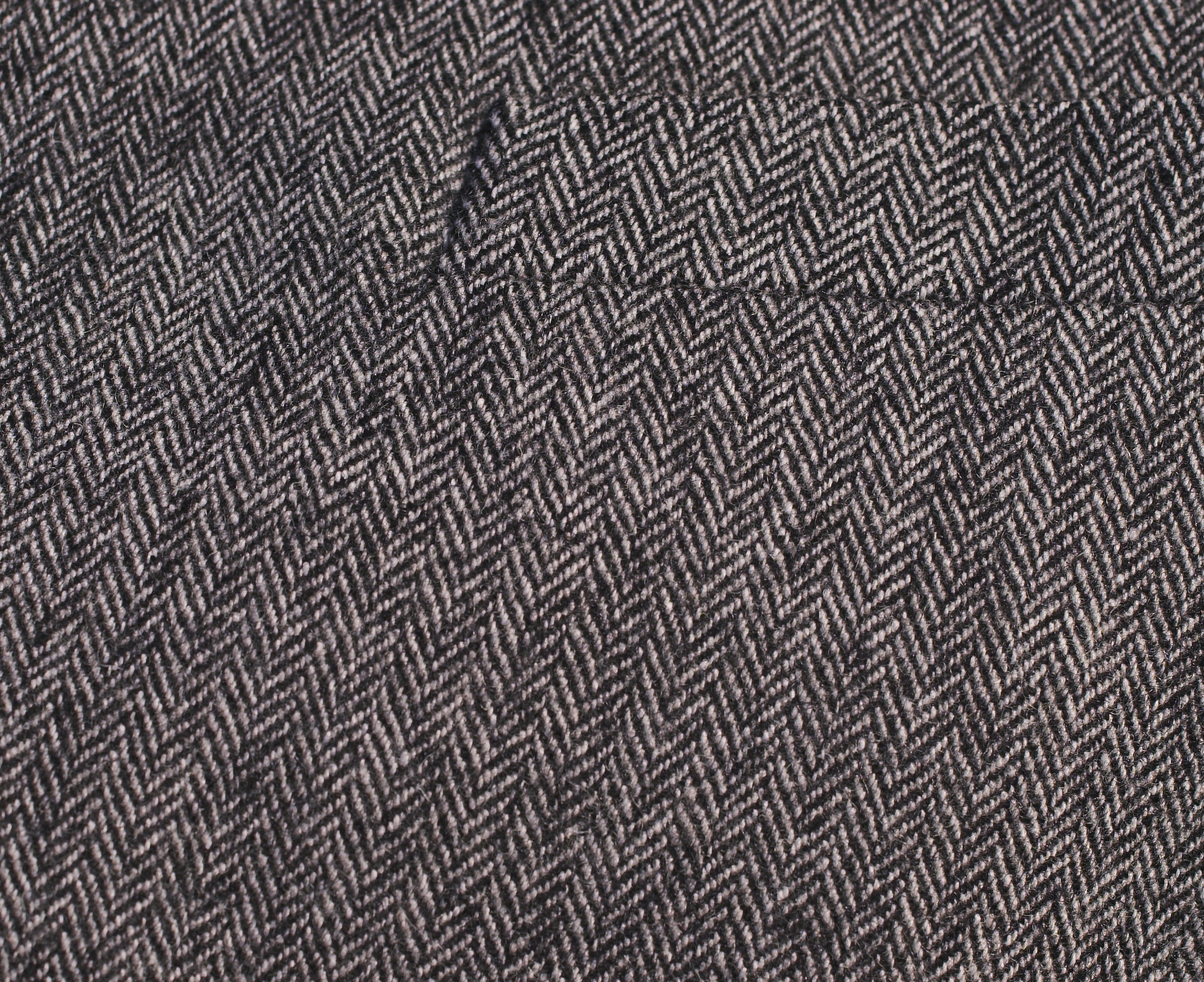
Right-hand and left-hand describe the direction the diagonal rises when the fabric face is viewed upright. A right-hand twill rises toward the upper right. A normal twill angle is approximately 45 degrees, measured from the filling direction.
Recognizing Twill Beside Other Woven Fabrics
An ordinary canvas swatch shows yarns alternating over and under at successive crossings. This plain-weave arrangement creates a regular grid. Looking closely at twill reveals longer exposed yarn sections lining up diagonally, a detail that may require a magnifier on fine shirting.
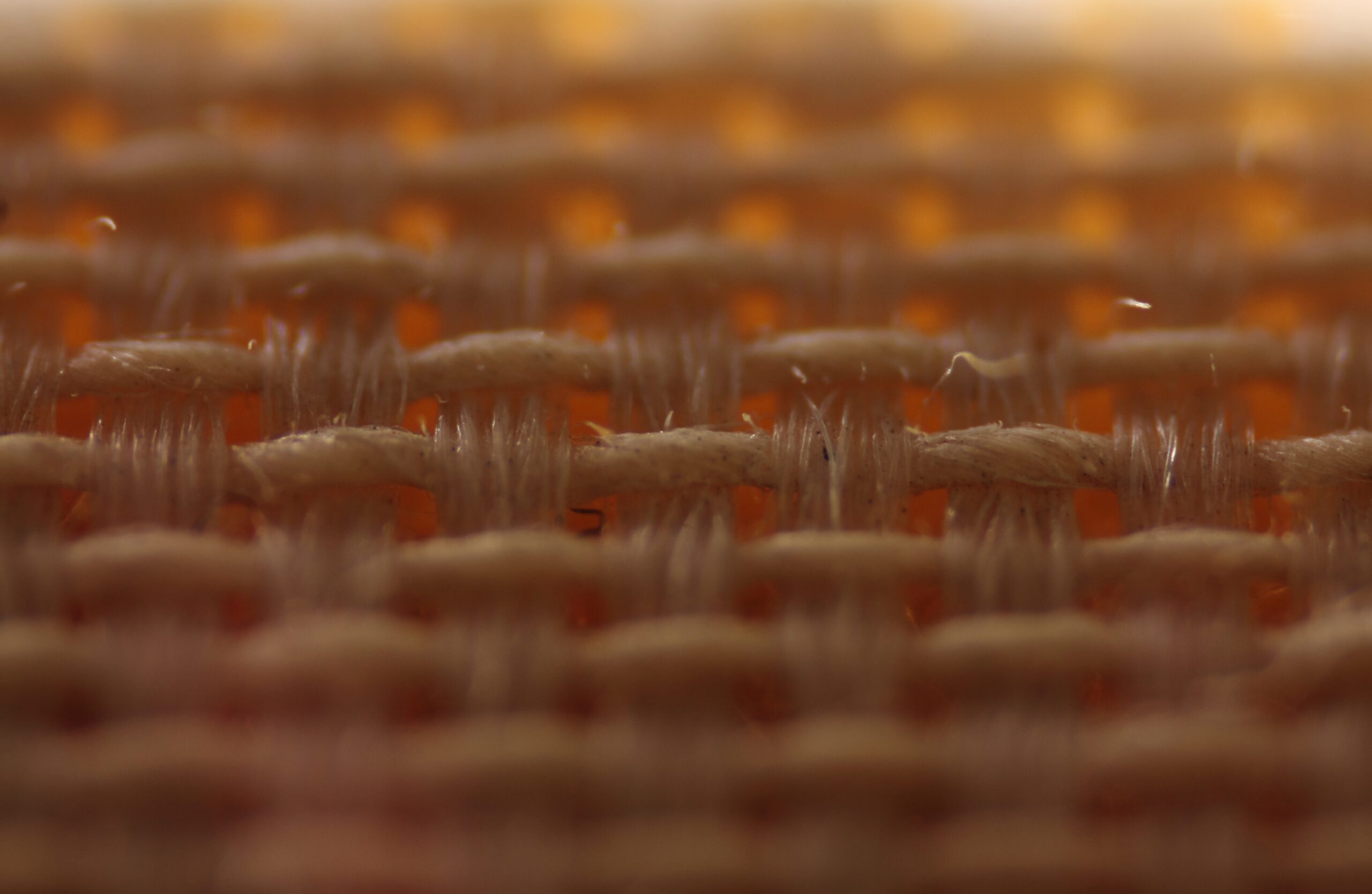
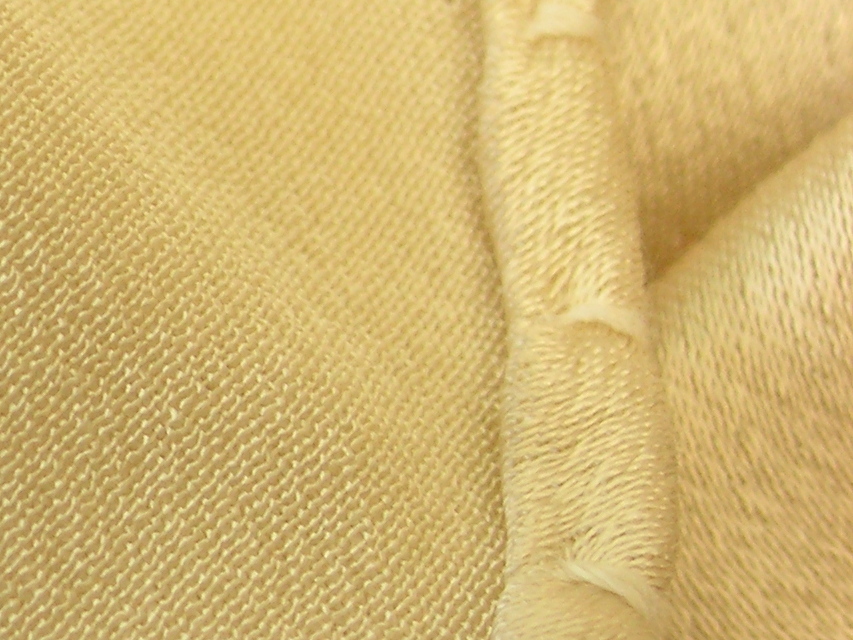
Satin spreads its binding points across a larger repeat, leaving long floats over much of the face. These floats give it a smooth, lustrous surface. Shine can also come from finishing: calendering passes cloth between rolls under pressure, flattening the surface and increasing its luster. The underlying crossings remain available for inspection beneath that finish.
What Twill Feels Like
A brushed twill shirt can feel softly fuzzy as a hand moves across its face. Brushing and napping raise fibers from the yarns, and sanding uses abrasive rollers to create a softer, suede-like touch. These treatments can partially obscure the diagonal underneath.
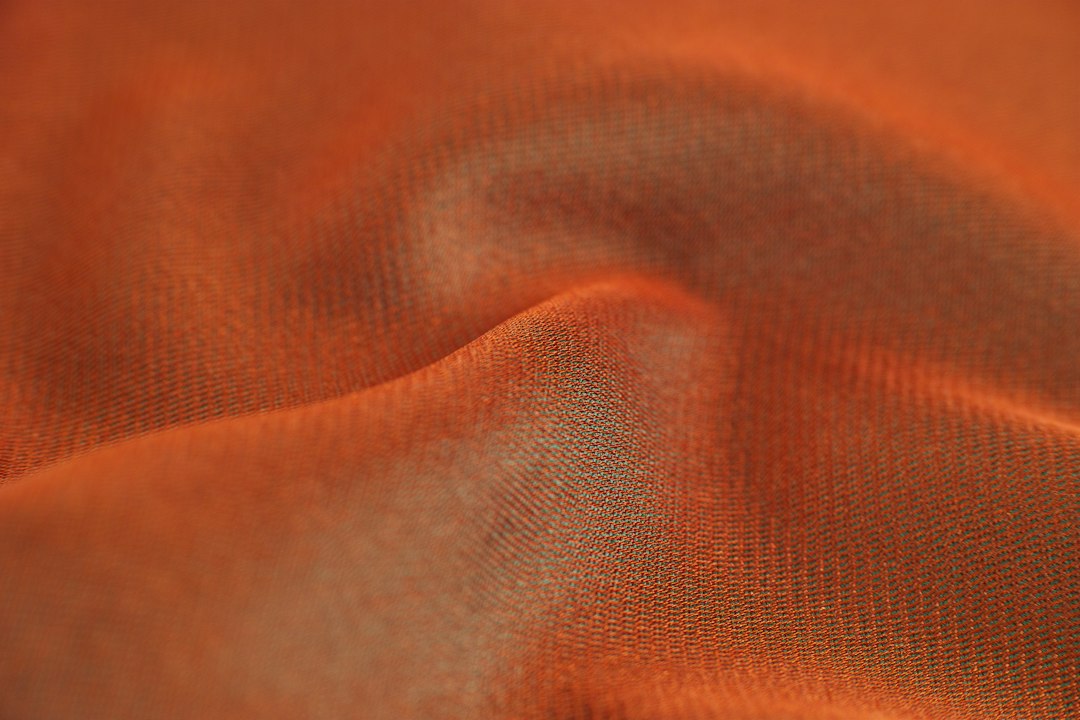
The woven structure also affects movement. Twill floats leave yarns free across several crossings before they are bound down again. With comparable yarns and density, fewer interlacing points generally allow the cloth to drape more readily.
Worsted wool twills can have a particularly clean surface because their yarns use long fibers that have been combed and aligned. That preparation contributes to a smooth appearance and supplies the strength needed during weaving.
Mills can adjust the hand after weaving by applying softeners or treatments that add firmness. A softener changes the way the fabric bends and feels against the skin. Hand-building finishes give the cloth more substance, affecting how a trouser leg or jacket panel holds its shape.
How Heavy Is Twill Fabric?
Acorn’s Balmoral twill is an all-cotton 2/2 shirting weighing 110–120 g/m². The mill describes it as having a soft hand and good drape and makes it with two-ply yarns in both directions.
Brisbane Moss introduced Shelley in November 2020 as a 280 g/m² stretch twill containing 97% cotton and 3% elastane, intended for chinos. Its Hughes twill is lighter: the technical sheet dated 1 October 2025 specifies 160 g/m² and 96% cotton / 4% elastane. These published examples show the weights used in particular shirt and trouser fabrics.
GSM means grams per square metre, so a square metre of 280 GSM fabric has a mass of approximately 280 grams. Its thickness also depends on yarn bulk and finishing. Compressive finishing brings the structure closer together and can increase thickness as the fabric contracts.
Understanding Yarn Count and Fabric Density
Acorn lists Balmoral’s yarns as 2/100s × 2/100s. Each direction uses two 100-count single yarns twisted together; the multiplication sign separates the warp and weft specifications. Combining the two singles gives approximately the linear density of a 50-count single, allowing for the small length change introduced by twisting.
These counts use the English cotton system, written as Ne. The number records how many lengths of 840 yards weigh one pound. A 60-count single therefore represents a nominal 50,400 yards per pound, calculated as 60 × 840. In a specification written 60/1, the “/1” identifies a single-ply yarn. Higher Ne counts describe finer yarns.
Fabric density adds the spacing information. EPI, or ends per inch, counts warp yarns across an inch of width. PPI, or picks per inch, counts weft yarns along an inch of length. The measurement stage matters because weaving and finishing can change the dimensions of the cloth.
The Hughes technical sheet lists 236 warp yarns per inch and 99 weft yarns per inch alongside its 160 GSM weight. A lightweight fabric can contain many closely spaced fine yarns, giving it a compact surface.
Those spaces between yarns also provide routes for air. Yarn twist, crimp and finishing influence the openings, and calendering can reduce airflow by flattening the structure. Brisbane Moss recommends Hughes for lighter clothing in hotter climates. A numerical airflow measurement would come from a test such as ASTM D737, which measures air passing through a defined area under a stated pressure difference.
A Checked Shirt Can Also Be Twill
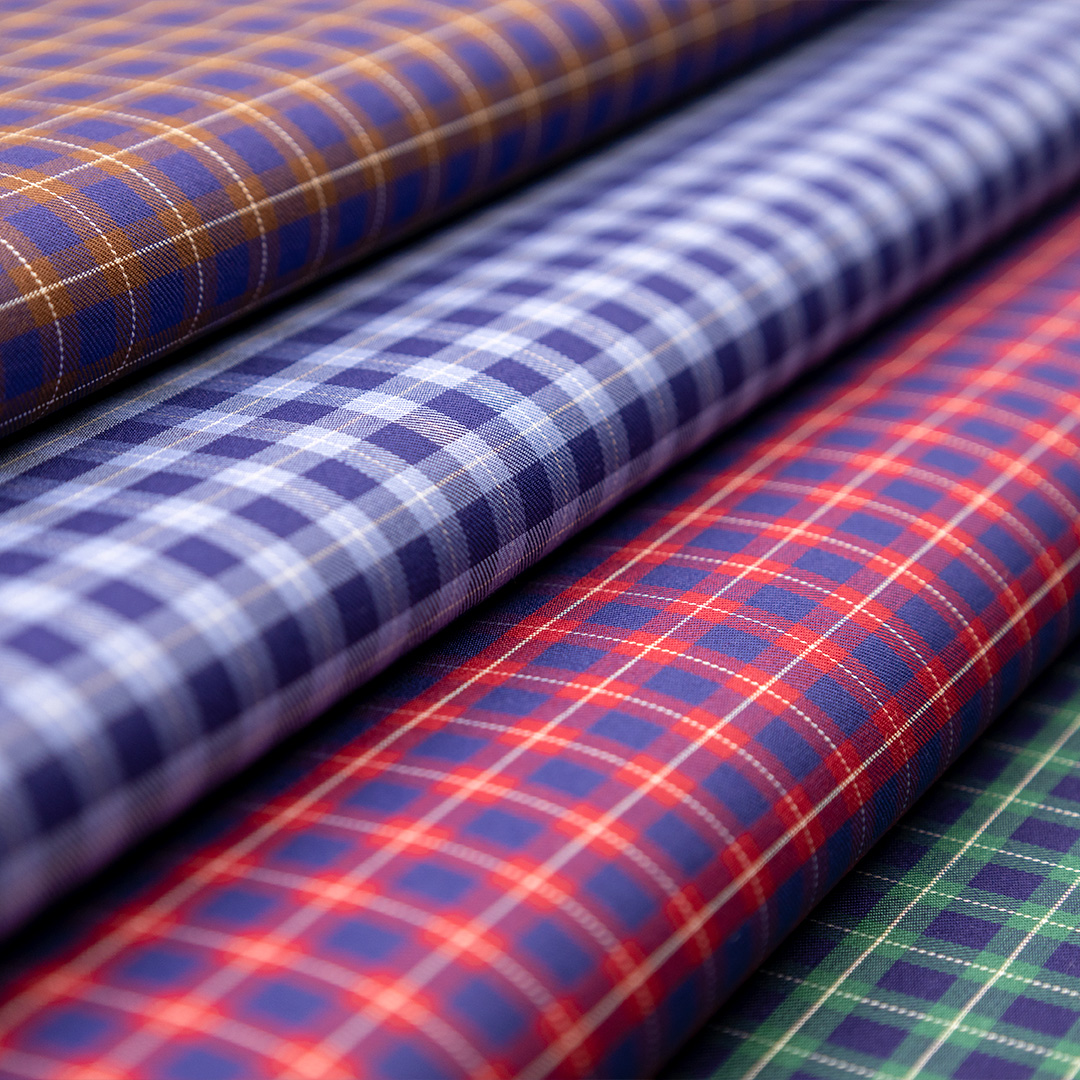
Thomas Mason’s Twill 1818 is a checked shirting made from 100% cotton, with fine diagonal ribs running through its colored squares. The mill specifies 60/1 yarns in both directions. From a distance, the check is the prominent feature; closer inspection reveals the small woven ribs within it.
Printed designs also appear on silk twill. Hermès specifies 100% silk twill with hand-rolled edges for its A Toute Allure scarf. The printed artwork covers the fabric, with the fine diagonal texture forming the surface beneath it.
Chino, Gabardine and Serge
Chino cloth traditionally refers to a cotton army twill used for uniforms and work clothing. Classic versions use combed, plied cotton yarns and receive finishing to control appearance and shrinkage. The name now appears widely on casual trousers, including stretch constructions such as Shelley.
Stretch cotton twill can use a core-spun yarn with an elastic filament inside a cotton covering. Placing these yarns across the fabric width provides movement around the body in trousers. Cotton fibers spun around the core form the outside of each yarn.
The 3% elastane listed for Shelley describes its fiber-weight share. Finished-fabric extension is measured by pulling the cloth under defined conditions and observing its movement and recovery. Methods such as ASTM D3107 cover qualifying woven stretch fabrics, including constructions with more than 12% stretch and good recovery under relatively low tension. The measured percentage depends on the direction, load and timing used.
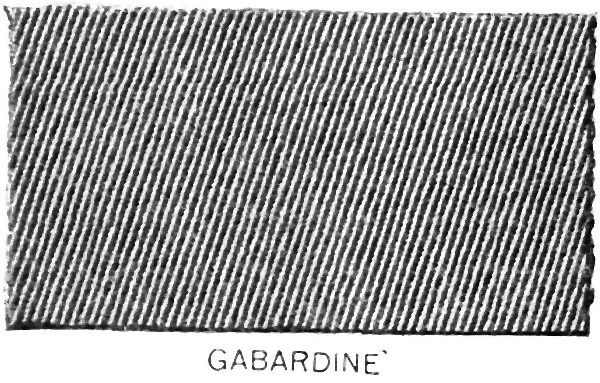
Tailoring uses closely woven twills under names such as gabardine. Wool gabardine is an established suiting fabric, with cotton, polyester, rayon and blends used in other versions. Serge usually identifies a smooth-faced 2/2 twill, particularly in worsted wool. A description such as “worsted wool serge” includes the yarn preparation, fiber and familiar cloth name.
What Durability Means for Twill
The longer floats in 3/1 twill can contribute to higher tear strength. CottonWorks associates this construction with heavier fabrics used for denim, chino trousers and gabardine. Yarn choice, density and finishing affect the strength of the finished material.
Hughes provides a specific set of supplier figures. Its technical sheet lists 17 N warp-direction and 21 N weft-direction tear strength under ISO 13937-2, together with more than 20,000 Martindale rubs without breakdown. The tear values describe resistance to a tear continuing through the specimen. Martindale testing examines the effect of repeated surface rubbing.
The rubbing material, pressure and endpoint influence an abrasion result. Relating that result to years of wear requires evidence from the intended use, since trousers encounter changing loads, contact surfaces and laundering conditions. ASTM’s Martindale guidance explicitly cautions against predicting wear life from laboratory abrasion counts without that supporting relationship.
Finishing can improve durability after weaving. Cotton Incorporated’s TOUGH COTTON™ program includes treatments developed to improve abrasion performance and strength retention. Its published results concern the treated fabrics evaluated in that program.
Wrinkles and Water-Repellent Finishes
A cotton twill shirt can develop creases around the elbows and waist during wear. Wrinkle-resistant treatments help the fabric return to a smoother appearance after folding and laundering. Resin finishing can also preserve a deliberately pressed trouser crease, depending on how the treatment is applied and cured.
Proper Cloth’s Non-Iron Light Grey 140s 3-Ply Twill is a published example: 100% cotton, 134 g/m² and a non-iron finish. The company gives it a 5/5 wrinkle-resistance rating in its own product-rating system.
Laboratory testing can follow the appearance through specific events. AATCC TM124 evaluates smoothness after home laundering. A pressed trouser crease can be evaluated using TM88C, and TM128 examines appearance after controlled wrinkling and recovery. For postwash results, the washing and drying procedure and number of cycles establish what the fabric has experienced before assessment.
Water-repellent finishing affects how droplets wet the surface. In AATCC TM22, water is sprayed onto a taut specimen and the wetted pattern is compared with reference images. This evaluates surface repellency, including the effect of an applied finish.
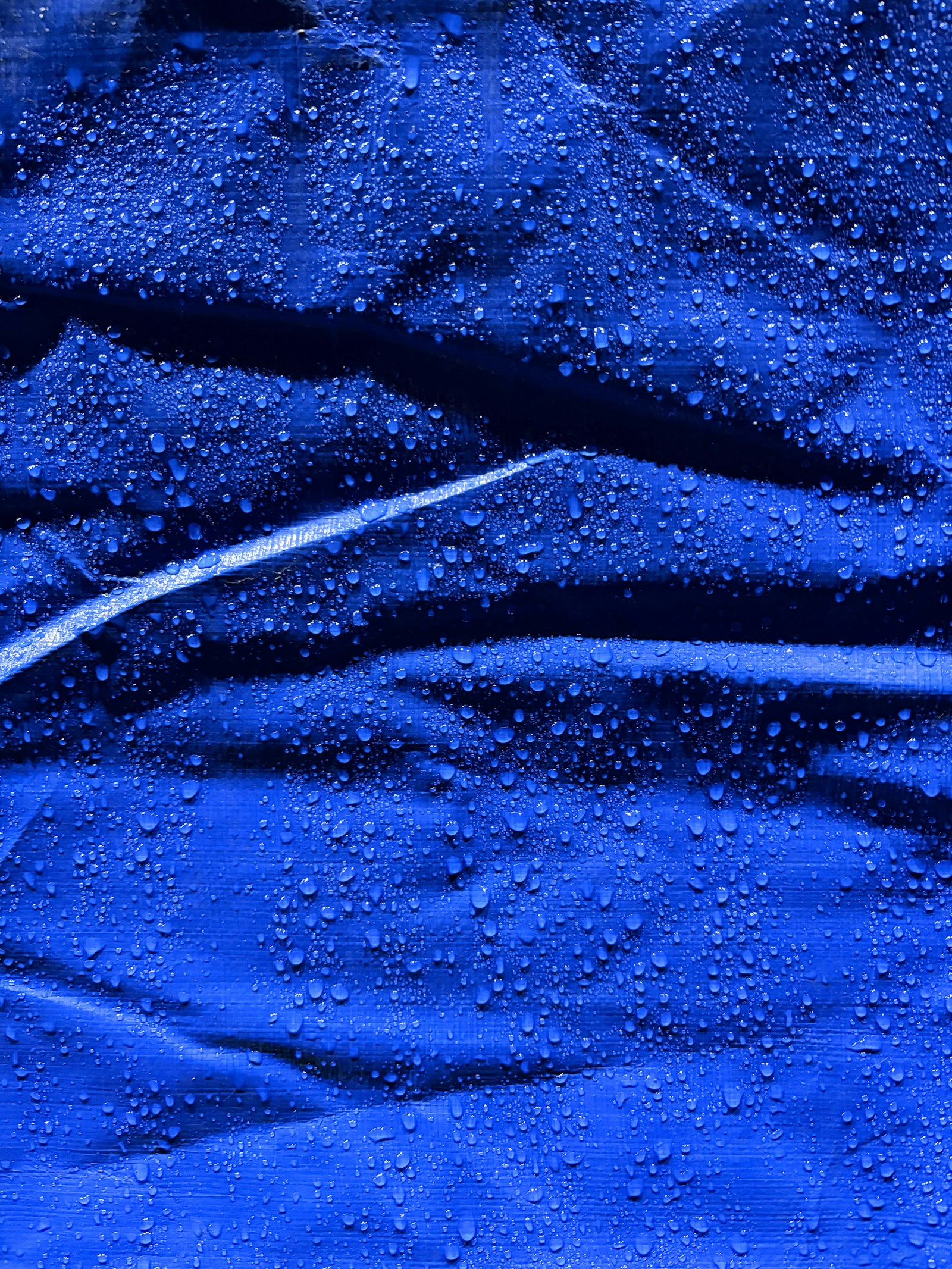
Resistance to water passing through the cloth is evaluated under pressure using methods such as AATCC TM127. The result is reported as pressure or an equivalent water-column height. A spray rating and a hydrostatic-pressure result retain their own units and test conditions. Laundering history also belongs with either result when the fabric has been washed before testing.
Washing and Pressing Twill
Cotton twill can change dimensions as the woven structure relaxes during laundering. Mills use compressive finishing to reduce the length shrinkage remaining before garment production. In woven cloth, this increases the crimp of the warp yarns, shortening the fabric before it is cut into clothing.
The Hughes technical sheet specifies ±3% domestic-washing dimensional change in both directions, citing ISO 6330:2021. This is the supplier’s stated allowance for that fabric. Individual test results show the changes measured on the specimens.
A wash test tracks marked distances along the warp and weft. As an illustrative calculation, a distance that changes from 500 mm to 490 mm has shortened by 2%:
(490 − 500) ÷ 500 × 100 = −2% dimensional change
A negative result records contraction; a positive result records growth. Each direction uses its own original measurement. Methods such as AATCC TM135 specify laundering procedures for evaluating these changes, with the washing, drying, cycle count and conditioning recorded alongside the measurements.
Care instructions vary across the fabrics discussed here. Thomas Mason specifies a 40°C wash, no tumble drying and medium-temperature ironing for Twill 1818. Brisbane Moss gives Hughes a 30°C wash and also prohibits tumble drying. Hermès recommends professional dry cleaning for its printed silk twill scarf and storage flat and untied.
For wool twill garments whose labels permit ironing, Woolmark recommends a wool or medium setting with moisture or steam as appropriate. Heavy pressure can leave a shiny area on the surface. After ironing, leave the garment flat for about five minutes before hanging it so the cloth can cool without developing fresh creases.