What Is Modal Fabric?
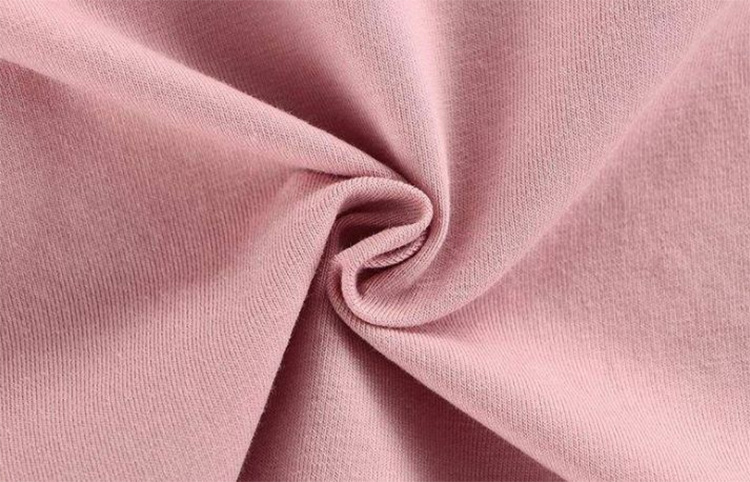
Modal fabric is cloth made wholly or partly from modal, a manufactured cellulose fiber usually produced from wood pulp. It is common in underwear, T-shirts and sleepwear because it can be spun into smooth yarns that feel soft against the skin. In a fine jersey, those yarns form a supple fabric that falls into soft folds. [1]
Modal belongs to the regenerated-cellulose family. Manufacturers extract and purify cellulose, dissolve it through a modified viscose process, then form it into new textile fibers. The process gives modal the strength and resistance to wet stretching required by its technical definition. [2]
A clothing label reading 95% modal / 5% spandex identifies the fiber proportions. The same blend can become lightweight jersey, ribbed fabric or a substantial double knit. The knitted structure determines how the yarns sit together and how much they can move during wear. [3] [4]
How Wood Pulp Becomes Modal
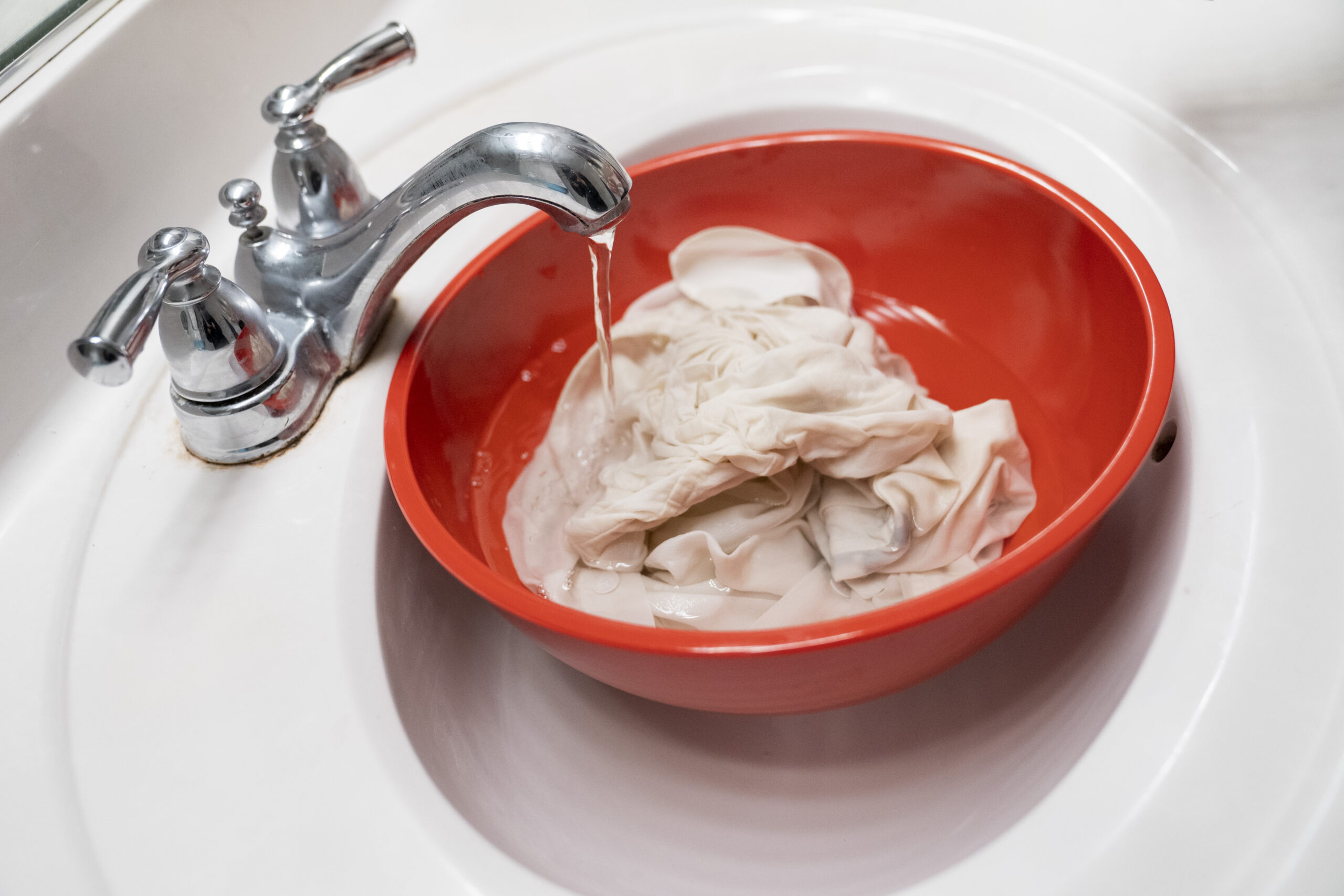
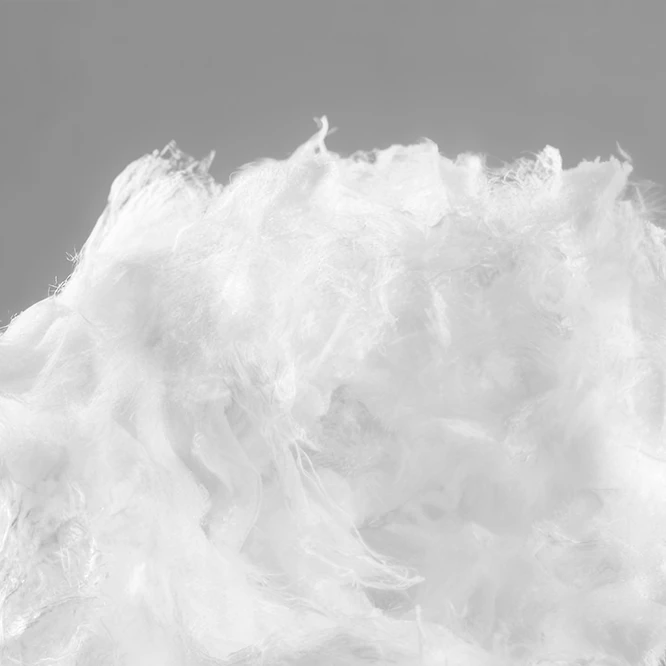
Production starts with purified cellulose pulp. Sodium hydroxide treatment prepares the cellulose, and carbon disulfide is used to form a soluble intermediate called cellulose xanthate. This allows the cellulose to be handled as a spinning solution. [5]
The solution passes through spinnerets containing tiny holes. Inside the spinning bath, cellulose regenerates into continuous fibers. The newly formed fibers are drawn under controlled conditions, increasing the alignment of the cellulose within them. Modal production modifies the spinning solution and bath chemistry to control this regeneration and drawing stage. [6]
That modified process explains modal’s relationship with viscose. CIRFS, the European man-made-fiber association, describes modal as a second-generation viscose fiber with improved dry and wet strength. The formal modal definition also measures the force required to produce 5% elongation in a wet fiber, with the minimum force tied to fiber fineness. This is the practical meaning of the term high wet modulus. [1] [2]
After washing and preparation, modal fibers can be cut into staple lengths and spun into yarn. A knitting mill then uses that yarn to make the fabric supplied to a garment factory. Lyocell follows a separately defined cellulose-dissolution process, which is why modal and lyocell appear as distinct fiber names in textile terminology. [6] [2]
The Fine Fibers Behind the Softness
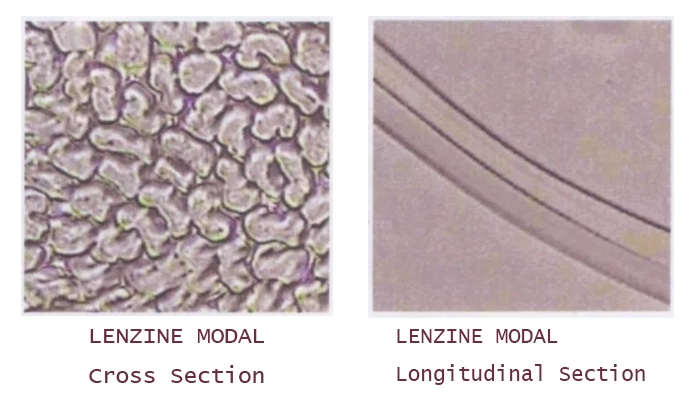
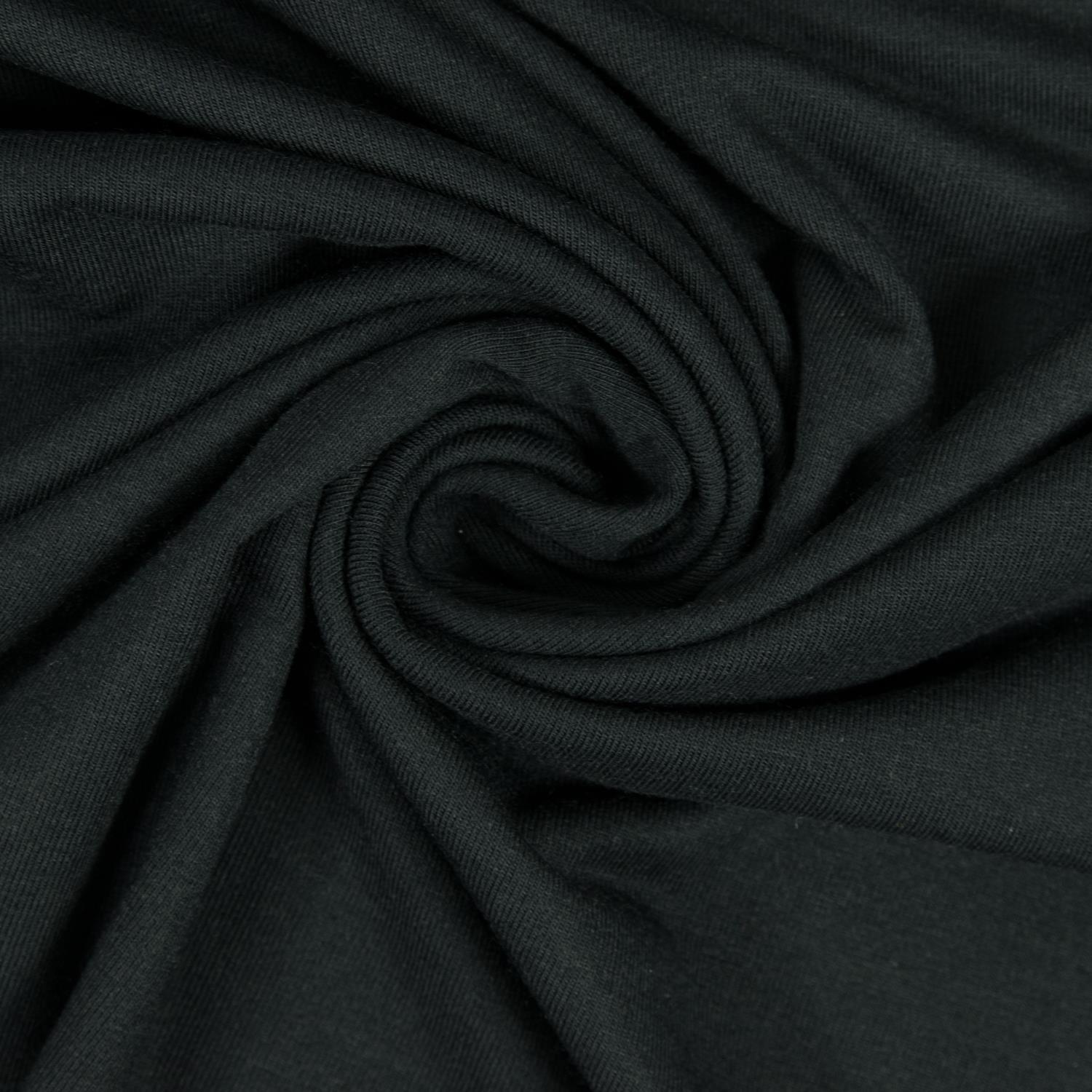
The smoothness of modal begins inside the yarn. Fine fibers bend readily and can be packed into yarns suited to close skin contact. Lenzing describes its Modal Micro technology as producing particularly fine fibers for increased softness. [7]
A 2025 University of Zagreb study used regular modal fibers at 1.3 dtex and modal microfibers at 1.0 dtex. Decitex measures mass per unit length: 10,000 meters of a 1.0 dtex fiber weighs one gram. These figures provide a scale for the fineness associated with MicroModal. [8]
Yarn spinning gathers those fibers into a continuous strand. Fiber arrangement and twist influence the yarn’s surface and flexibility, which helps explain the different handling of fabrics made from modal. A mill can also alter the finished touch through softening treatments. [9] [8]
In a garment, the stitch structure becomes easy to feel. Rib has alternating columns that open as the fabric stretches across its width. Interlock joins two rib systems into a stable double knit with similar-looking faces. These structures place the yarn in different arrangements around the body. [4]
MicroModal appears in more than delicate, thin garments. Koshtex’s Gold Mine Micro Modal jersey is listed at 210 GSM, with 95% modal / 5% spandex. Its fine fibers are used in a medium-weight fabric with considerably more mass than a lightweight underwear jersey. [10]
What a 95% Modal Label Can Become
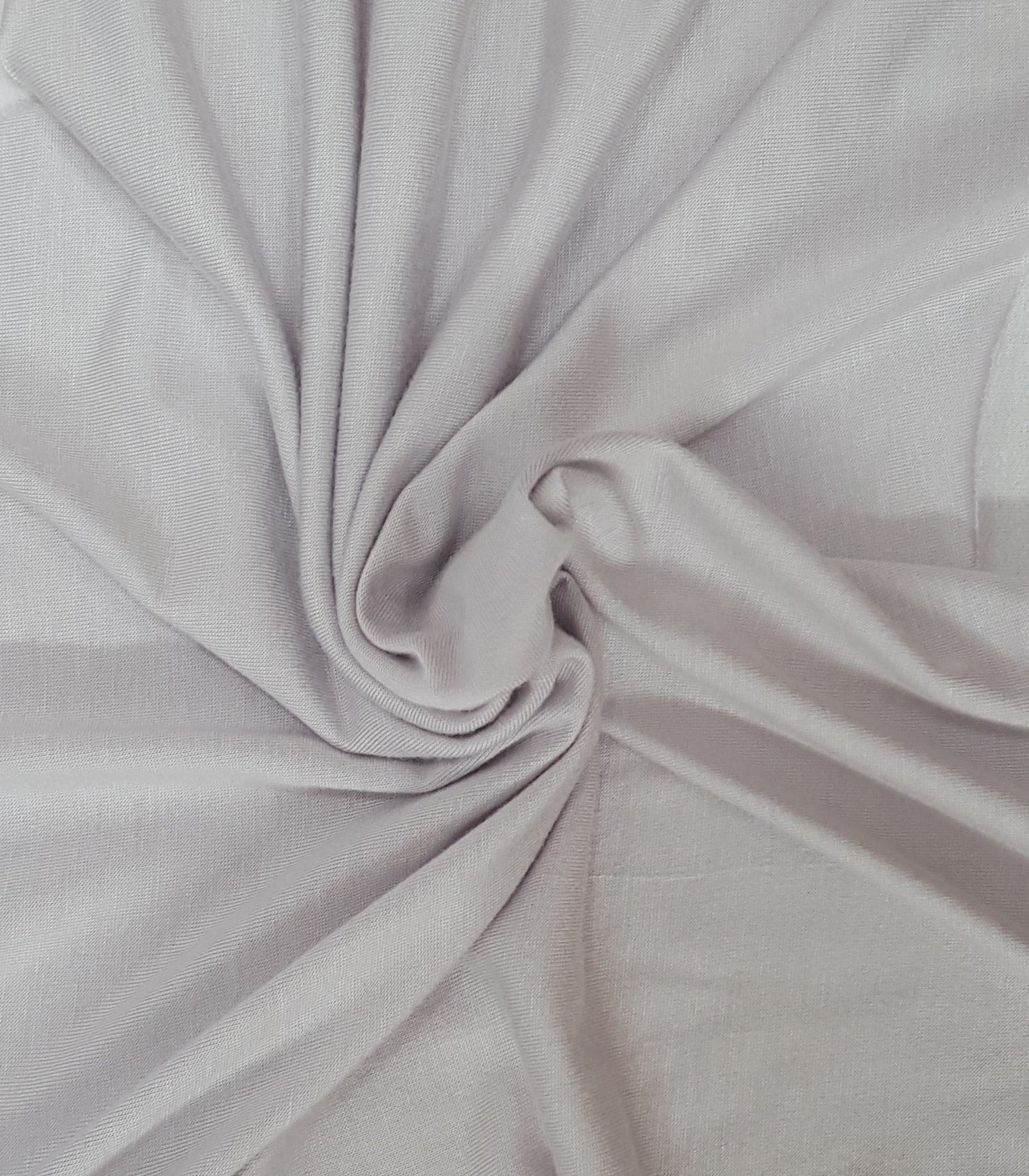
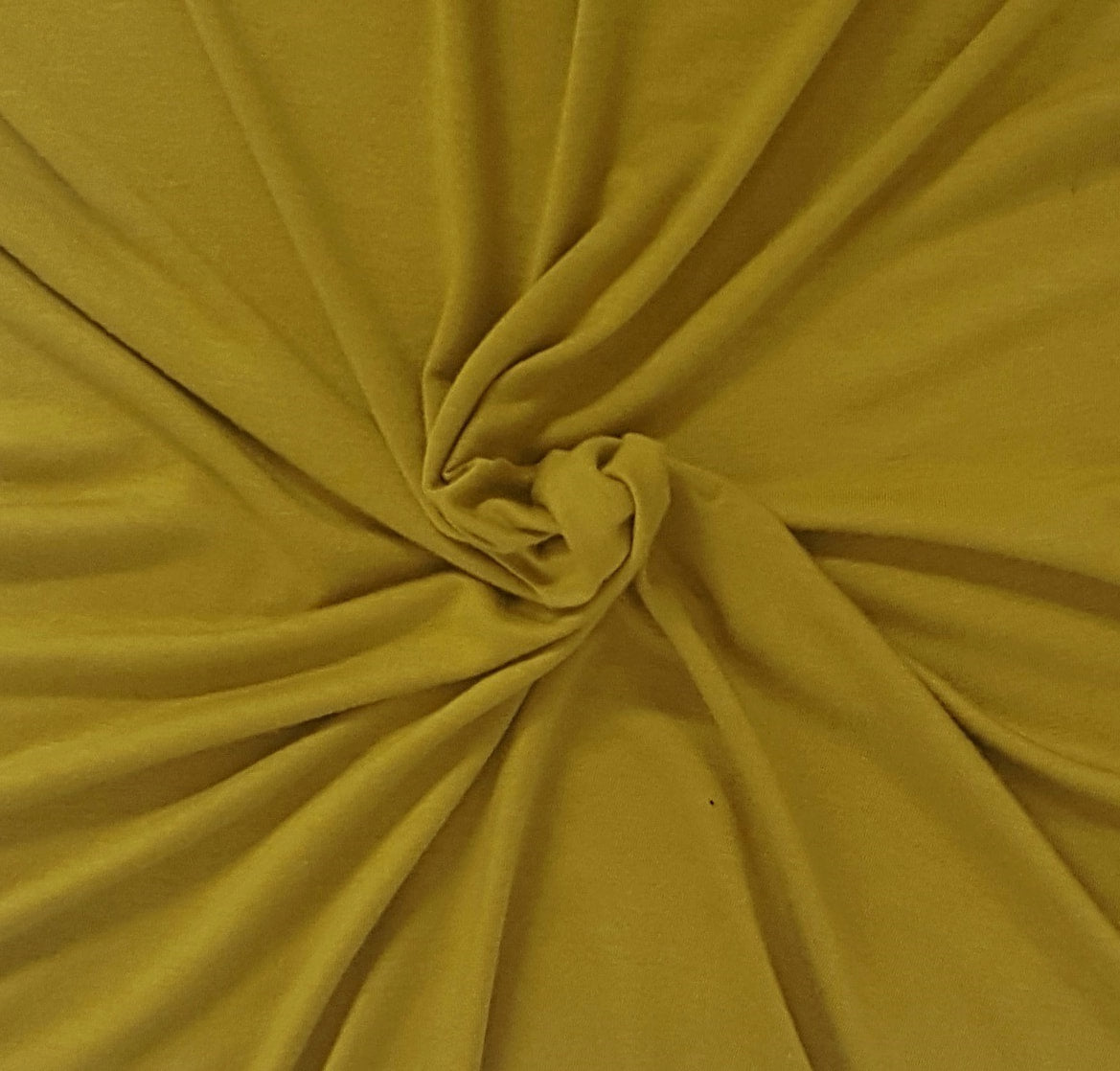
Fabric suppliers publish several useful examples of how a common blend becomes different cloth. Each product below contains 95% modal and 5% spandex.
| Published fabric | Construction stated by the seller | Weight | Listed width |
|---|---|---|---|
| Koshtex Whisper Modal Spandex | Jersey | 170 GSM | 60 in / 152.4 cm |
| Kangman KMZ-232126 | Knitted jersey | 180 GSM | 165 cm |
| Koshtex Gold Mine Micro Modal | Jersey | 210 GSM | 60 in / 152.4 cm |
| Zhiyu ZY-FAB-020 | Double-knit interlock | 230 GSM | 160 cm |
These are supplier-published specifications. Zhiyu also identifies 40s yarn in its interlock product. [3] [11] [10] [12]
GSM means grams per square meter. Moving from 170 to 210 GSM adds approximately 23.5% more fabric mass over the same area. For pattern pieces covering a total area of one square meter, that difference amounts to 40 grams before trims and sewing thread are added.
The 230 GSM interlock introduces a structural change as well. Its intermeshed stitches restrict movement between adjacent stitch columns and resist cut-edge curling. This affects handling at the cutting table and the way the finished fabric holds its shape. [4]
Width affects consumption separately. At a nominal width of 165 cm, one linear meter of 180 GSM fabric represents approximately 297 grams:
180 g/m² × 1.65 m × 1 m = 297 g
Kangman publishes “Width: 165 cm.” The listing does not identify a relaxation procedure or distinguish total width from usable cutting width. For production, the marker should use the measured width available after the roll has relaxed and the edges have been allowed for. [11]
Thickness needs another measurement. The testing foot compresses the textile as it takes a reading, so its pressure affects the result. ASTM D1777 specifically requires that pressure to be stated with the reported thickness. A value such as 0.8 mm becomes useful for comparing samples when the measuring conditions are consistent. [13]
How a Fitted Modal Top Uses Stretch
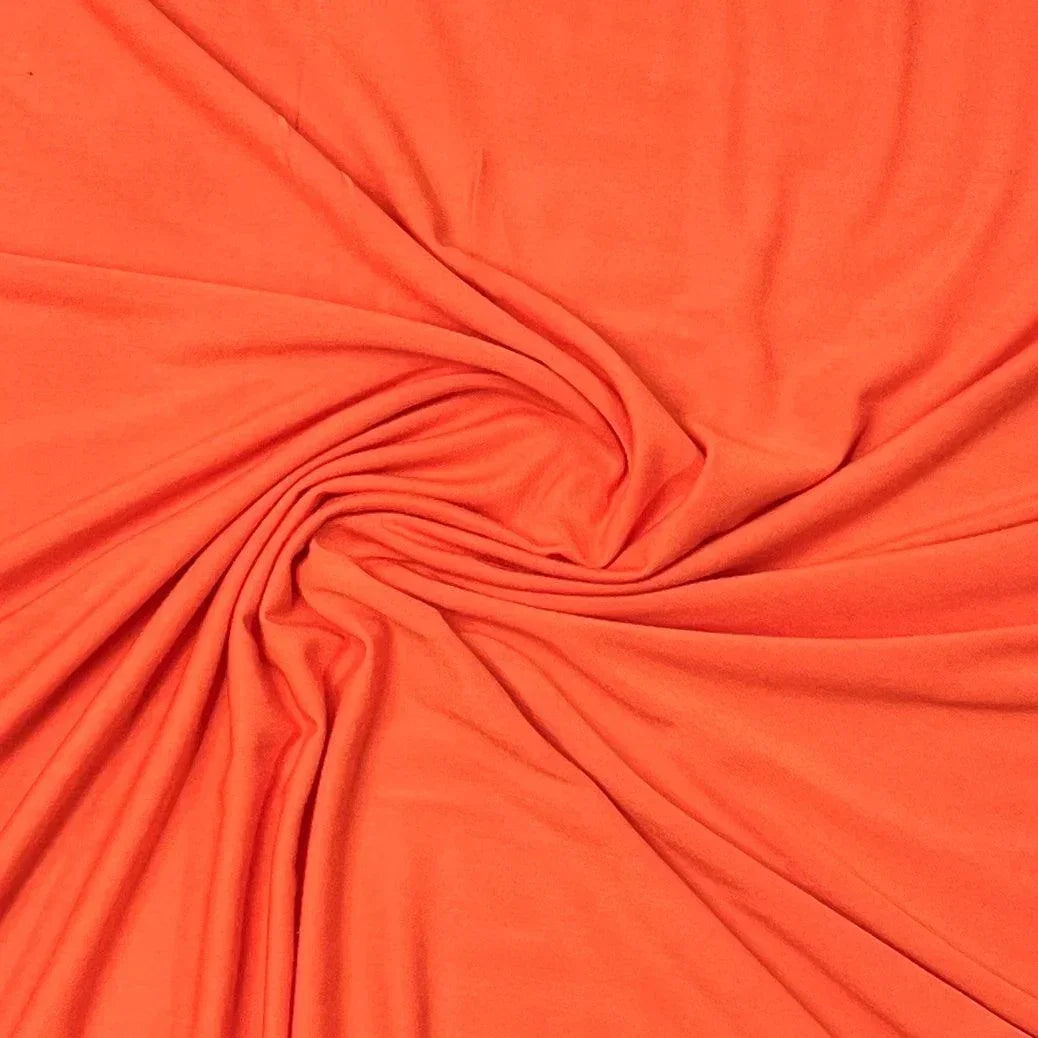
A fitted top places the fabric under tension before the wearer begins moving. The pattern may use a finished circumference smaller than the corresponding body measurement, relying on the cloth to extend.
For a worked sizing example, take a relaxed chest circumference of 92 cm and a body measurement of 98 cm. Reaching that circumference requires approximately 6.5% extension:
(98 ÷ 92 − 1) × 100 = 6.5%
This calculation describes the extension around the chest at rest. Raising the arms places further demands on the sleeve and upper back. The force required to extend the cloth affects how restrictive the garment feels, and the fabric’s return after movement influences whether stretched areas remain enlarged. [14]
Commercial modal jersey can offer substantial movement. Nature’s Fabrics lists its Tiger Lily jersey at 95% MicroModal / 5% spandex, 165 GSM and 58 inches wide, with 100% widthwise stretch and 30% lengthwise stretch. Those are retailer-reported percentages; the test force and recovery interval remain unspecified. [15]
Recovery is particularly relevant at the elbow. After repeated bending, residual enlargement can leave a loose area in the sleeve. ASTM D2594/D2594M evaluates low-power knitted fabrics through stretch under a known load and growth following an imposed extension. ASTM cautions that between-laboratory precision is poor, so comparing submissions requires consistent testing arrangements. [14]
Coverage also changes as a fitted fabric extends. A practical sample-room check can use the production color over a high-contrast card. Opening a marked 100 mm section to 110 mm creates 10% extension for the observation. Photographs taken at the same distance and under the same light provide a repeatable record of how much background shows through. This is a proposed development check, with the extension selected to represent the garment.
Moisture and Comfort During Wear
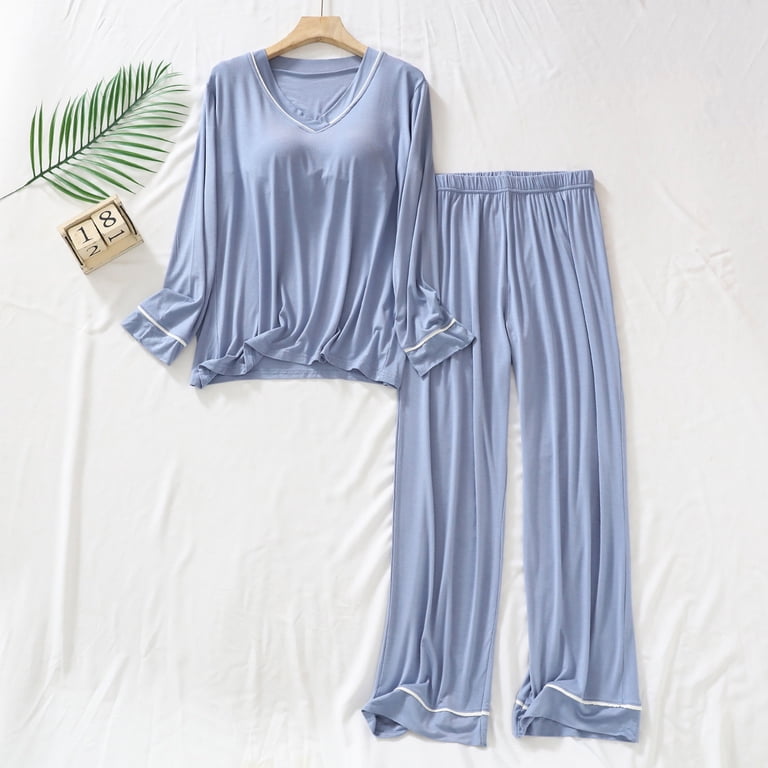
Modal’s cellulose absorbs moisture. CIRFS identifies high absorbency as one of the fiber’s properties, and Lenzing describes moisture absorption and release as part of the comfort performance of its TENCEL™ Modal fibers. [1] [7]
In underwear or a close-fitting T-shirt, this happens in a thin layer of fabric beside the skin. Perspiration enters the cloth, spreads through the yarn structure and eventually evaporates. Fabric geometry influences where the liquid travels and how much surface becomes available for evaporation. AATCC TM195 evaluates these liquid-moisture-management properties in knitted and woven fabrics. [16]
The amount of water held in a textile and the time it takes to dry are separate observations. AATCC TM201 measures drying after a prescribed amount of water is applied to fabric resting on a 37°C heated plate. This provides a controlled way to investigate the drying behavior of the finished cloth. [17]
For the commercial modal jerseys listed earlier, the published information establishes composition and basic fabric dimensions. Claims about drying time would require results from those specific fabrics. An absorbent modal base layer can be comfortable in everyday use; its suitability for a demanding sports application also depends on how the completed garment handles sustained perspiration.
What Washing Can Change
Modal’s wet-strength requirements describe the fiber. During laundering, the yarns and knitted loops also rearrange, changing the dimensions of the cloth. Previous relaxation and finishing treatments influence how much movement remains when the garment reaches the customer. [2] [8]
The 2025 Zagreb study demonstrates this on purpose-made 1×1 modal ribs. After peroxide processing and silicone softening, the modal rib group averaged 8.1% lengthwise shrinkage in a subsequent mild 40°C wash with reference detergent and air drying. These results belong to the experimental fabrics and their preparation route. [8]
At garment scale, a small percentage can be noticeable. Using an illustrative 70 cm body length, a 3% reduction leaves the top at 67.9 cm. That is 2.1 cm removed from the length. The corresponding width change needs its own measurement.
AATCC TM135 provides standardized procedures for measuring fabric dimensional change after home laundering. The selected wash program, drying procedure and number of cycles establish what the test result describes. A report can then state the measured change in each direction. [18]
For development, the fabric should also be made into the neckline and hem constructions planned for the garment. Measuring a marked fabric square captures dimensional change in the cloth; a sewn sample lets the team observe how the elastic fabric behaves around those joins.
How Surface Fuzz Becomes Pilling
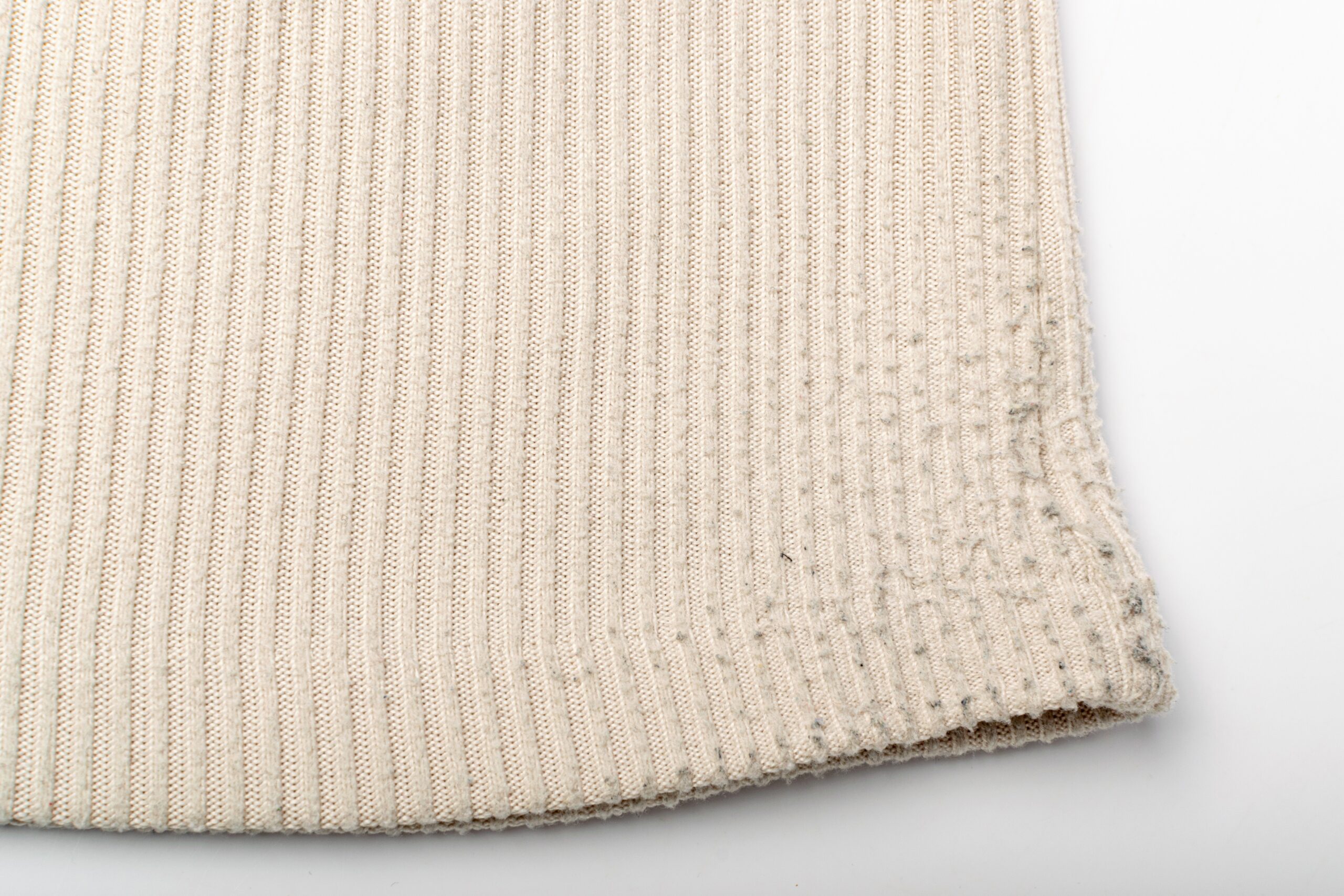
Repeated rubbing can work loose fiber ends toward the surface. As the exposed fibers tangle, small pills begin to form. A smooth modal garment may first develop a faint haze in frequently rubbed areas before larger pills become visible.
The progression was measured in the same Zagreb research. A wet-processed, ring-spun modal rib scored 4.0 after 125 rubs, 2.5 after 1,000 rubs and 1.5 after 7,000 rubs under ISO 12945-2 testing. The assessment scale ran from 5 for no change to 1 for strong change. [8]
That sequence shows why a pilling grade needs its inspection interval. “Grade 4” describes little until the reader knows when it was assessed and which material was tested.
For a clothing program, the relevant specimen is the finished fabric proposed for the order. The test record should identify the yarn and finishing route used for that specimen. Keeping photographs from the inspection points provides a surface reference for later production lots.
Keeping Dark Modal Colors Consistent
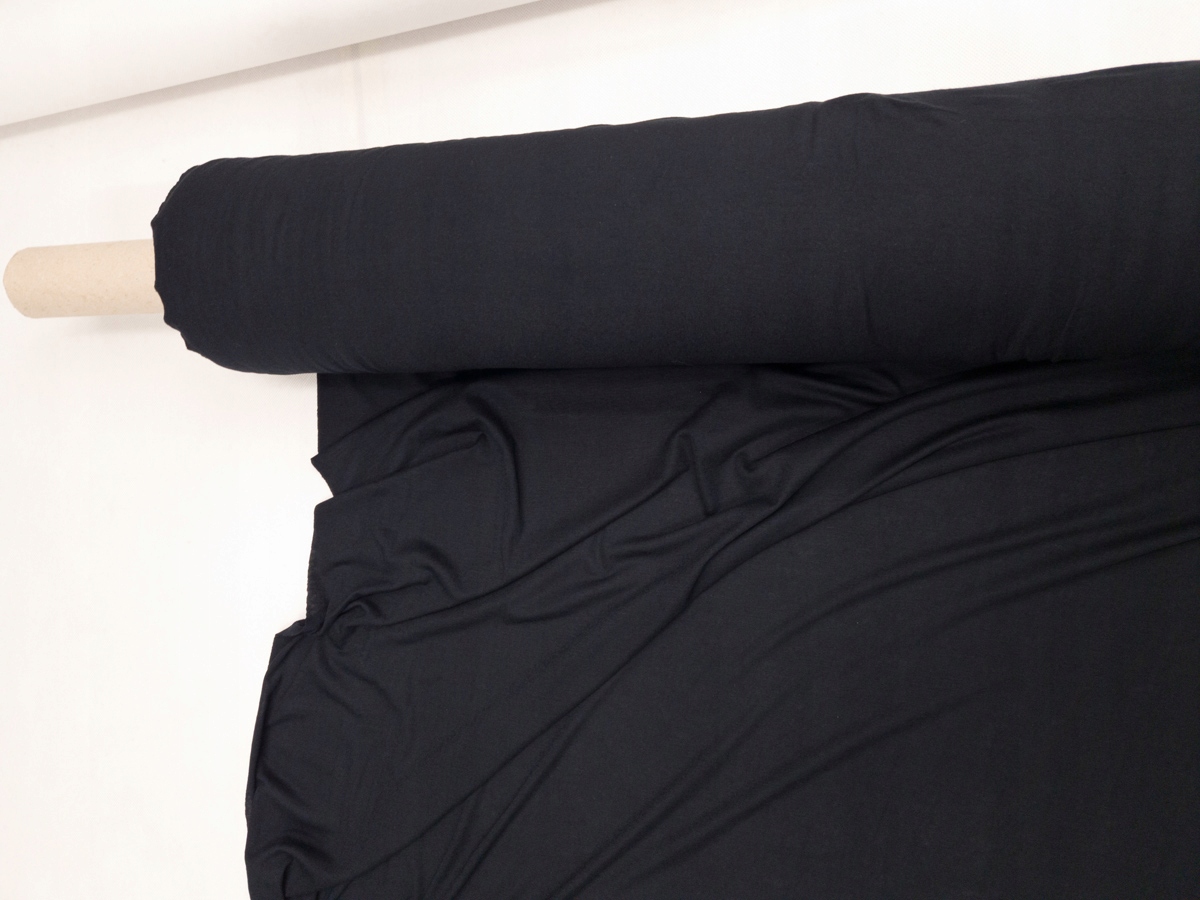
Color development often begins with a lab dip: a small dyed sample prepared to match the requested shade. Kangman offers this service for its modal jersey, allowing a buyer to review the color before bulk dyeing. The product listing provides no laundering or dry/wet rubbing grades. [11]
A black fabric can also be produced using pigment incorporated during fiber manufacture. Lenzing’s Color technology introduces color directly into TENCEL™ Modal fiber production, reducing the need for later dyeing stages. The manufacturing route should therefore be established before describing how the material was colored. [7]
The original shade and its behavior during use are evaluated at different points. AATCC TM61 subjects fabric to accelerated laundering conditions; one 45-minute test roughly approximates color loss and surface changes from five typical hand or home launderings, depending on the selected procedure. [19]
Rubbing transfer is especially relevant for dark garments worn against pale clothing. AATCC TM8 rubs the textile with white test cloths under dry and wet conditions, then grades the transferred color. The resulting report contains separate dry- and wet-rubbing assessments. [20]
These results describe the dyed production fabric. A lab dip remains the reference for the color the dyehouse was asked to reproduce.
TENCEL™ Modal and the Supply Chain

TENCEL™ Modal is Lenzing’s branded modal fiber. The TENCEL™ portfolio also includes lyocell, so a material record should identify which fiber the fabric contains. Lenzing publishes separate information for the products within that brand. [21]
For TENCEL™ Modal, the company reports at least 50% lower carbon emissions and water consumption compared with generic modal. It identifies life-cycle assessment under ISO 14040/44 as the basis for the comparison and states that its wood comes from certified or controlled sources. These claims apply to the named fiber-production system and comparison baseline. [7]
A finished garment includes subsequent processing and any other fibers in the blend. For a 95% modal / 5% spandex top, yarn production, knitting and dyeing add stages beyond the modal-fiber comparison. An environmental claim about the garment needs a scope that accounts for those stages.
The fabric order should connect to the actual fiber source through the supplier’s records. Lenzing also incorporates a molecular marker into TENCEL™ Modal to support identification and traceability after the fiber has moved through the textile supply chain. [7]
Sources
- CIRFS: Modal
- Textile fibre names: Regulation (EU) No 1007/2011, Annex I
- Koshtex: Whisper Modal Spandex Jersey
- CottonWorks: Single and Double Knits
- FSC UK: Forest-friendly fashion and man-made cellulosic fibres
- Lenzing patent WO2020165363A1: Modal fibre production
- Lenzing: TENCEL Modal fibres and product claims
- 2025 University of Zagreb modal rib research: PMC12074228
- HAVVA: Ring-spun yarns
- Koshtex: Gold Mine Micro Modal Spandex Jersey
- Kangman: KMZ-232126 Modal Dyed Jersey Fabric
- Zhiyu: ZY-FAB-020 Modal Double-Knit Interlock, 230 GSM
- ASTM D1777-26: Thickness of Textile Materials
- ASTM D2594/D2594M-21: Stretch Properties of Knitted Fabrics
- Nature's Fabrics: Tiger Lily Modal/Spandex Jersey, 165 GSM
- AATCC TM195: Liquid Moisture Management Properties
- AATCC TM201: Drying Rate of Fabrics, Heated Plate Method
- AATCC TM135: Dimensional Changes after Home Laundering
- AATCC TM61: Colorfastness to Laundering, Accelerated
- AATCC TM8: Colorfastness to Crocking
- Lenzing: TENCEL brand and fibre portfolio