What Is Velvet? Structure, Pile, Types, and How It Behaves in Clothing
Velvet is a pile fabric with a dense layer of short cut yarns rising above a supporting ground. Those upright yarn ends create the soft hand, deep-looking color, directional shine and surface marks people associate with velvet.
Traditional velvet is woven. The pile comes from warp yarns introduced specifically for that purpose, then cut to an even height. CottonWorks defines velvet as a warp-pile fabric with woven cut pile and notes that a high number of pile yarns per inch increases the fullness of the surface.
Silk, cotton, rayon and polyester can all appear in velvet because fiber content is a separate part of the fabric description. Modern apparel catalogs also use velvet for knitted stretch products, which makes the backing construction worth checking whenever fit, sewing or testing depends on it.
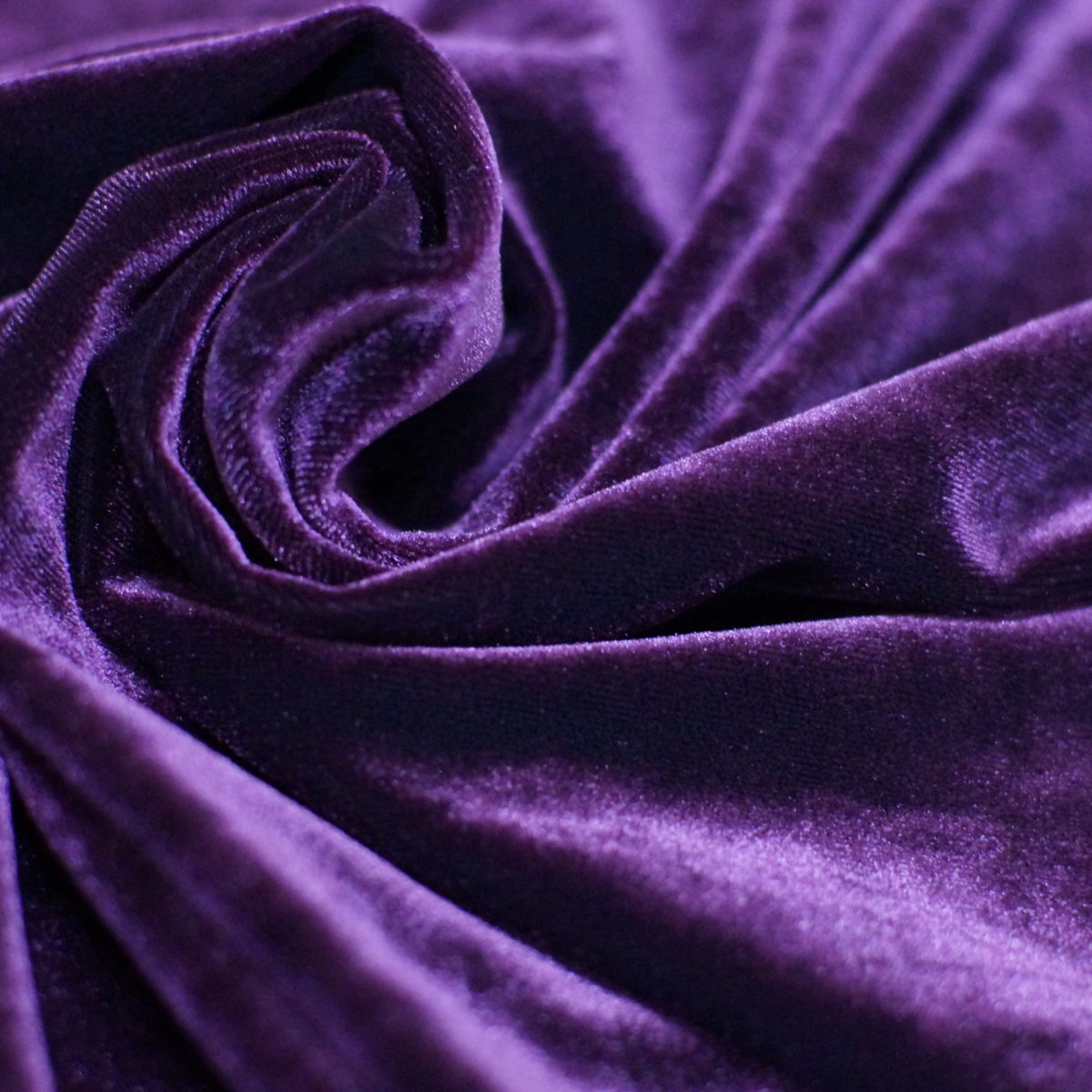
The Pile Is What Gives Velvet Its Character
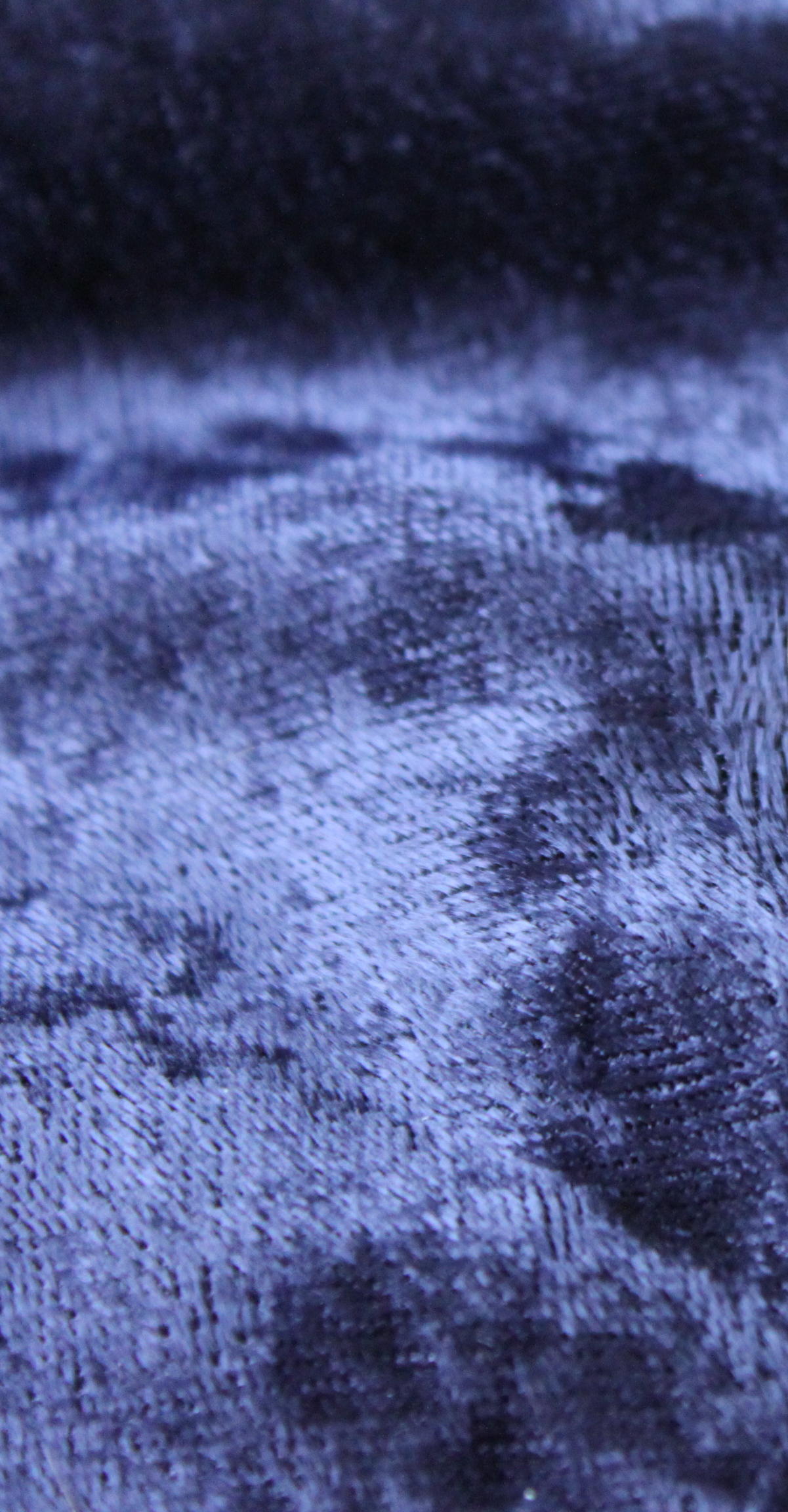
Hold a velvet swatch near eye level and look across the face.
The surface no longer looks flat. Thousands of short yarn ends project above the ground, forming a layer that may be around a millimeter high in apparel fabrics.
Bend the swatch tightly around a finger. The pile spreads farther apart along the curve, making the supporting ground easier to see.
The number of pile yarns packed into the surface changes how full that face appears. Dense pile hides more of the ground and creates a deeper-looking surface. Lower density exposes the base sooner when the cloth bends.
Light also travels through this raised layer before returning to the eye. Some rays hit the fiber tips. Others travel into the spaces around the pile. The result is the dark, saturated appearance that makes black, navy, burgundy and jewel-tone velvet look especially deep.
Inside Traditional Woven Velvet
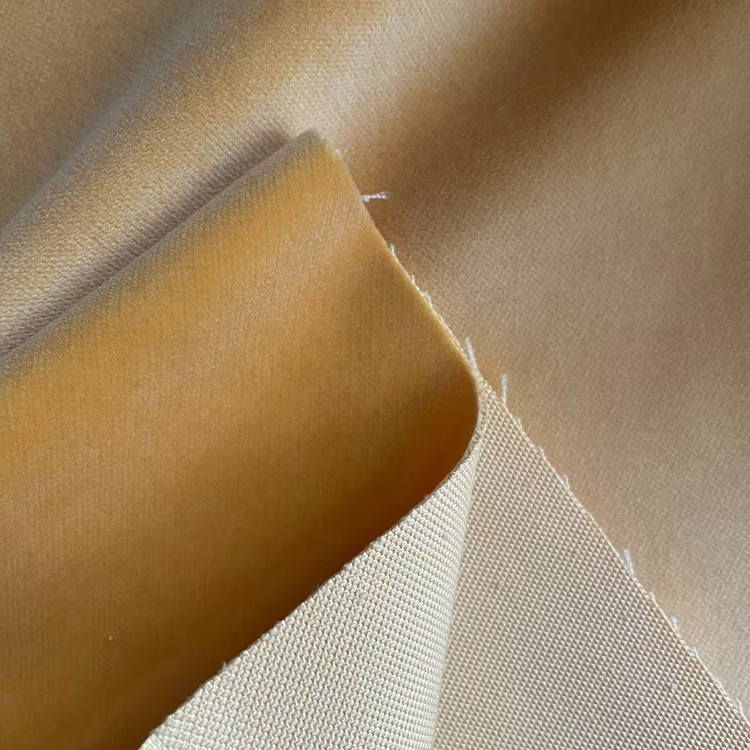
A standard woven cloth needs warp and filling yarns to form its ground.
Velvet adds pile warp.
The ground provides the structure that carries the finished fabric. Pile yarn moves through that ground and later becomes the visible surface.
CottonWorks records two common pile shapes used in velvet construction. A V-shaped pile uses a single binding with the ground yarns. Adding a second interlacing creates the W-shaped formation, giving the pile stronger anchoring in the fabric.
That detail is hidden under the finished face. It becomes relevant during repeated rubbing, garment care and any situation where pile retention matters.
How the Loom Creates a Velvet Surface
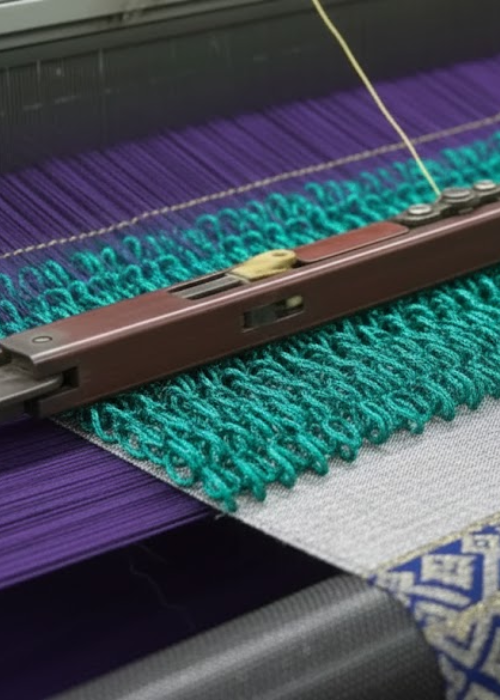
A widely used velvet method weaves two ground fabrics together.
Pile warp travels through the space between them and connects the grounds during weaving. A cutting mechanism passes through that space and severs the pile yarn.
Once separated, each ground carries a cut pile face.
The surface then goes through finishing. Shearing brings projecting fibers to a controlled level and removes excessive height variation across the cloth.
CottonWorks places velvet pile below 1/8 inch, equal to 3.175 mm. Its terminology uses plush for warp-pile fabrics above that height.
Commercial apparel velvet can sit far below the 3.175 mm boundary. A current 95% polyester / 5% spandex garment velvet specification lists 1.0 mm pile height, 250 GSM weight and 58/60-inch width.
Why Velvet Changes Shade Under Your Hand
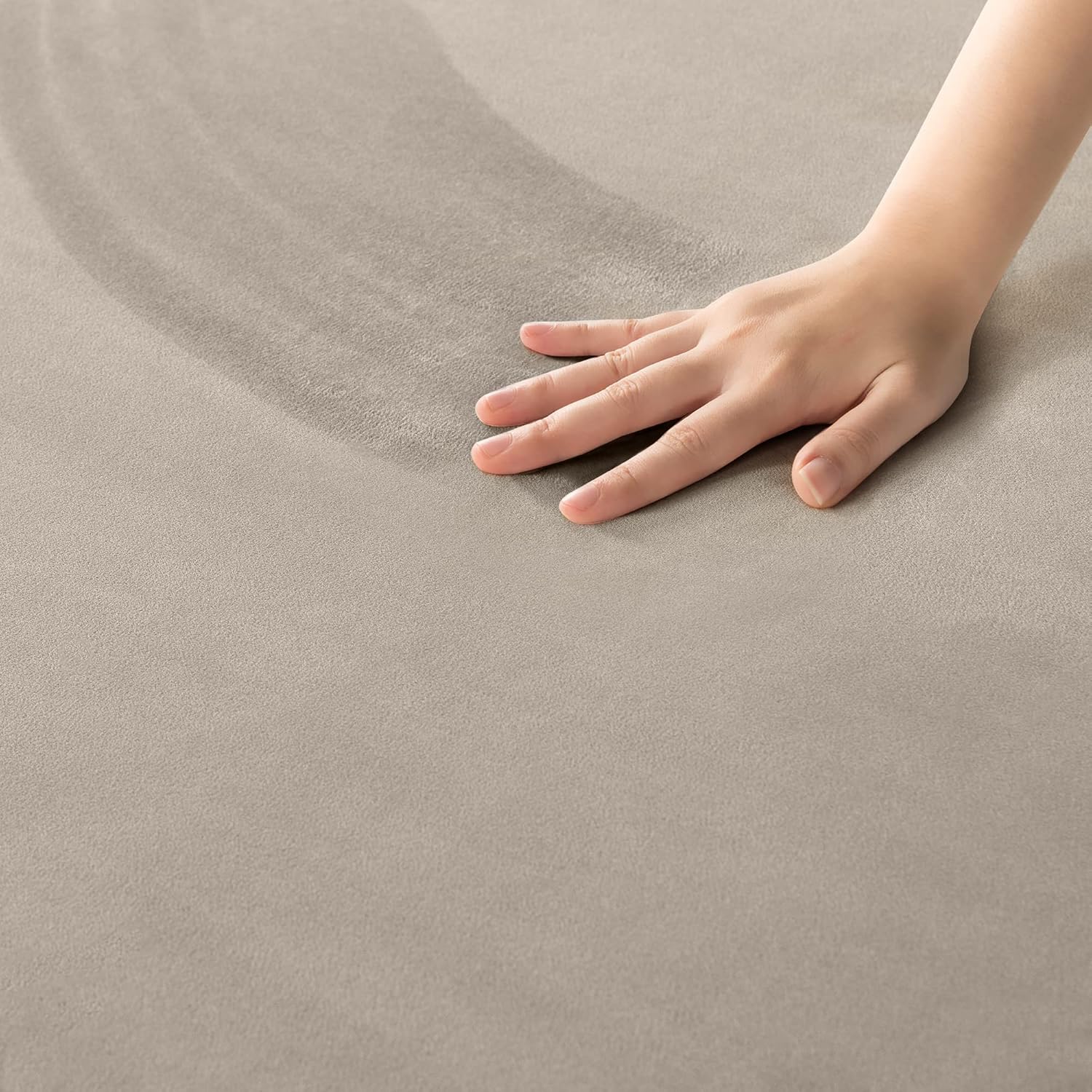
Place a dark velvet swatch under a fixed lamp and move your palm across part of the surface.
The touched area immediately looks lighter or darker.
The change comes from nap, the direction in which the pile lies. Moving those fibers alters the angle at which the surface meets the light.
A large garment makes the effect more obvious. Folds in a velvet skirt redirect the pile over broad areas, so highlights move through the fabric as the wearer walks.
Finger marks work through the same mechanism. Pressure shifts a small group of fibers and changes their reflection.
Nap becomes part of the garment long before sewing starts because every major pattern piece has to respect the intended pile direction.
Why Turning a Pattern Piece Can Change the Finished Color
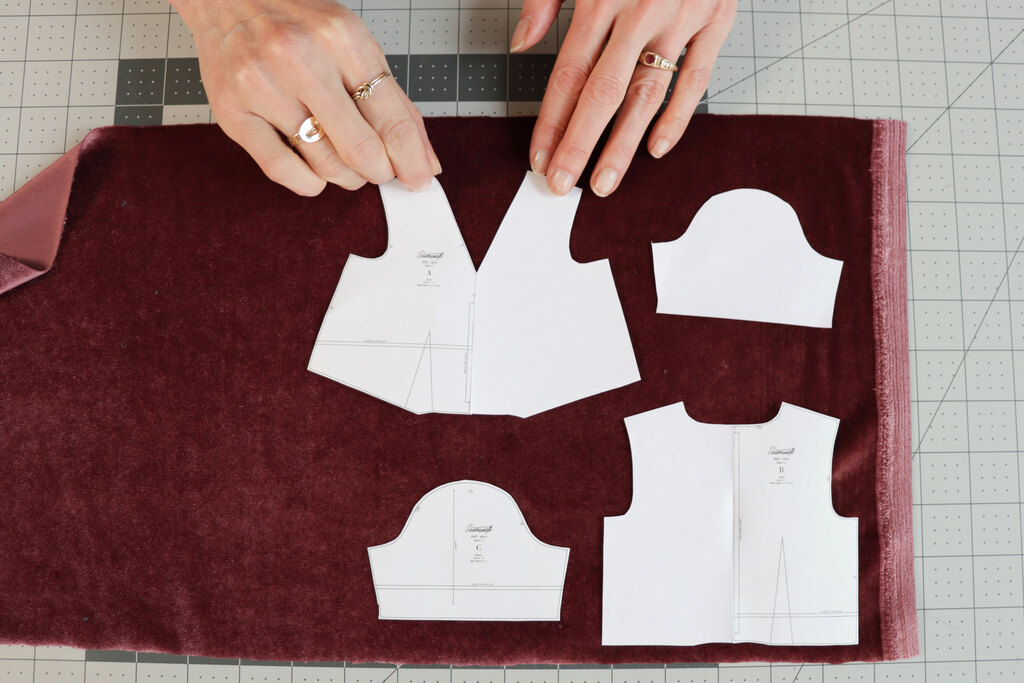
Imagine a jacket marker with an empty space large enough for a sleeve.
Rotating the sleeve 180 degrees may improve fabric utilization. The finished sleeve can appear to be a different shade because its nap faces the opposite direction from the jacket body.
For this reason, velvet markers commonly keep major pieces running one way.
Suppose a freely rotated marker uses 1.60 m. After the pieces are arranged for one-way nap, consumption reaches 1.74 m.
(1.74 − 1.60) ÷ 1.60 × 100 = 8.75%
The nap requirement added 8.75% in that specific marker.
Fabric width, size ratio and pattern geometry determine the result on a production style, so the usable consumption figure comes from the actual final marker.
A 250 GSM Velvet Can Have Several Different Surfaces
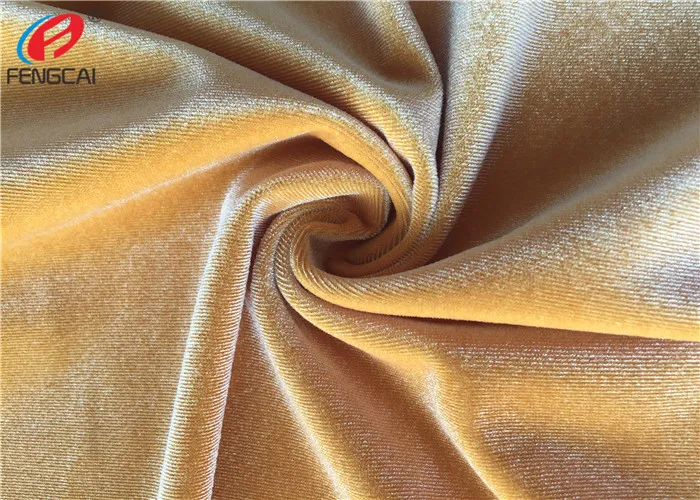
GSM records total mass per square meter.
It cannot tell you how much of that mass sits in the ground or how much contributes to the pile.
Real supplier data shows how much variation can exist inside the same nominal weight.
A 95% polyester / 5% spandex velvet from Juncheng Textile is listed at 250 GSM with 1.0 mm pile. The same supplier publishes a polyester/spandex velvet at 250 GSM with 1.5 mm pile. Its micro velvet range includes a 250 GSM version with 0.5 mm pile.
All three examples carry the same listed weight.
At 0.5 mm, the surface stays close to the ground. A 1.5 mm pile gives the fibers three times the nominal pile height of the 0.5 mm example, changing how the face bends, reflects light and responds to pressure.
Pile density remains another variable, so two fabrics sharing the same pile height can still feel different.
Pile Height and Fabric Thickness Need Separate Measurements
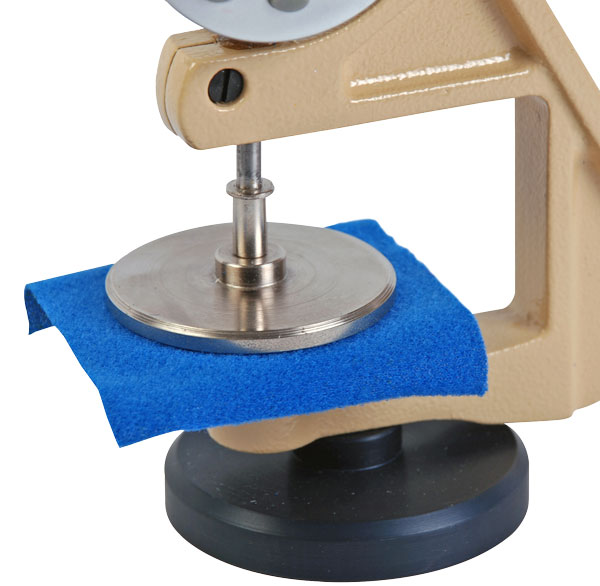
Pile height refers to the raised fibers.
Finished thickness covers the complete fabric under the pressure used during measurement.
That pressure matters greatly on a compressible surface.
ASTM D1777-26 covers thickness measurement for woven, knitted, napped and pile fabrics. ASTM states that apparent thickness varies considerably with applied pressure and says the pressure needs to be specified when a thickness value is reported.
A laboratory result of 1.20 mm therefore needs its test condition before a sourcing team can compare it with a 1.05 mm result from a different mill.
A 1.0 mm pile-height specification also cannot be substituted for finished thickness because the ground contributes its own depth beneath the pile.
What Fiber Content Changes
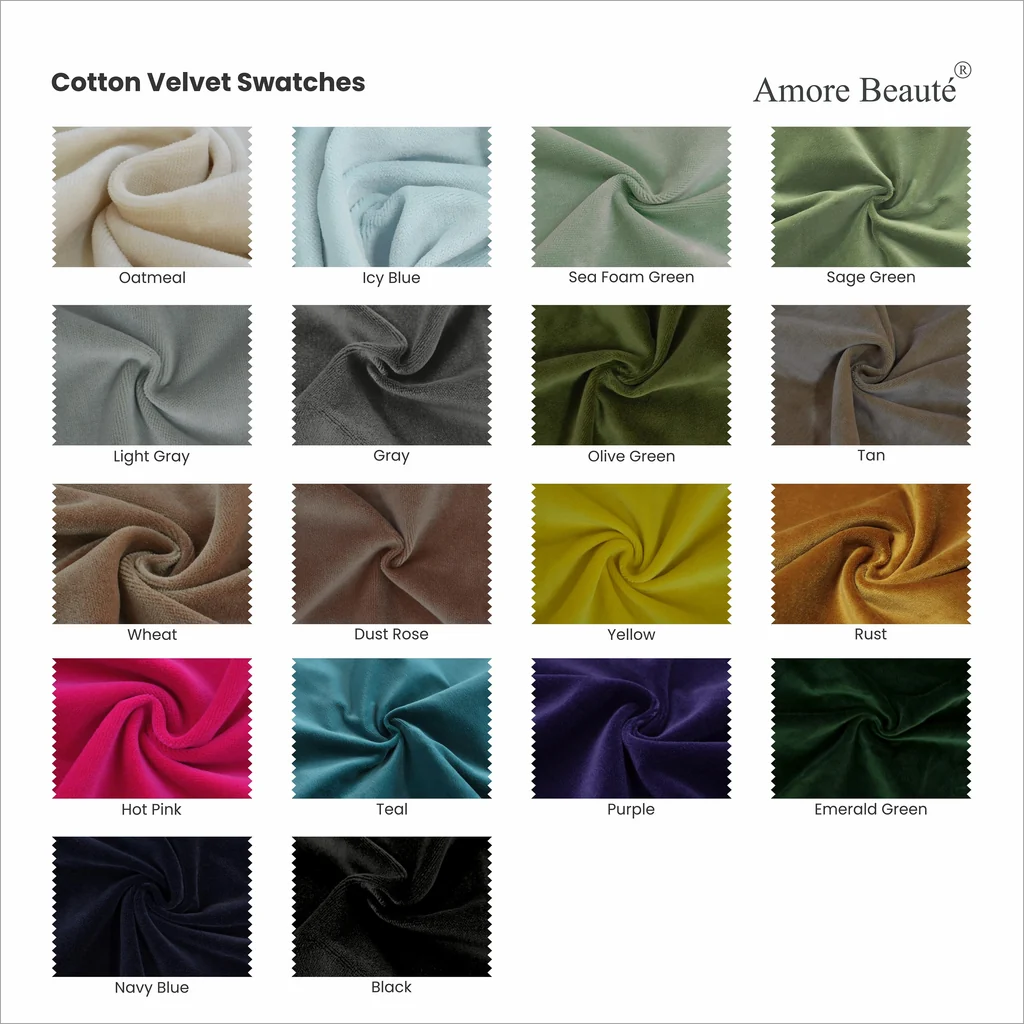
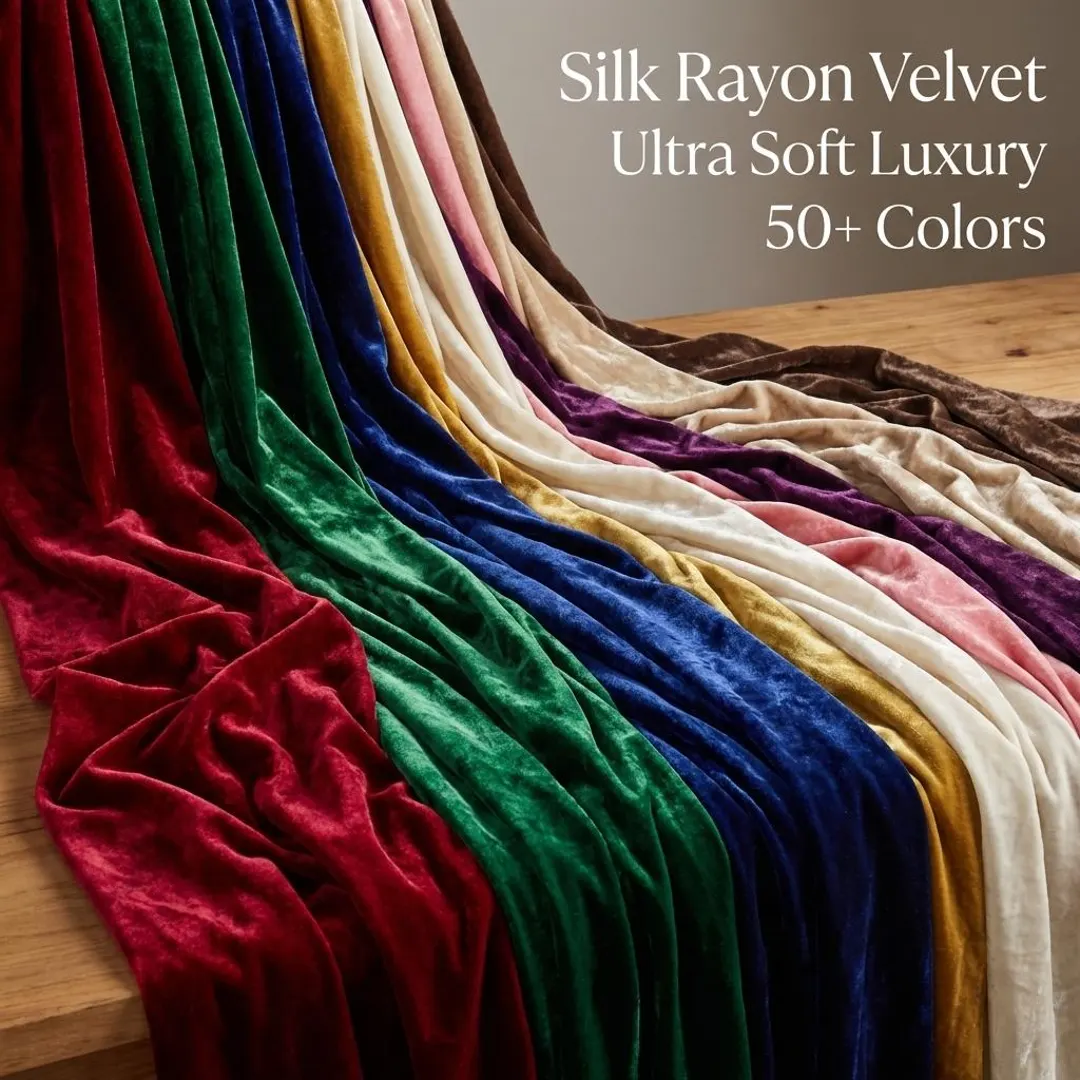
Velvet can be built from very different fibers.
Silk gives a velvet surface a distinctive luster and fluid hand. Rayon or viscose is widely used where pronounced drape and surface shine are wanted. Cotton creates a different touch and optical character from filament-based velvet. Polyester appears across a large range of apparel velvets and makes stretch constructions easy to find commercially.
These descriptions still leave several fabric properties unresolved.
A composition of 95% polyester / 5% spandex gives the fiber percentages. The specification still needs construction, pile height, finished weight, usable width and measured extension if the garment depends on stretch.
A supplier currently lists such a fabric at 250 GSM, 150 cm wide and 1.0 mm pile height.
The Names Used for Velvet Come From Different Parts of the Fabric
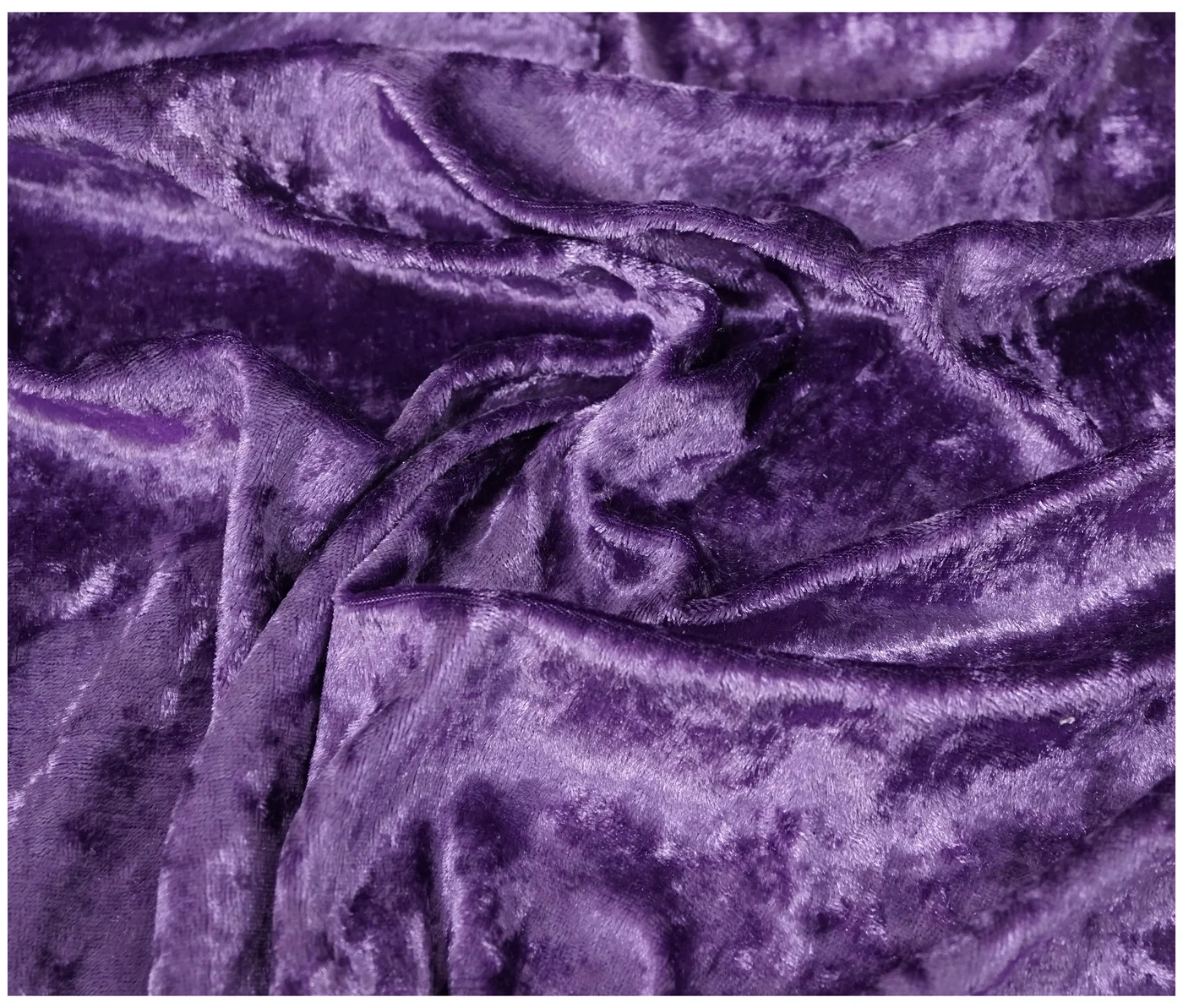
A name such as silk velvet identifies fiber content.
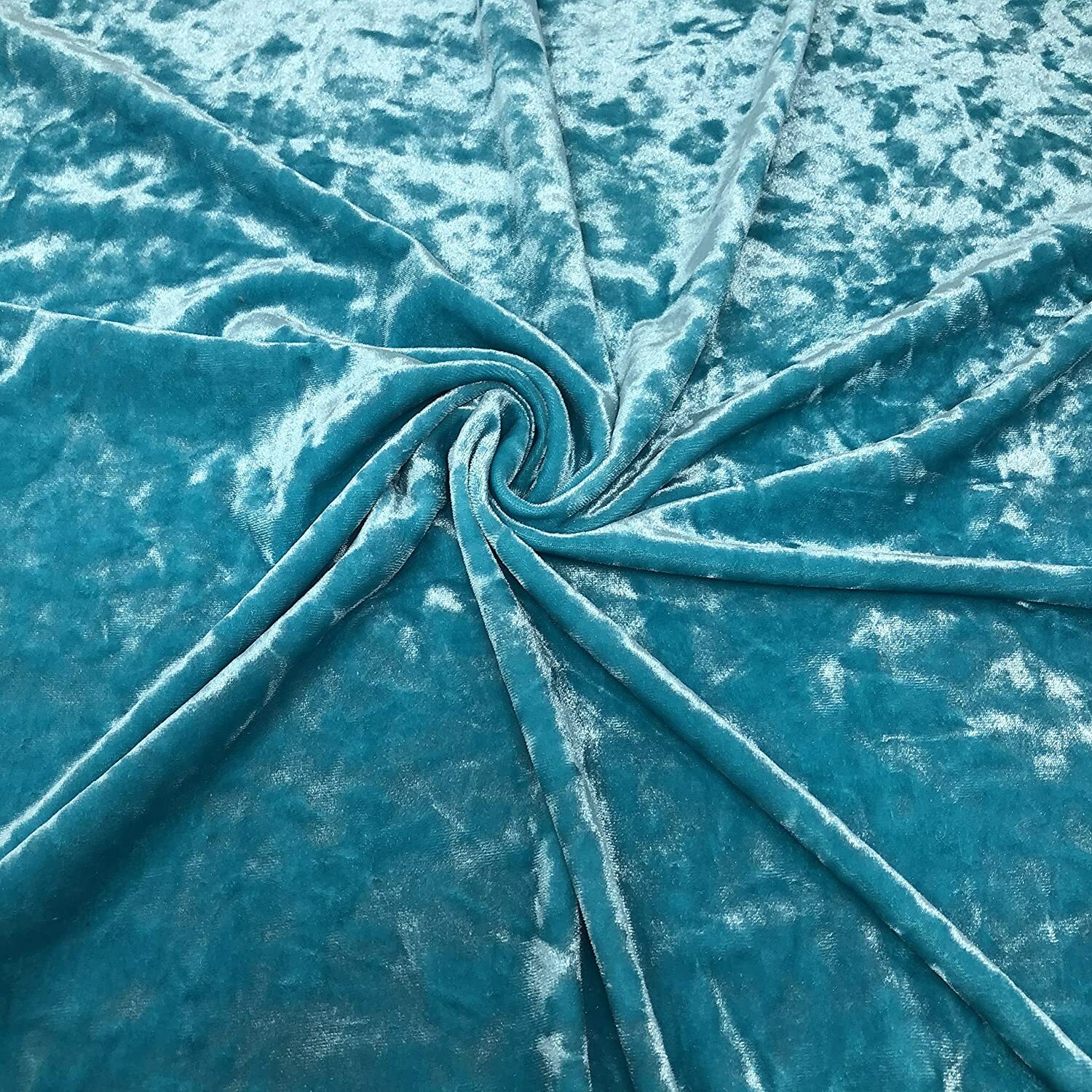
Crushed velvet refers to a surface whose pile has been deliberately disturbed so the fibers sit at changing angles. This produces irregular highlights across the fabric.
The word stretch describes mechanical behavior. Commercial stretch velvet can use a knitted backing, and the amount of extension varies from fabric to fabric.
Velveteen belongs to the same broader pile-fabric family and uses a different woven construction. CottonWorks describes it as a filling-pile fabric and records constructions reaching 400 picks per inch.
Plush sits beyond the traditional velvet pile-height range in CottonWorks terminology, starting above 1/8 inch / 3.175 mm.
These names become easier to read once the specification is separated into construction, fiber, surface treatment and mechanical properties.
Stretch Velvet Needs an Actual Stretch Number
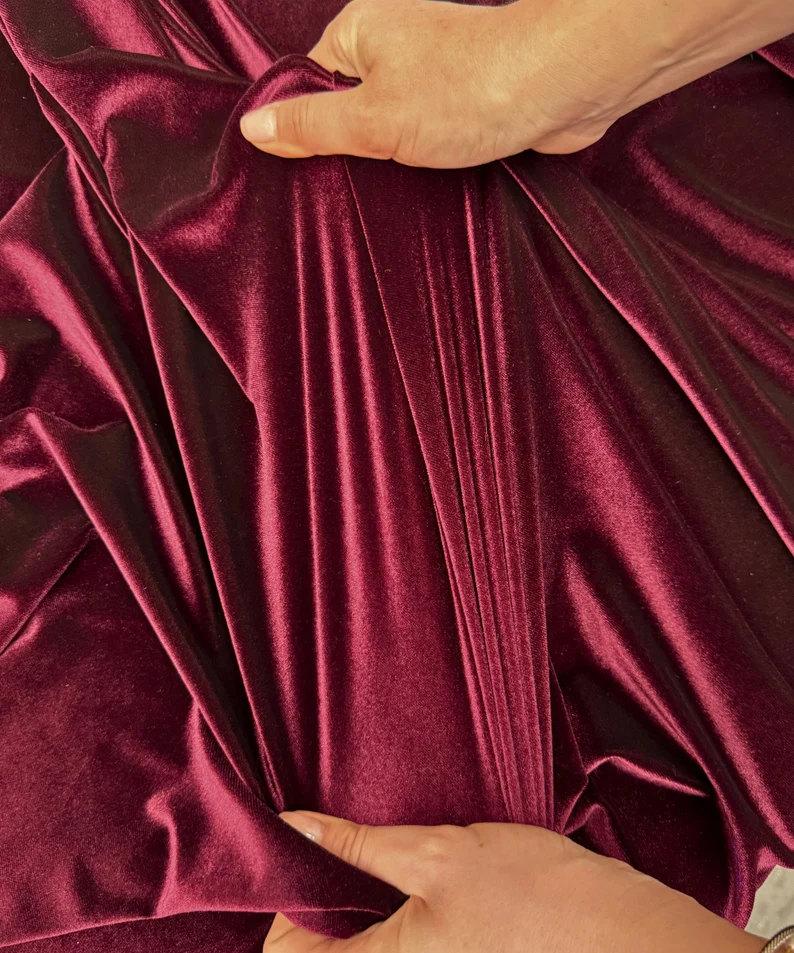
A current Lady McElroy polyester/spandex stretch velvet is listed at:
92% polyester / 8% spandex · 250 GSM · 57-inch width · 20% crossgrain stretch
The 20% figure is useful because a fitted pattern can be developed around measurable fabric extension.
For a simple calculation, start with gauge marks 100 mm apart. If they reach 125 mm during the chosen test:
(125 − 100) ÷ 100 × 100 = 25% stretch
After release, imagine the distance settles at 103 mm following the specified recovery period.
(103 − 100) ÷ 100 × 100 = 3% growth
Stretch describes extension under the test condition. Growth records the residual enlargement remaining after recovery.
For woven fabrics made with stretch yarns, ASTM D3107-26 covers stretch, growth and recovery. Its scope is aimed at woven fabrics exhibiting more than 12% stretch, and the method includes 1.35 kg and 1.8 kg tension options used in the textile industry.
A knit-backed velvet requires a test method suited to knitted construction.
How to Tell What Kind of Velvet You Have
Start with the face under low-angle light. The pile becomes much easier to see from the side than from directly above.
Move the surface with your fingertips and watch the reflection. A clear change indicates directional nap.
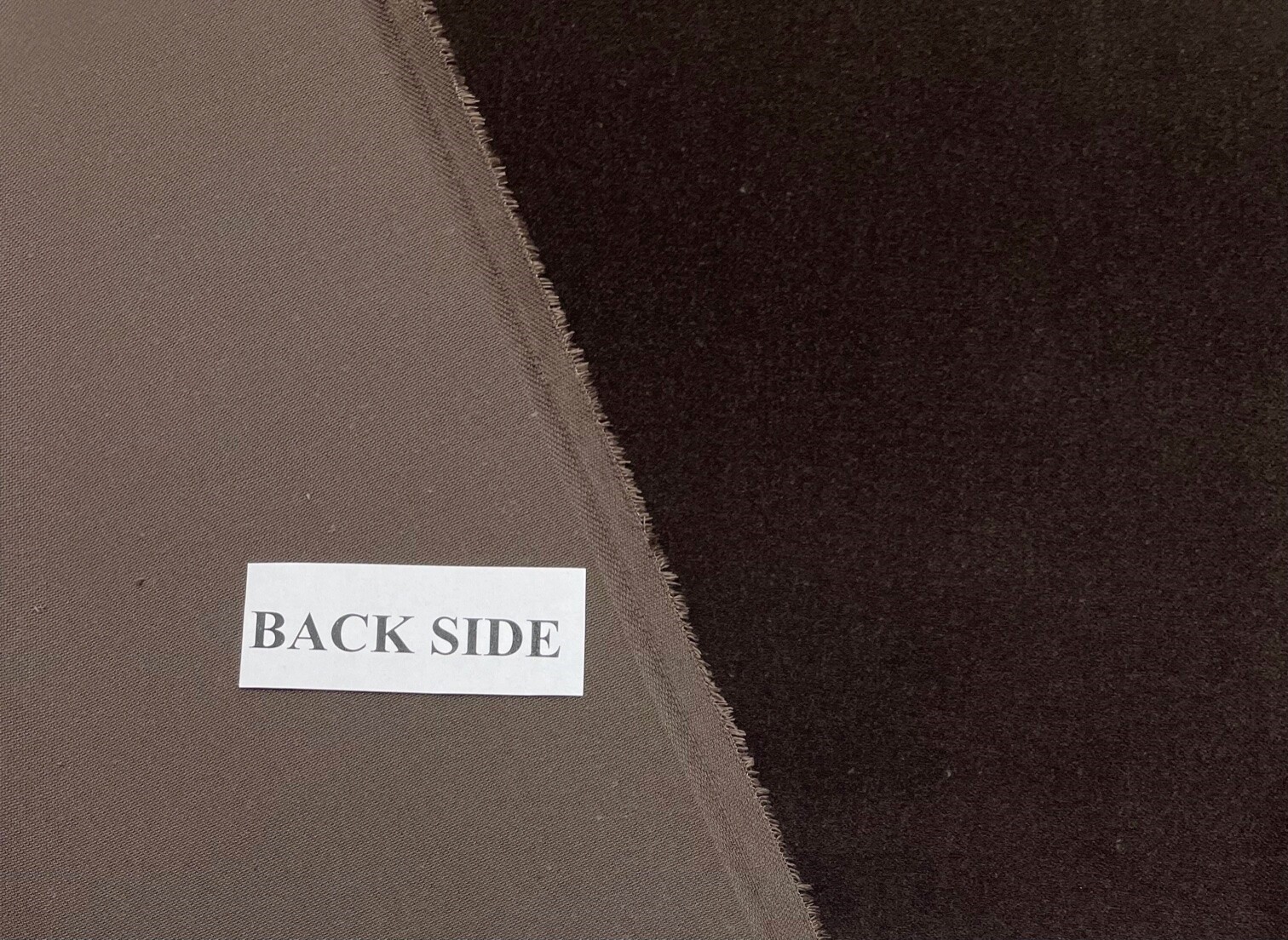
Turn the fabric over. A traditional velvet shows a woven ground. Many modern apparel stretch velvets reveal a knitted backing.
Next, bend a cut edge tightly. The raised surface opens enough to expose the ground underneath, which helps separate structural pile from a simple brushed finish.
A garment depending on a particular surface depth needs pile height recorded in millimeters. A fitted design needs measured stretch in the direction used by the pattern.
For dresses, skirts or wide trousers, hang a larger length vertically. Several feet of fabric reveal fold depth and drape much more clearly than a small hand swatch.
What Velvet Does Once It Becomes a Garment
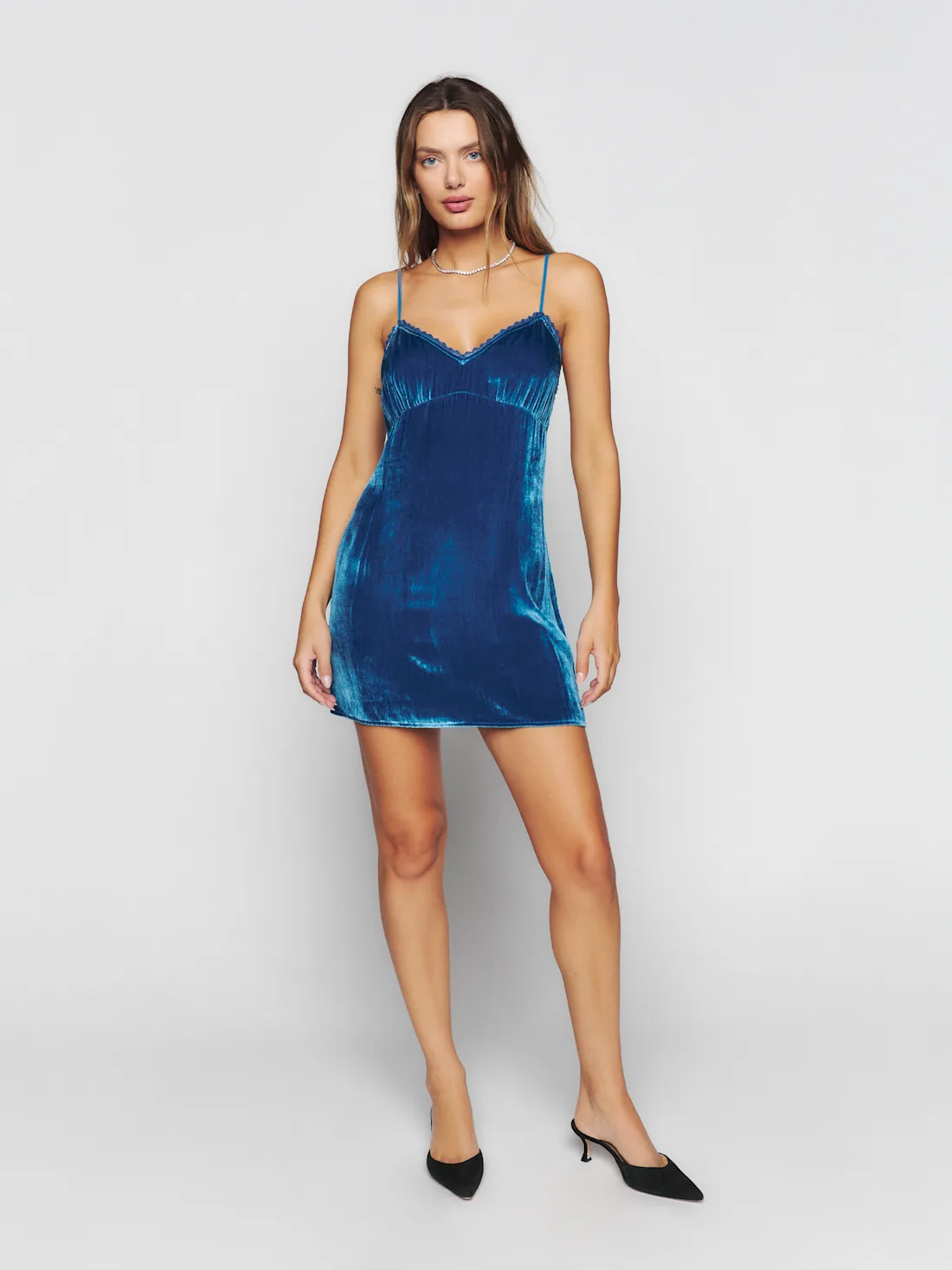
A long velvet dress gives the pile a large uninterrupted area to interact with light.
As the skirt folds, each part of the surface sits at a new angle. Dark zones and highlights move through the garment even when the cloth has been dyed one solid color.
The ground construction controls the shape of those folds. A flexible ground produces deeper movement through the skirt. Greater bending stiffness gives the garment more body.
Fit adds another layer. Stable woven velvet relies heavily on pattern shaping around the bust, waist and hip. Stretch velvet can contribute extension through the cloth, which changes how closely a pattern can follow the body.
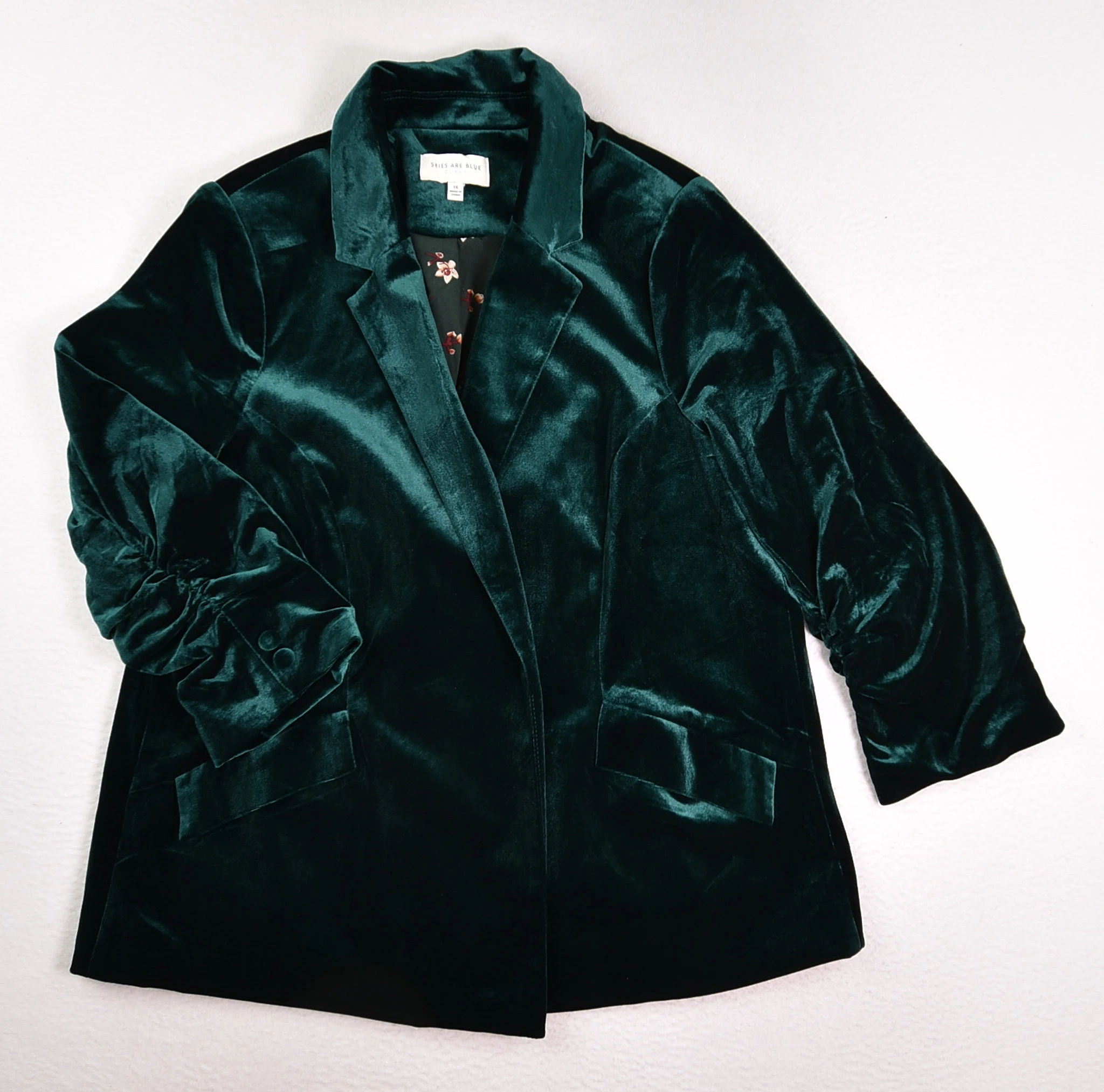
On a jacket, the same pile responds to lapel shaping, seam allowances, interfacing and pressing. Small ridges underneath the shell become visible because the pile above them catches the light differently.
Velvet Can Shift During Sewing

Put two velvet faces together along a seam.
The pile surfaces come into contact before the seam enters the machine. As the layers travel under the presser foot, small feed differences can build over a long distance.
A production trial can turn that movement into a measurable result.
Mark a 600 mm seam at 100 mm intervals. Sew the sample with the machine settings intended for bulk production. Measure the alignment afterward.
A trial might produce:
0 / 0 / 1 / 1 / 2 / 3 / 4 mm
The last pair of marks has moved by 4 mm.
The factory can then change presser-foot pressure, feeding equipment or temporary stabilization and repeat the same marked trial.
The acceptable displacement can be fixed during garment development using the real style and fabric.
Pressing Has to Protect the Pile
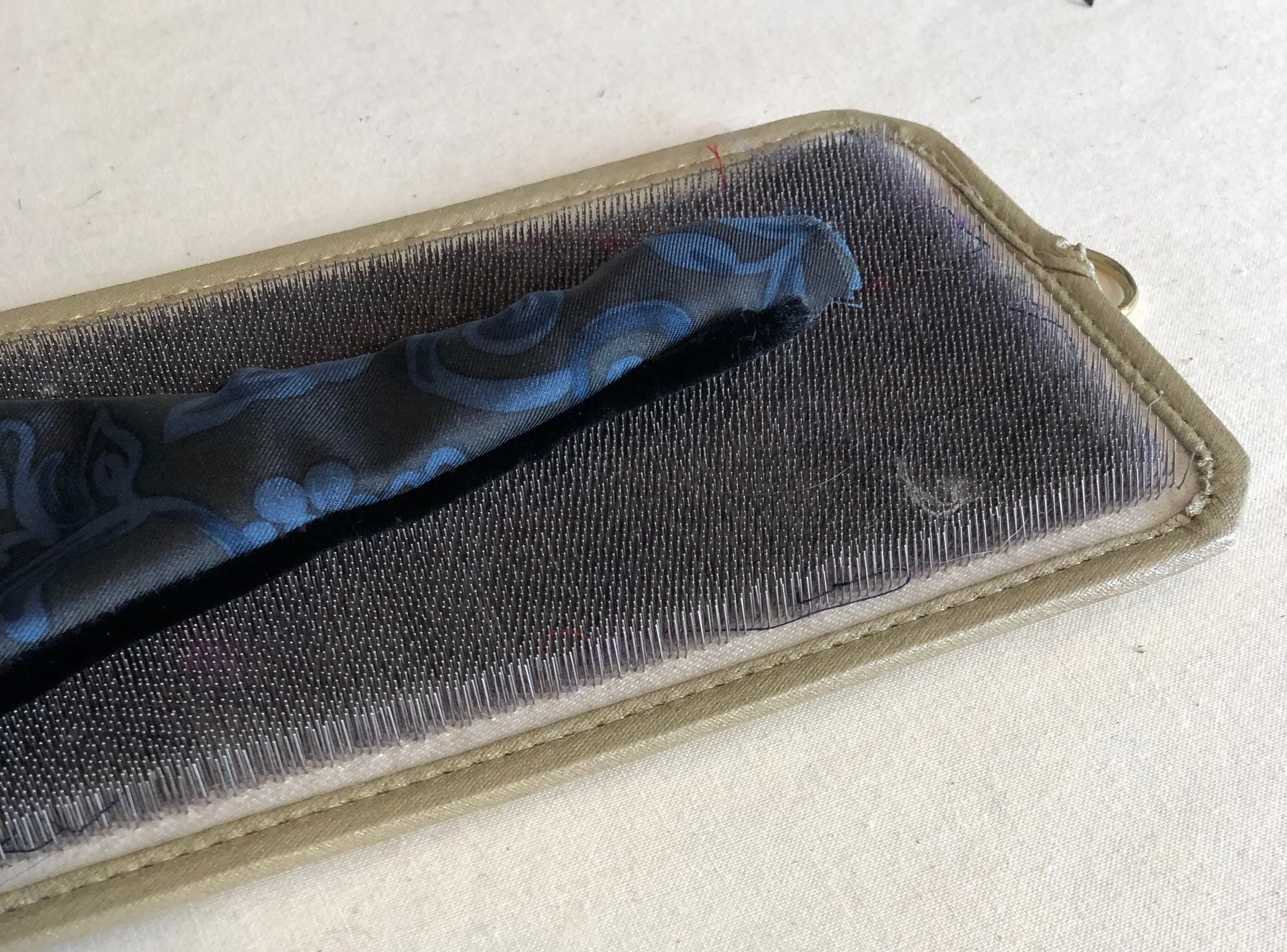
Velvet responds strongly to pressure because the visible surface stands above the ground.
Heat and moisture can make compressed fibers settle into a new position. A polished patch then appears because the affected area reflects light differently.
The factory needs a press trial on the selected bulk fabric.
A useful record contains the temperature used on the sample, contact time, steam setting, applied pressure and the support placed under the pile face.
If a particular polyester velvet remains unchanged after a short reverse-side treatment at 120°C, that becomes a result for the tested fabric and production setup. A new velvet requires its own trial.
Inspection after cooling shows whether the pile has returned to the required appearance.
Wear Often Appears as a Change in Reflection
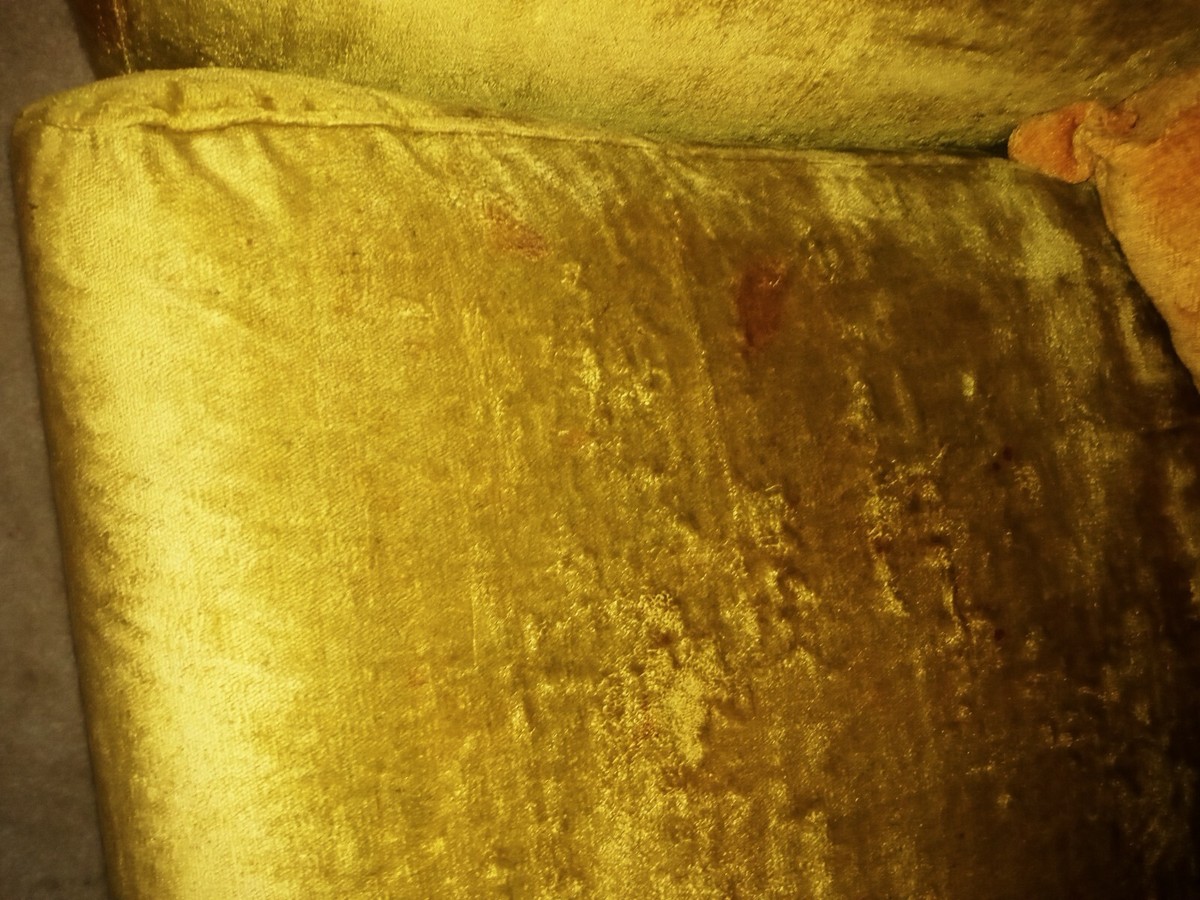
Repeated contact gradually alters small areas of the pile.
A bag strap rubs the same path across a shoulder. Sitting repeatedly loads the seat area of a skirt. Elbows receive pressure from desks and armrests.
The fibers in those areas can settle lower and begin reflecting more light.
Low-angle lighting makes the change easy to see because the polished zone separates visually from the surrounding pile.
For a garment where the velvet surface is central to the design, abrasion performance and visual pile condition deserve separate records during testing.
Washing Needs a Surface Inspection After the Measurement
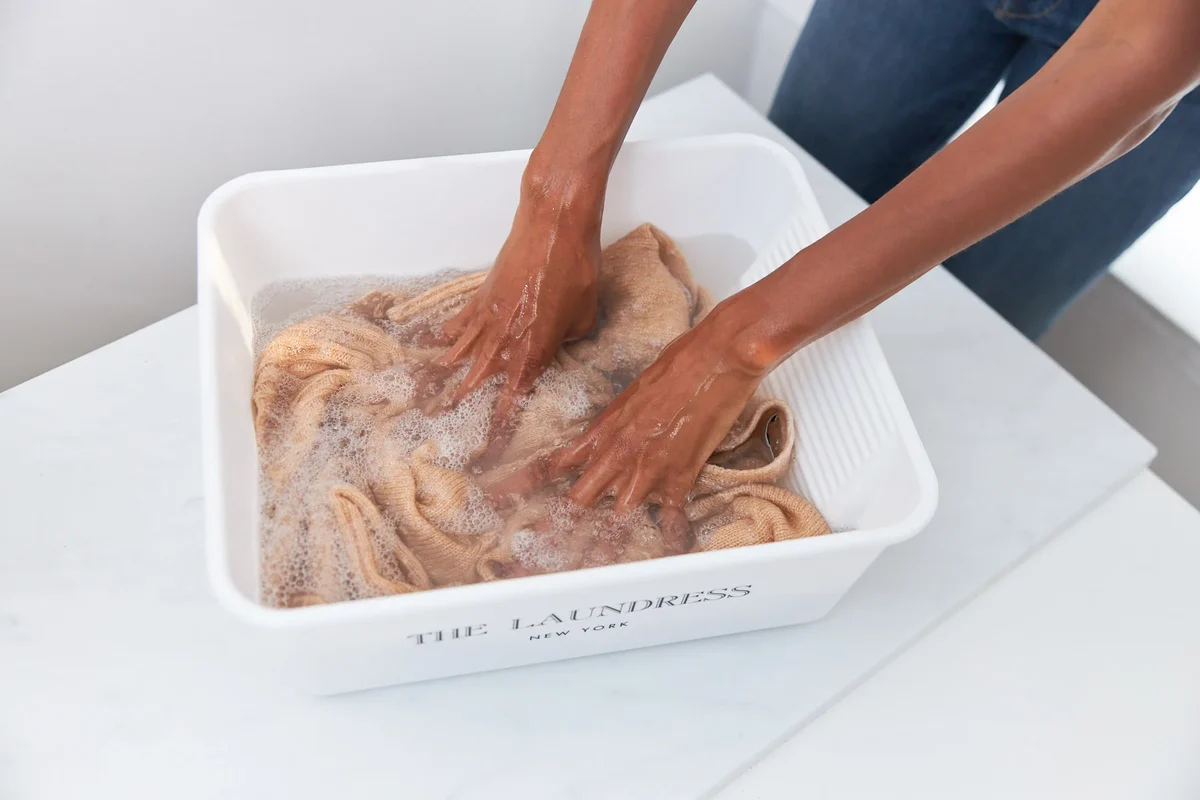
Take a marked sample measuring 500 mm in one direction.
After the intended care cycle, it measures 485 mm.
(485 − 500) ÷ 500 × 100 = −3%
The dimensional change is −3%.
Place the washed piece beside an unwashed retained sample under the same light. Clumping, flattened pile, directional streaks and changes in hand become easier to see in a side-by-side check.
The completed garment needs the same care route because interlining, zippers, sewing thread, lining and decoration can alter the finished result.
What a Velvet Specification Should Record
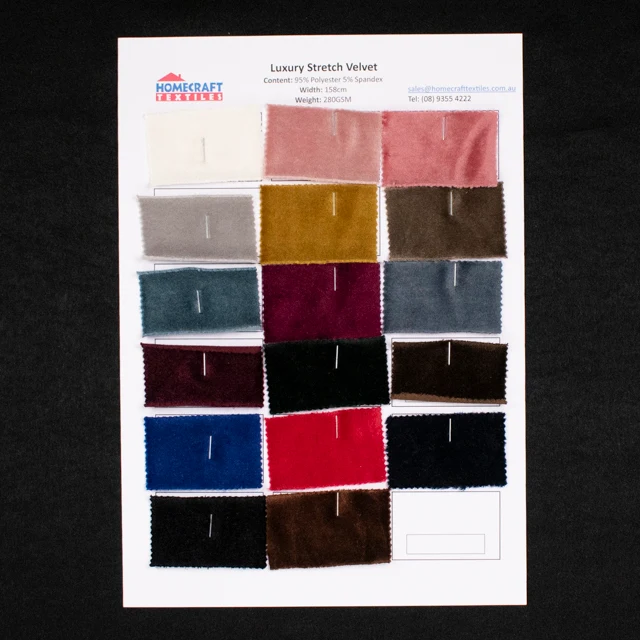
A line reading black velvet, 250 GSM identifies weight and little else.
For production, the construction needs a precise name such as woven warp-pile velvet or a confirmed knitted velvet construction. Fiber percentages belong beside it.
Usable width is measured on finished relaxed fabric. Pile height can be recorded in millimeters when surface depth affects the design. Finished thickness needs the pressure condition used during measurement.
Stretch data becomes necessary when the pattern depends on extension, and recovery or growth can be added for fitted garments.
Nap direction is fixed before the marker is finalized. Color is compared with the confirmed lab dip. The sealed finished-fabric sample carries the reference for hand, pile level and surface appearance.
A long-seam trial provides the sewing-machine result for layer movement. The accepted pressing sample supplies the production settings. Bulk fabric can then be checked against the same physical surface reference.