What Is Velour?
Velour is a soft pile fabric with a dense, velvety surface. The raised fibers create the smooth hand and changing sheen people usually associate with the name. Clothing, tracksuits, robes, dresses, upholstery and interior textiles all appear in velour.
The term covers more than one exact construction. Textile dictionaries use velour for fabrics with a soft nap or velvet-like finish, and the fiber may be natural, manufactured or blended. In modern apparel, knitted velour is especially common.
A velour label therefore tells you what kind of surface to expect. Composition, weight, stretch and ground construction still depend on the individual fabric.
What Is Velour Fabric?
The easiest place to start is the surface.
Velour belongs to the pile-fabric family. A pile fabric contains yarn or fiber deliberately projecting above the main cloth surface. The projecting material can remain as loops or be cut to form individual pile ends. CottonWorks: pile fabric.
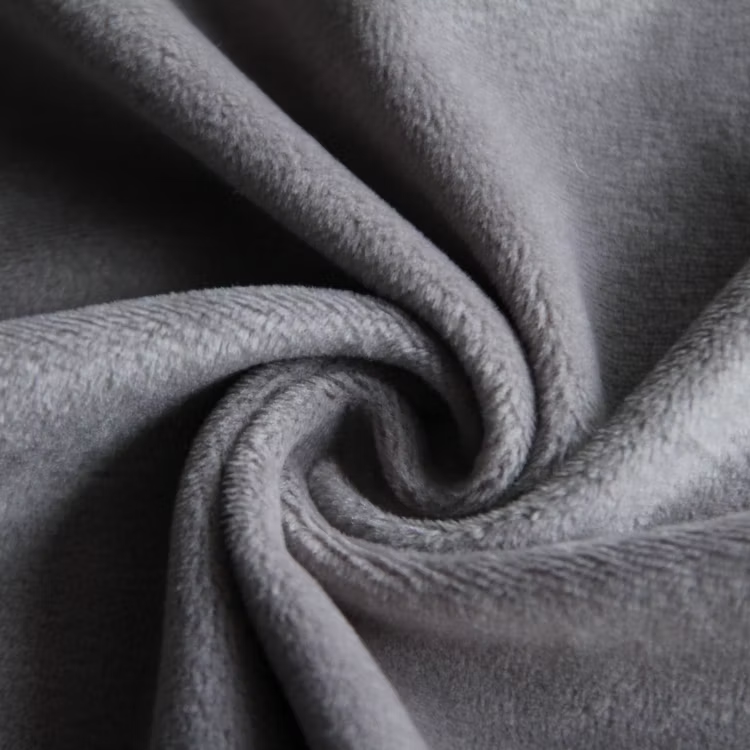
On velour, the pile is usually short and dense enough to produce a continuous plush face. Running a hand across it changes the direction of the fibers. Light then reaches the surface at another angle, producing the familiar shift between deeper and brighter areas.
Part the pile with two fingers and the underlying textile becomes easier to see. Apparel velour frequently has a knitted ground, which gives many garments some natural flexibility and makes the material suitable for relaxed clothing.
Why Velour Changes Shade When You Touch It
Take a solid black velour swatch and place it under one lamp.
Smooth one section toward the top edge. Brush the area beside it downward. The two areas can appear to be different blacks even though they were dyed together because the visible change comes from pile orientation.
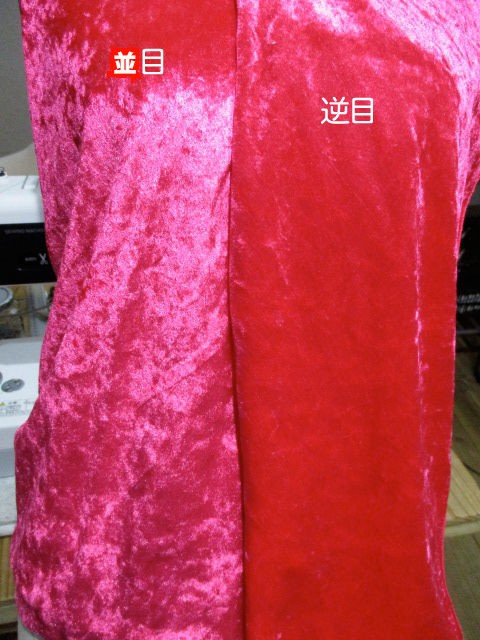
This directional surface is called the nap. Each pile end has an angle, and when thousands of them lean in a similar direction they reflect light in a predictable way. Moving the pile changes that angle across the surface.
Hand marks can remain visible for a short time, folds can look darker along one side, sitting can temporarily flatten the pile, trouser legs change sheen as the wearer walks, and large panels show pile direction more clearly than small pieces. The effect is part of the fabric rather than a printed or dyed pattern.
How Knitted Velour Gets Its Plush Surface
A common knitted velour construction begins with raised loops.
CottonWorks describes knitted velour as a terry-looped fabric that goes through shearing. During shearing, protruding loops are presented to rotating cutting blades, which trim the loop tops and leave yarn ends at a controlled height. The process produces the even, lustrous pile associated with the finished fabric. CottonWorks: mechanical finishing.
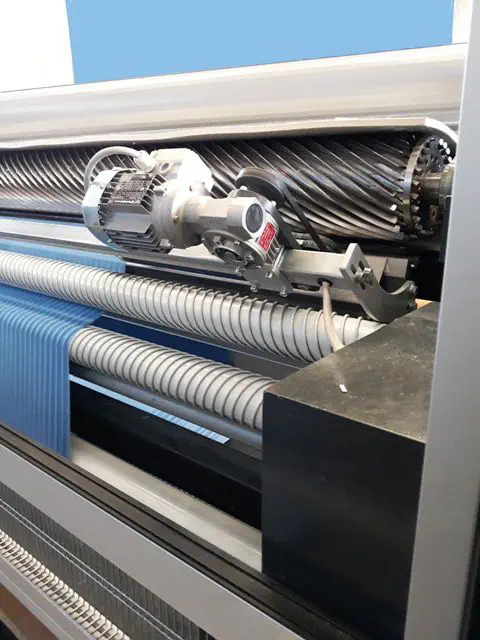
The surface already looks very different once those loops have been cut. Pile height affects the apparent depth, pile density affects how easily the ground can be seen, the yarn itself influences softness, sheen and fullness, and shearing accuracy shows up visually because an uneven cutting height changes how the fabric reflects light.
Special shearing equipment can also create sculptured areas with deliberate variation in pile height.
What Velour Feels Like
A typical apparel velour feels plush when stroked across the face. Pressing a fingertip into the surface compresses the short pile before reaching the ground underneath.
The exact hand changes considerably between fabrics. Fine yarn and a close pile can produce a smooth surface with a clean sheen, a fuller yarn creates a bulkier touch, longer pile increases the amount of material felt above the ground, and dense constructions hide more of the base fabric when the pile is separated.
Knitted grounds also contribute to drape and flexibility. CottonWorks notes that knitted structures are formed from intermeshed loops and naturally conform to changes in shape, which helps explain the mobility found in many apparel velours. CottonWorks: knit basics.
A fabric swatch gives far more information about these characteristics than the word velour by itself.
What Is Velour Made From?
There is no required fiber composition for velour.
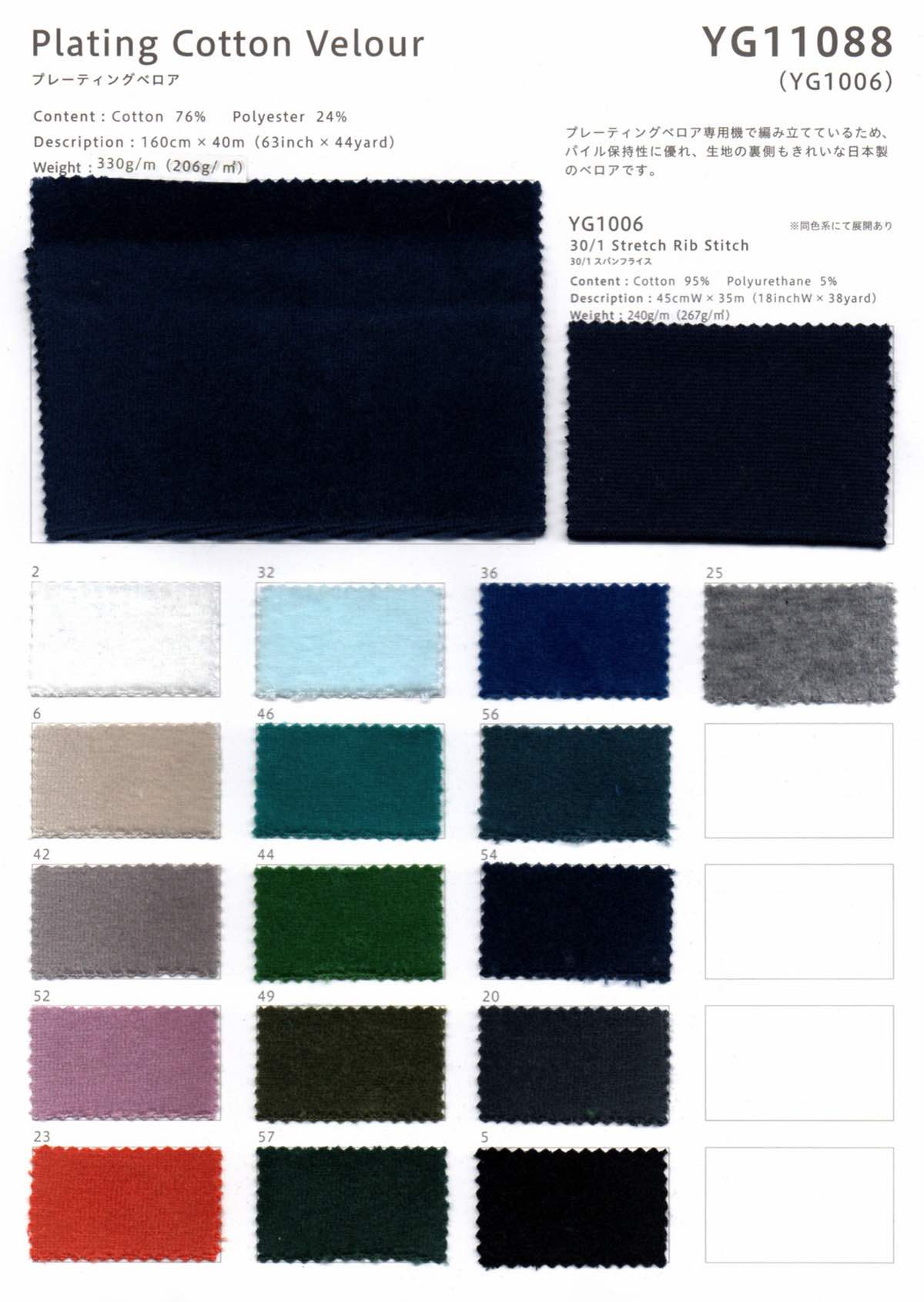
Cotton
Cotton velour is associated with a soft, absorbent hand. Cotton-rich constructions appear in robes, loungewear, children's clothing and casual apparel. The pile can have a relatively matte appearance depending on yarn and finishing, and washing behavior follows the actual cotton construction, including its knit density and dimensional finishing.
Polyester
Polyester velour is widely used for garments that need a smooth pile surface, strong color and easy-care characteristics. Filament yarn can give the face a pronounced sheen, and textured polyester can create a fuller textile-like hand. Polyester also responds to heat, which becomes relevant around pressing and heat-applied decoration.
Cotton-polyester blends
Blends are common in casual clothing and tracksuits. Changing the ratio alters absorbency, drying behavior, surface character and laundering response. The finished fabric may also use different fibers in separate parts of the construction, so the overall percentage alone does not describe the pile.
Velour with elastane
Elastane is added to some apparel velours for fitted dresses, dancewear, leggings and other garments that need greater extension and recovery. Stretch also comes from knit geometry, leaving actual fabric testing useful even when the fiber label already lists elastane.
How Heavy Is Velour?
Velour has no universal GSM.
Light styles can be used for dresses and fashion garments. Medium and heavier constructions appear in hoodies, pants, robes and upholstery.
Two velours carrying the same GSM can still feel visibly different because the total mass is distributed through the ground and pile in different ways. A fabric weighing 250 GSM might have a compact ground with a low pile, and another 250 GSM article may use a fuller pile that creates more apparent thickness.
For sourcing, GSM works best alongside pile appearance, composition, finished width, stretch and a physical reference swatch.
Common Types of Velour
Knitted velour
This is the form most closely associated with modern casualwear. A knitted ground gives the fabric flexibility, and the cut pile produces the velvety face. Tracksuits, hoodies, pants, dresses and children's garments commonly use this family.
Cotton velour
The name usually refers to a velour containing cotton as the dominant or important fiber. It can range from relatively light apparel material to fuller robe and leisurewear fabric.
Stretch velour
Stretch velour contains a construction intended to extend more readily, often with elastane. It appears in fitted garments, costumes and dancewear where the fabric has to follow body movement.
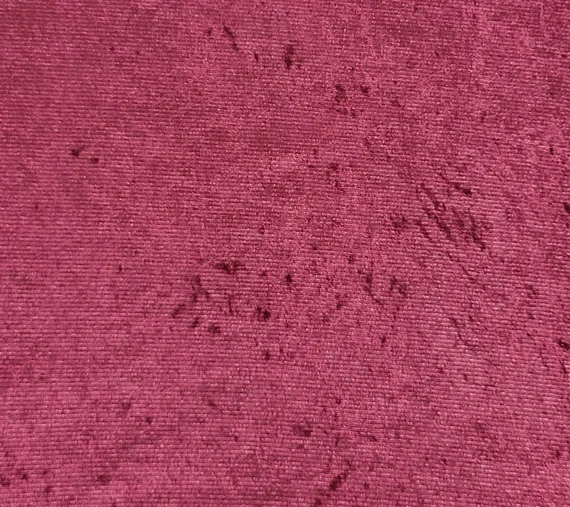
Crushed velour
Crushed velour has pile arranged in irregular directions to produce a deliberately mottled sheen. The surface looks textured even when the underlying color is uniform.
Terry velour
Terry velour keeps loop pile on part of the fabric and uses a cut surface on another face. FabricLink describes terry velour as a cotton pile fabric combining an uncut pile surface with a cut pile surface and lists towels, robes and apparel among its uses. FabricLink textile dictionary.
This construction is particularly useful where softness and absorbency belong in the same product.
Why Velour Is Used for Tracksuits
Velour has enough visual activity to make a simple garment look richer without relying on an elaborate fabric pattern.
A plain zip jacket gains depth from the pile. Movement across the shoulders and sleeves changes the sheen throughout the day. Matching pants create large vertical surfaces where the nap becomes especially noticeable.
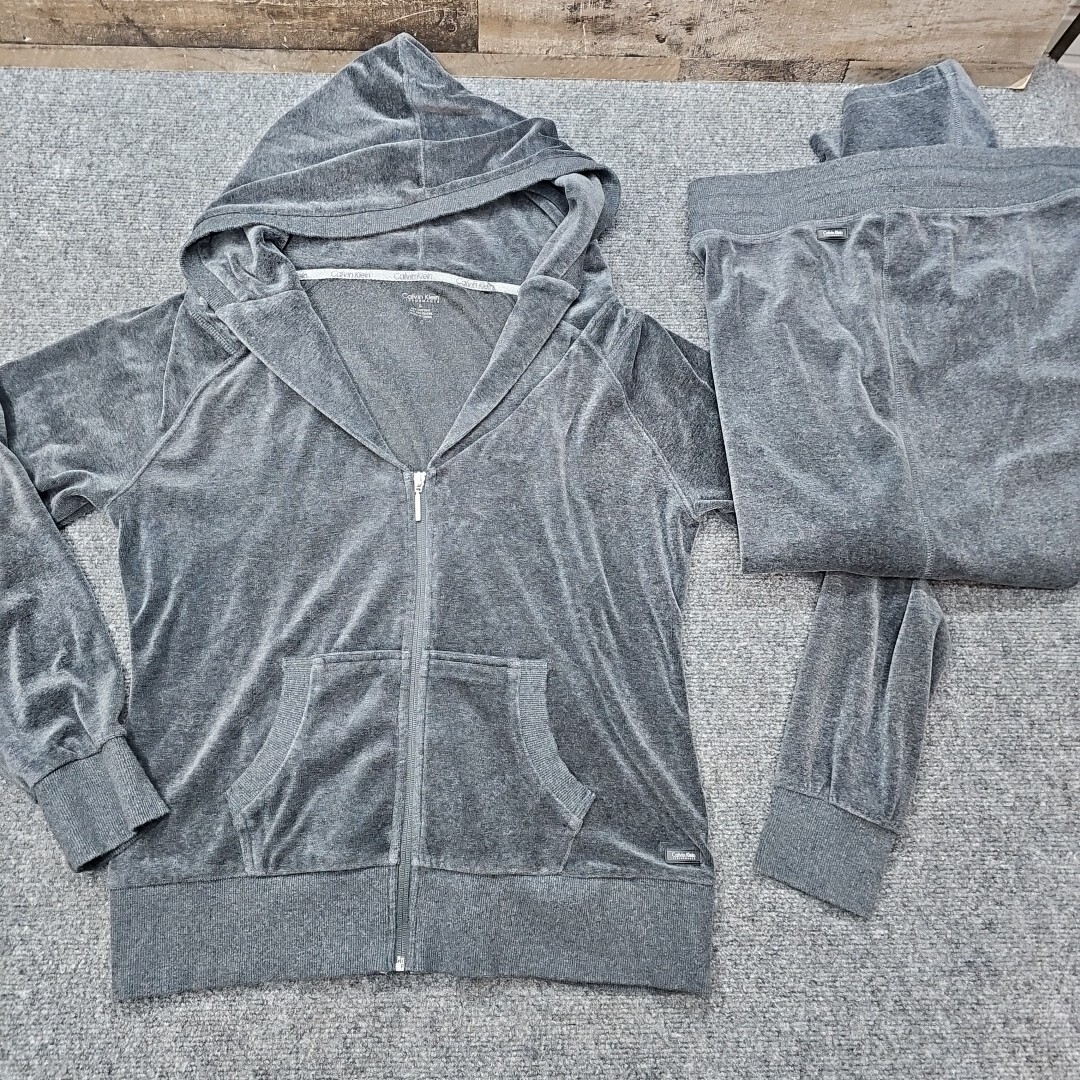
Knitted velour also suits the shape of casual garments. The looped ground supplies useful flexibility for sitting, walking and bending. Hoodies and pants have broad pattern pieces that show the pile clearly.
The material became strongly associated with tracksuits because these features all appear in one garment category: softness, movement, drape, visible sheen and a comfortable knit structure.
Velour Dresses and Fashion Clothing
A dress uses velour differently.
Long panels emphasize the direction of the nap. Folds create gradual changes in reflected light. Areas close to the body compress the pile, and looser sections retain more visible depth.
Stretch velour is particularly common in fitted silhouettes because the knitted base can follow curves without requiring the stiffness found in some traditional pile fabrics.
Color also carries more visual variation on velour than it would on a flat matte textile. Burgundy, black, navy, emerald and other deep shades often show pronounced highlights where the pile changes direction.
Velour in Robes and Loungewear
Softness has an obvious role in clothing worn directly around the body for long periods.
Robes can use cotton-rich velour or terry velour, especially when some absorbency is wanted. Loungewear uses the plush surface primarily for touch and appearance.
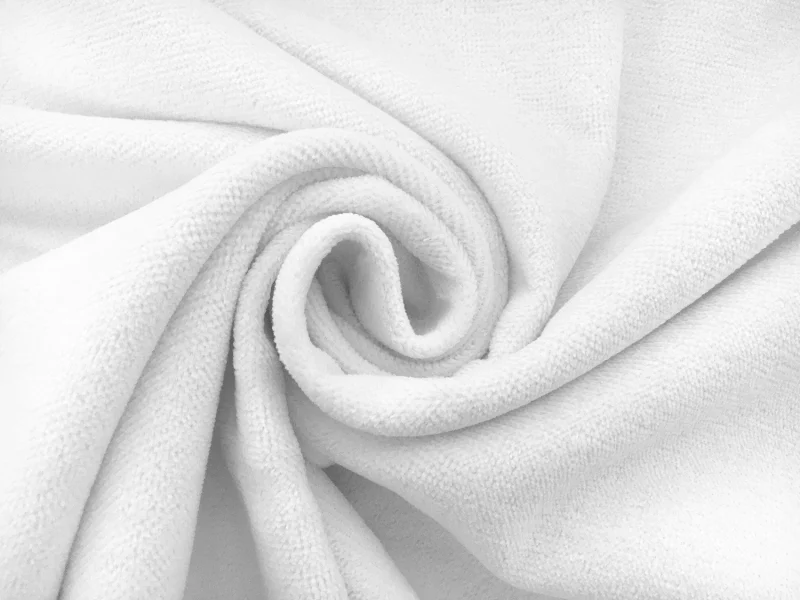
The inner face depends on the construction. Some garments expose a knit reverse. Terry velour can retain loops on one face. Other products may use a separate lining or another inner surface.
Checking both faces of a swatch is useful before assuming how a finished garment will feel against the skin.
Velour in Upholstery and Interiors
Velour also appears on furniture, curtains, vehicle interiors and decorative surfaces. Dictionaries have long included upholstery among the established uses of the material.
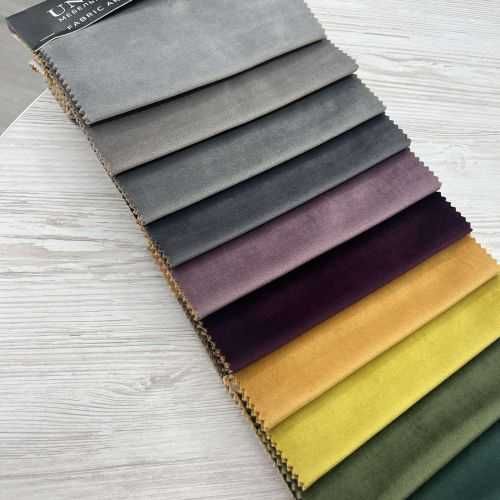
Interior velour can differ considerably from apparel material. A sofa requires abrasion resistance and dimensional stability across a fixed upholstered surface, curtains place the pile vertically across long drops, and automotive interiors expose the textile to repeated contact and long service periods.
These materials may use heavier constructions and specialized finishing selected for their end use.
Velour and Velvet
Velour and velvet are easy to confuse because both belong to the pile-fabric world and can show a smooth, directional sheen.
Traditional velvet has a specific woven construction. CottonWorks defines velvet as a warp-pile fabric with a woven cut pile, where pile yarns are cut to a uniform height. CottonWorks: velvet.
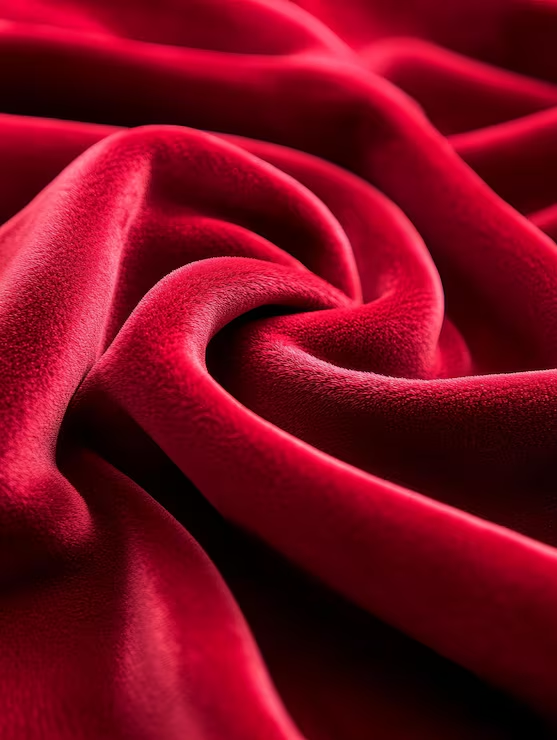
Many apparel velours use knitted grounds and a sheared pile. CottonWorks documents knitted velour produced from terry loops whose tips are cut during shearing.
The fabric reverse usually gives the quickest clue when an unfamiliar sample arrives. A clear knitted loop structure points toward knit velour. A woven pile ground belongs to another construction family.
Commercial names are not perfectly standardized across every supplier, so construction information is more reliable than judging from sheen alone.
Velour and Velveteen
Velveteen is a woven pile textile with its own construction.
CottonWorks defines velveteen as a filling-pile fabric whose cut pile is created from filling yarns. The dense pile gives it a surface resembling velvet. CottonWorks: velveteen.
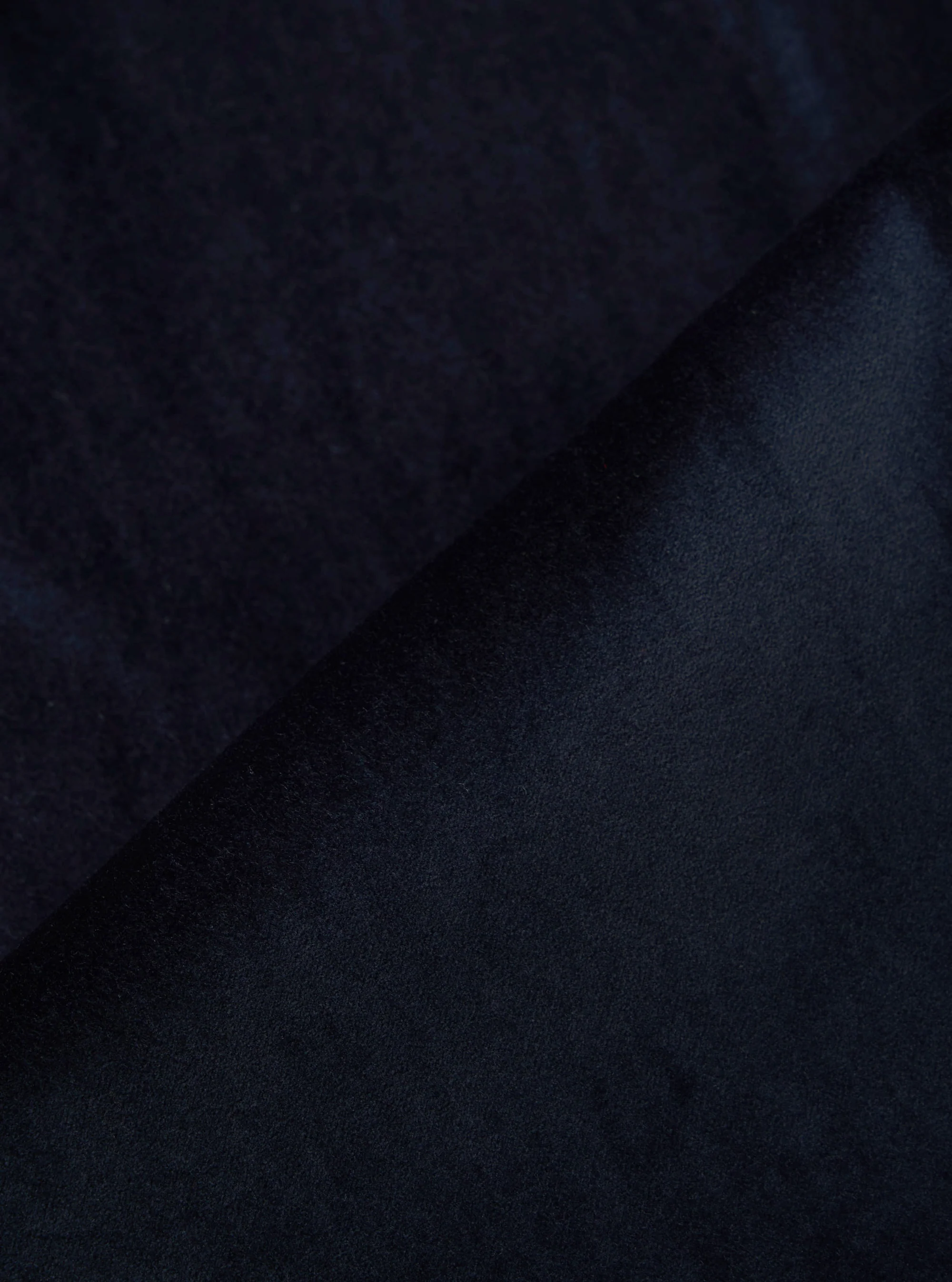
Velour is a broader commercial term, and knitted apparel velour has a different structural route. The face of each fabric can look similar enough in a photograph to hide these differences.
Velour and Terry Cloth
Terry cloth is identified by loops projecting from the surface. Those loops provide a large amount of exposed yarn, which is why terry constructions are closely associated with towels and absorbent products.
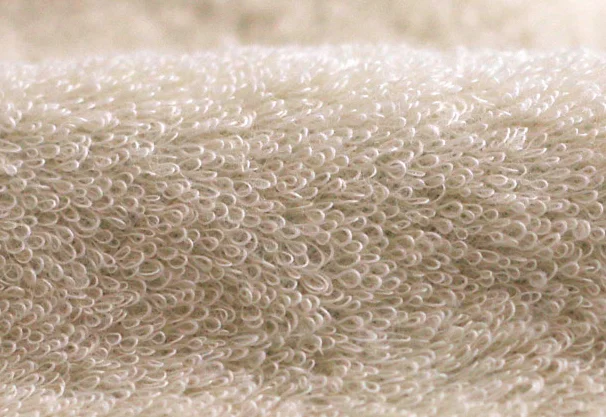
Knitted velour can begin with a looped surface too. Shearing opens the loop tops and creates a cut pile. CottonWorks uses this exact relationship when explaining knitted velour production.
A magnified face makes the distinction easy to see. Terry presents intact loops. Sheared velour presents cut yarn ends.
Velour and Fleece
Fleece develops its soft surface through a different route.
CottonWorks describes common sweatshirt fleece as a knit where yarns on the technical back are napped. Wire-covered rollers raise fibers from those yarns to create the familiar fleecy interior. CottonWorks: single and double knits.
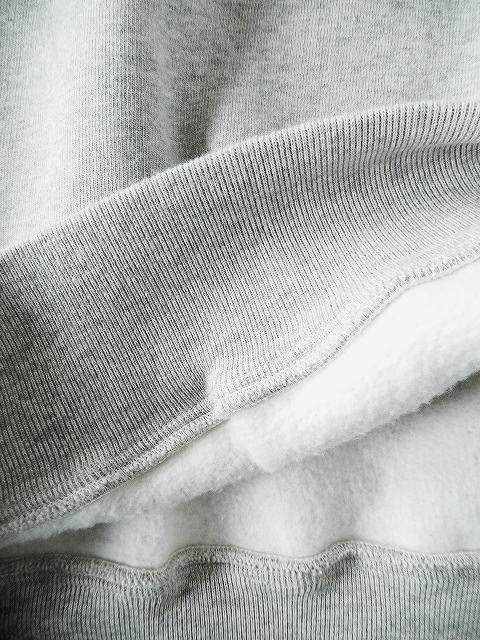
Velour presents a pile face with a more uniform, directional appearance. Fleece surfaces usually look fuzzier and less polished. Sweatshirt fleece also commonly keeps a smooth jersey-like outer face with the raised surface inside the garment.
These differences become easy to recognize once the pile is viewed close up.
Why Velour Has a Direction
Nap direction matters before a garment reaches the sewing machine.
Imagine cutting one trouser leg facing toward the top of the fabric roll. Rotating the second pattern piece can reverse the way its pile lies.
After assembly, light reaches each leg from the same room and meets pile running in different directions. The visual shade can change enough to make the pieces appear mismatched.
Velour markers often keep visible pattern pieces oriented consistently along the fabric length. This can require more fabric than a marker for a non-directional knit because fewer pattern pieces can be rotated into empty spaces.
What Happens When Velour Is Compressed
Pile contains physical height above the ground, and pressure pushes that height down.
Sitting on velour pants compresses the seat. Folding a hoodie presses pile along the fold. A packed garment can develop flat areas where layers remain under pressure inside a carton.
Some pile gradually lifts after the pressure is removed. Persistent marks depend on fiber, pile construction, heat and the amount of compression involved.
This is also why pressing velour requires care. A hard surface underneath the garment can leave impressions through the pile when heat and pressure are applied.
Does Velour Stretch?
Many apparel velours stretch because the ground is knitted. The amount varies widely.
A loose knit structure can extend through loop movement. Elastane can provide additional extension and recovery. Fabric direction affects the reading as well.
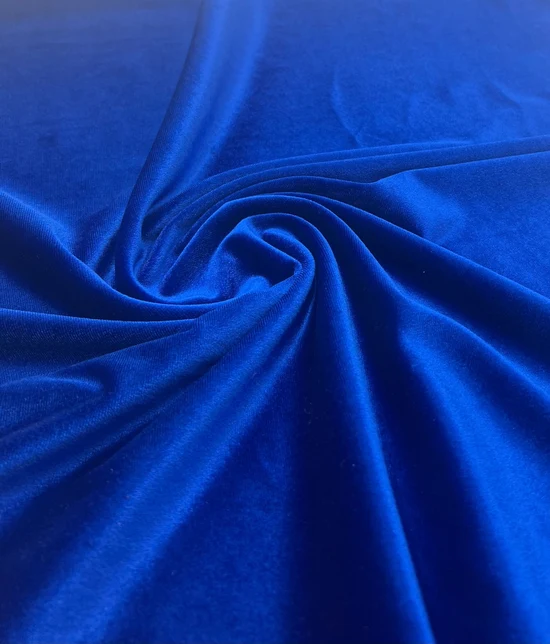
A simple development measurement starts with two marks 100 mm apart. If the marks reach 130 mm during the specified test, the measured extension is 30%.
The distance after release records how closely the material returns toward its starting size. This information is especially useful for fitted dresses, tracksuit pants, leggings and costumes.
Does Velour Pill?
Velour can develop surface wear, including fuzzing, matting and pilling, depending on its fiber, yarn and construction.
Frequent rubbing concentrates the effect around areas such as inner thighs, cuffs, elbows, pocket edges and seats. Laundry introduces additional mechanical action.
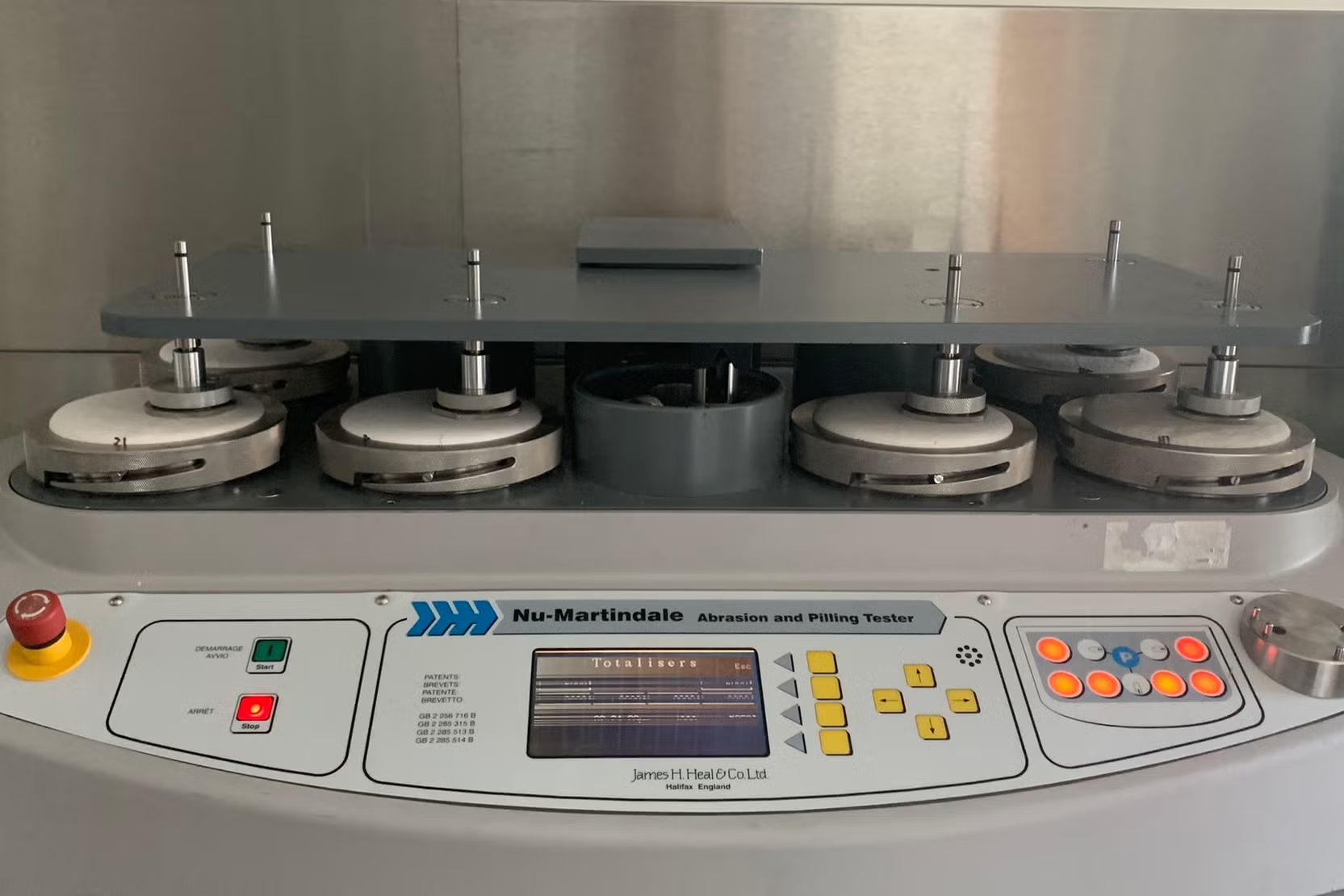
The appearance of wear is especially noticeable on pile fabrics because surface texture controls so much of the way they reflect light. A wash test reveals both dimensional change and the condition of the pile after repeated care.
Does Velour Shrink?
Shrinkage depends on the actual construction and fiber content.
Cotton-rich knitted velour can change dimensions as the knit relaxes during laundering. Finishing processes such as compaction are used in cotton knits to reduce later length shrinkage by mechanically shortening the fabric during production. CottonWorks: mechanical finishing.
Polyester-rich styles have another dimensional profile. The useful number comes from washing the specific finished fabric under the intended care conditions and measuring length and width again afterward.
A garment maker working from a new velour article normally needs those results before grading patterns or setting finished measurements.
How to Wash Velour
Start with the care label because velour composition varies.
For washable apparel velour, turning the garment inside out reduces direct rubbing on the pile during laundering. Zippers should be closed so exposed teeth and pulls do not repeatedly strike the surface.
Cool or moderate washing conditions are common for many casual velour garments, subject to the actual fiber composition and finish. Heavy pressing across the face can flatten pile. Drying conditions also need to follow the garment label, especially when polyester, elastane or special finishes are present.
Once dry, lightly smoothing the pile in one direction can restore a more even appearance after handling.
How to Identify Velour
Start by running a hand over the face. A directional sheen should become visible as the pile moves.
Part the pile next. Short raised yarn ends or fibers should sit above the ground.
Turn the sample over and inspect the construction underneath. Many apparel velours reveal a knitted structure.
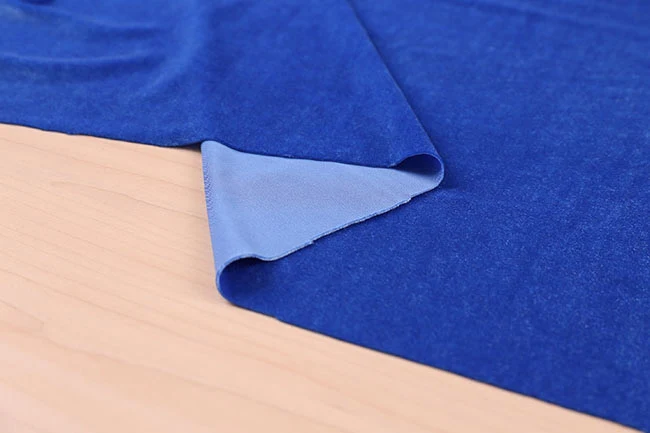
Gently stretch the fabric across the width to see how the ground behaves. Looking at the cut edge can also reveal pile height and the relationship between the surface and base fabric.
For sourcing, the physical observations can be recorded with composition, GSM, usable width, stretch, pile direction and a retained swatch from the confirmed development fabric.