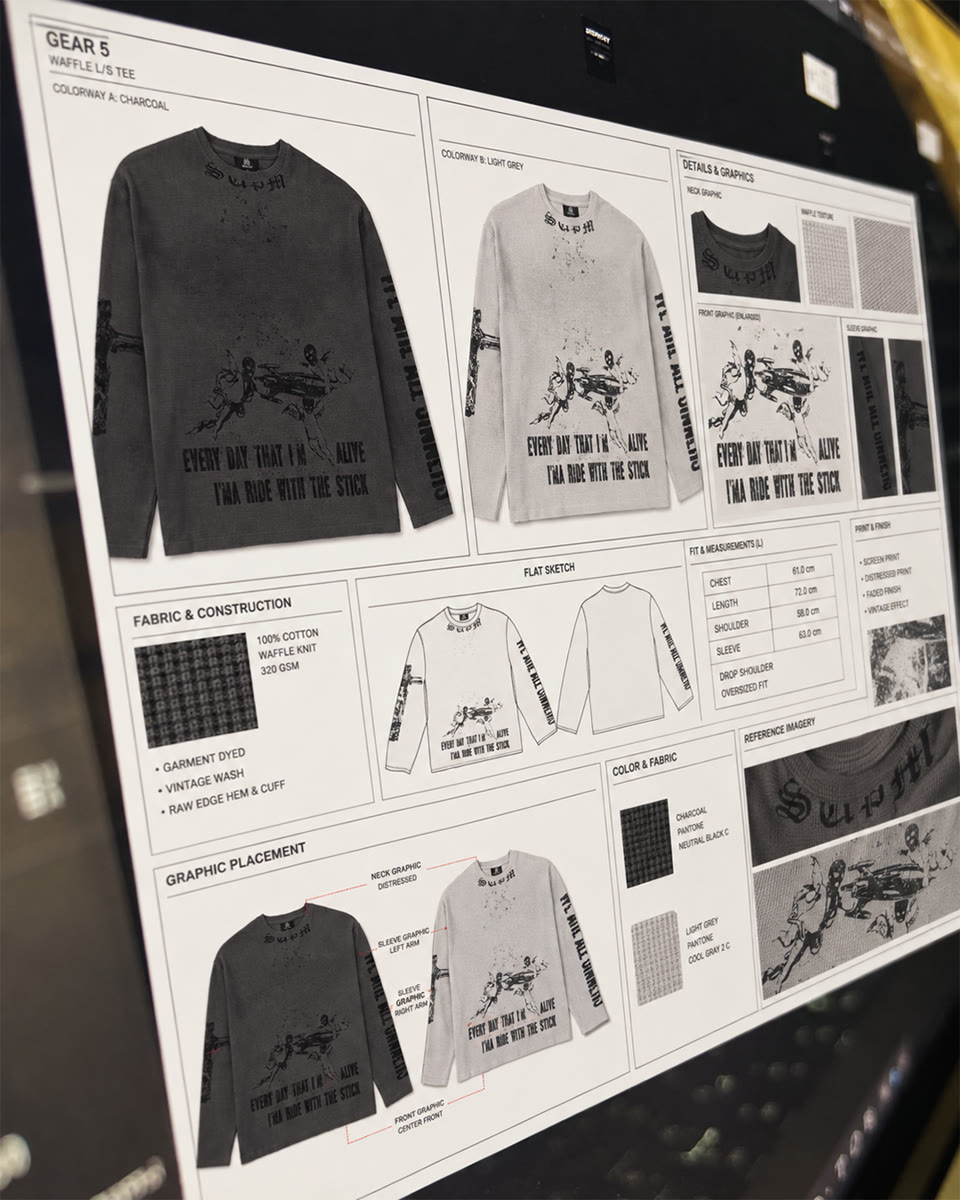
What Is Waffle Knit? Waffle Knit Texture and How It Is Woven
Waffle knit is a textured knitted fabric with small recessed cells across the surface. Those cells are usually square or slightly rectangular, with raised yarn defining the edges. Thermal shirts, Henleys, lounge pieces and casual long-sleeve tops often use this structure.
Most garment waffle is knitted from interconnected loops. Waffle weave is a separate textile construction produced with warp and weft yarns on a loom.
The finished result depends on more than the visible grid. Yarn size, stitch length, cell dimensions, knitting density, fiber content, GSM and finishing all change how the fabric looks and behaves.
What Is Waffle Knit?
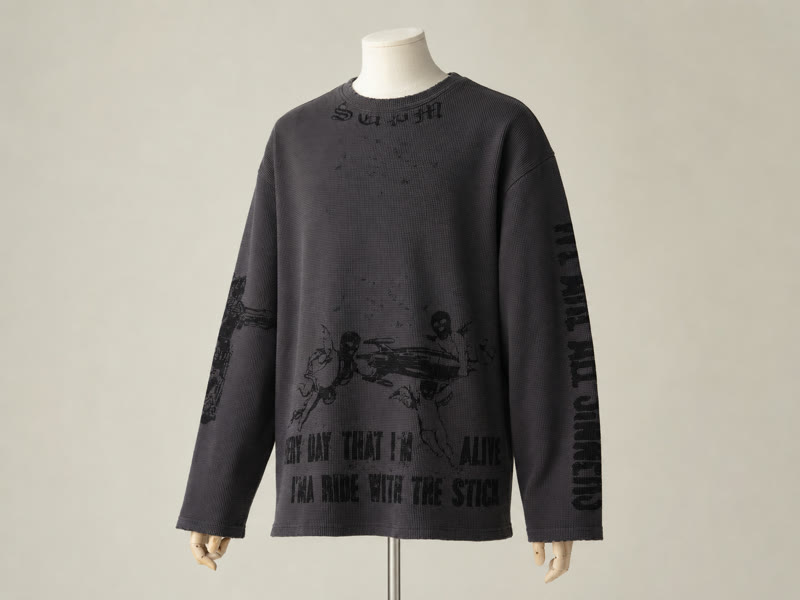
Waffle knit belongs to the textured knit family. Its loop structure creates recessed areas directly in the fabric, so the texture is present from the moment the material is knitted.
The name covers a wide range of fabrics. A light cotton thermal may use very shallow cells. A heavier casual top can use thicker yarn and much deeper relief. Fiber content also varies across products.
The common feature is the cellular knitted surface.
What Does Waffle Knit Texture Feel Like?
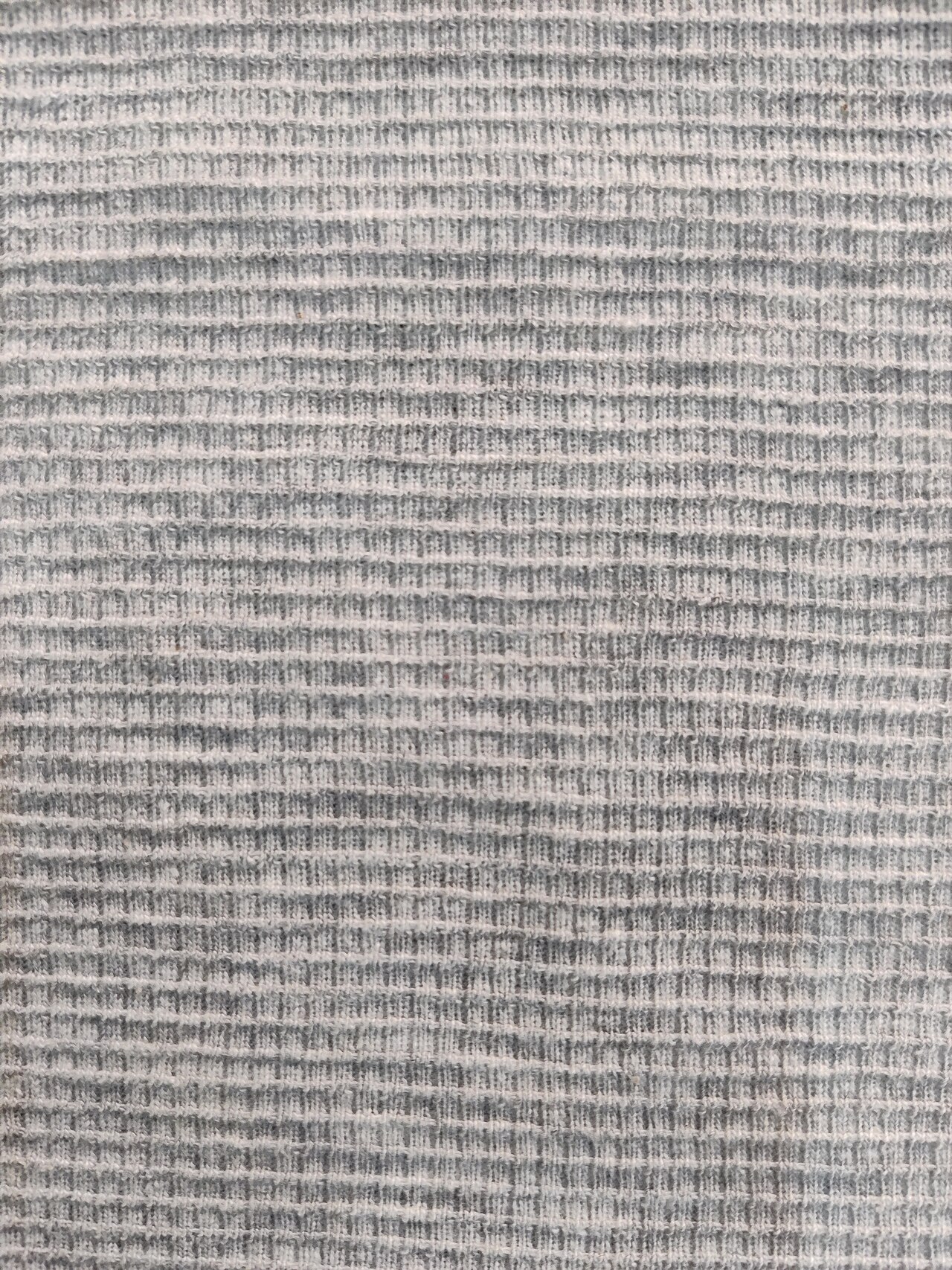
A fine waffle feels lightly uneven under the fingertips. The ridges become easier to detect when a hand moves slowly across the surface. Lightweight versions can still fold and drape easily.
Depth changes the experience. Larger cells create more noticeable high and low points. Thick yarn gives the ridge a fuller shape, and tighter knitting makes the cloth feel firmer in the hand.
Finishing can alter that first impression again. Cotton may feel less dry after softening. Compaction changes the dimensions of the cells. Enzyme treatment can reduce loose surface fibers.
Is Waffle Knit Woven?
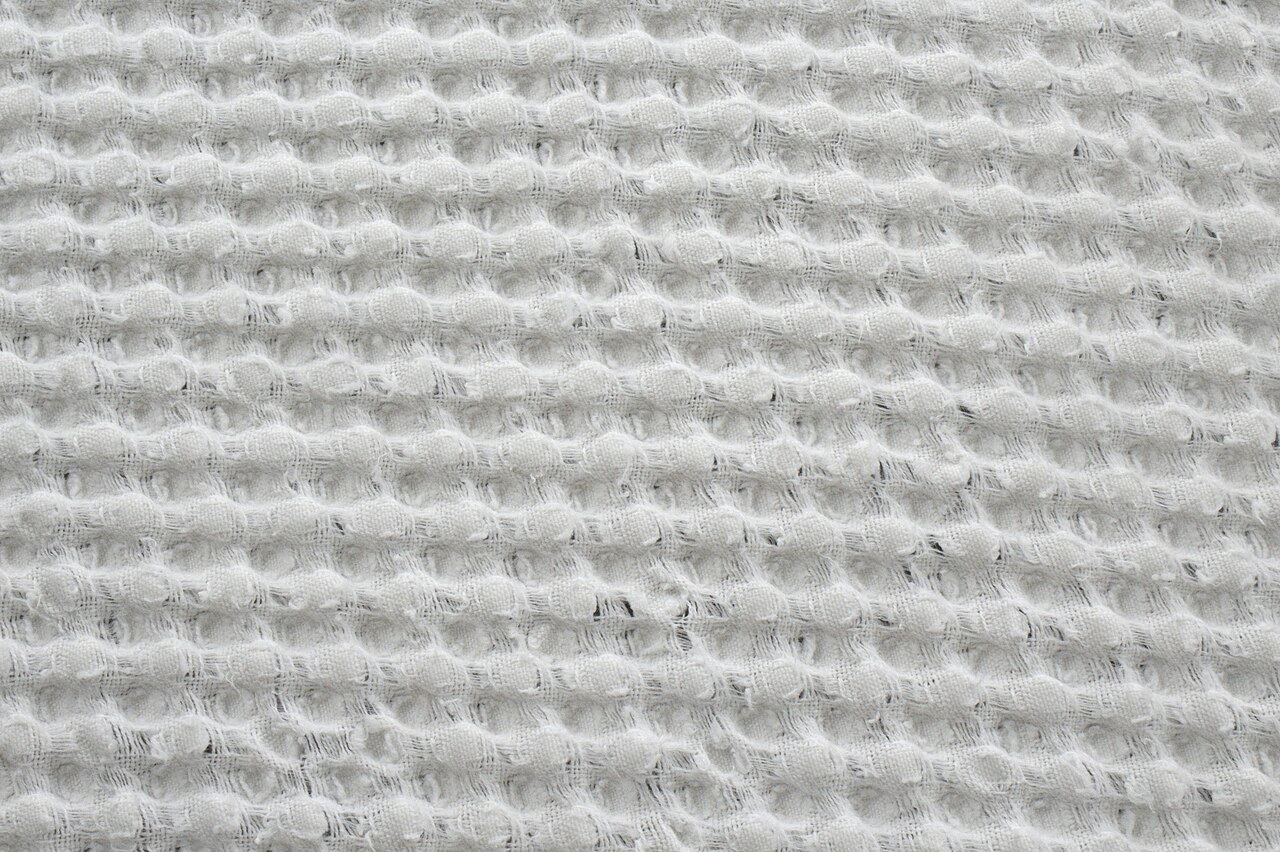
Waffle knit is knitted.
Its yarn forms interconnected loops arranged through courses and wales. This structure gives the fabric the movement associated with knitted cloth.
Waffle weave is made on a loom from warp and weft yarns. It appears frequently in towels, bathrobes, blankets and some shirts.
For apparel sourcing, wording such as 100% cotton waffle knit, 220 GSM identifies the construction clearly.
How Waffle Knit Is Made
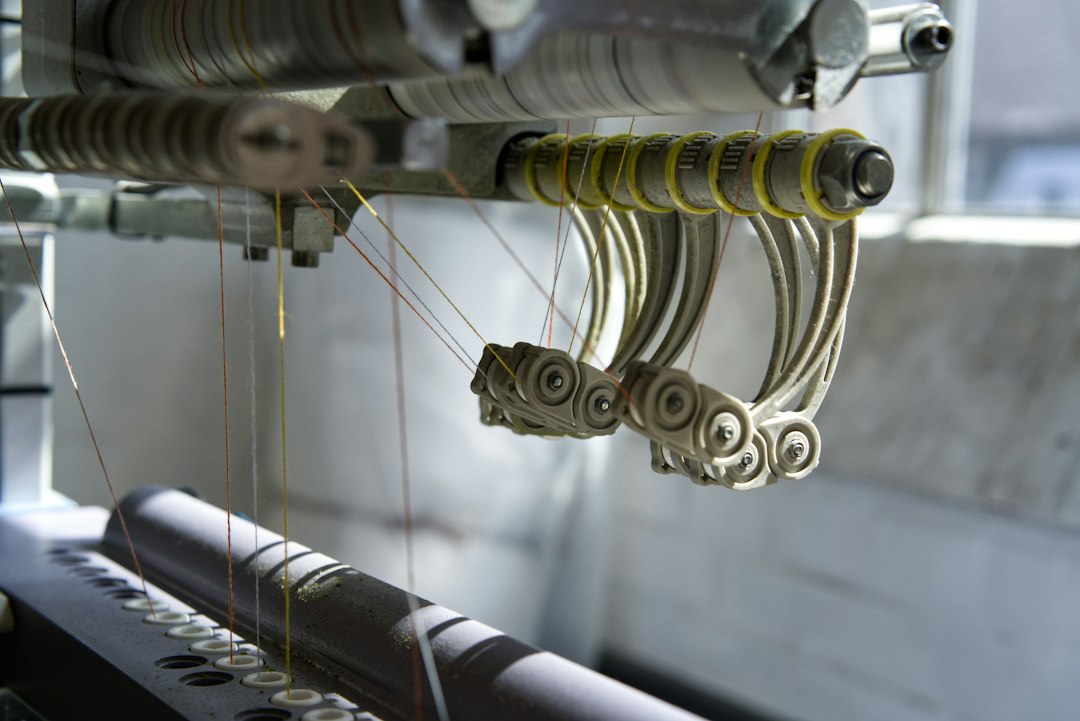
A typical production route starts with fiber and yarn selection.
- The mill chooses the required composition.
- Yarn count is matched to the target weight and machine gauge.
- The stitch repeat is set on the knitting equipment.
- Stitch length and yarn feed are adjusted.
- Greige fabric is knitted.
- The material rests so part of the knitting tension can relax.
- Dyeing and other wet processing are carried out where required.
- The fabric is dried.
- Compaction or another dimensional finish may be applied.
- Finished width, GSM and wash behavior are measured.
The measurements used for production come from the finished fabric.
What Is Happening Inside One Waffle Cell?
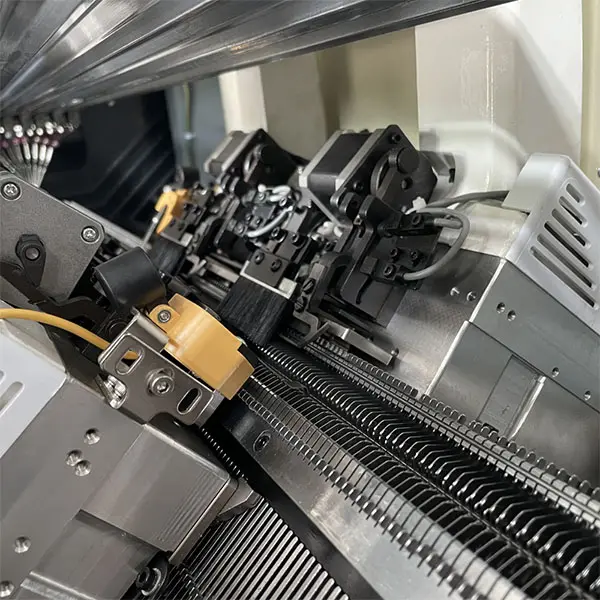
A waffle cell is built from the same loop system that forms the rest of the fabric.
Courses run horizontally across the knit.
Wales form vertical columns.
Stitch length controls how much yarn sits in each loop.
Tuck stitches may be used in certain cellular and thermal structures to build extra depth.
The recessed area appears where the loop arrangement draws part of the surface inward. Yarn around that area remains more prominent.
Machine gauge, yarn count and stitch settings all affect the final dimensions of the cell.
What Cell Size Looks Like on a Garment
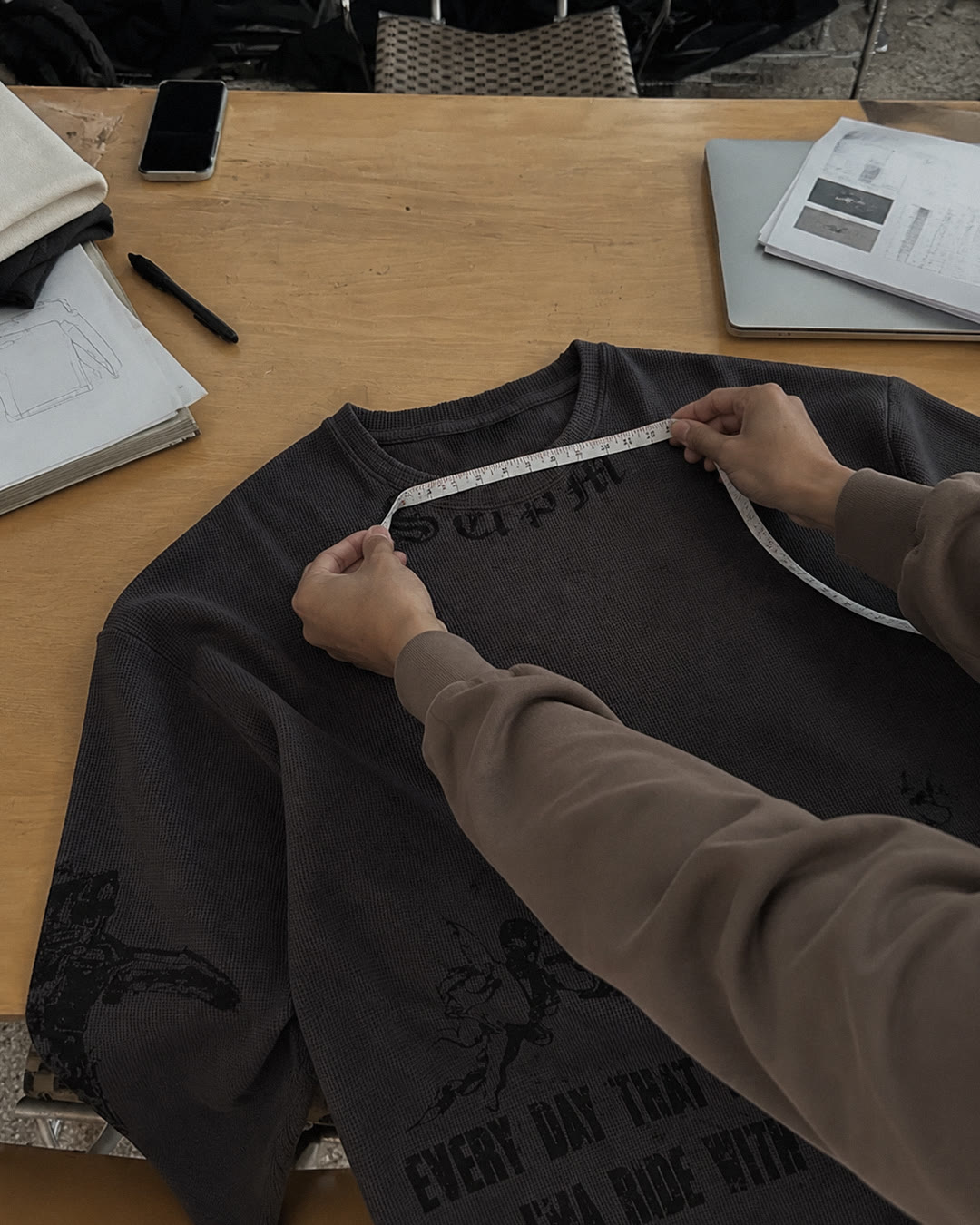
Take a shirt front that measures 60 cm across.
A finished cell width of 5 mm gives roughly 120 repeats across that distance. Increase the cell to 10 mm and the same panel carries about 60.
That change is visible immediately on a full garment. Fine cells create dense surface texture. Larger cells become easier to distinguish across the chest, sleeves and shoulder folds.
A development sheet that records 6 × 6 mm finished cell gives the mill a measurable target.
What GSM Tells You About Waffle Knit
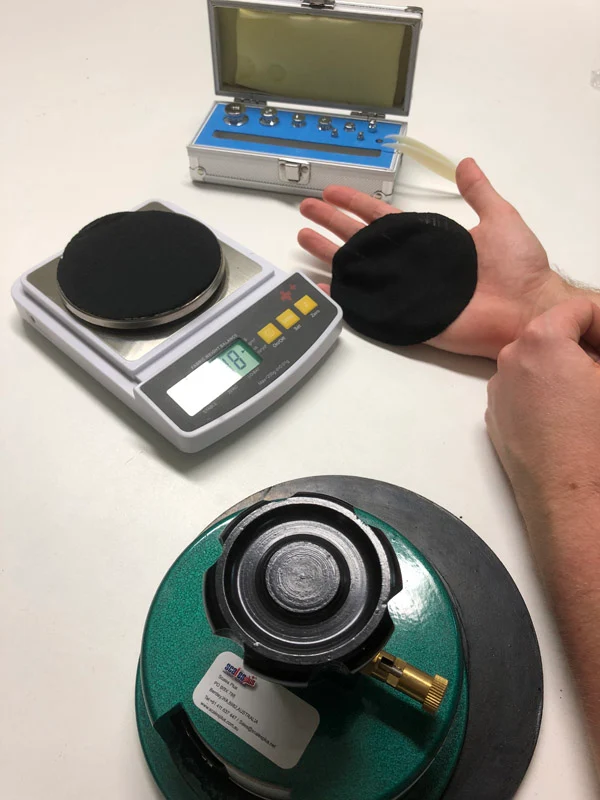
GSM records the weight of one square meter of fabric.
A 240 GSM waffle can feel bulky when the yarn is thick and the cells are deep. The same weight can feel much flatter with a compact surface.
Thickness, loft, compressibility, cell depth and drape need separate evaluation.
For development from a reference garment, a physical swatch gives information that the GSM figure leaves open.
Why Waffle Knit Appears in Thermal Clothing
The raised surface changes how much of the fabric sits directly against the skin. Contact is concentrated along the higher parts of the texture, leaving small recessed spaces nearby.
The amount of warmth depends on the full construction. A light mini-waffle can work as an indoor layer. Greater fabric weight, thicker yarn and a denser knit produce a more substantial garment.
Moisture behavior also comes from the yarn. Cotton readily absorbs water into the fiber. A blend containing polyester can dry differently because the synthetic portion retains far less water internally. Wool introduces more loft and changes the way the fabric handles moisture and warmth.
What Happens at the Elbow During Wear?
The elbow area stretches every time the arm bends.
Knitted loops open under that movement. Once the arm straightens, the fabric begins returning toward its earlier dimensions.
Some growth can remain after repeated wear. A sleeve that looked flat in the morning may show a rounded elbow later in the day.
Recovery depends on the construction, yarn and fiber content. Elastane can reduce residual growth, and stitch density also changes how the fabric reacts to repeated movement.
How Much Can Waffle Knit Shrink?
Use a finished sample measuring 50 cm long × 50 cm wide.
After the intended wash and drying cycle, the sample measures:
47.5 cm long × 48.5 cm wide
Length shrinkage = (50 − 47.5) ÷ 50 × 100 = 5%
Width shrinkage = (50 − 48.5) ÷ 50 × 100 = 3%
The cell shape should be checked at the same time. Unequal dimensional movement can make a previously square-looking grid appear slightly rectangular.
How Fiber Choice Changes the Result
A fabric developer may begin with a brief asking for a soft waffle top that holds its shape through regular wear and dries reasonably quickly after washing.
Using only cotton gives the fabric a familiar hand and strong absorbency. Adding polyester changes moisture retention and can improve drying behavior. A small elastane content becomes useful when the garment needs better recovery around areas that stretch repeatedly.
A sweater-style product can call for more loft. Wool or a wool blend may suit that type of fabric.
The stitch setting is adjusted around the chosen yarn because different yarn systems fill the same waffle repeat differently.
What Does “Mini Waffle” Actually Tell You?
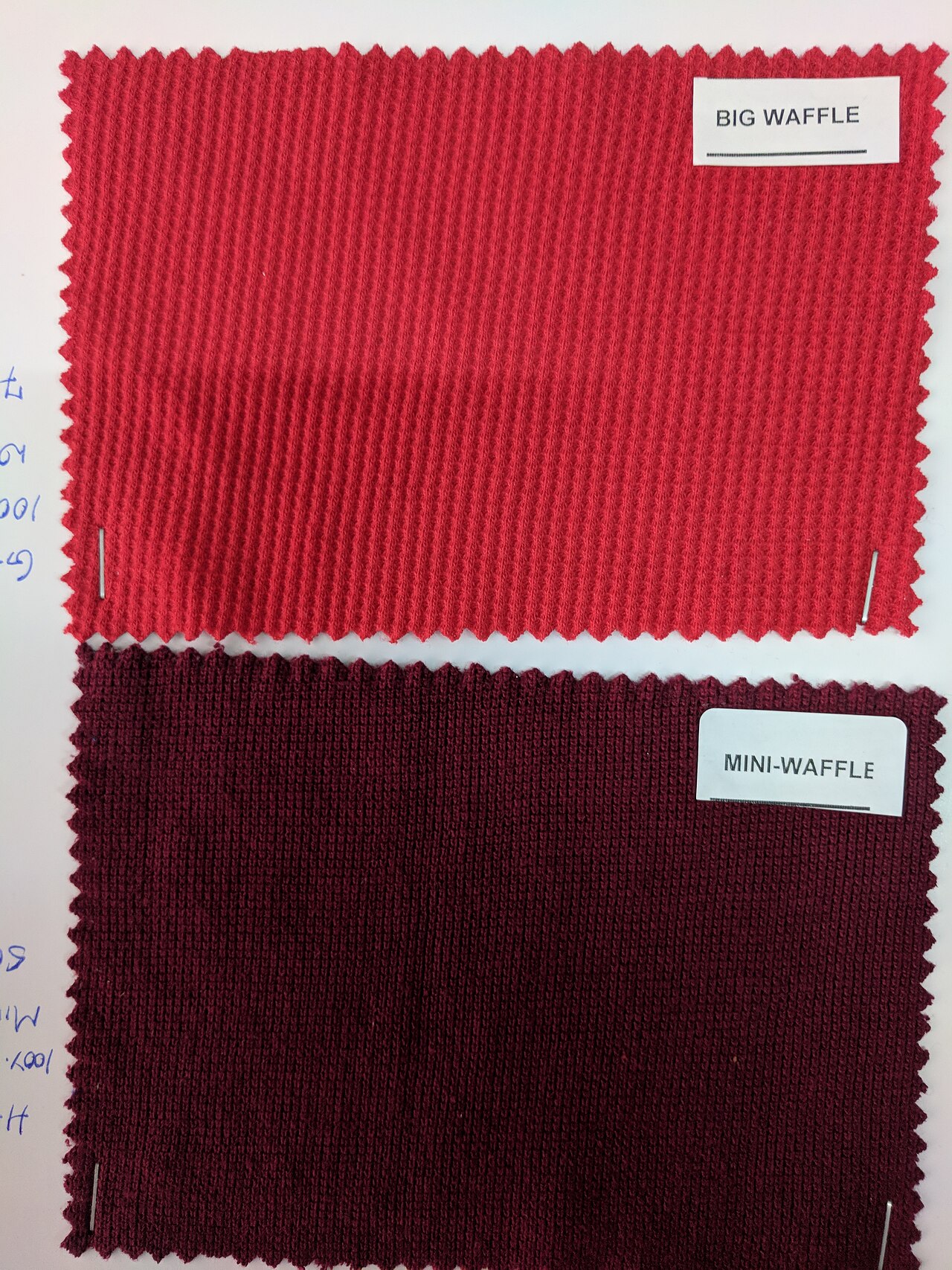
A supplier quote says:
Cotton mini waffle, medium weight
Several details are still missing.
- Finished GSM
- Finished cell dimensions
- Fiber percentages
- Usable width
- Wash shrinkage
- Stretch and recovery
- Yarn count where controlled
- Finishing method
Terms such as large waffle, heavy waffle and double waffle can also vary between mills.
A production description such as 95% cotton / 5% elastane, 230 GSM, 6 × 6 mm finished cell, 165 cm usable width removes much of that ambiguity.
How Decoration Behaves on Waffle Knit
A finished decoration sample can reveal problems that are hard to predict from the fabric alone.
On a deep waffle, a fine screen-printed line may lose definition as the artwork crosses ridges and recesses. Dense embroidery can pull nearby cells inward when the stabilizer and stitch settings do not suit the cloth. Heat-applied graphics bring pressure into the process, so the uneven surface needs to be checked for consistent contact.
A small chest design may work cleanly on a fabric that gives trouble with a large front graphic.
Sampling on the finished production waffle gives the most useful result.
Where Waffle Knit Is Used
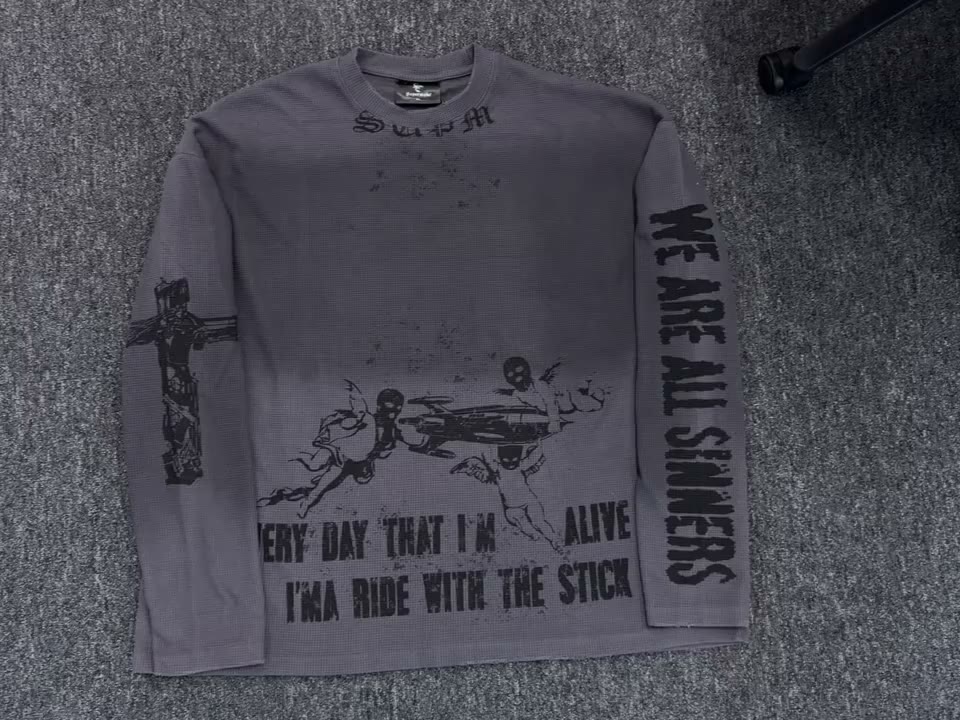
The same waffle fabric can behave differently once the pattern pieces change.
A Henley places the texture next to a placket, buttons, neckline and cuffs. On lounge pants, movement through the knees and seat makes recovery more noticeable. An oversized top exposes a large uninterrupted area of fabric, so cell scale becomes easier to see across the body.
Heavier sweater-style pieces give thicker yarn and deeper cells more room to work visually. Lightweight children's garments usually call for a softer, finer construction with wash behavior checked against the intended size range.
How to Read Quality Problems in Waffle Knit
A roll with cells that change size across the width may have uneven knitting or finishing tension.
Width measured under roll tension can drop once the fabric relaxes.
Wash testing may reveal spirality, directional shrinkage or a shift in cell proportions.
Poor recovery shows up when a stretched area remains visibly enlarged after the load is removed.
Raised loops that pull easily during mild abrasion point to higher snag sensitivity.
Comparing more than one roll can expose batch differences in hand, surface height or cell dimensions.
How Finishing Changes Waffle Knit
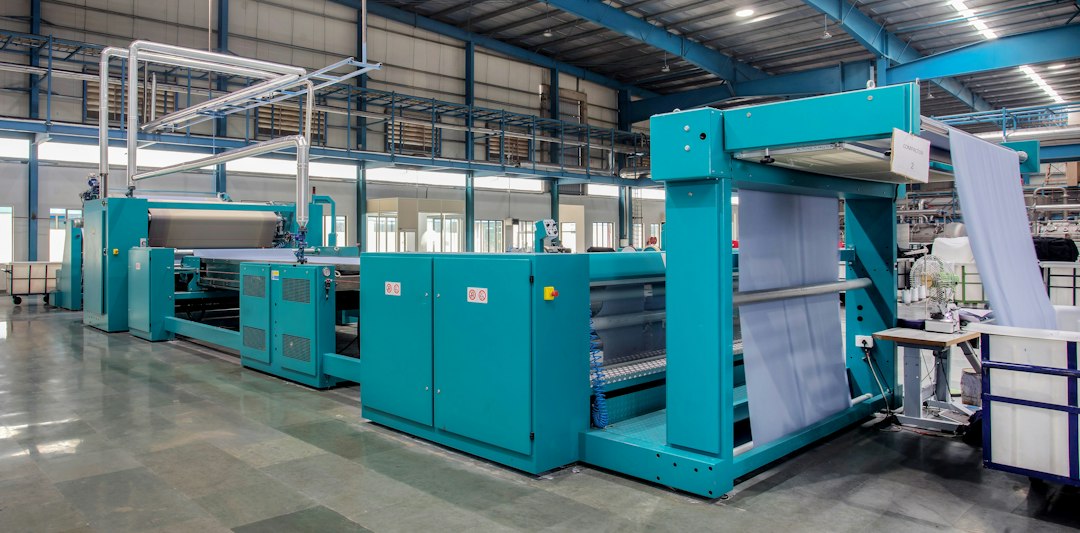
Fresh greige waffle still contains tension left from knitting. Once the fabric enters wet processing, the loop structure begins to settle.
Dyeing exposes the cloth to water, heat and chemicals. Drying establishes another dimensional state, and compaction can reduce part of the remaining lengthwise movement.
Softening affects how the fabric feels in the hand. Enzyme treatment may alter loose surface fibers when it is included in the finish.
By the time the roll reaches cutting, its dimensions and hand may have moved significantly from the greige state.
Waffle Knit Specification Example